


 English
 中文简体
 Español
How Are Knitted Sweaters Made in Bulk?
From Yarn to Carton: The Stages Behind a Bulk Knitted Sweater Order
A finished sweater looks simple on the shelf. Behind it is a chain of steps in which each one affects the next. Knowing that sequence helps brands set realistic dates and ask useful questions while there is still time to act on the answers.
How is a knitted sweater made in bulk?
In a typical flat-knit program, yarn is prepared and wound, panels are knitted to shape or for trimming, and the pieces are joined by linking and sewing. The garments are then washed, dried, pressed, inspected and packed. The exact route depends on yarn, construction and design details.
Yarn preparation
Yarn is checked against the approved fiber, count and color, then wound onto packages suited to the knitting machine. Even winding supports steady feeding. For color-critical orders, ask how dye lots are identified and kept apart, because shade differences can show when panels from different lots meet in one garment.
Flat knitting
Computerized flat knitting machines follow a program that controls stitch structure, pattern and panel shape. Gauge, meaning the spacing of needles on the machine, strongly influences which yarn thicknesses can be used and how fine or chunky the fabric appears. Early checks on panel size, weight and tension help catch drift before it spreads through a whole lot.
Linking and sewing
Linking joins knitted pieces loop by loop or along a controlled seam line, and is widely used for necklines and other areas where a neat, flexible join matters. Seams should stretch with the fabric without breaking or puckering. Hand finishing then secures yarn ends and attaches details.
Why do washing and pressing matter?
Fabric straight from the machine does not yet have its final hand feel. Controlled washing relaxes the stitches and removes processing residues, while drying and pressing help set appearance and dimensions. Time, temperature and mechanical action should suit the fiber. Wool and wool blends, for example, can felt if handled too aggressively. Final measurements belong after finishing.
Inspection and packing
Final inspection compares garments with the approved sample and spec: measurements, color, surface faults, seams, trims and labels. Agree on the sampling plan and defect classes before production, including what happens if a lot does not pass. Packing instructions should cover folding or hanging, bag details, size and color assortment, carton marks and any moisture precautions for the shipping route.
Questions to ask while production is running
- Has all bulk yarn arrived, and has its color been approved?
- How many pieces have completed knitting, linking and finishing?
- What did the first finished garments measure?
- Are any labels or trims still outstanding?
- Is the planned inspection date still realistic?
Inside Sofia Group's knitwear operation
Changshu Sofia Sweater Co., Ltd., founded in 2006, has a building area of 9,600 square meters and mainly produces knitted sweaters for women, men and children. Workshop equipment includes yarn winding machines, computerized flat knitting machines, and washing and drying equipment. The sweater factory page shows the knitting, linking, drying, inspection and packing areas. Browse the custom knitted sweater range for style references, or contact the team to discuss a bulk order.
Recommended Products
-
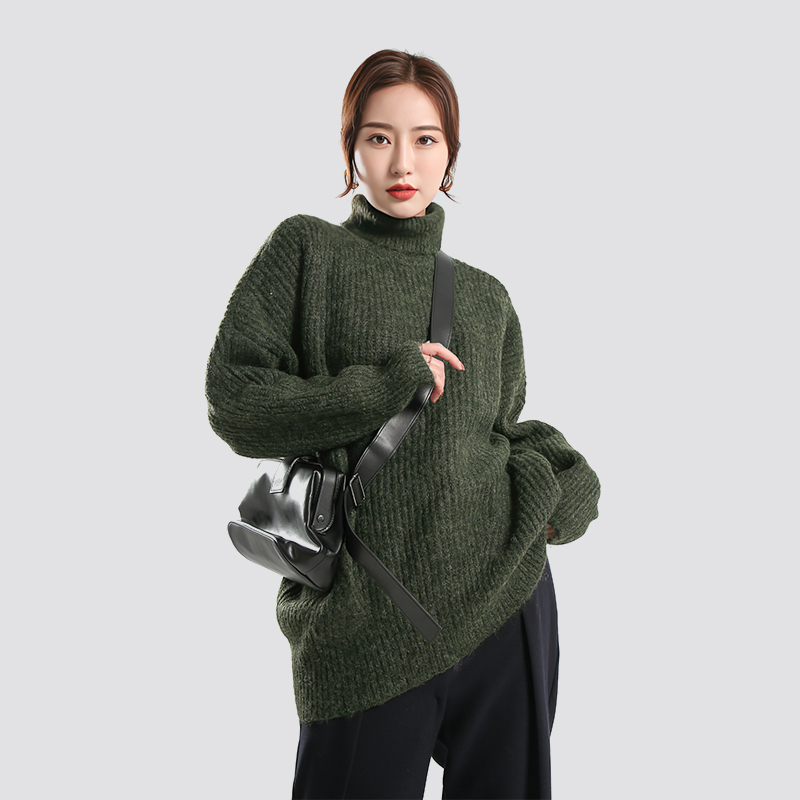
Cashmere handfeel Dark Green Wool Sweater
-
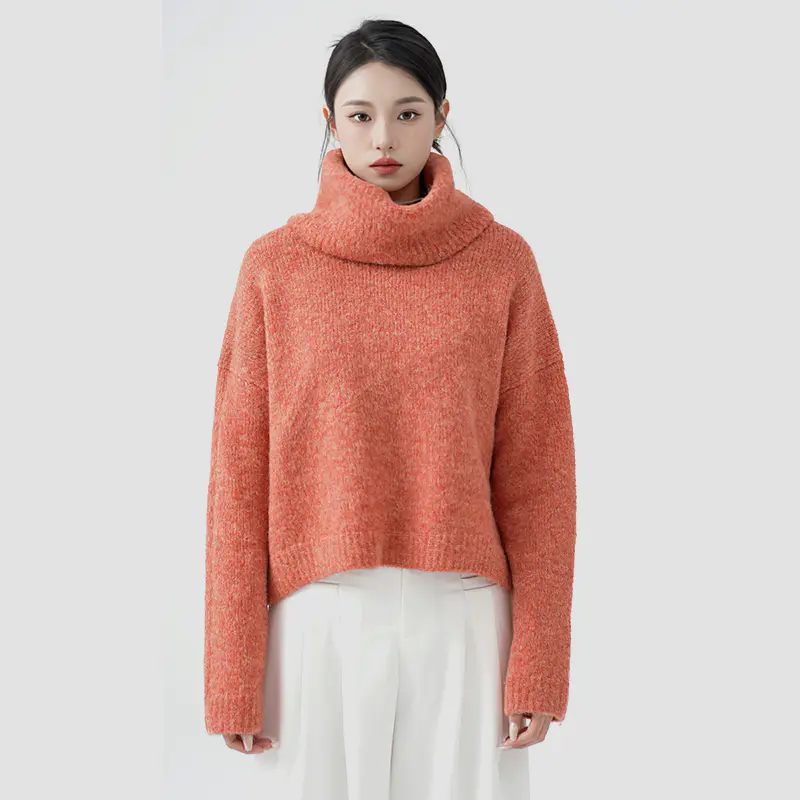
Orange Loose Neck Pullover Sweater
-
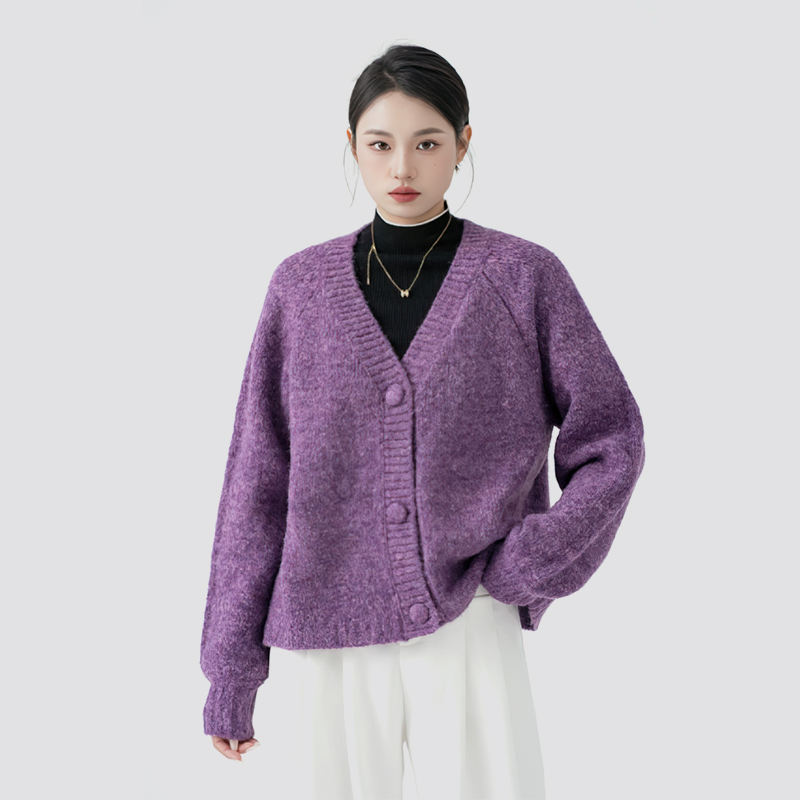
Romantic Purple Cardigan
-
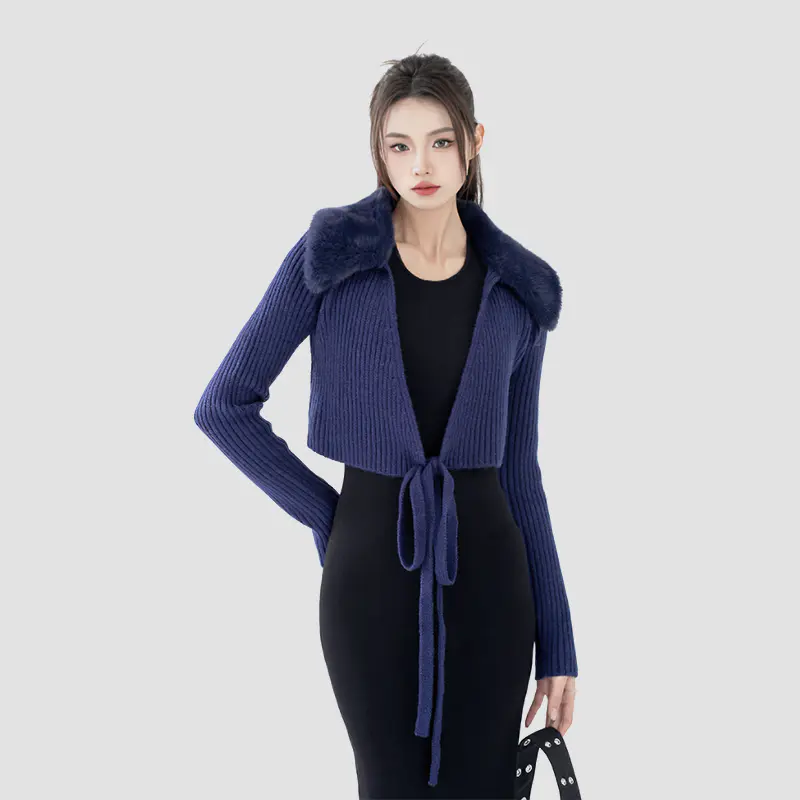
Fur Lapel Lace-up Cardigan
-
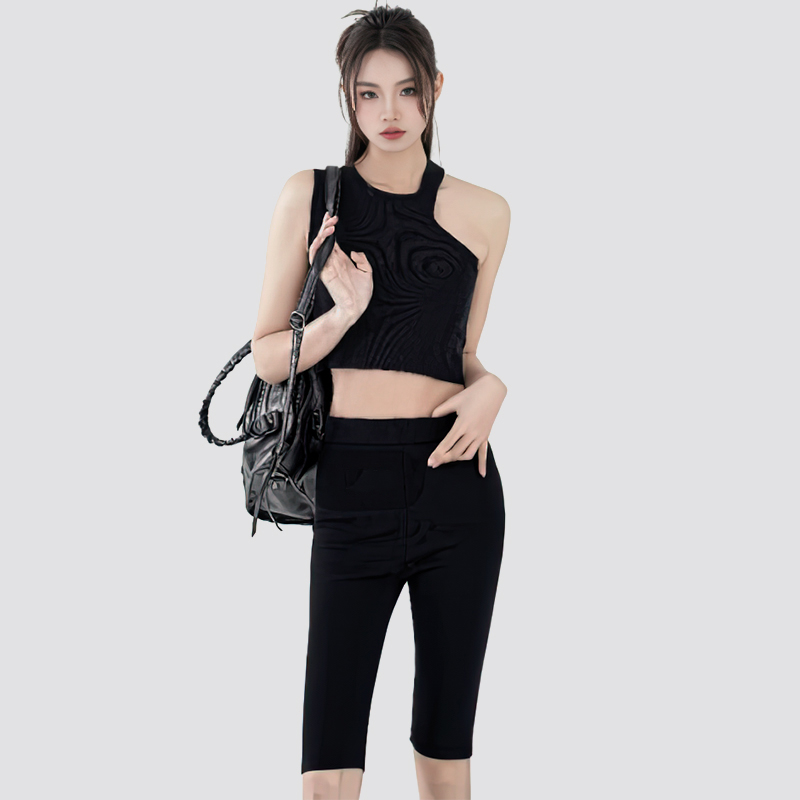
Cut Out Knitted Tank Top
-
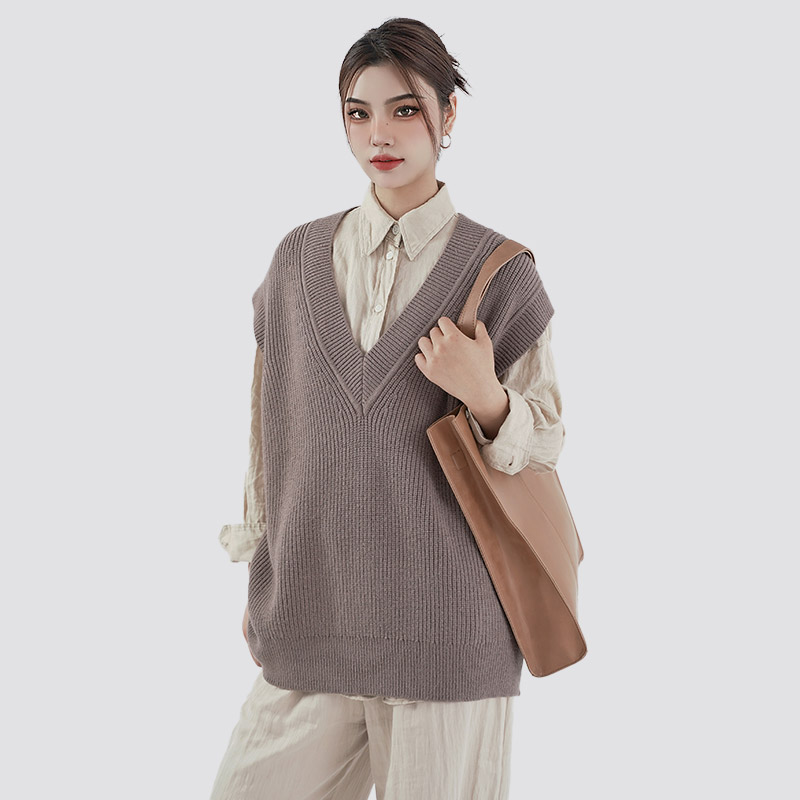
V-Neck Knitted Tank Top
-
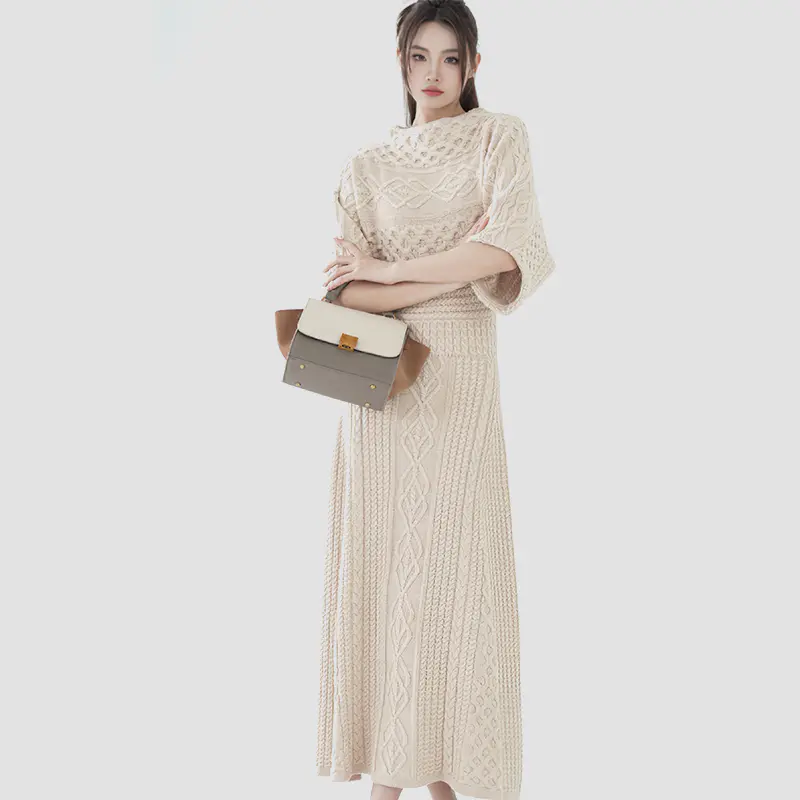
Swing Sweater Dress With Nipped Waist
-
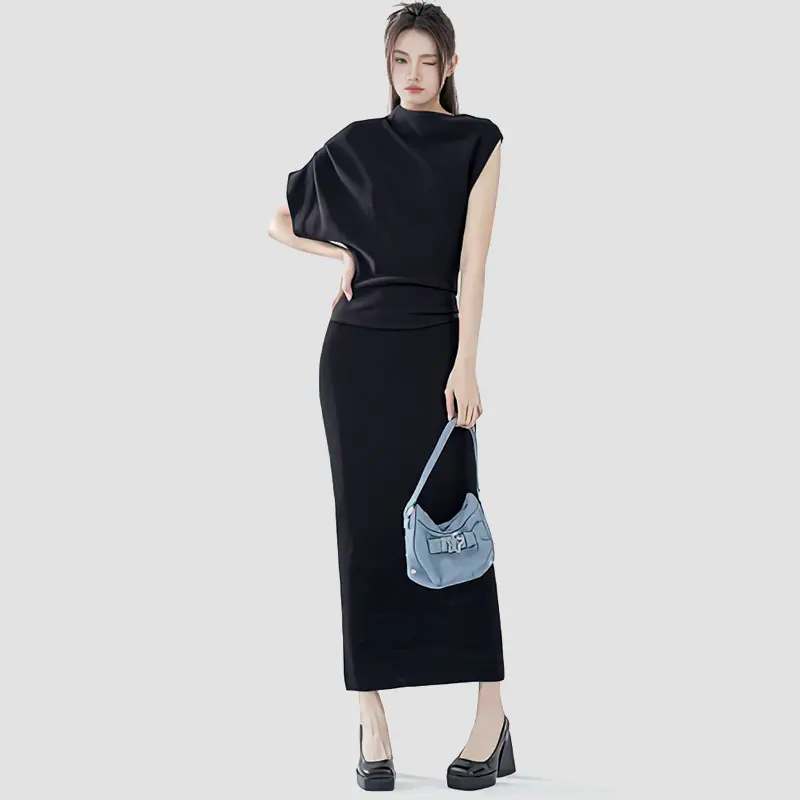
Stylish Asymmetrical Knit Long Dress
-
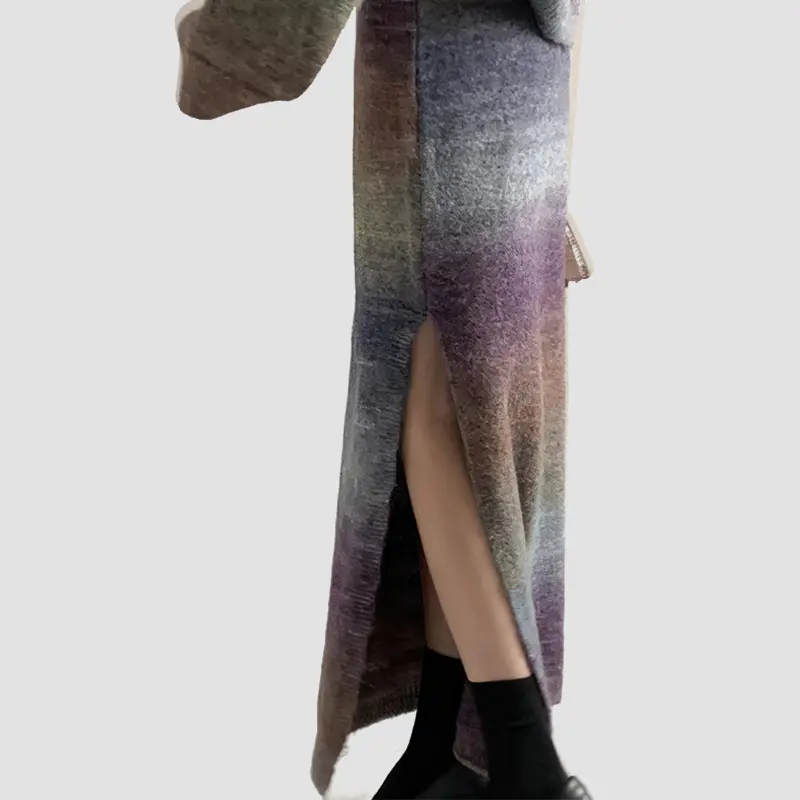
Gradient Color Side Split Half-Length Skirt
-
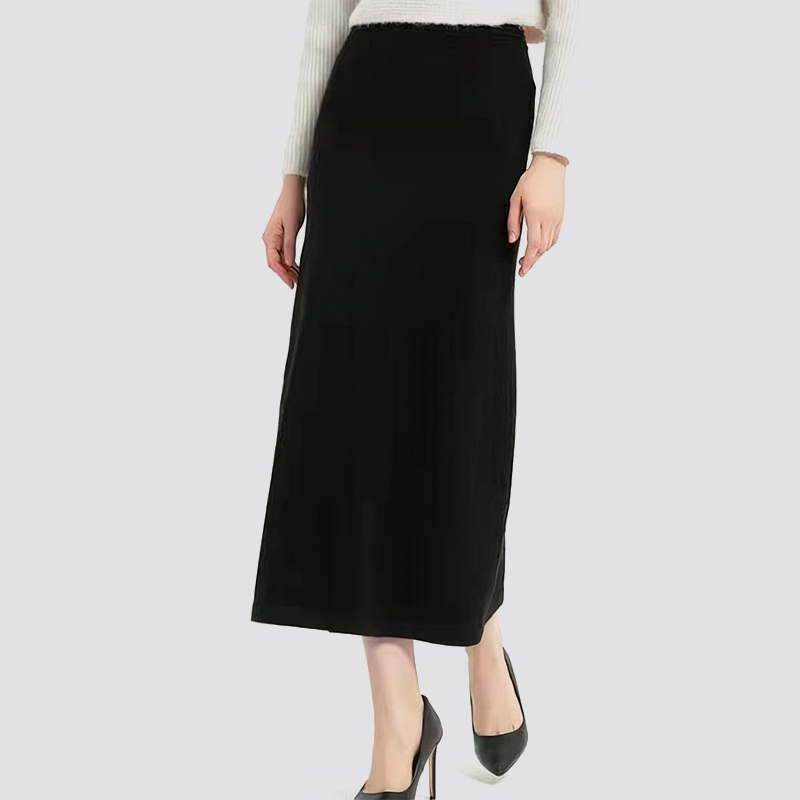
Black A-line Skirt
-
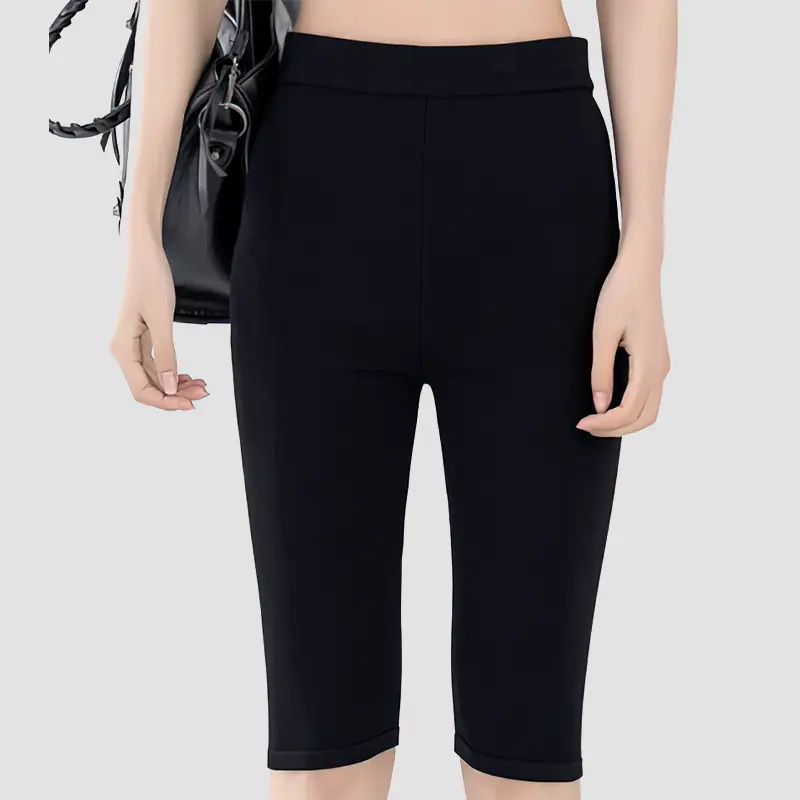
Thin Ice Silk Slimming Leggings
-
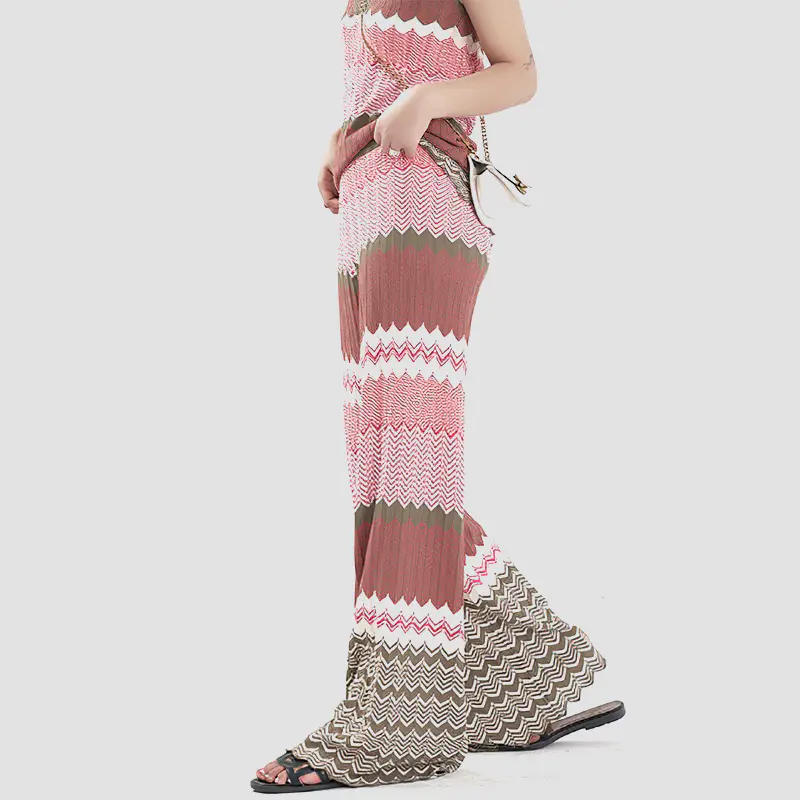
Draped Striped Loose Pants


-

Tel: +86-13913661100
-

Email: frank@sofiafashion.com
-

Add: No.886, Minfeng Road, Xushi Street, Dongbang Town, Changshu, Jiangsu, China
© 2023 Sofia Group. All rights reserved Design Custom Women's Knitted Sweaters Manufacturers
