


 English
 中文简体
中文简体 Español
The Ultimate Guide to High Street Fashion Sweaters: Style, Quality & Conscious Consumption
Content
- 1 Introduction: The Quintessential High Street Staple
- 2 Defining High Street Fashion: The Philosophy Behind the Product
- 3 Anatomy of a High Street Sweater: Materials, Construction, and Fit
- 4 The Style Spectrum: Key High Street Sweater Categories
- 5 High Street vs. Fast Fashion vs. Designer: A Comparative Analysis
- 6 The Conscious Consumer's Guide: Buying Better on the High Street
- 7 Styling the High Street Sweater: Versatility for Every Occasion
- 8 The Future of High Street Knitwear
- 9 Conclusion: Building a Smart Sweater Wardrobe
Introduction: The Quintessential High Street Staple
When autumn arrives and temperatures begin to drop, few wardrobe items see as much universal adoption as the high street fashion sweater. Occupying the sweet spot between accessible style and everyday wearability, these sweaters have become the backbone of contemporary casual dressing. Unlike their fast-fashion counterparts, which prioritize extreme low cost, or luxury knitwear, which commands premium prices, high street sweaters offer a compelling balance of current trends, reasonable quality, and democratic pricing. From chunky cable-knit cardigans to fine-gauge turtlenecks, they translate runway aesthetics into wearable reality for the masses. This comprehensive guide explores the world of high street sweater shopping, helping you navigate styles, materials, and brands to build a versatile, stylish, and conscious cold-weather wardrobe.
Defining High Street Fashion: The Philosophy Behind the Product
To understand the high street sweater, one must first understand "high street fashion" itself. The term, originating in the UK (synonymous with "main street" in other regions), refers to clothing that is:
-
Trend-Focused: Quickly adapts and interprets catwalk trends for a mainstream audience.
-
Mass-Market & Accessible: Sold in ubiquitous chain stores located on primary shopping streets (e.g., Zara, H&M, & Other Stories, Mango, COS, Uniqlo, Massimo Dutti).
-
Mid-Range in Price and Quality: Positioned above disposable fast fashion but below designer luxury. The focus is on perceived value—offering good style and decent construction at a price point that allows for regular wardrobe updates.
The high street sweater embodies this philosophy perfectly. It is a versatile canvas for seasonal trends—whether it's a new color (like "hot cocoa brown"), a popular stitch (balloon knit), or a revived silhouette (the grandpa cardigan)—made available to everyone.
Anatomy of a High Street Sweater: Materials, Construction, and Fit
The value proposition of a high street sweater lies in its specific blend of materials and manufacturing.
1. Material Composition: The Fiber Dictates Function
-
Acrylic & Polyester (The Budget Mainstays): These synthetic fibers are inexpensive, lightweight, and colorfast. They offer warmth and hold their shape well but can lack breathability, feel less soft, and may pill over time. Often blended with natural fibers for improvement.
-
Cotton & Cotton Blends (The Everyday Heroes): Ideal for transitional weather. High street brands often use combed cotton or cotton-polyester blends for sweaters that are soft, breathable, easy to care for, and less prone to pilling than pure synthetics. Look for terms like "ring-spun cotton" for a smoother, stronger yarn.
-
Wool & Wool-Blends (The Step-Up Tier): For cooler climates, high street brands offer sweaters with wool (often lambswool), merino wool, or wool-acrylic blends. Merino is prized for its softness and fine gauge, while blends add affordability and durability. These provide superior warmth and natural breathability.
-
Sustainable & Innovative Fibers (The Growing Trend): Reflecting consumer demand, many brands now incorporate recycled polyester (rPET), organic cotton, Tencel™ (lyocell), and even recycled wool. These materials often feature in a brand's "conscious" or "sustainable" line.
2. Construction and Knit Types:
The way a sweater is knit defines its look, weight, and texture.
-
Fine-Gauge/Jersey Knit: Smooth, thin, and lightweight. Often used for basic turtlenecks, polo necks, and fitted sweaters. Prone to stretching if not a stable knit.
-
Rib Knit: Features vertical ridges. Extremely stretchy and forgiving, commonly used for cuffs, collars, and hem bands, or for the entire body of close-fitting sweaters.
-
Cable Knit: Features raised, intertwining rope-like patterns. Chunky and textural, offering a classic, cozy aesthetic. Quality varies greatly in how raised and defined the cables are.
-
Mohair/Silk Blend Knits (Trend-Led): High street brands often create affordable versions of trendy fuzzy or glossy knits using acrylic-nylon blends to mimic the look of luxury mohair or silk.
3. Fit and Silhouette:
High street trends cycle through silhouettes rapidly. Current popular fits include:
-
Oversized & Boyfriend: Relaxed through the shoulders and torso, offering a casual, comfortable look.
-
Cropped: Sits at or above the waist, perfect for pairing with high-waisted pants and skirts.
-
Fitted/Figure-Hugging: A classic, polished silhouette for layering.
-
Shacket-Inspired (Sweater-Shirt): A hybrid style with shirt-like details (buttons, collars) in sweater-knit fabric.
The Style Spectrum: Key High Street Sweater Categories
High street retailers expertly segment their sweater offerings to cater to different style tribes and occasions.
-
The Everyday Basic: The foundation of a capsule wardrobe. Think fine-gauge crewnecks, turtlenecks, and V-necks in neutral colors (black, white, grey, navy, beige). Brands like Uniqlo and COS excel here, focusing on fabric quality and timeless cuts over fleeting trends.
-
The Statement Piece: This is where high street fashion shines. Bold color-block sweaters, graphic intarsia knits (with pictorial patterns), exaggerated sleeves, or unexpected cut-outs. Brands like Zara and & Other Stories rapidly produce these trend-forward items.
-
The Cozy Classic: Chunky cable-knit cardigans, shawl-collar sweaters, and fisherman-style roll necks. These emphasize texture and comfort, often in autumnal hues. They blend timeless appeal with seasonal comfort.
-
The Smart-Casual Hybrid: Sweaters designed to bridge casual and workwear. This includes polo neck knits in sleek fabrics, fine-gauge cardigans, and sweaters with sophisticated details like leather trims or metallic threads. Massimo Dutti and Mango often target this aesthetic.
High Street vs. Fast Fashion vs. Designer: A Comparative Analysis
Understanding these distinctions is key to managing expectations and making informed purchases.
| Feature | High Street Sweater | Fast-Fashion Sweater | Designer/Luxury Sweater |
|---|---|---|---|
| Primary Driver | Accessible Trends & Style | Speed & Lowest Cost | Design, Craftsmanship, Prestige |
| Trend Cycle | 4-6 weeks from runway to store | 1-2 weeks; extremely rapid | Seasonal (2-4 collections per year) |
| Material Quality | Mid-range; often blends (e.g., cotton-acrylic, wool blend). Focus on decent hand-feel. | Lowest cost; high synthetic content (acrylic, polyester). Can feel scratchy or plastic. | Premium; high % of natural fibers (cashmere, merino, silk, fine cotton). |
| Construction | Generally good; consistent stitching, finished seams. May have some loose threads. | Often poor; uneven stitching, weak seams, prone to immediate pilling or distortion. | Excellent; attention to detail, reinforced seams, often hand-finished elements. |
| Price Point | Moderate (£30 - £120 / $40 - $150) | Very Low (£5 - £30 / $10 - $40) | High (£300+ / $400+) |
| Expected Lifespan | 2-4 seasons with proper care. | 1 season or less (disposable). | 5+ years (investment piece). |
| Ethical Transparency | Increasingly addressed via "conscious" lines, but auditing complex supply chains remains a challenge. | Historically poor; associated with labor and environmental issues, though some are improving. | Varies; some have strong heritage and artisanal ethics, others face similar scrutiny. |
The Conscious Consumer's Guide: Buying Better on the High Street
You can make more sustainable and satisfying choices within the high street model.
-
Prioritize Material: Look for sweaters with a higher percentage of natural fibers (cotton, wool) or certified sustainable materials. A 70% cotton/30% acrylic blend will often wear better than 100% acrylic. Check the label first.
-
Assess Quality Before You Buy:
-
Stretch & Recovery: Gently pull the fabric. Does it spring back, or does it stay stretched out?
-
Seams & Stitching: Seams should lie flat, be straight, and have no skipped stitches. Shoulder seams are often reinforced with tape.
-
Pilling Test: Rub the fabric vigorously against itself for a few seconds. If it immediately produces pills (little fabric balls), it will do so quickly in real wear.
-
-
Embrace "Slow Fashion" Trends on the High Street: Opt for classic silhouettes and neutral colors from high street brands. A well-made, simple black roll neck from COS will have a much longer stylistic lifespan than a neon, zebra-print sweater.
-
Understand Care & Longevity: High street sweaters often come with specific care labels. Wash on cold, gentle cycles, and lay flat to dry to prevent shrinkage and deformation. Use a fabric shaver (depiller) to maintain appearance.
-
Support Brand Initiatives: Many high street brands now have garment recycling schemes (drop old clothes in-store for recycling) and repair guides. Utilize these services to extend the life of all your clothing.
Styling the High Street Sweater: Versatility for Every Occasion
The strength of the high street sweater is its styling adaptability.
-
Office-Appropriate: Pair a fine-gauge merino turtleneck or a structured knit vest with tailored trousers and a blazer. A long-line, sleek cardigan can replace a jacket.
-
Weekend Casual: An oversized cable-knit cardigan over a white t-shirt and jeans is a timeless combo. A cropped ribbed sweater with high-waisted, wide-leg jeans strikes a modern balance.
-
Layering Masterclass: Use sweaters as versatile layering pieces. A crewneck over a collared shirt, a V-neck over a turtleneck, or a thin cardigan under a coat for added warmth without bulk.
-
Going Out: A sequin-knit sweater or one with statement sleeves can be paired with leather pants or a satin skirt for an evening look that's chic and comfortable.
The Future of High Street Knitwear
The sector is evolving in response to environmental and consumer pressures:
-
Circularity & Rental: Some high street brands are experimenting with rental services for high-trend items and designing for recyclability.
-
Transparency & Technology: Increased use of blockchain and QR codes to provide visibility into supply chains. Growth of 3D knitting to reduce waste in production.
-
"Quiet Luxury" Influence: The trend for understated, high-quality basics is pushing high street brands to invest more in better fibers, simpler designs, and "elevated basics" collections that promise longer wear.
Conclusion: Building a Smart Sweater Wardrobe
The high street fashion sweater remains an indispensable and dynamic part of modern dressing. It democratizes style, offers continual novelty, and, when chosen wisely, provides genuine value. The key for the informed shopper is to navigate with intention. By learning to decode material labels, identify quality construction, and balance trend pieces with timeless staples, you can leverage the high street's strengths while mitigating its weaknesses. Ultimately, the best high street sweater is not just the one that captures the mood of the season, but the one that feels good to wear, combines seamlessly with the rest of your wardrobe, and retains its character wash after wash. In a world of fleeting trends, that is the definition of true style.
Recommended Products
-
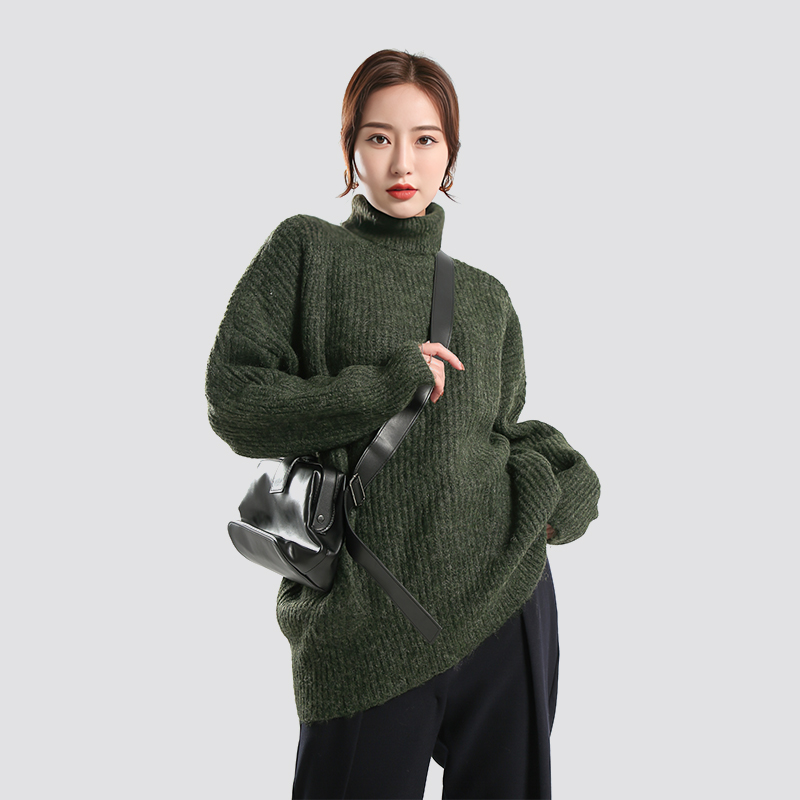
Cashmere handfeel Dark Green Wool Sweater
-
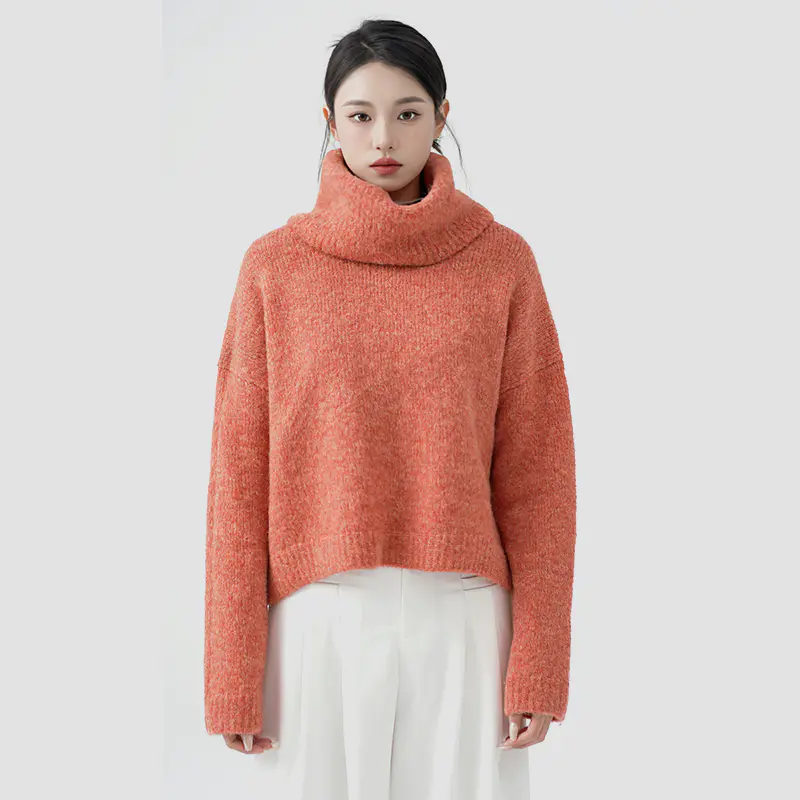
Orange Loose Neck Pullover Sweater
-
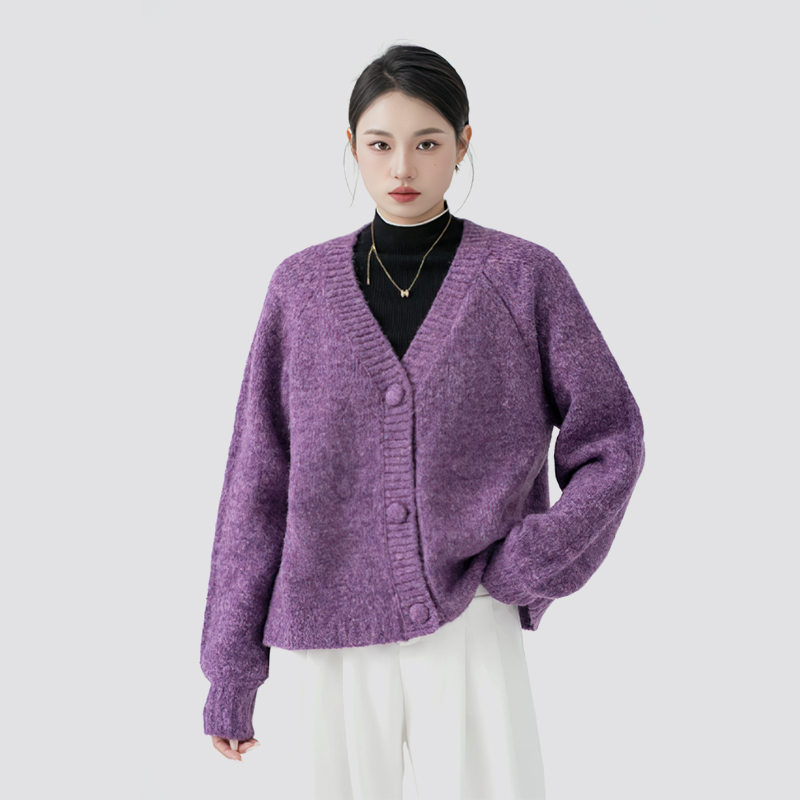
Romantic Purple Cardigan
-
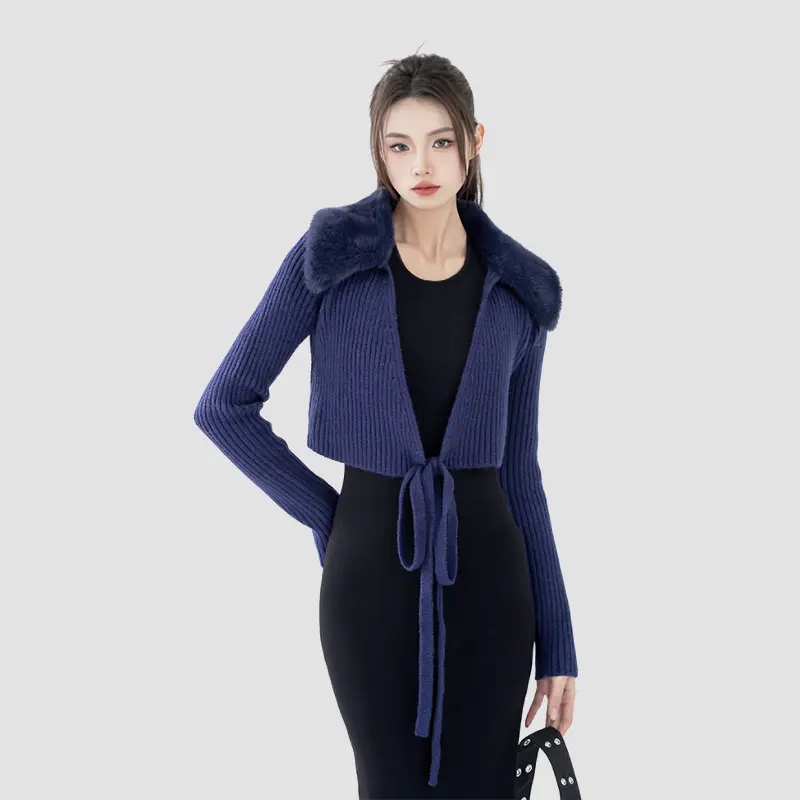
Fur Lapel Lace-up Cardigan
-
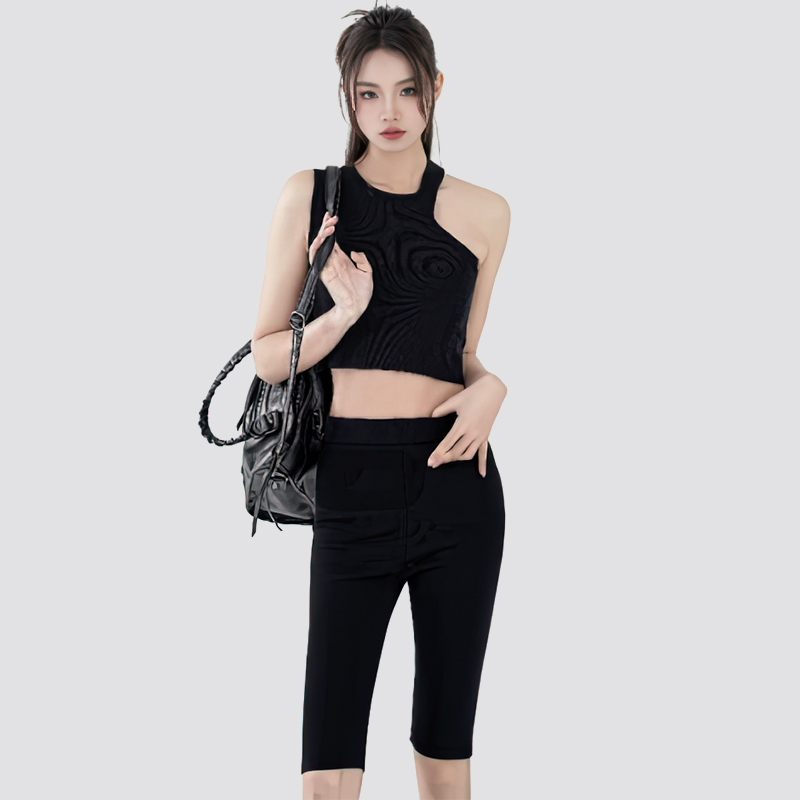
Cut Out Knitted Tank Top
-
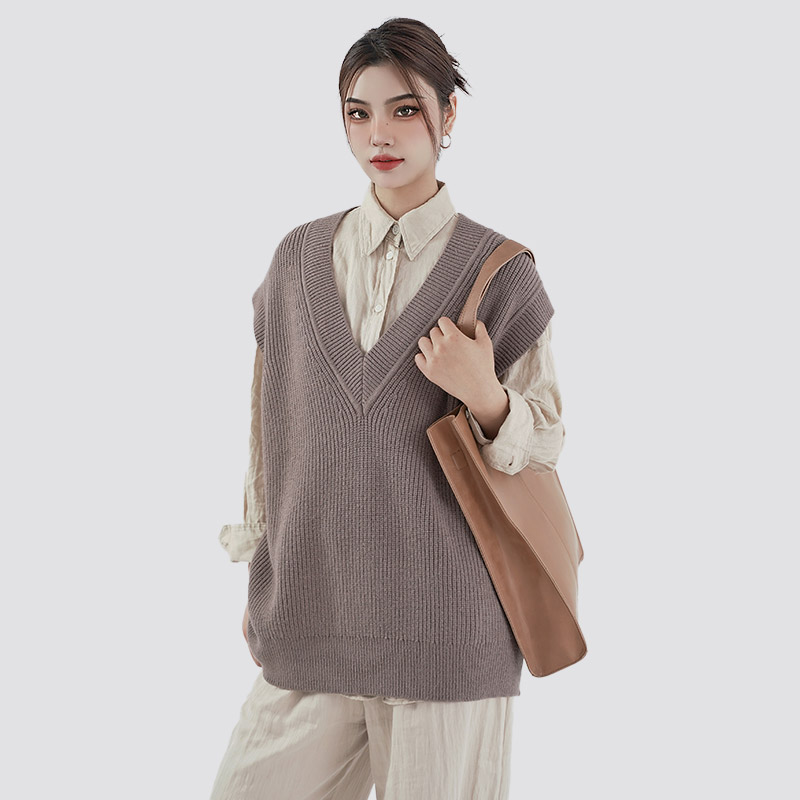
V-Neck Knitted Tank Top
-
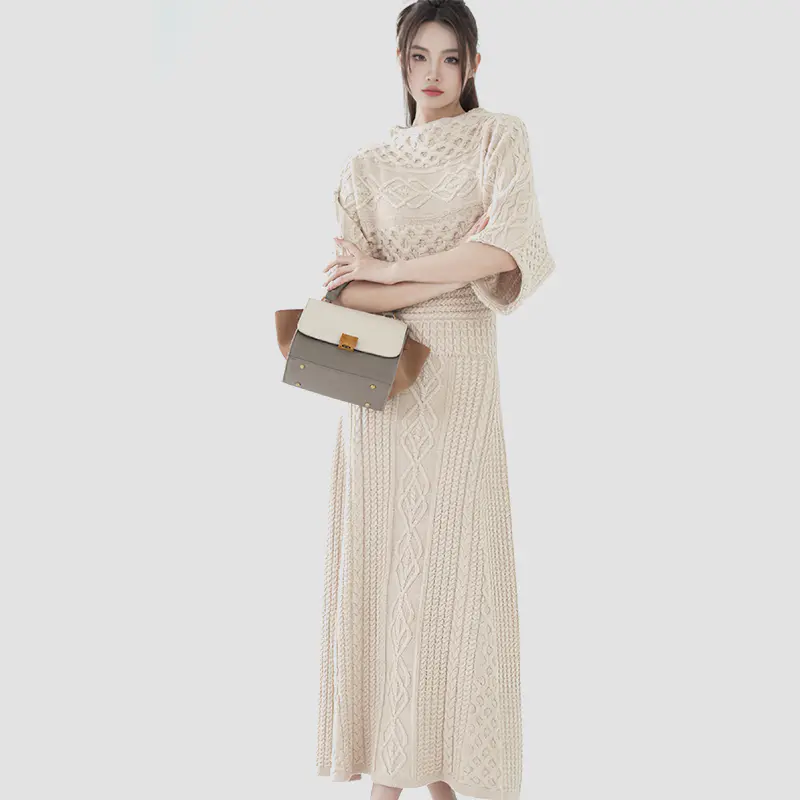
Swing Sweater Dress With Nipped Waist
-
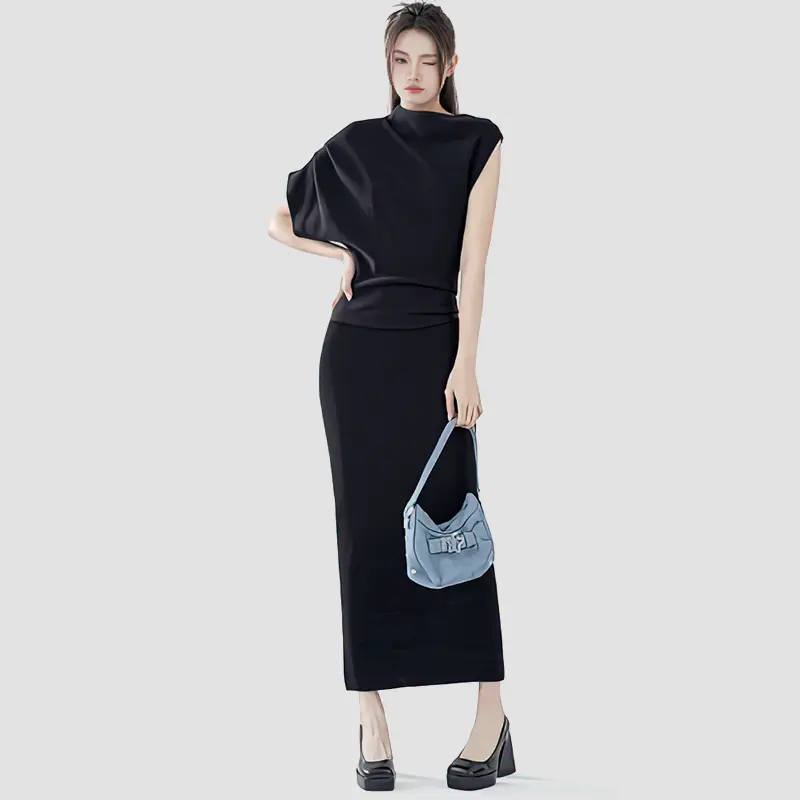
Stylish Asymmetrical Knit Long Dress
-
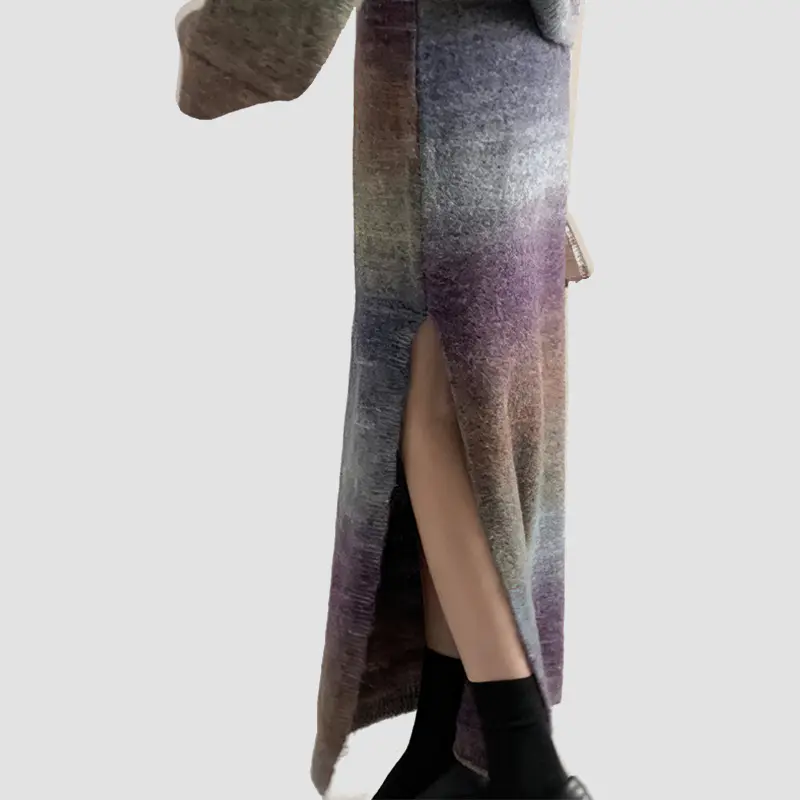
Gradient Color Side Split Half-Length Skirt
-
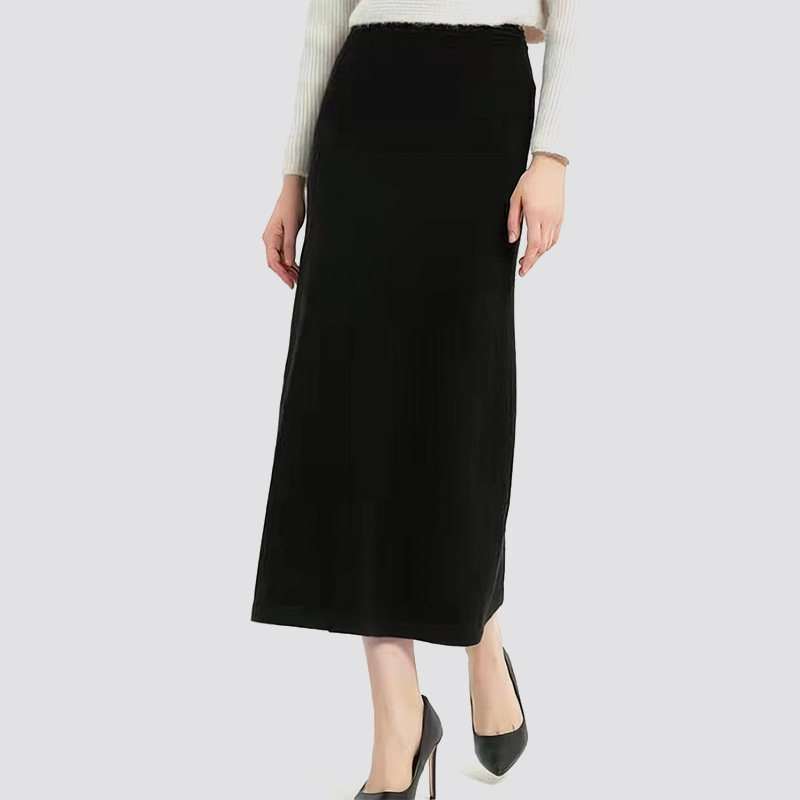
Black A-line Skirt
-
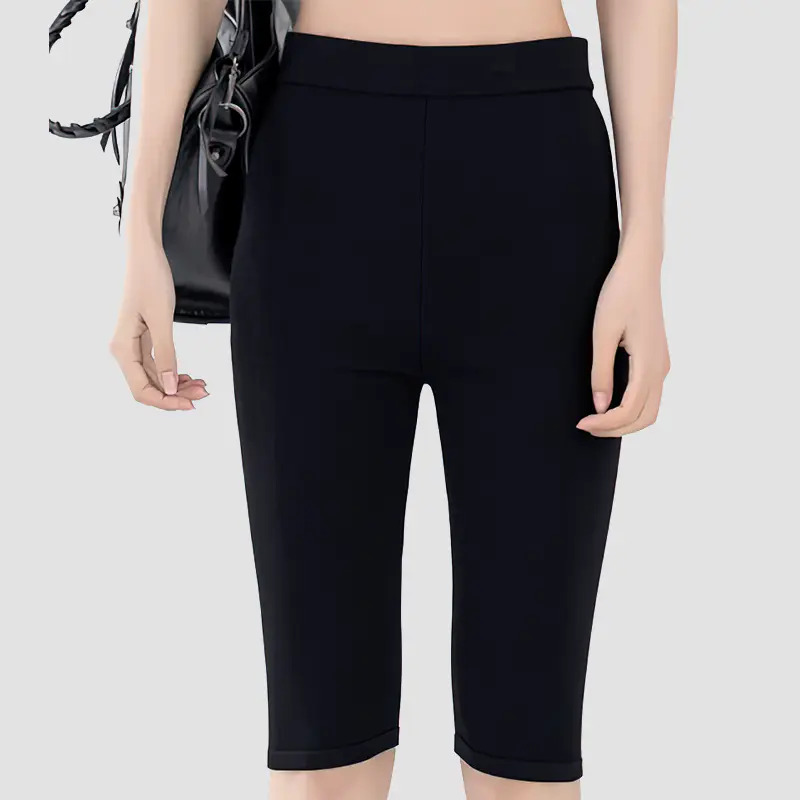
Thin Ice Silk Slimming Leggings
-
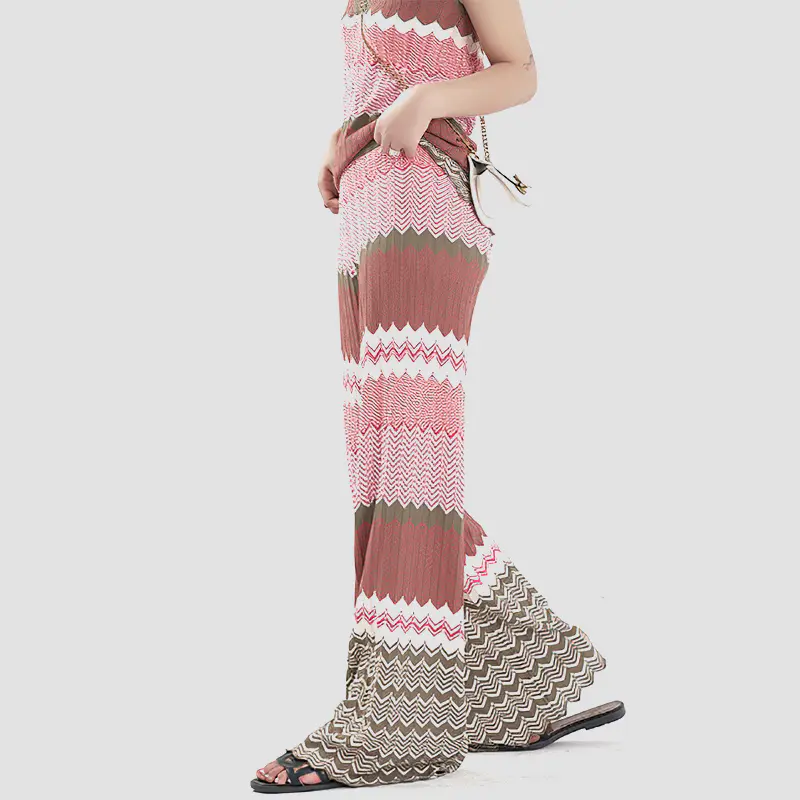
Draped Striped Loose Pants


-

Tel: +86-13913661100
-

Email: frank@sofiafashion.com
-

Add: No.886, Minfeng Road, Xushi Street, Dongbang Town, Changshu, Jiangsu, China
© 2023 Sofia Group. All rights reserved Design Custom Women's Knitted Sweaters Manufacturers
