


 English
 中文简体
中文简体 Español
What Should You Know Before Sourcing Disposable Surgical Flat Masks?
Disposable surgical flat masks remain a core product in the non-woven daily protective products category, used across healthcare facilities, workplaces, and everyday settings where basic barrier protection is needed. While these masks appear simple, their performance depends heavily on the quality of the non-woven fabric layers, filtration efficiency, and construction details that affect both comfort and protective function. This article examines what defines a well-made surgical flat mask and what buyers should consider when sourcing or customizing them.
Content
- 1 Understanding the Layered Construction of a Surgical Mask
- 2 Key Performance Standards for Surgical Flat Masks
- 3 Packaging Formats and Their Practical Uses
- 4 Customization Options for Buyers and Distributors
- 5 Practical Considerations When Sourcing Masks for Cross-Border Trade
- 6 Choosing a Reliable Mask Supplier
Understanding the Layered Construction of a Surgical Mask
A disposable surgical flat mask is not a single piece of material but a layered construction, typically consisting of three non-woven fabric layers bonded together, each serving a distinct function. Understanding what each layer contributes helps clarify why material quality at every stage affects the mask's overall performance.
Outer Layer
The outer layer is typically a spunbond non-woven fabric treated to repel moisture, such as droplets from coughing or sneezing in the surrounding environment. This layer forms the first line of defense against external contaminants while providing a smooth surface suitable for printing or branding when needed.
Middle Filter Layer
The middle layer is usually made of melt-blown non-woven fabric, which has a much finer fiber structure than spunbond material. This fine fiber network is responsible for the mask's bacterial and particle filtration performance, capturing airborne particles as air passes through the mask during breathing.
Inner Layer
The inner layer sits against the wearer's face and is typically made from a soft spunbond non-woven fabric designed for skin comfort. This layer also absorbs moisture from breathing, helping keep the area near the mouth and nose drier during extended wear.
Key Performance Standards for Surgical Flat Masks
Quality surgical masks are evaluated against specific performance benchmarks that determine their suitability for medical and general protective use. Buyers sourcing these products should understand what these standards mean in practical terms.
Bacterial Filtration Efficiency
Bacterial filtration efficiency, often abbreviated as BFE, measures the percentage of airborne bacteria a mask can block. A filtration rate of 95% or higher, as commonly specified for medical-grade masks, indicates the mask provides a meaningful barrier against airborne bacteria, microorganisms, and particles under standardized testing conditions.
Breathability
Breathability, sometimes measured as differential pressure, indicates how easily air passes through the mask during normal breathing. A mask with high filtration but poor breathability can cause discomfort and reduce compliance during extended wear, so manufacturers must balance filtration performance with airflow resistance.
Skin-Friendliness and Fit
A well-designed surgical flat mask should sit comfortably against the face without irritating the skin during prolonged use. Ear loop design is particularly important, since poorly constructed loops can cause discomfort or leave marks after extended wear, which is why many manufacturers focus on soft, wide ear loop materials rather than thin elastic strings.
| Performance Factor | What It Indicates |
| Bacterial filtration efficiency (BFE) | Ability to block airborne bacteria and particles |
| Differential pressure | Ease of breathing through the mask |
| Fluid resistance | Protection against splashes or droplets |
| Ear loop comfort | Wearability during extended use |
Packaging Formats and Their Practical Uses
Disposable surgical flat masks are commonly offered in individual packs and boxed quantities, and the right packaging format depends on the intended distribution channel and end-use setting.
- Individually wrapped masks, suited for retail sale, travel kits, or hygiene-sensitive environments
- Boxed quantities of 50, ideal for clinics, offices, and general workplace use
- Bulk case packaging, commonly used for hospital procurement or large-scale distribution
- Custom-branded packaging, used by distributors seeking private-label products for their own markets

Customization Options for Buyers and Distributors
Beyond standard mask specifications, many manufacturers offer customization options that allow buyers to tailor the product to specific market needs or branding requirements. This flexibility is particularly valuable for distributors targeting distinct customer segments or regional markets with specific preferences.
Size and Fit Variations
Masks can typically be customized in size to accommodate different face shapes, including options designed specifically for smaller faces or children, which broadens the range of customers a distributor can serve with a single product line.
Color and Style Options
While white and light blue remain the most common colors for surgical masks, many manufacturers now offer a range of colors and even printed patterns to appeal to markets where mask color has become a matter of personal style alongside function.
OEM and ODM Cooperation
For buyers seeking a private-label product, OEM and ODM cooperation allows customization ranging from packaging design to specific material specifications based on submitted drawings or samples. This arrangement is particularly useful for businesses entering new markets that require distinct branding to differentiate their product from generic alternatives.
Practical Considerations When Sourcing Masks for Cross-Border Trade
Buyers involved in cross-border trade of disposable surgical flat masks should verify that the manufacturer's filtration and safety claims are backed by recognized testing standards applicable to the destination market, since regulatory requirements can vary between regions. Requesting third-party test reports for bacterial filtration efficiency and material safety helps confirm product claims before committing to a large order. It is also worth clarifying lead times for OEM processing, minimum order quantities, and whether the manufacturer can provide consistent quality across repeat production runs, since these factors directly affect the reliability of an ongoing supply relationship.
Choosing a Reliable Mask Supplier
Selecting a disposable surgical flat mask supplier goes beyond comparing unit prices. Evaluating the quality of the non-woven fabric layers, confirming filtration performance through verifiable test data, and understanding available customization and OEM options all contribute to a more informed sourcing decision. For buyers building a long-term supply relationship, prioritizing manufacturers who can demonstrate consistent quality control alongside flexible customization capabilities offers the best foundation for meeting both current and future market demands.
Recommended Products
-

Cashmere handfeel Dark Green Wool Sweater
-

Orange Loose Neck Pullover Sweater
-
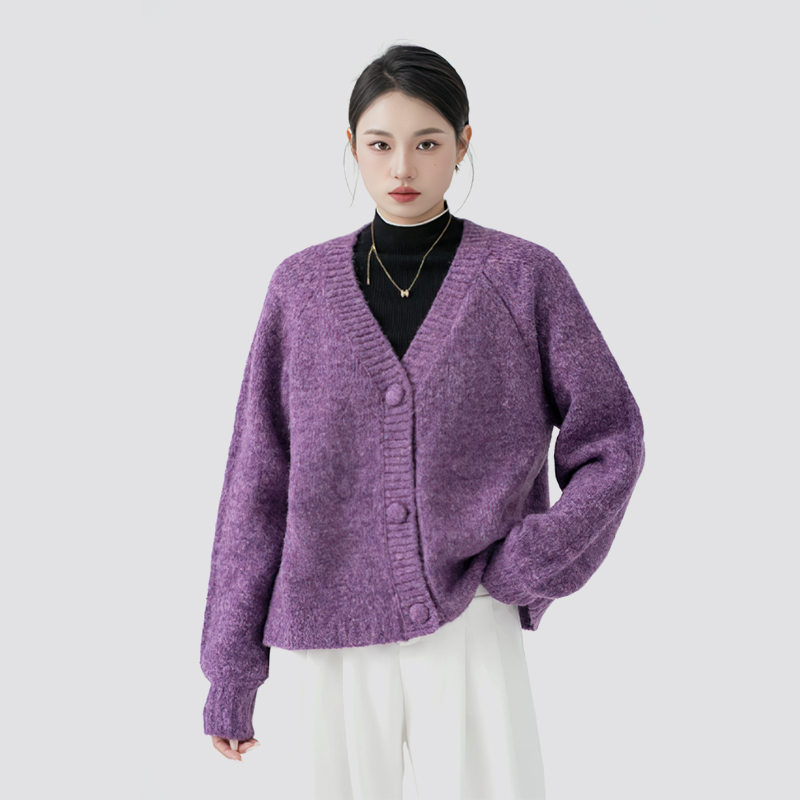
Romantic Purple Cardigan
-

Fur Lapel Lace-up Cardigan
-

Cut Out Knitted Tank Top
-

V-Neck Knitted Tank Top
-

Swing Sweater Dress With Nipped Waist
-

Stylish Asymmetrical Knit Long Dress
-
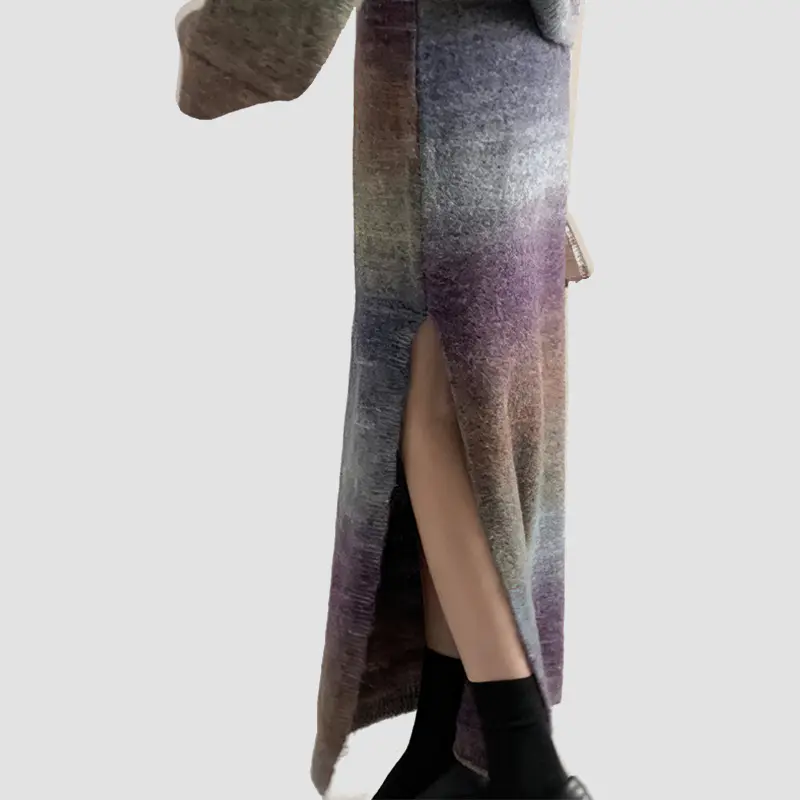
Gradient Color Side Split Half-Length Skirt
-

Black A-line Skirt
-

Thin Ice Silk Slimming Leggings
-

Draped Striped Loose Pants


-

Tel: +86-13913661100
-

Email: frank@sofiafashion.com
-

Add: No.886, Minfeng Road, Xushi Street, Dongbang Town, Changshu, Jiangsu, China
© 2023 Sofia Group. All rights reserved Design Custom Women's Knitted Sweaters Manufacturers
