


 English
 中文简体
中文简体 Español
What Should You Look for When Buying a Knit Dress This Spring/Summer?
Content
- 1 Why Knit Dresses Dominate Spring and Summer Wardrobes
- 2 Understanding Knit Fabric Types
- 3 Key Style Categories to Consider
- 4 How to Evaluate Fit Before You Buy
- 5 Spring vs. Summer: Choosing the Right Weight
- 6 Color and Print Considerations for Warm Weather
- 7 What to Look for in Construction Quality
- 8 Caring for Your Knit Dress to Make It Last
- 9 Budget Guide: What Different Price Points Deliver
Why Knit Dresses Dominate Spring and Summer Wardrobes
Knit dresses have earned a permanent place in warm-weather wardrobes for good reason. Unlike woven fabrics that can feel stiff or restrictive, knit construction gives the fabric a natural stretch and recovery, meaning it moves with your body rather than against it. Whether you're heading to a farmers market, a rooftop dinner, or a beach boardwalk, a well-chosen knit dress adapts to almost every setting. The challenge for most shoppers isn't whether to buy one — it's knowing which version to choose from the dozens of options flooding stores each spring. This guide breaks down everything you need to make a confident, informed purchase.
Understanding Knit Fabric Types
Not all knit fabrics are created equal. The fiber content and knit structure determine how a dress feels against your skin, how it performs in heat, and how long it stays looking good after repeated washing. Before buying, always check the fabric label.
Cotton and Cotton Blends
Cotton jersey is the most common knit fabric for summer dresses. It's breathable, soft, and widely available at various price points. A cotton-spandex blend (typically 95% cotton, 5% elastane) adds just enough stretch to maintain shape and prevent bagging at the knees or elbows. Pure cotton knits, however, can shrink in the wash and may lose their shape faster — something to factor into your long-term wear plans.
Rayon and Viscose
Rayon and viscose knits have a slightly silky drape that feels luxurious and looks polished. They're a popular choice for midi and maxi knit dresses because the fabric flows gracefully. The tradeoff is that rayon can be more delicate — it's often hand-wash only and can stretch out when wet. If you're looking for an elevated look without the price tag of natural silk, rayon knit delivers that aesthetic well.
Linen Knit
Linen knit is a newer innovation that combines the breathability of linen with the flexibility of a knit structure. It's an excellent choice for humid climates because linen naturally wicks moisture and dries quickly. Linen knit dresses tend to have a more relaxed, textured appearance rather than a sleek finish — which gives them a casual-chic quality perfect for warm-weather travel or weekend outings.
Key Style Categories to Consider
Spring/summer knit dresses come in a wide range of silhouettes. Knowing which style suits your body and lifestyle makes the selection process much more efficient.
| Style | Best For | Occasion |
| Bodycon | Defined waist, fitted look | Evening out, date night |
| Shift / T-shirt Dress | Relaxed, straight silhouette | Casual daywear, errands |
| Wrap Knit | Adjustable waist definition | Work, brunch, travel |
| Midi / Maxi Knit | Flowing, elongated coverage | Vacation, resort, events |
| Smocked Knit | Stretchy gathered waist/bodice | Beach, summer festivals |
How to Evaluate Fit Before You Buy
Fit is arguably the most important factor in a knit dress purchase. Because knits stretch, many shoppers underestimate how the dress will actually look when worn. Here's what to assess carefully:
- Shoulder seams: These should sit exactly at the edge of your shoulder. If they drop off or sit too high, the overall proportions of the dress will be off regardless of how well the rest fits.
- Chest and bust area: For bodycon or fitted knit dresses, check that the fabric lies flat without pulling or gaping. If you see horizontal tension lines across the bust, size up.
- Hip and thigh ease: A knit dress should skim the hips comfortably. You want some ease — meaning the fabric doesn't cling so tightly that movement feels restricted.
- Length after stretch: Always try moving and sitting in a knit dress before buying. Knit hems can ride up several inches when you walk or sit, especially bodycon styles.
- Fabric transparency: Lighter-colored or thinner knits may become see-through when stretched. Hold the fabric up to light or gently tug it to test opacity before committing.
Spring vs. Summer: Choosing the Right Weight
One nuance that many shoppers overlook is fabric weight. Spring and summer have meaningfully different temperature ranges, and the right knit dress for a breezy April day may feel stifling in July heat.
For spring, look for medium-weight knits — typically cotton-modal blends or light sweater knits. These provide enough warmth for cooler mornings while still being comfortable by afternoon. Ribbed knit dresses in particular are a spring staple because the rib structure adds a subtle layer of insulation without bulk.
For summer, prioritize lightweight and open-structure knits. Slub cotton knit, pointelle knit (with small decorative holes), and tissue-weight jersey are all excellent choices. These fabrics promote air circulation and prevent the trapped heat that makes warm-weather dressing uncomfortable. If you live in a particularly humid region, linen knit or moisture-wicking performance knit fabrics are worth the investment.
Color and Print Considerations for Warm Weather
Color choice in warm weather isn't just aesthetic — it's practical. Darker colors absorb more heat from sunlight, making black or navy knit dresses less comfortable on very hot days. Light neutrals like white, cream, sage, and soft coral reflect heat and tend to be more seasonally appropriate for peak summer months.
That said, a versatile spring/summer knit dress wardrobe benefits from a mix of solids and prints. Solid colors offer more styling flexibility — they layer easily under denim jackets in spring and pair with sandals or sneakers in summer. Prints like florals, abstract brushstrokes, or geometric patterns add personality and are particularly useful for vacation packing, as a printed dress requires fewer accessories to look complete.
If you're buying just one or two knit dresses for the season, a medium-toned solid — dusty lilac, terracotta, or chambray blue — tends to offer the best balance between versatility and seasonal relevance.
What to Look for in Construction Quality
A knit dress that looks great on the rack can fall apart after a few washes if the construction is poor. These are the specific quality indicators worth checking before purchasing:
- Stitch consistency: Run your fingers along the seams. Stitches should be even and tight with no loose threads or skipped stitches, especially at stress points like underarms and the hem.
- Serged interior seams: Look inside the dress. Quality knit garments have serged (overlocked) interior seams that prevent fraying and hold up to repeated stretching.
- Hem finishing: The hem should be even and flat — not wavy or puckered. A coverstitch hem is the gold standard for knit garments as it maintains elasticity and holds its shape through washing.
- Pilling resistance: Rub two sections of the fabric together firmly for a few seconds. If small fiber balls (pills) begin to form immediately, the fabric has low durability and will look worn quickly.
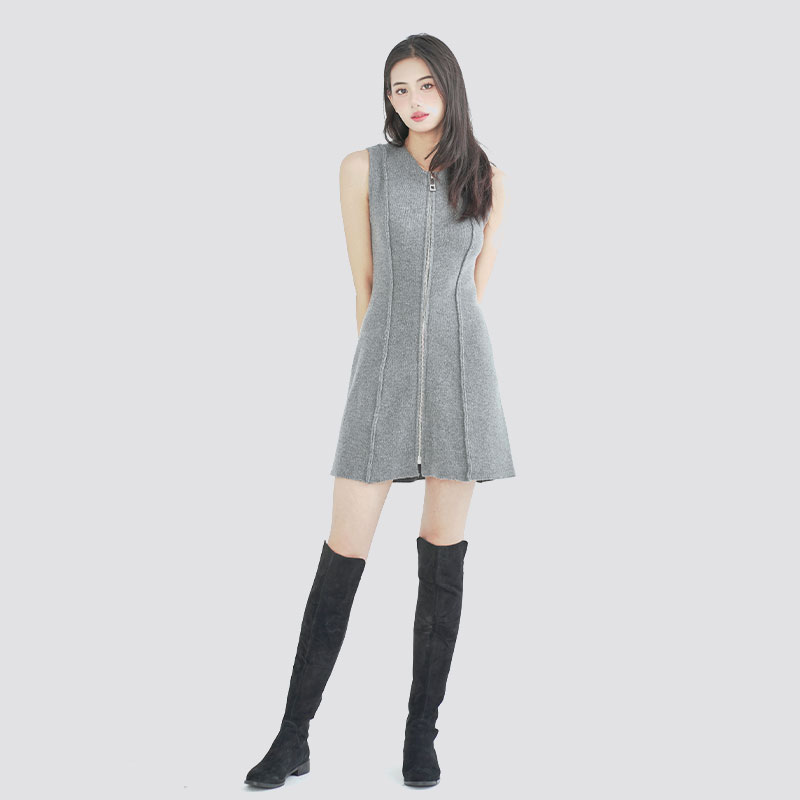
Caring for Your Knit Dress to Make It Last
Proper care dramatically extends the life of a knit dress. Even if a label says machine washable, a few extra precautions will keep the fabric looking better for longer.
- Wash knit dresses in cold water on a gentle or delicate cycle to prevent shrinkage and fiber breakdown.
- Turn the dress inside out before washing to protect the outer surface from friction and color fading.
- Avoid wringing or twisting wet knit fabric — gently press out excess water instead to preserve the shape.
- Lay flat to dry whenever possible. Hanging a wet knit dress causes it to stretch under its own weight, especially at the shoulders and hem.
- Store folded, not on hangers. Knit garments hung long-term develop shoulder bumps and distortion at the neckline.
Budget Guide: What Different Price Points Deliver
Knit dresses are available across a wide price spectrum. Understanding what you realistically get at each tier helps you allocate your budget wisely rather than overpaying or being disappointed by a cheap buy.
- Under $40: Fast fashion options in this range often use lower GSM (grams per square meter) fabric that's lighter and less durable. Fine for trend-driven purchases you don't expect to wear more than one or two seasons.
- $40–$90: The mid-range sweet spot. Brands at this price point typically offer better fabric weight, improved construction, and more thoughtful sizing. Expect dresses that last two to four seasons with proper care.
- $90–$200+: Premium knit dresses in this range often use organic or sustainably sourced fibers, have superior stitch quality, and are designed with more refined silhouettes. Worth the investment if you wear dresses frequently and want a long-term wardrobe piece.
Regardless of budget, always prioritize fit and fabric content over brand name. A well-fitting $50 cotton knit dress will serve you better than an ill-fitting designer piece that sits unworn in your closet.
Recommended Products
-
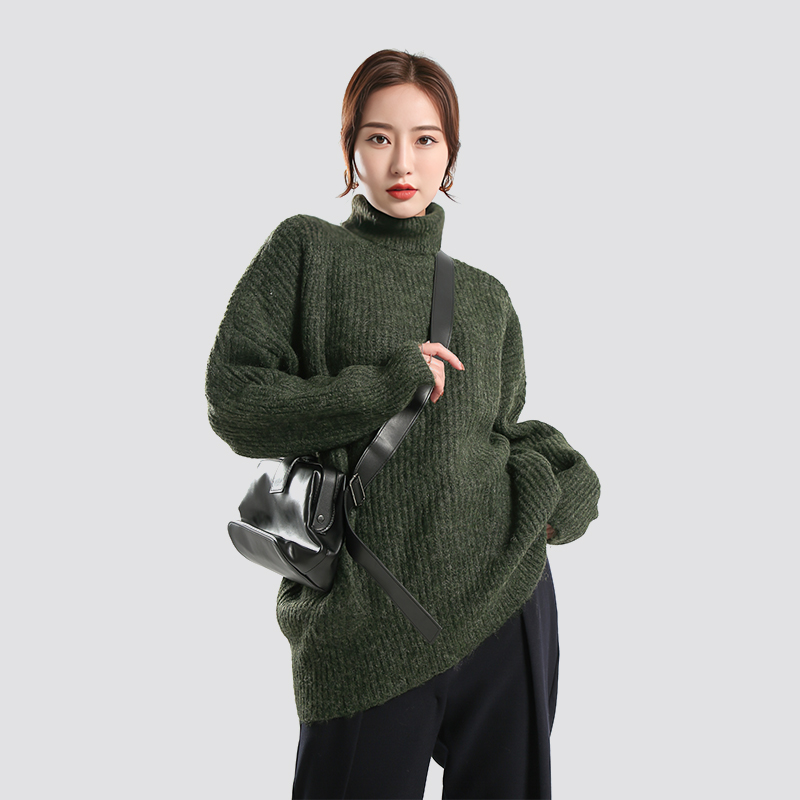
Cashmere handfeel Dark Green Wool Sweater
-
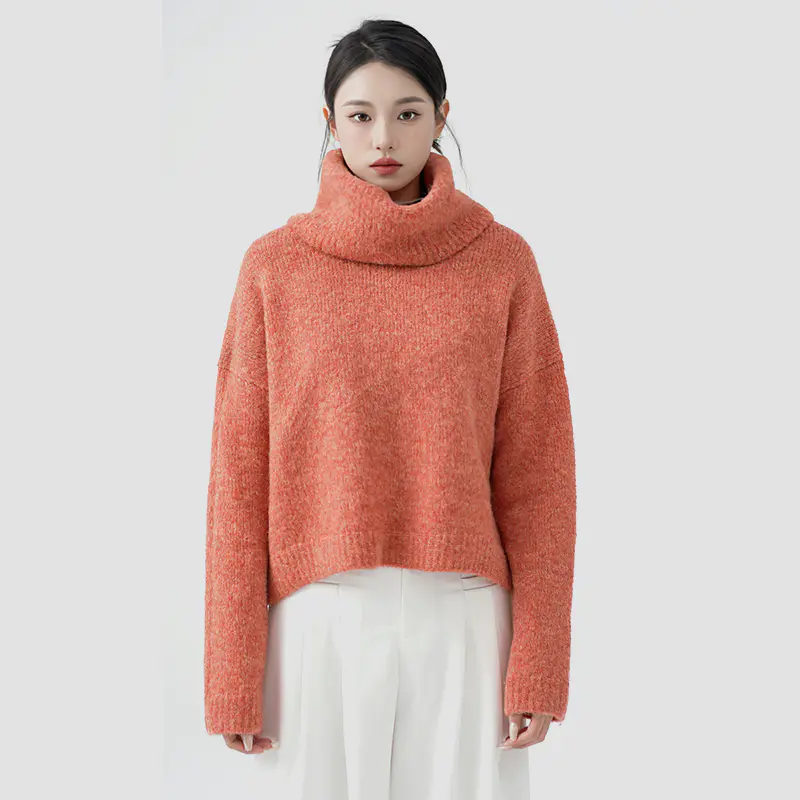
Orange Loose Neck Pullover Sweater
-
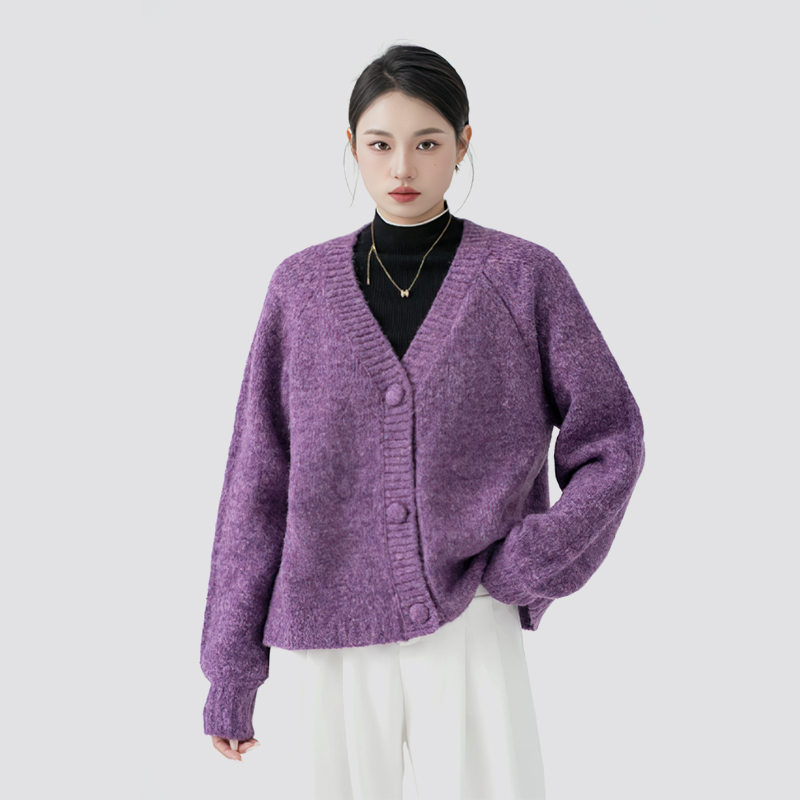
Romantic Purple Cardigan
-
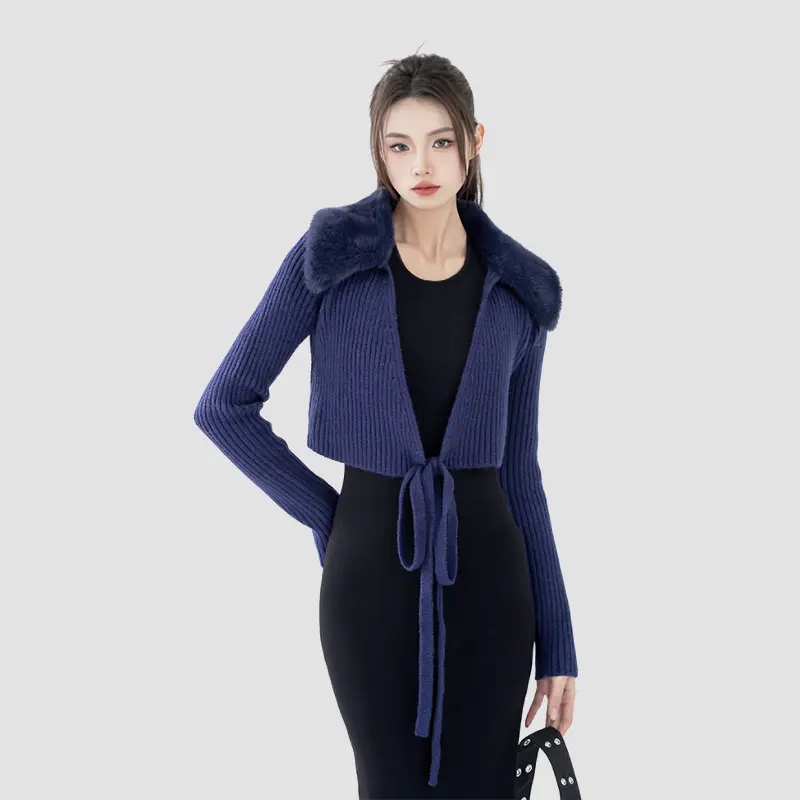
Fur Lapel Lace-up Cardigan
-
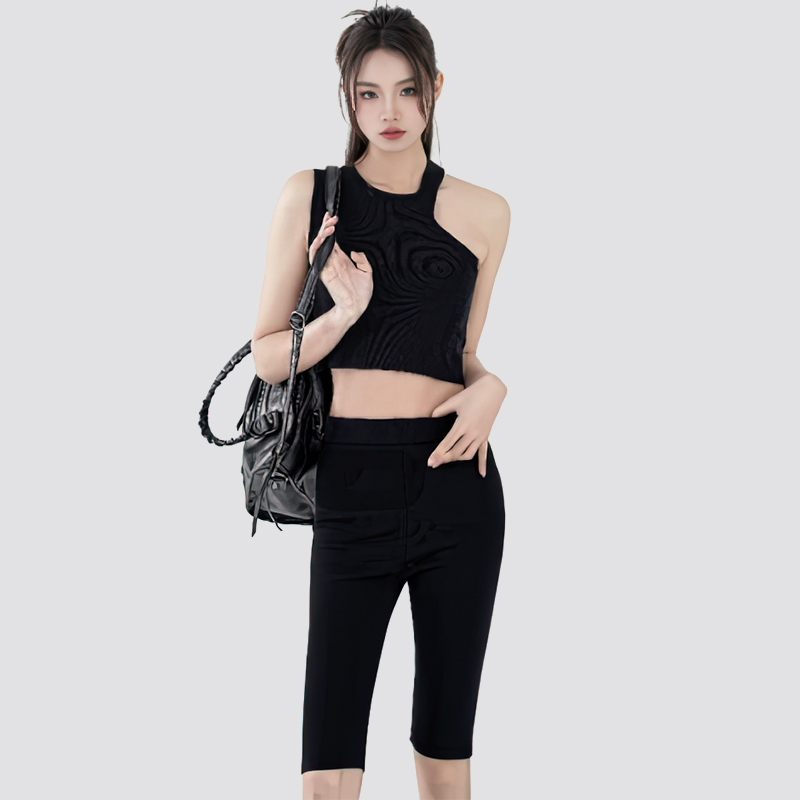
Cut Out Knitted Tank Top
-
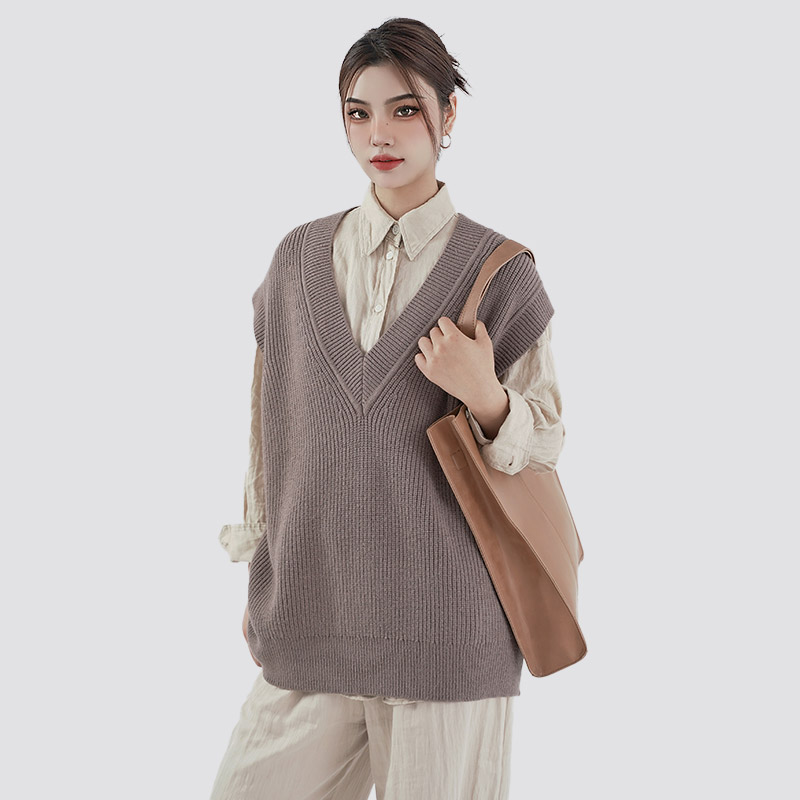
V-Neck Knitted Tank Top
-
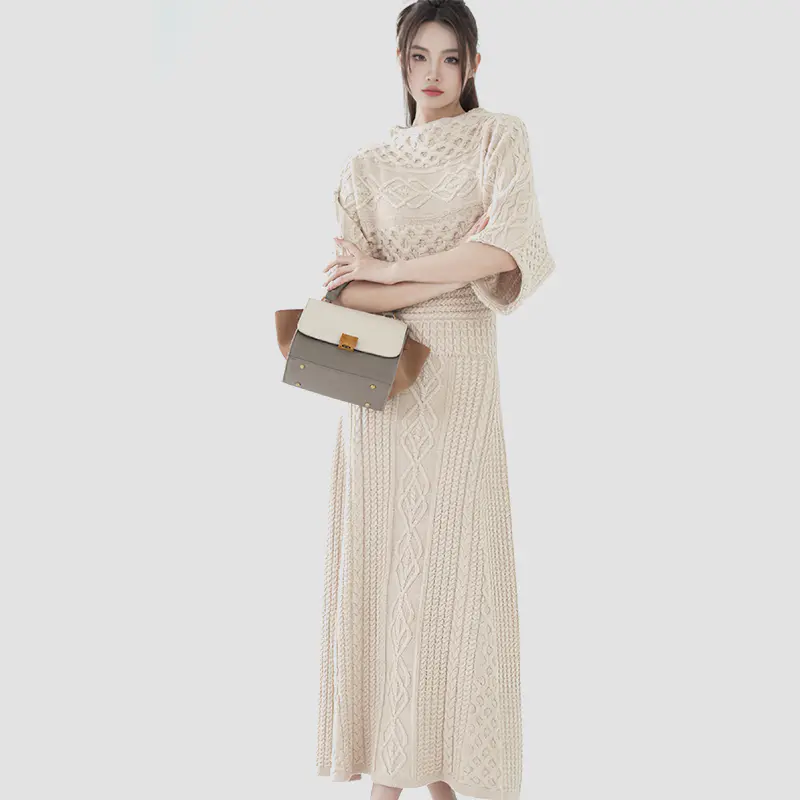
Swing Sweater Dress With Nipped Waist
-
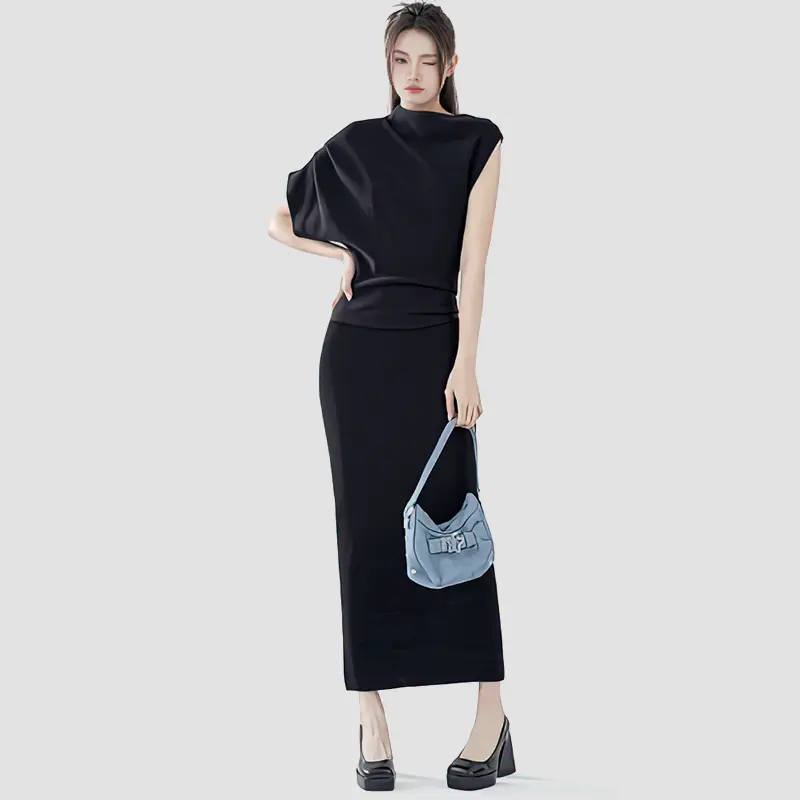
Stylish Asymmetrical Knit Long Dress
-
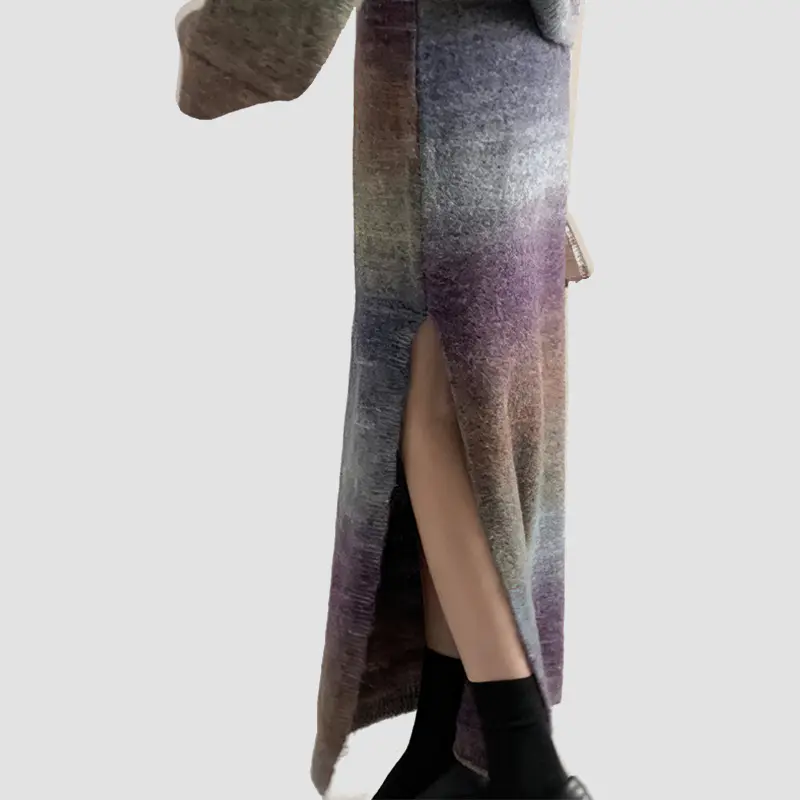
Gradient Color Side Split Half-Length Skirt
-
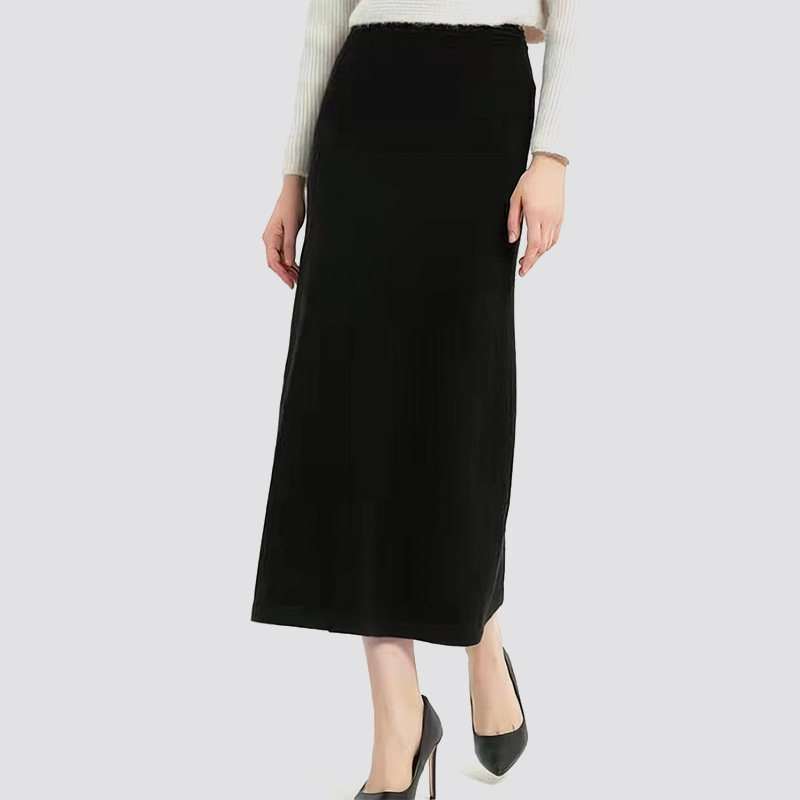
Black A-line Skirt
-
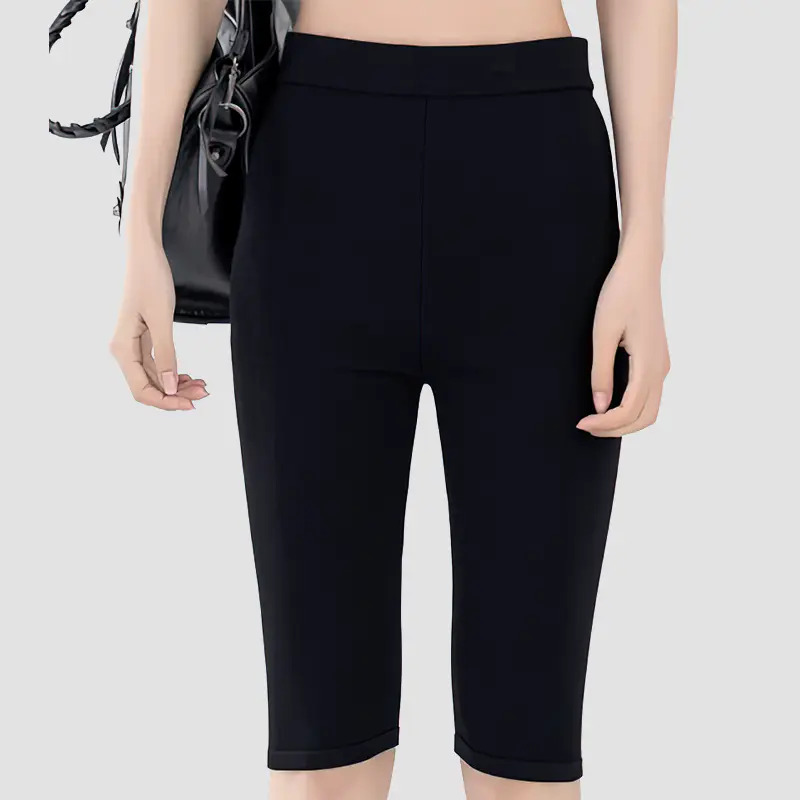
Thin Ice Silk Slimming Leggings
-
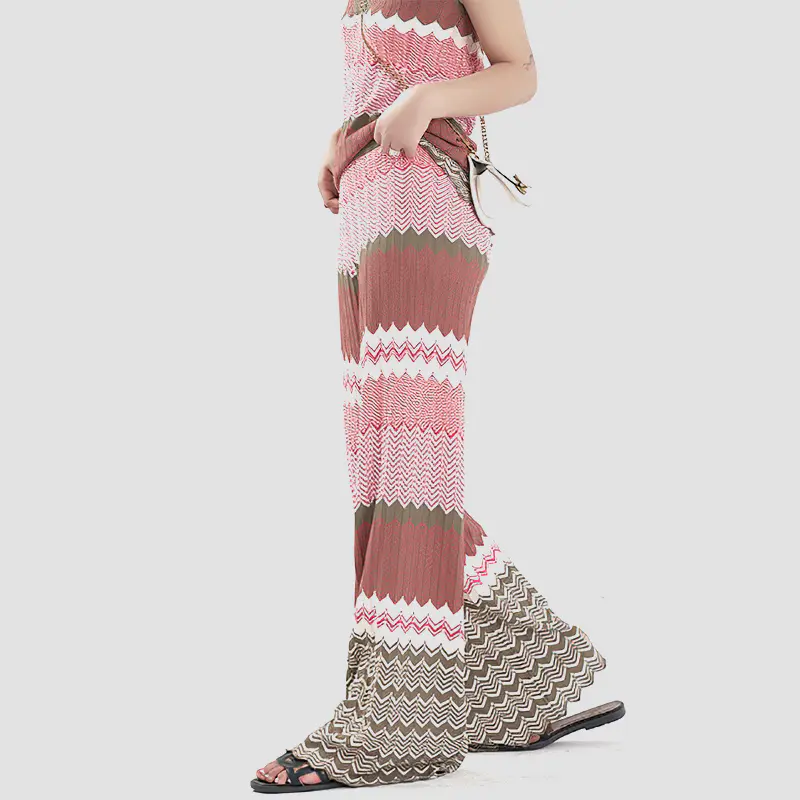
Draped Striped Loose Pants


-

Tel: +86-13913661100
-

Email: frank@sofiafashion.com
-

Add: No.886, Minfeng Road, Xushi Street, Dongbang Town, Changshu, Jiangsu, China
© 2023 Sofia Group. All rights reserved Design Custom Women's Knitted Sweaters Manufacturers
