


 English
 中文简体
 Español
Custom Varsity Sweater Manufacturing: Yarn, Lettering, Fit & Bulk Production
Ask anyone who has worn a varsity sweater for a season or two and they will tell you the same thing: it is not the letter on the chest that makes it memorable, it is the way the knit sits on the shoulders, how the ribbing holds its shape after twenty washes, and whether the chenille still lies flat after a year of locker rooms and long bus rides. Those qualities are decided long before the first stitch, at the point where someone chooses a yarn count, a gauge and a trim width. That is the part of custom knitwear we have spent years learning, and it is the part worth explaining properly.
Content
- 1 What Makes a Varsity Sweater a Varsity Sweater
- 2 Choosing the Yarn: The Decision That Shapes Everything Else
- 3 Lettering, Patches and Trim: Where the Character Lives
- 4 Getting the Fit Right: Silhouette, Grading and Shrinkage
- 5 From Sketch to Bulk: The Development Sequence
- 6 What to Check Before the Bulk Run Is Approved
- 7 Care Advice Worth Passing to Your Customers
- 8 Working With a Knitwear Factory
What Makes a Varsity Sweater a Varsity Sweater
The classic silhouette comes out of collegiate sport: a pullover, usually V-neck or crew, worn over a shirt, with contrast stripes at the collar, cuffs and hem, and a letter or emblem applied to the chest. Sometimes the sleeves carry chevrons, sometimes the body carries a knit-in stripe, and often the whole garment is finished with a slightly boxy body and a dropped shoulder so it layers easily.
A custom program takes that template and replaces every default with a decision of yours: fiber, color, gauge, neckline depth, trim width, lettering method, label placement, size range and packing. None of those choices exist in isolation. A heavy chenille letter needs a stable body panel underneath it. A soft lambswool body needs a rib that will not collapse. Getting a custom varsity sweater right is mostly a matter of making those choices agree with one another.
Choosing the Yarn: The Decision That Shapes Everything Else
Fiber choice drives hand feel, warmth, pilling behavior, color brilliance and price, and it also constrains your lettering options. A soft, lofty lambswool gives that dense, traditional weight but can fuzz under a stiff patch. A tighter cotton or cotton-blend yarn holds a crisp surface that suits appliqué and embroidery, though it feels cooler and less "stadium" in the hand.
| Fiber or blend | Hand feel | Warmth | Pilling resistance | Typical program |
|---|---|---|---|---|
| Lambswool | Springy, dense | High | Moderate | Traditional collegiate look |
| Merino wool | Fine, smooth | High | Good | Premium retail and gifting |
| Cotton | Crisp, cool | Low | Good | Year-round school and club wear |
| Cotton and acrylic blend | Soft, stable | Medium | Good | High-volume team orders |
| Acrylic | Light, bright | Medium | Fair | Budget-sensitive campaigns |
| Recycled wool blend | Textured, rustic | Medium to high | Moderate | Sustainability-led collections |
Gauge matters as much as fiber. A 3-gauge or 5-gauge knit gives the heavy, structured panel most people picture when they imagine a varsity sweater, while a 12-gauge knit produces a lighter, smoother surface that works better for finer lettering and slimmer bodies. We usually ask clients to handle two or three swatches before committing, because a photo of a color never conveys weight.
 Knitted Pullovers in Varied Necklines, Fits, and StylesBrowse women’s pullovers across round, V-neck, turtleneck and hooded styles, with loose to slim fits and OEM/ODM customization from drawings or samples.View Product →
Lettering, Patches and Trim: Where the Character Lives
The chest application is where custom varsity sweaters either look expensive or look like merchandise. There are four routes, and each has a different feel and a different production implication.
- Chenille lettering: tufted, soft and three-dimensional, the most traditional option. Weight and pile height must be matched to the body yarn, and a stable backing keeps the edges from curling.
- Tackle twill appliqué: stitched down, sharp-edged and graphic, excellent for large multi-layer crests.
- Embroidery: the most flexible for fine detail, small text and updated logos, and the easiest to reproduce across repeat orders.
- Knit-in jacquard: the letter is formed by the machine itself, so there is no patch to lift or pucker. It is the most durable and the most subtle, and it demands the longest development window.
Trim deserves equal attention. A single contrast stripe at the collar reads preppy, two stripes read more athletic, and a wider rib with elastane holds its recovery far better across a full size run. We generally recommend testing rib recovery on a washed sample rather than a flat one, since that is where cheap trim reveals itself.
 Autumn and Winter Gray V-Neck Pullover TopGray V-neck pullover top for autumn and winter, presented as a classic, simple fashion piece with supplier customization available from customer drawings or samples.View Product →
Getting the Fit Right: Silhouette, Grading and Shrinkage
Varsity sweaters live in a narrow band between "comfortably roomy" and "borrowed from a much larger person." The difference usually comes down to three measurements: chest ease, body length from the high point of shoulder, and the depth of the V. A V that sits too high closes the neck and defeats the layering purpose; one that drops too low gaps open when the wearer moves.
Grading is where a custom program earns or loses its reputation. Youth and adult sizing should be built as one coherent set, not two unrelated blocks, and the rib width should scale with the body so the hem does not look disproportionately thin on a large size. Always agree a shrinkage allowance before the first sample, because a wool body that fits perfectly before washing may shorten noticeably after the first cold wash. Written tolerances, typically plus or minus one centimeter on key points, prevent arguments later.
Cardigan versions of the same look follow identical logic, with the addition of button spacing and placket stability. A buttonless V-neck cardigan is a useful option for warmer markets or for layering programs where closures add cost without adding value.
 Buttonless 3/4-Sleeve V-Neck Cardigan in Latte BeigeA buttonless V-neck cardigan with 3/4 sleeves and dropped shoulders, made from blended yarns in latte beige for relaxed layering from office to casual wear.View Product →
From Sketch to Bulk: The Development Sequence
Most custom varsity sweater programs follow the same path. Timelines vary with gauge, yarn availability and lettering method, but the order rarely changes.
- Brief and reference: silhouette, target market, size range, price band and delivery window.
- Yarn and color development: lab dips against your reference, plus a yarn confirmation swatch in the intended gauge.
- Structure specification: stitch type, trim construction, neckline depth and lettering method locked in writing.
- First sample: a fit prototype, often in a stock color, to check silhouette before committing to dyed yarn.
- Fit review and revision: measurement corrections, neckline adjustment, trim width changes.
- Pre-production sample: the final garment with correct yarn, correct colors, correct patch and correct labels.
- Bulk knitting, linking and finishing: panel knitting, seam assembly, washing, pressing and trim attachment.
- Inspection and packing: measurement audit, visual check, folding, polybag and carton marking.
Skipping step six is the most common cause of disappointment in custom knitwear. The pre-production sample is the garment everyone agrees on, and it becomes the reference for the whole run.
What to Check Before the Bulk Run Is Approved
A varsity sweater has more failure points than a plain pullover, because the lettering, trim and body all have to hold together. Before bulk production, ask for evidence on the following:
- Stitch density and gauge consistency across panels, with no needle lines or dropped stitches.
- Spirality, meaning the garment should not twist after washing.
- Pilling performance on an abrasion test, especially for lambswool and recycled blends.
- Colorfastness to washing, rubbing and light, which matters most on deep navy, black and red.
- Shrinkage and rib recovery measured after a standard wash cycle, not before.
- Patch adhesion and edge stability after repeated handling.
- Measurement audit against the approved specification, run on a sample drawn across the sizes.
A factory that can show you these results in writing, and explain what it does when a result falls outside the tolerance, is generally a factory that will not surprise you mid-shipment.
Care Advice Worth Passing to Your Customers
Custom knitwear earns its reputation in the wash. The instructions we give most often are simple: turn the garment inside out, wash cold on a gentle cycle or by hand, avoid bleach and fabric softener, and never tumble dry. Reshape while damp and dry flat, because hanging a wet wool sweater will stretch the shoulders permanently. Fold rather than hang for storage, and use a knit comb or a small de-pilling tool rather than pulling at pills. Sharing these four sentences on your product page reduces returns more than almost any other piece of copy.
Working With a Knitwear Factory
Custom varsity sweaters are a development project, not a catalog order, so the working relationship matters. Come with a clear brief, a realistic target price and a delivery window, and ask early about minimum order quantities per color, sampling fees, and whether sampling time is credited against the bulk order. Be explicit about who owns the artwork and the pattern.
Our own team has been knitting sweaters for brands, schools, clubs and retailers since the company was founded, in a 9,600 square meter facility in Changshu with a workforce of 150 people producing men's, women's and children's knitwear. You can read more about how we work, and when you have a project in mind, the fastest route is to tell us the silhouette, the quantity and the deadline through our contact page.
What we would tell any buyer is this: decide the yarn and the lettering first, agree the fit on paper, and approve a physical sample before a single bulk panel is knitted. Do those three things and the sweater that arrives in your warehouse will still look like the one in the photograph a year later, which is, in the end, the whole point of a varsity sweater.
Recommended Products
-
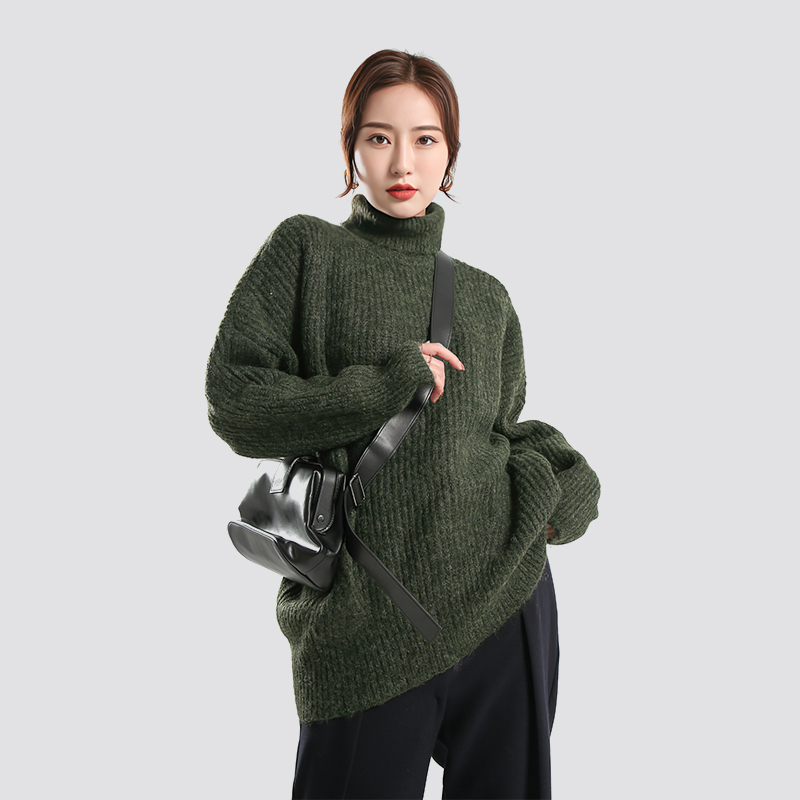
Cashmere handfeel Dark Green Wool Sweater
-
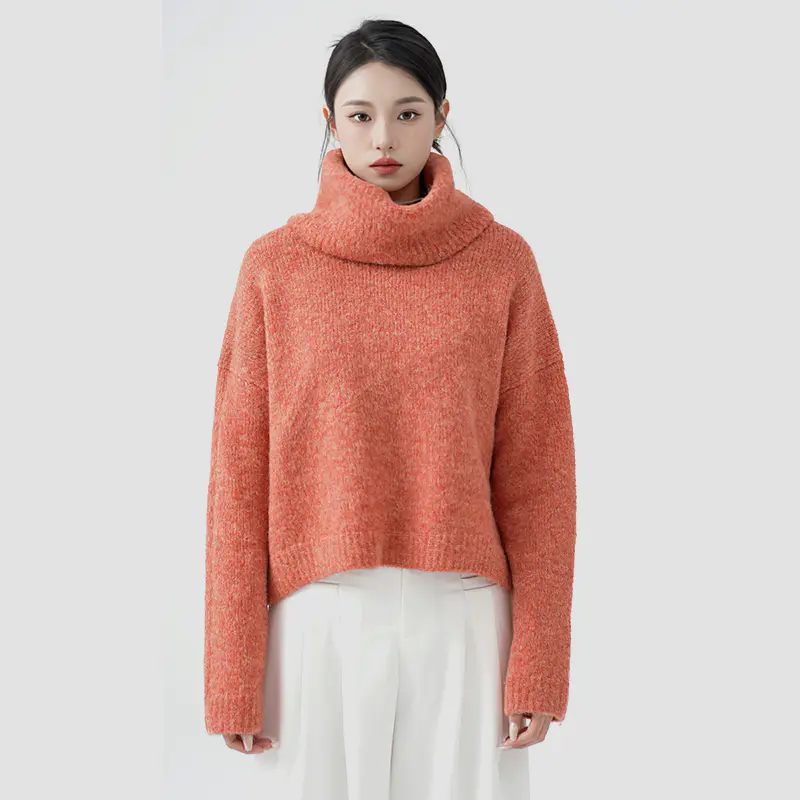
Orange Loose Neck Pullover Sweater
-
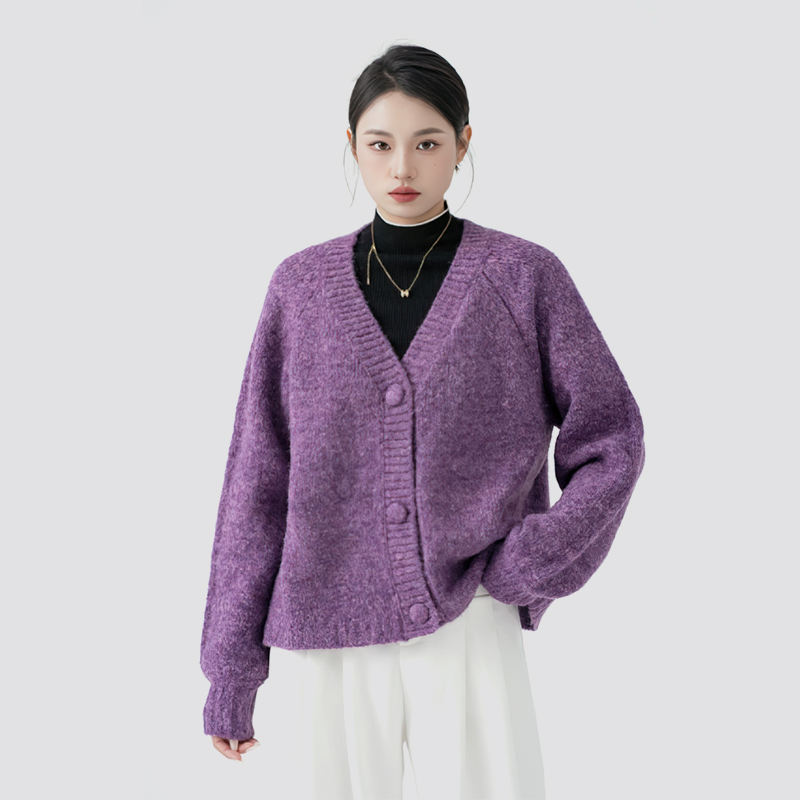
Romantic Purple Cardigan
-
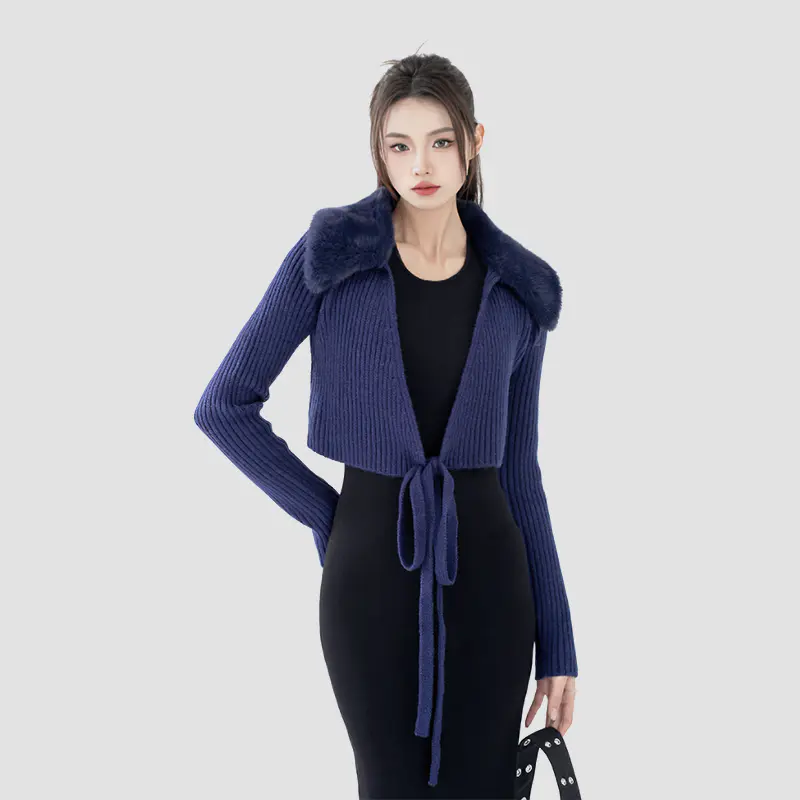
Fur Lapel Lace-up Cardigan
-
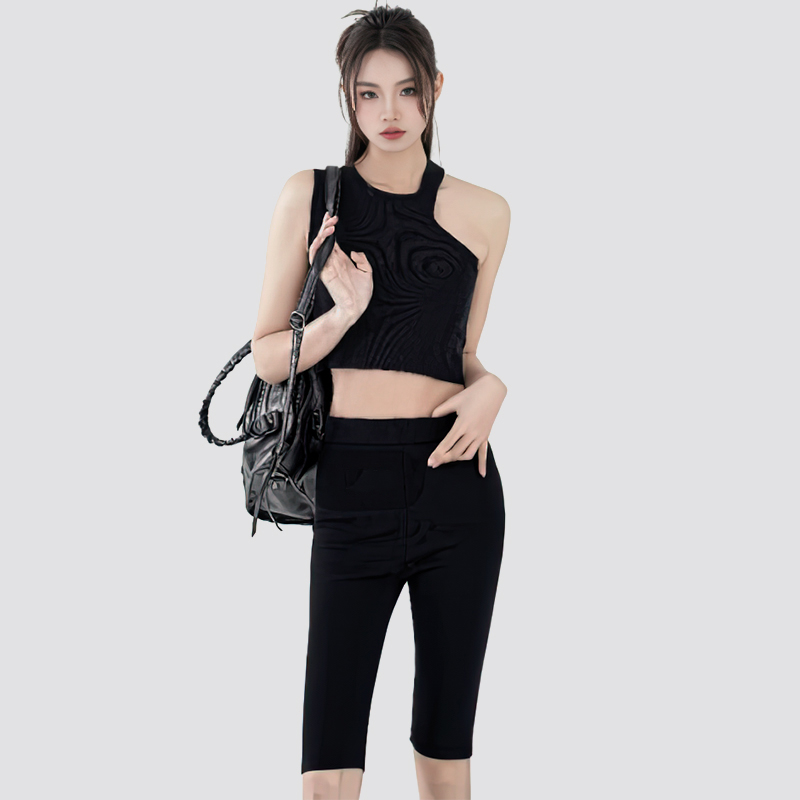
Cut Out Knitted Tank Top
-
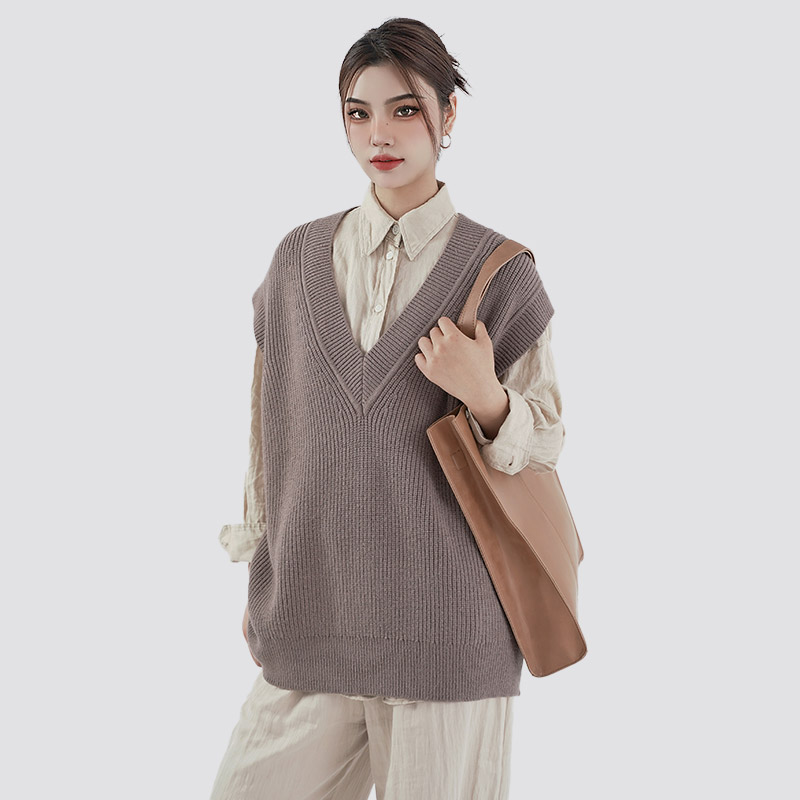
V-Neck Knitted Tank Top
-
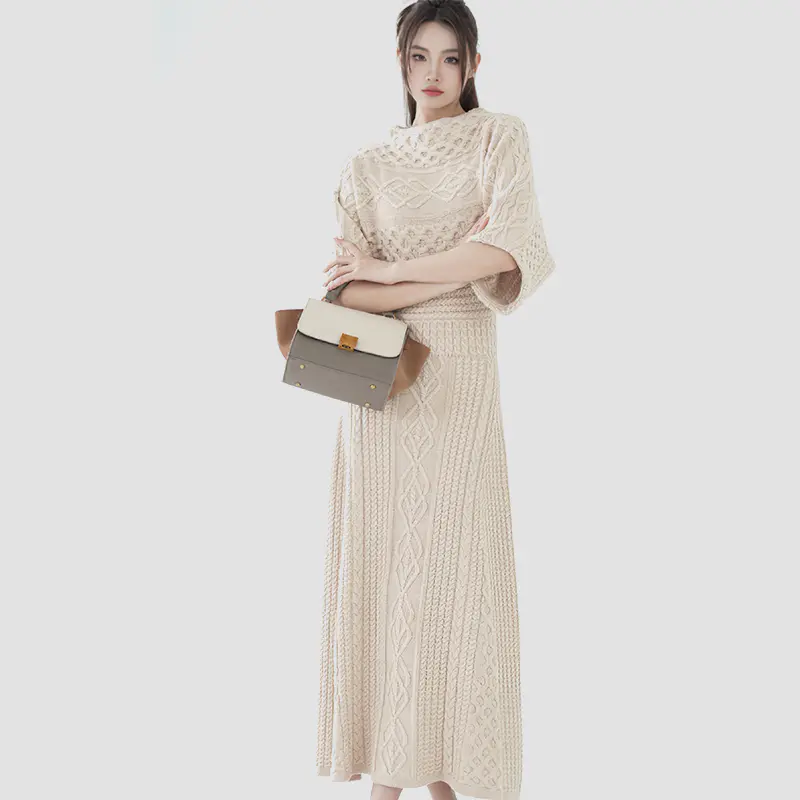
Swing Sweater Dress With Nipped Waist
-
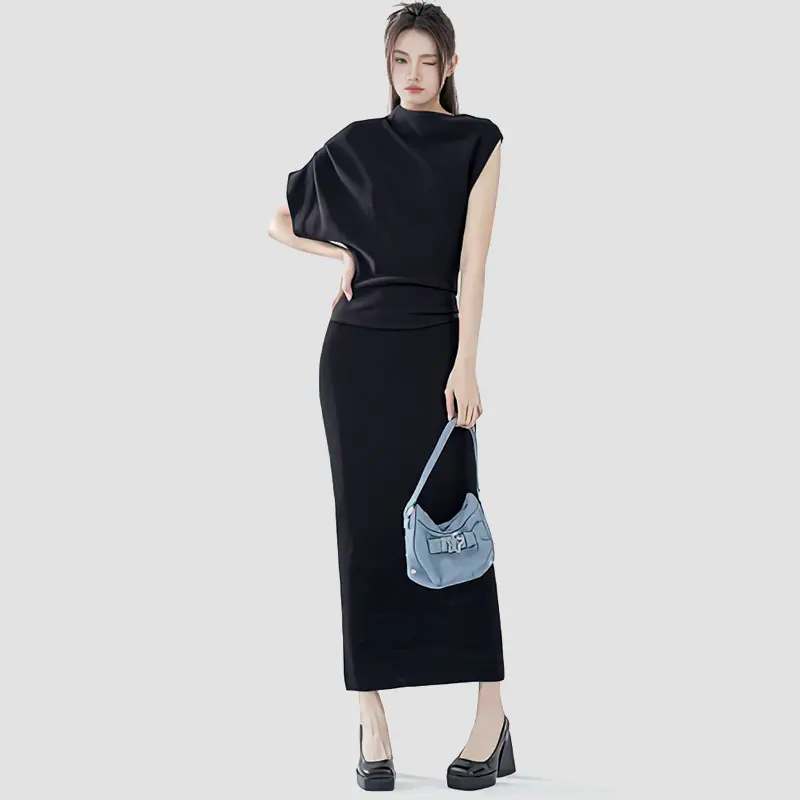
Stylish Asymmetrical Knit Long Dress
-
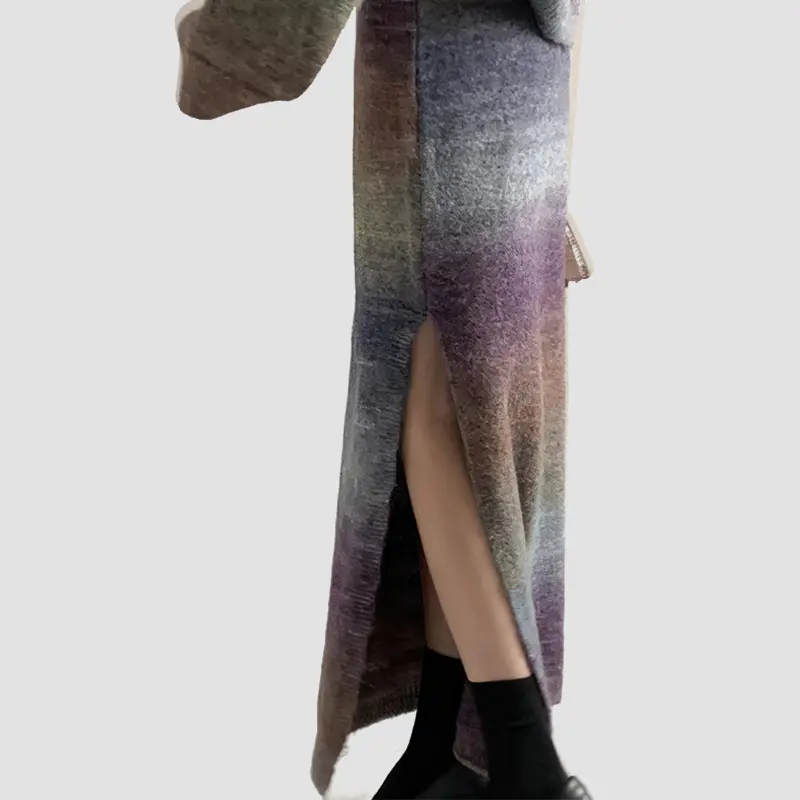
Gradient Color Side Split Half-Length Skirt
-
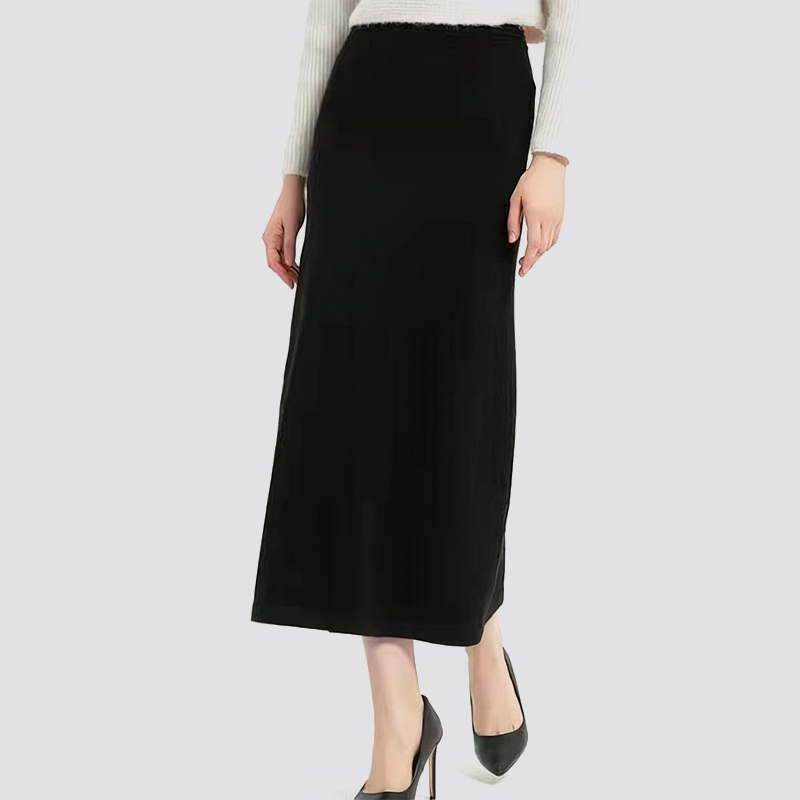
Black A-line Skirt
-
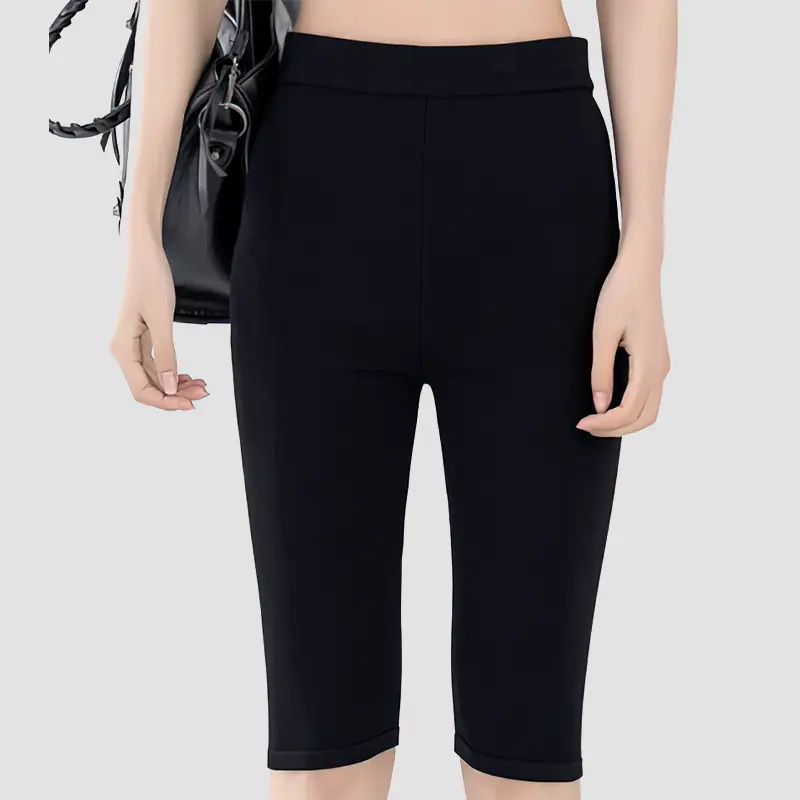
Thin Ice Silk Slimming Leggings
-
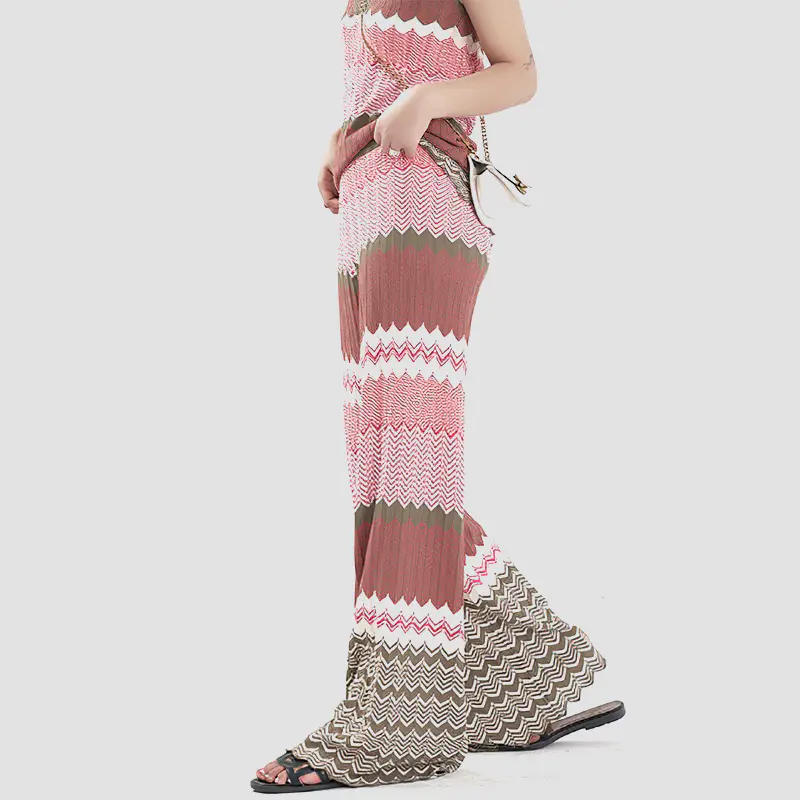
Draped Striped Loose Pants

-

Tel: +86-13913661100
-

Email: frank@sofiafashion.com
-

Add: No.886, Minfeng Road, Xushi Street, Dongbang Town, Changshu, Jiangsu, China
© 2023 Sofia Group. All rights reserved Design Custom Women's Knitted Sweaters Manufacturers
