


 English
 中文简体
中文简体 Español
Different Sweater Materials: A Complete Guide to Choosing Knitwear Fibers
Choosing the right sweater starts with understanding the material. As a knitwear manufacturer with years of hands-on experience, we at Changshu Sofia Sweater have worked with nearly every fiber type on the market. Each material brings its own personality—some keep you warm in dry cold, others breathe in mild weather, and blends often give you the best of both worlds. In this guide, we break down the most common sweater materials so you can make an informed decision for your next purchase or production run.
Content
Natural Fibers: Warmth, Softness, and Breathability
Natural fibers have been the backbone of sweater making for centuries. They come from animals or plants and offer unique properties that synthetics can’t fully replicate. Here are the key natural materials you’ll encounter.
Wool
Wool is the classic sweater material, prized for its warmth and moisture-wicking ability. Merino wool, in particular, is fine and soft against the skin, making it ideal for base layers and casual pullovers. Standard sheep’s wool can be itchier but provides exceptional insulation even when wet—a quality that has made it a favorite for outdoor wear. Wool sweaters also resist wrinkles and odors naturally, which is a plus for daily use. When sourcing wool, look for garments labeled “superwash” if machine washing is a priority.
Cashmere
Cashmere comes from the undercoat of cashmere goats and is synonymous with luxury. It is incredibly soft, lightweight, and provides excellent warmth without bulk. However, cashmere requires careful handling—it pills more easily than wool and should be hand-washed or dry-cleaned. A high-quality cashmere sweater can last for years with proper care, making it a worthwhile investment for elegant layering. Our 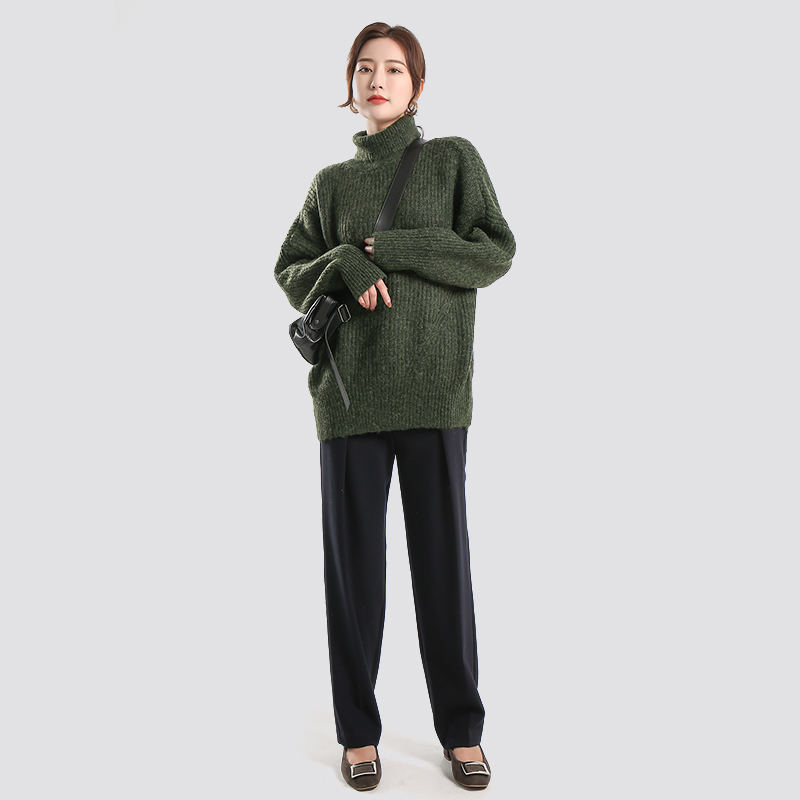 Cashmere handfeel Dark Green Wool SweaterCustom-spun yarns, stable texture, fluffy and comfortable.View Product → exemplifies how natural fibers can achieve both comfort and style.
Cotton
Cotton sweaters are lightweight, breathable, and ideal for transitional seasons like spring and early autumn. They absorb moisture but do not insulate as well as wool, so they are best for mild temperatures. Cotton knitwear is often machine-washable and less prone to pilling than wool, but it can lose shape over time if not cared for. For a classic, casual look, a cotton crewneck or cardigan is a wardrobe staple.
Other Natural Fibers
Mohair (from Angora goats) provides a fluffy, lustrous texture with good warmth. Alpaca is softer than sheep’s wool and warmer, making it a growing favorite in premium knitwear. Silk blends add a subtle sheen and drape, often used in finer gauge sweaters. Each fiber brings distinct tactile qualities that can elevate a design.
Synthetic Fibers: Affordability, Durability, and Easy Care
Synthetic materials like polyester, acrylic, and nylon are widely used in modern sweaters for practical reasons. They are typically less expensive, more durable, and easier to wash than natural fibers. Acrylic, for instance, mimics the feel of wool at a fraction of the cost and resists moths and mildew. Polyester adds strength and helps a sweater hold its shape after repeated wear. Nylon is often blended with other fibers to improve elasticity and abrasion resistance. While synthetics may not breathe as well as natural fibers, advances in fiber engineering have created moisture-wicking and quick-dry versions that perform well in activewear. For everyday sweaters that need to withstand frequent washing, a synthetic or blended option can be a smart choice.
Blends: Getting the Best of Both Worlds
Most commercial sweaters today are made from fiber blends. Combining natural and synthetic fibers allows manufacturers to balance cost, comfort, and performance. A common blend is wool-polyester, which retains wool’s warmth while adding strength and reducing shrinkage. Cotton-acrylic blends offer a soft handfeel with enhanced shape retention. For example, a sweater that is 50% cotton and 50% acrylic can be machine-washed without shrinking dramatically and stays comfortable against the skin.
At our facility, we frequently work with custom blends to meet specific client needs—whether it’s adding a touch of spandex for stretch in a fitted silhouette or incorporating recycled polyester for sustainability. Understanding your target market’s priorities (warmth, care ease, price point) helps us recommend the ideal blend. Our 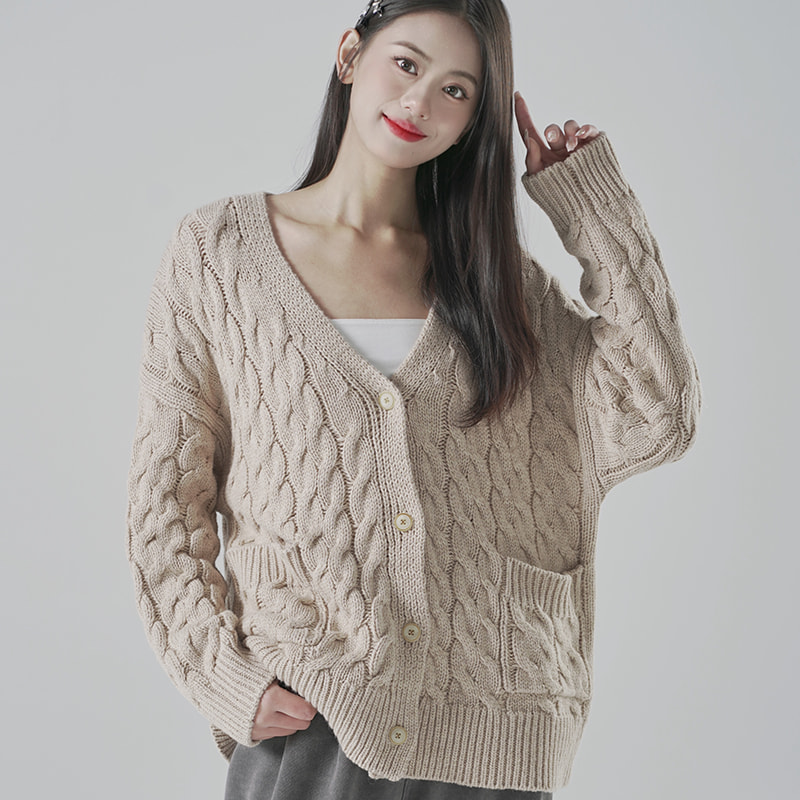 Twist loose cardiganLight brown custom-spun yarn The texture is great Soft and comfortable, but also very warm Flat needle-shaped body Pocket decoration adds a casual feel Simple and eleg...View Product → is an example of a carefully engineered blend that offers both style and practicality.
How to Choose the Right Sweater Material
Selecting the best material depends on the intended use, climate, and care preferences. For cold, dry winters, wool or cashmere is unbeatable. For mild or layering seasons, consider cotton or a cotton blend. If you need a durable, low-maintenance sweater for travel or outdoor activities, go with a synthetic or a synthetic-heavy blend. Always check the care label—natural fibers often require gentle washing, while synthetics are usually machine-friendly. If you’re sourcing sweaters for retail or a private label, factor in your customers’ lifestyles and laundering habits.
For long-term quality, also examine the knit construction. A tighter gauge (more stitches per inch) typically means better shape retention, while a looser knit is airier but may sag. Combining the right material with the right knit structure yields a sweater that feels premium and lasts. Our 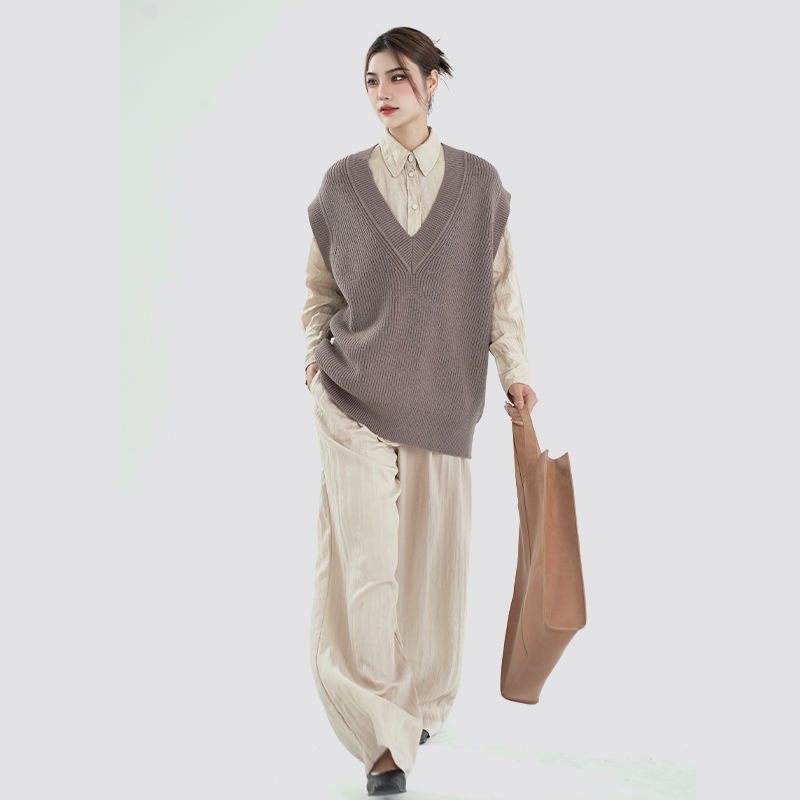 V-Neck Knitted Tank TopHigh quality custom yarn, soft and comfortableView Product → demonstrates how a medium-weight cotton-acrylic blend can deliver comfort and durability for everyday wear.
Final Thoughts from a Knitwear Manufacturer
Having produced thousands of sweaters for diverse markets, we’ve seen how material choice directly impacts customer satisfaction. Whether you prefer the timeless warmth of wool, the softness of cashmere, the practicality of synthetics, or a clever blend, there is a perfect sweater material for every need. If you’re planning a sweater line and want expert guidance on fiber selection, feel free to reach out to us—we’re happy to share our experience and help you create knitwear that your customers will love.
Recommended Products
-
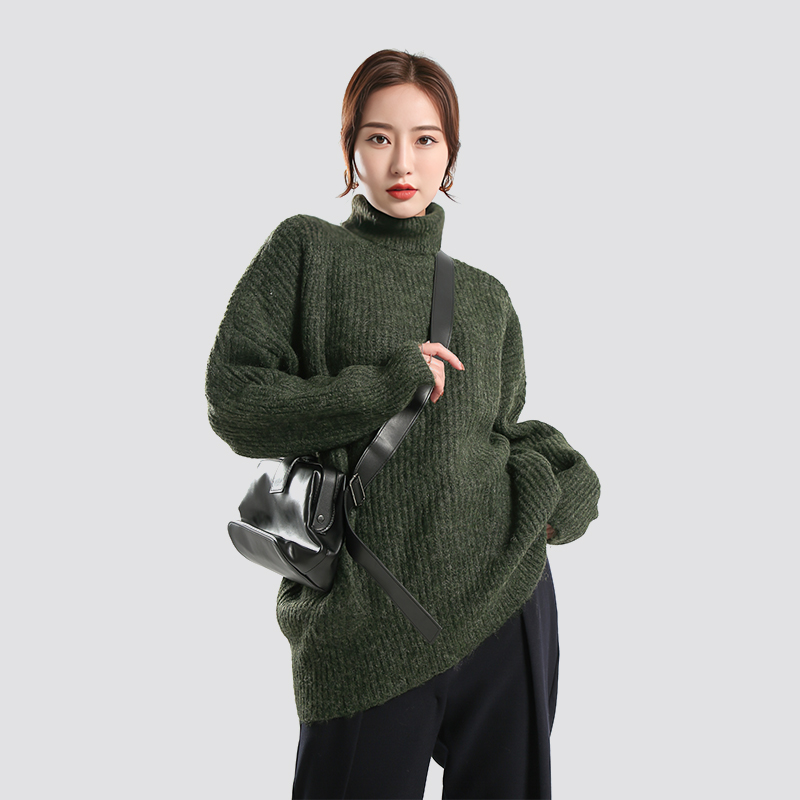
Cashmere handfeel Dark Green Wool Sweater
-
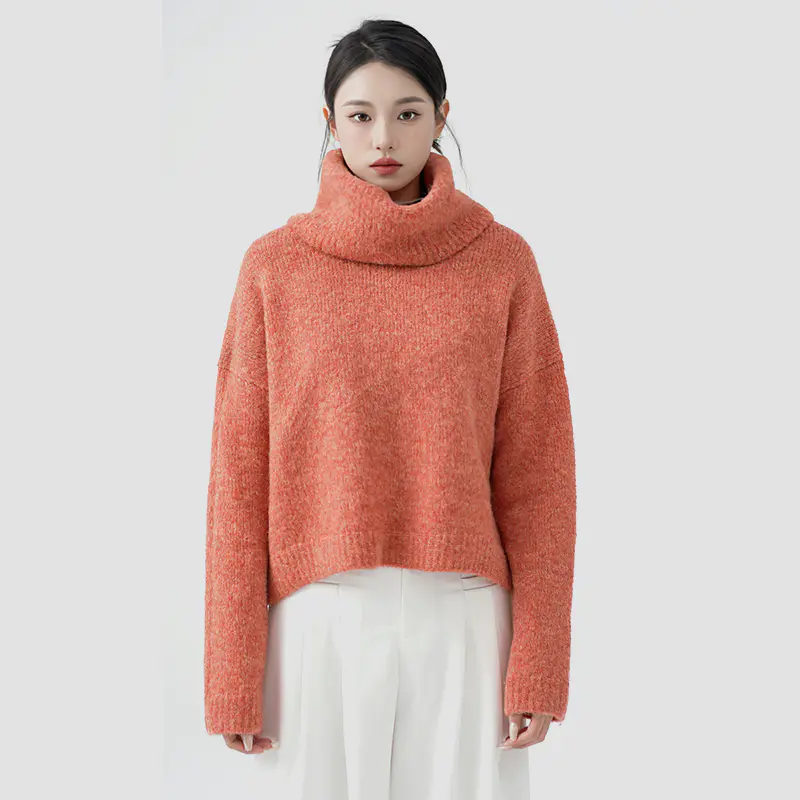
Orange Loose Neck Pullover Sweater
-
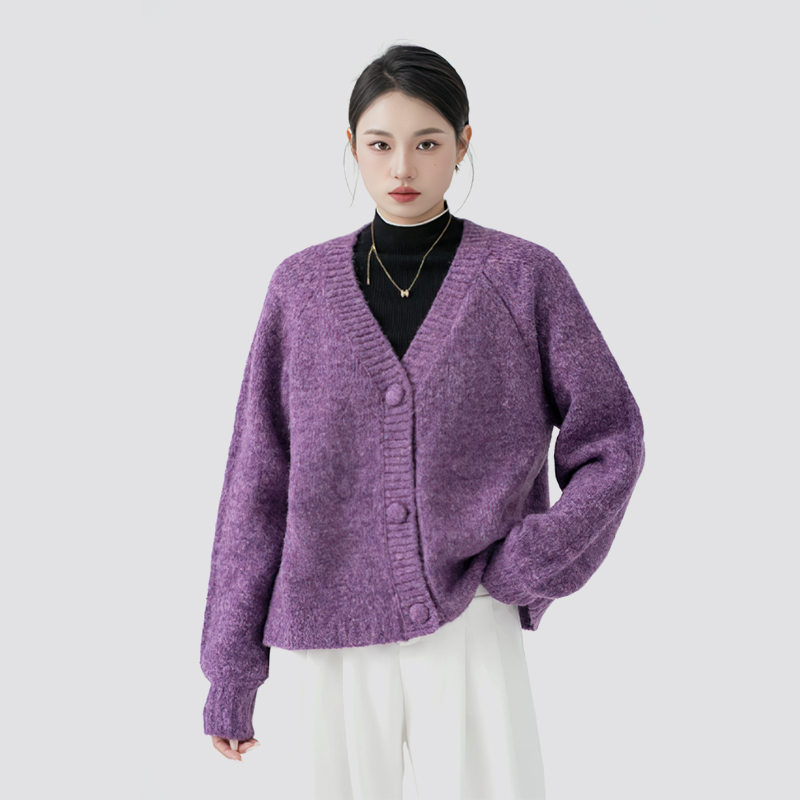
Romantic Purple Cardigan
-
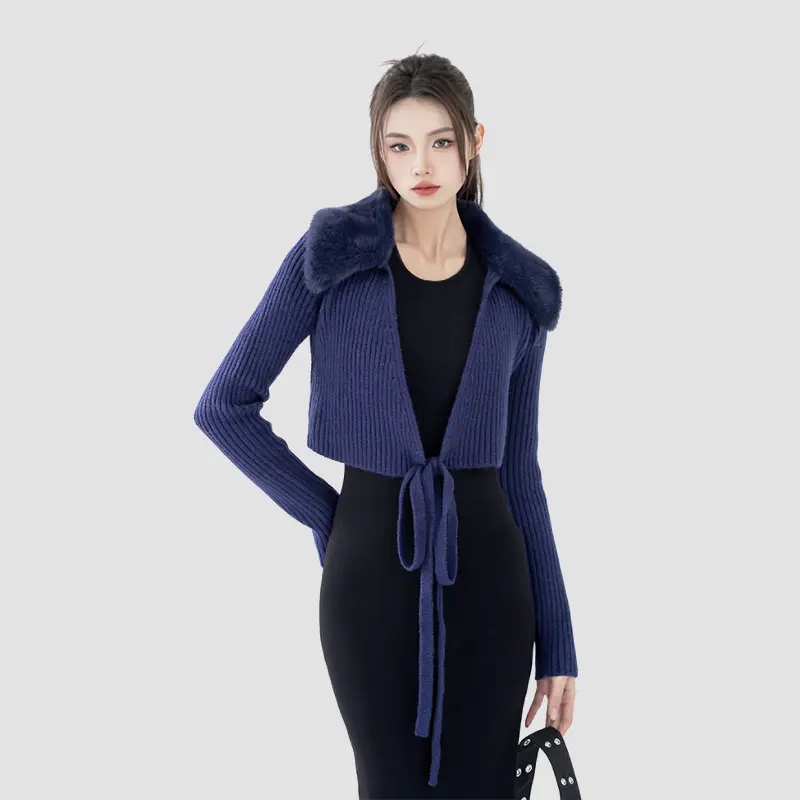
Fur Lapel Lace-up Cardigan
-
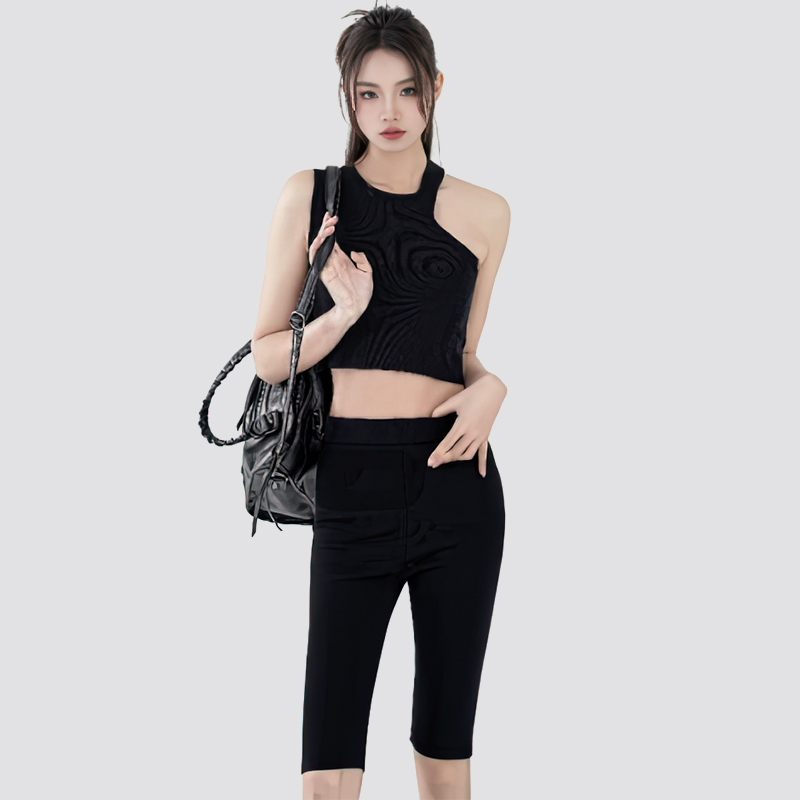
Cut Out Knitted Tank Top
-
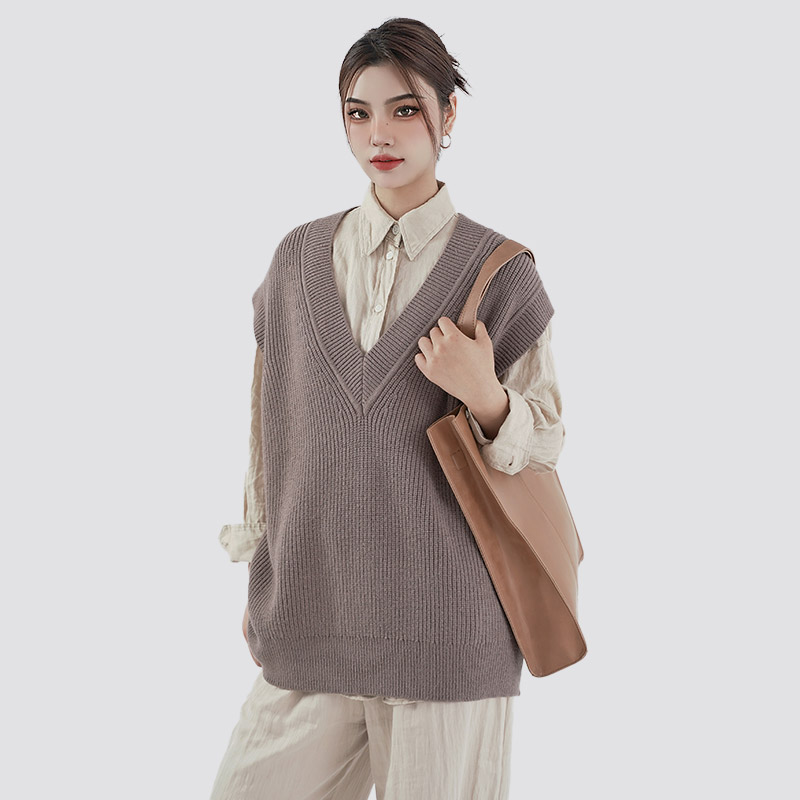
V-Neck Knitted Tank Top
-
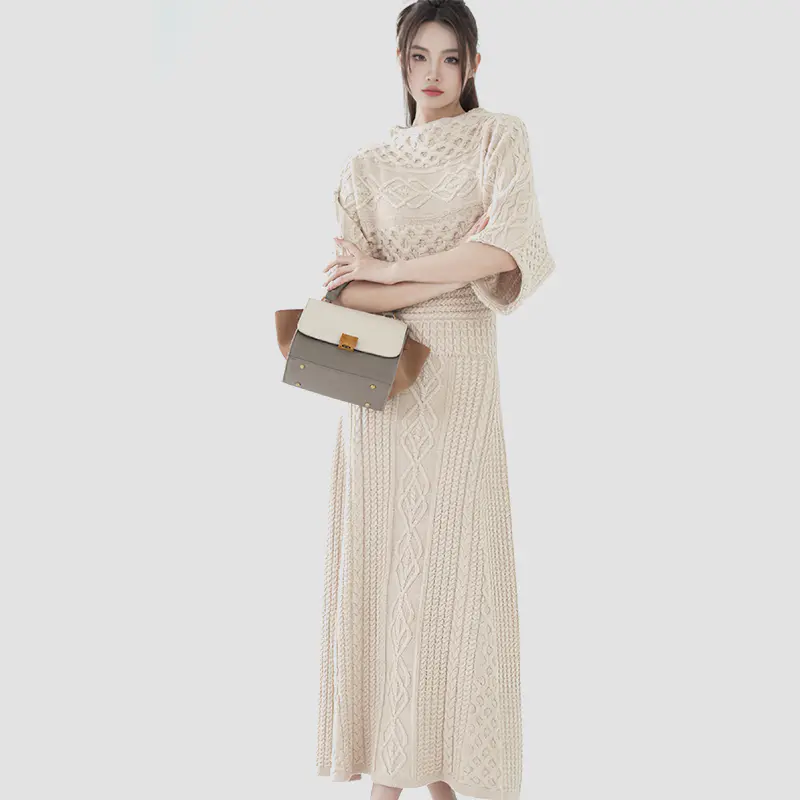
Swing Sweater Dress With Nipped Waist
-
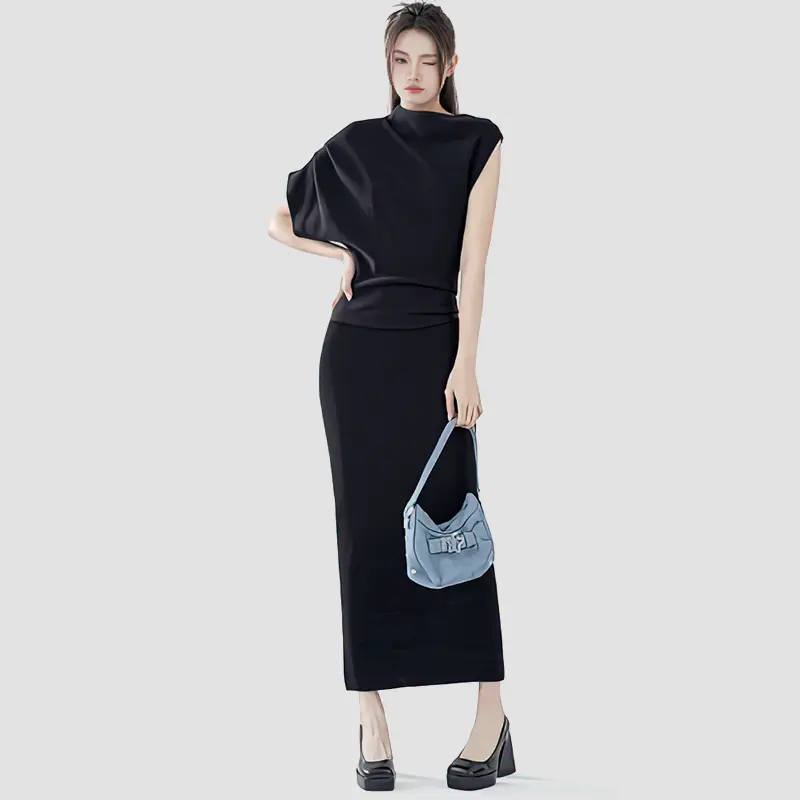
Stylish Asymmetrical Knit Long Dress
-
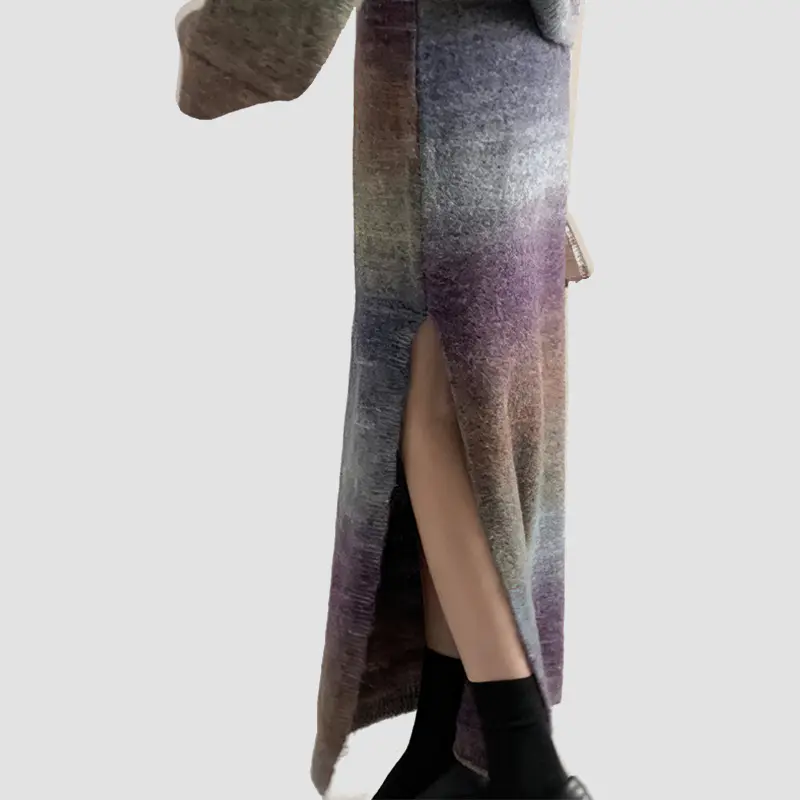
Gradient Color Side Split Half-Length Skirt
-
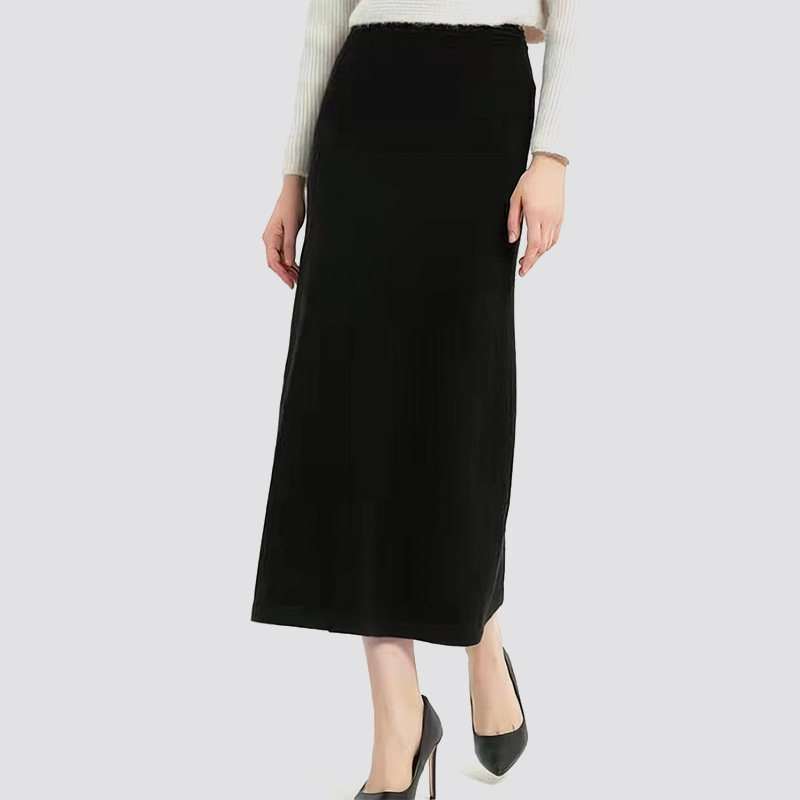
Black A-line Skirt
-
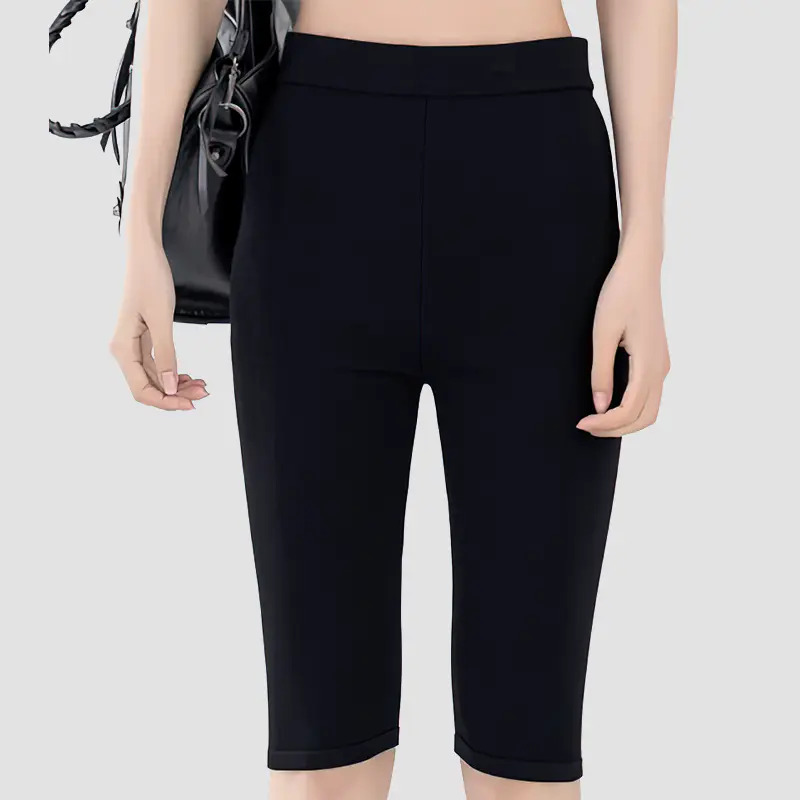
Thin Ice Silk Slimming Leggings
-
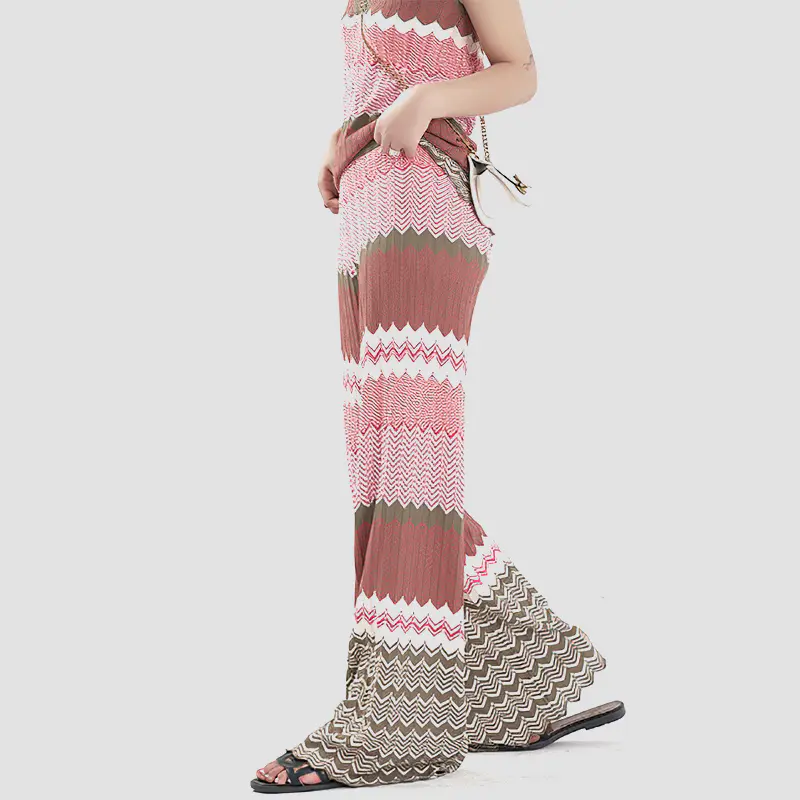
Draped Striped Loose Pants


-

Tel: +86-13913661100
-

Email: frank@sofiafashion.com
-

Add: No.886, Minfeng Road, Xushi Street, Dongbang Town, Changshu, Jiangsu, China
© 2023 Sofia Group. All rights reserved Design Custom Women's Knitted Sweaters Manufacturers
