


 English
 中文简体
中文简体 Español
Types of Sweater Material: A Complete Guide from a Knitwear Manufacturer
Over the years, our knitting team has worked with dozens of fibers, from hard-wearing wool to delicate cashmere blends. We know that a sweater’s material changes everything: the way it drapes, the way it breathes, and the way it lasts. The right fabric feels effortless; the wrong one can itch, pill, shrink, or stretch out of shape. In this guide, we break down the most common types of sweater material, explain what each fiber does well, and offer honest advice based on real manufacturing experience. If you are just starting your search, our knitted sweater collection is a helpful place to see how different materials look in finished garments.
Content
Wool: The Classic All-Rounder
Wool remains the benchmark for cold-weather knitwear. The natural crimp of wool fibers traps air, creating a layer of insulation. It also absorbs moisture vapor, so you stay warm even when you perspire. That is why wool sweaters are still the first choice for alpine adventures and winter commutes.
Not all wool is the same. Merino wool is fine and soft enough to wear next to the skin. Lambswool is gentle and slightly more affordable. Shetland wool offers a rustic texture and exceptional durability. Some people find coarse wool scratchy, but proper finishing and a well-chosen grade make a huge difference. We have produced wool pullovers for years, and a good wool sweater can keep its shape for decades with the right care.
For a classic look, our dark green wool sweater is a good example of how a simple garment can highlight the natural character of wool.
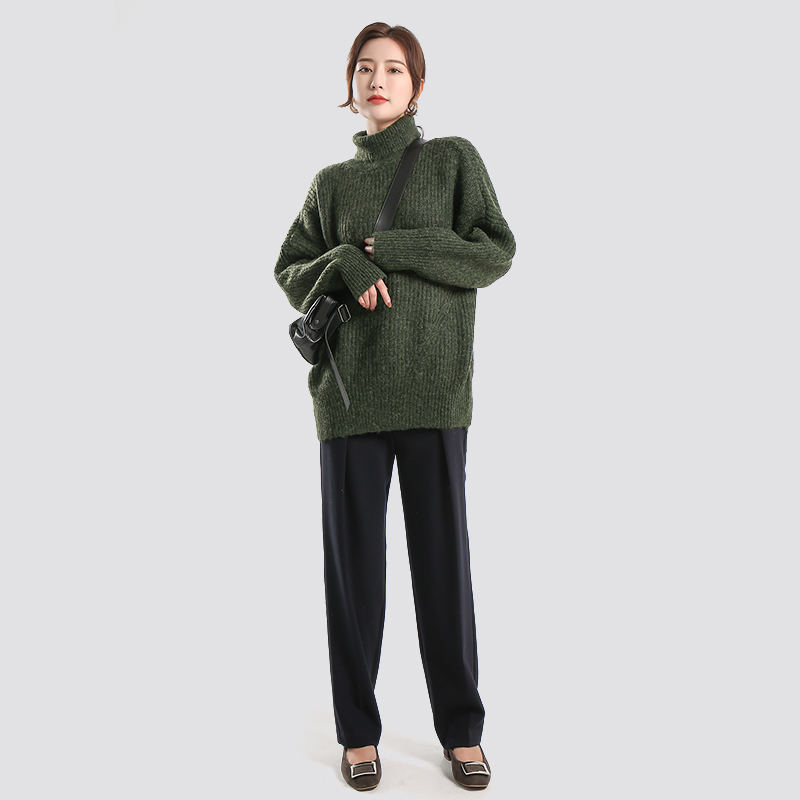 Dark Green Wool Sweater with Cashmere-Like SoftnessThis wool sweater uses blended yarns for a fluffy, stable texture and rich color. Its relaxed fit flatters most body types, making it a versatile winter layer worth adding to your wardrobe.View Product →
Cashmere, Cotton, and Other Natural Choices
Cashmere: Gentle Luxury
Cashmere comes from the undercoat of cashmere goats. It is prized for being incredibly soft, light, and warm. A cashmere sweater can be worn close to the skin without the itch that some wools cause. The trade-off is price and delicacy. Cashmere needs hand washing or a careful machine cycle, and it can pill with friction. If you want an heirloom-quality layer, a pure cashmere or cashmere-silk blend is worth the investment.
Cotton: Comfort for Every Day
Cotton sweaters are the easygoing wardrobe heroes. They are breathable, absorbent, and gentle on sensitive skin. Cotton knits work well in spring and autumn, or as indoor layers during winter. They are simpler to care for than wool and generally less expensive. However, cotton does not trap heat as effectively as wool, and thick cotton sweaters can feel heavy when wet.
Linen: Lightness for Warm Weather
Linen has a relaxed, textured look that makes it a favorite for summer knitwear. It wicks moisture away and feels cool against the skin. Linen wrinkles easily, but many people consider that part of its charm. For beach evenings or casual city wear, a linen-blend sweater offers a refined breathability that synthetic fibers rarely match.
Silk and Other Natural Specialties
Silk is sometimes blended into sweaters to add a smooth, luminous touch. It is not as insulating as wool, but it feels wonderful under a blazer. You may also find alpaca, mohair, or yak blends; these fibers bring different textures and levels of warmth. Natural fibers often cost more, but they also tend to age beautifully.
Synthetic Fibers: Practical and Budget-Friendly
Synthetic fibers made knitwear accessible to everyone. Polyester is strong, quick-drying, and wrinkle-resistant. Acrylic is lightweight, warm, and often used as a wool substitute. Nylon adds strength and is commonly blended with wool to reduce wear and tear. Spandex, even in small amounts, gives sweaters useful stretch and recovery.
The main downside of synthetics is breathability. When a garment is made from 100% polyester, it can trap sweat and develop an odor more quickly than natural fibers. Acrylic sweaters are cozy on the wallet but may pill on the elbows and edges. Still, well-engineered synthetic or recycled synthetic yarns can perform admirably, especially in sportswear and everyday basics.
Blends: Getting the Best of Both Worlds
In our factory, we often choose blends because they let us tune the material to the garment’s purpose. A wool-nylon blend wears longer without losing warmth. Cotton-polyester is easy to care for and resists creasing. Cashmere-silk is decadently soft yet strong enough for regular use. Linen blends are ideal for summer because the added synthetic or cotton content reduces wrinkles and improves drape.
When you look at a sweater label, check the exact percentages. A 20% nylon content in a wool sweater is a sign that the yarn was designed for durability. A 5% cashmere in a cotton sweater, on the other hand, may be more about marketing than real softness. Our linen-blend short-sleeved shirt, for example, is designed with a balance of linen and other fibers for comfort and easy maintenance.
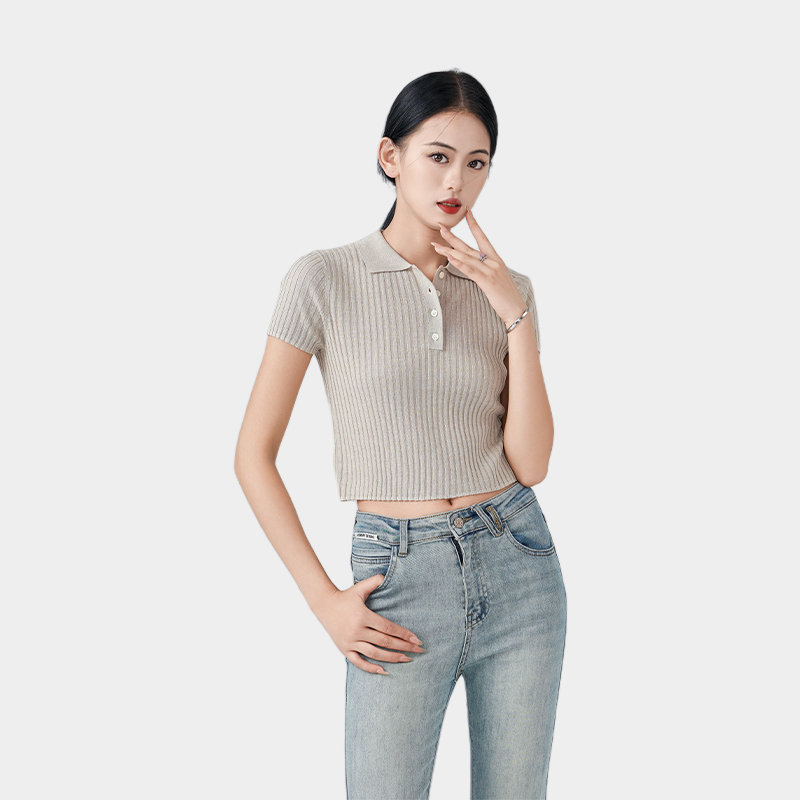 Linen-Blend Short-Sleeve Shirt with Breathable FitWith a balanced mix of acrylic, lyocell, and linen, this shirt offers a soft, waxy hand feel and breathable comfort. Its retro polo collar and vertical stripe design create a slimming, elegant look.View Product →
How to Choose the Right Sweater Material
Start with the season. Winter demands wool, cashmere, or a warm blend. Spring and fall call for cotton, modal, or lightweight wool. Summer is best served by cotton, linen, or airy viscose. Then consider your skin sensitivity. If wool makes you itch, look for merino or cashmere, or choose a smooth cotton-acrylic blend. Finally, think about maintenance. If you do not want to hand wash, avoid delicate cashmere and opt for easy-care cotton or polyester blends.
The table below offers a quick comparison of common sweater materials.
| Material | Key Strengths | Watch Out For | Best Used For |
|---|---|---|---|
| Wool | Warm, resilient, naturally moisture-wicking | Can feel itchy; needs gentle washing | Winter sweaters, outdoor layers |
| Cashmere | Ultra-soft, lightweight, insulating | Expensive; delicate | Dressy knitwear, loungewear |
| Cotton | Breathable, soft, easy care | Heavy when wet; less insulating | Mild weather, layering |
| Acrylic | Affordable, lightweight, warm | Can pill; less breathable | Budget-friendly casual sweaters |
| Polyester | Durable, quick-drying, wrinkle-resistant | Less breathable when pure | Athletic and everyday knits |
| Blends | Balanced performance, tailored feel | Quality depends on percentages | Most modern sweater styles |
Remember that the quality of the yarn and the density of the knit matter as much as the fiber type. A tightly knit, well-finished garment will outperform a loose, thin one even if both use the same material.
What We Look For as a Knitwear Manufacturer
In our knitting workshop, we evaluate yarn the way a chef evaluates produce: by touch, color, and behavior under tension. We test for pilling, shrinkage, and colorfastness before a yarn enters production. We also consider how the fabric will drape and recover after wear. That is why two sweaters made from the same fiber can feel completely different.
We have written more about yarn composition and performance in our yarn article, which explains how twist, staple length, and blend ratios affect the final garment.
From fluffy cardigans to fine-gauge pullovers, we enjoy exploring materials that make our customers smile. One of our favorites is a soft and waxy knitted cardigan that shows how a carefully chosen yarn blend can create a luxurious hand feel. We believe material is not just a detail; it is the foundation of the entire design.
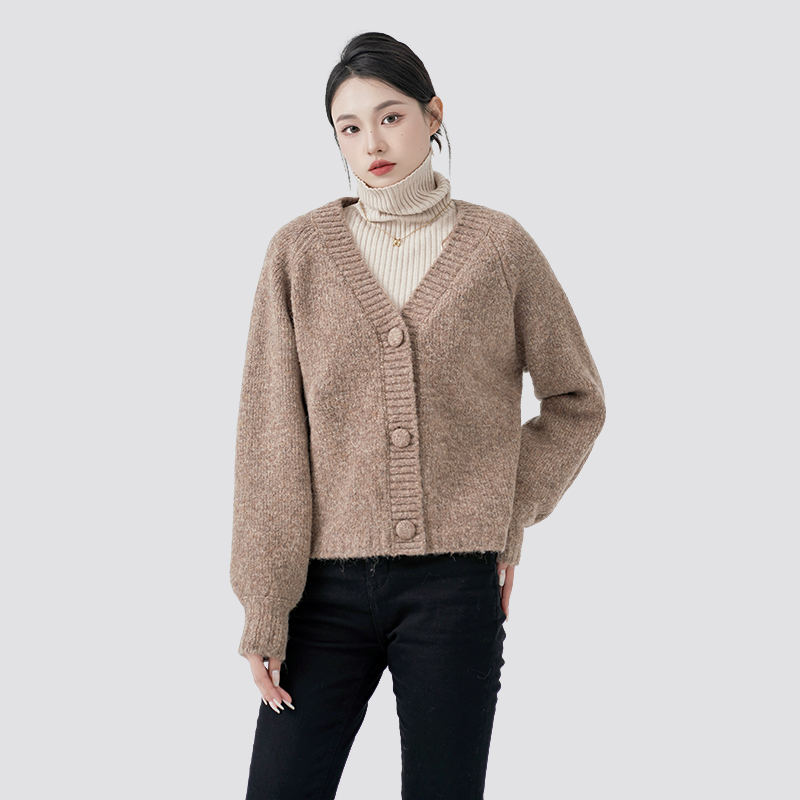 Soft and Waxy Knitted Cardigan in Luxurious BlendThis cardigan combines polyester, acrylic, wool, and spandex to achieve a soft, waxy texture and comfortable stretch. It’s a standout piece for anyone who values refined material and cozy style.View Product →
Final Thoughts
Choosing the right sweater material comes down to balancing warmth, feel, care, and budget. Wool remains the champion for warmth; cashmere is the indulgent option; cotton and linen are effortless for milder days; synthetics and blends add affordability and performance. And of course, a well-made sweater in any material will always feel better than a poorly made one in a fancy fiber.
We hope this guide helps you read labels with more confidence and pick a material that truly matches your life. If you are a brand or retailer looking for a reliable knitwear supplier, contact us with your ideas. We would love to turn your vision into a tangible, beautiful sweater.
Recommended Products
-
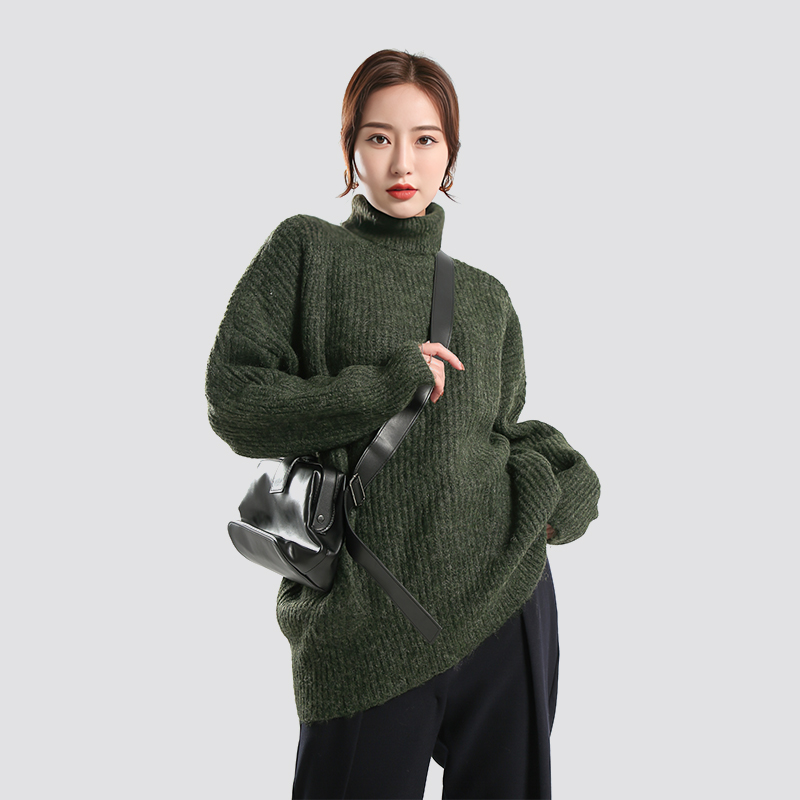
Cashmere handfeel Dark Green Wool Sweater
-
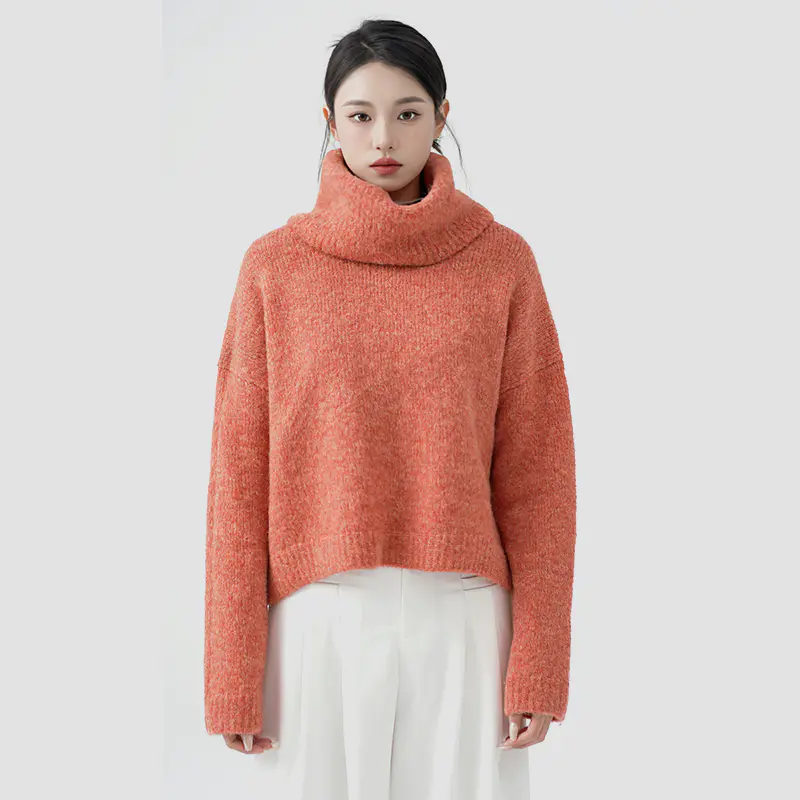
Orange Loose Neck Pullover Sweater
-
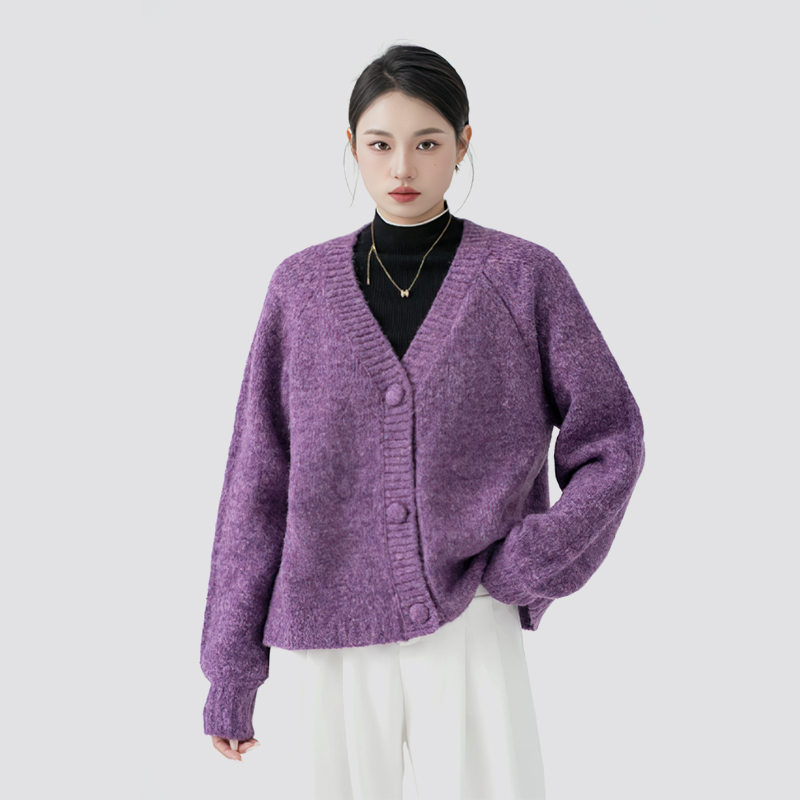
Romantic Purple Cardigan
-
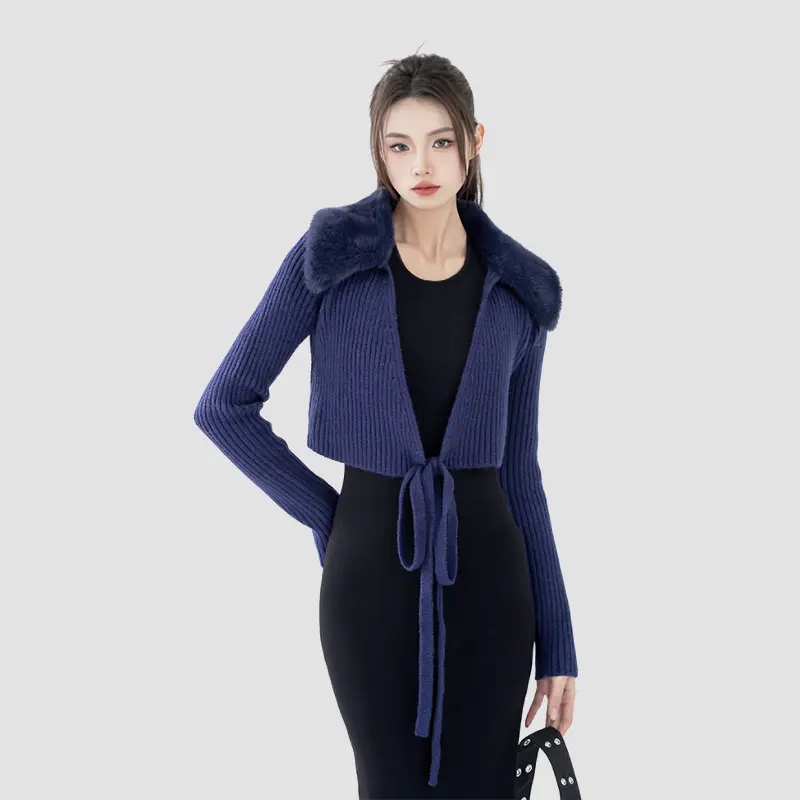
Fur Lapel Lace-up Cardigan
-
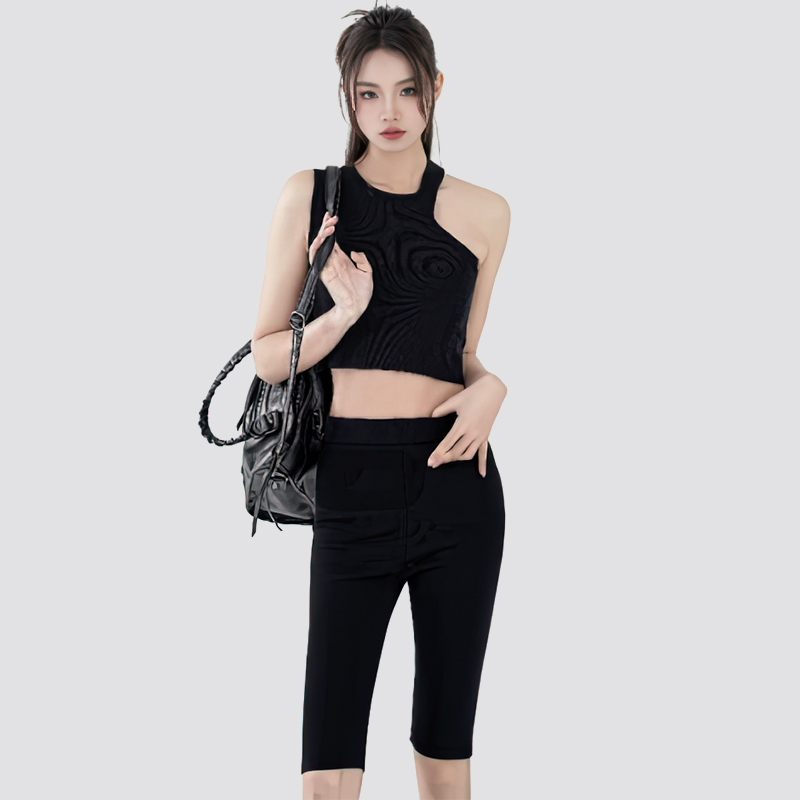
Cut Out Knitted Tank Top
-
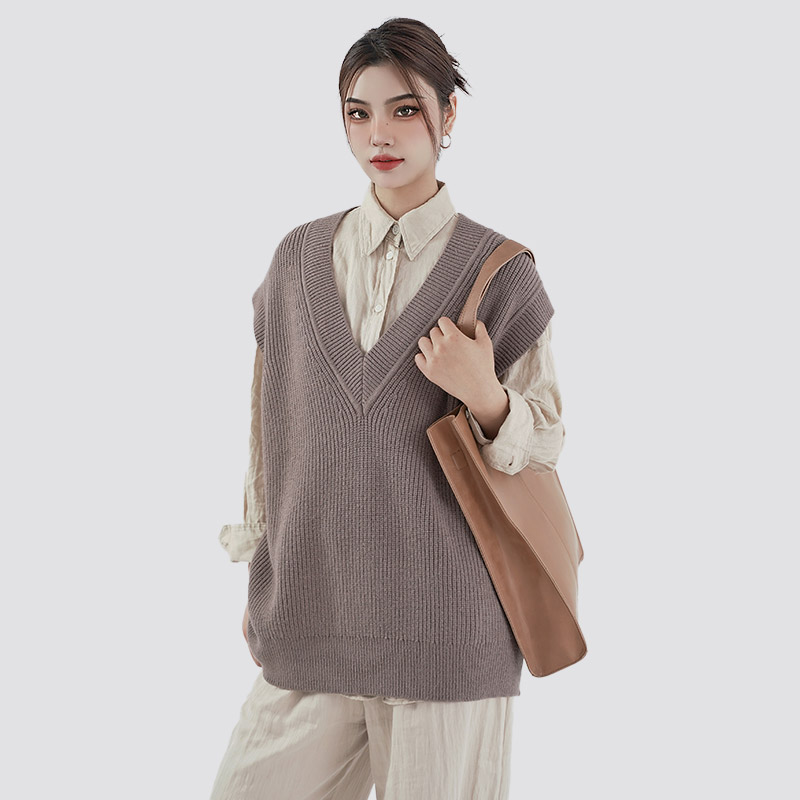
V-Neck Knitted Tank Top
-
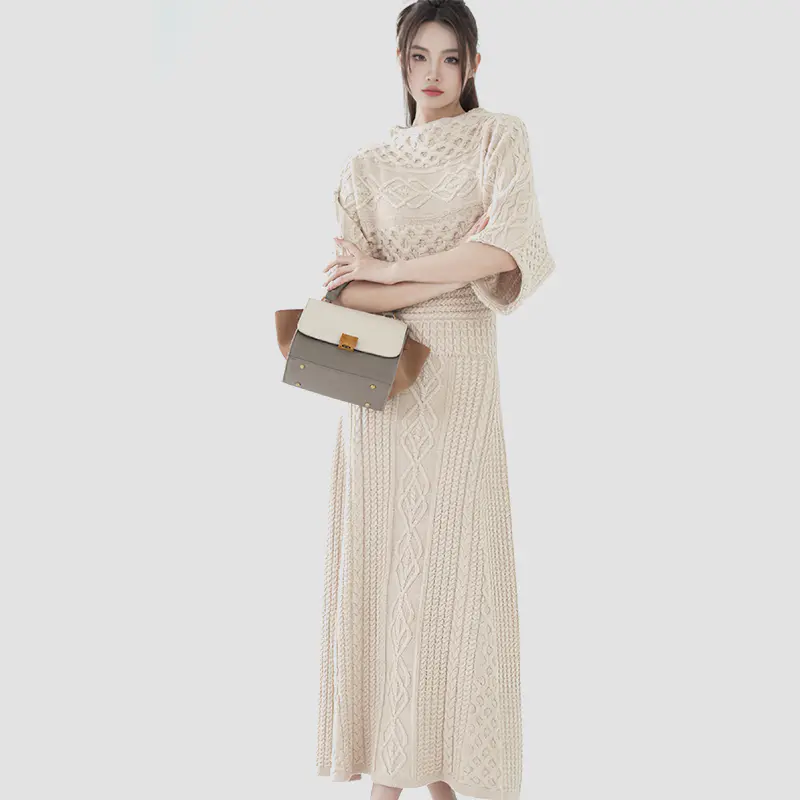
Swing Sweater Dress With Nipped Waist
-
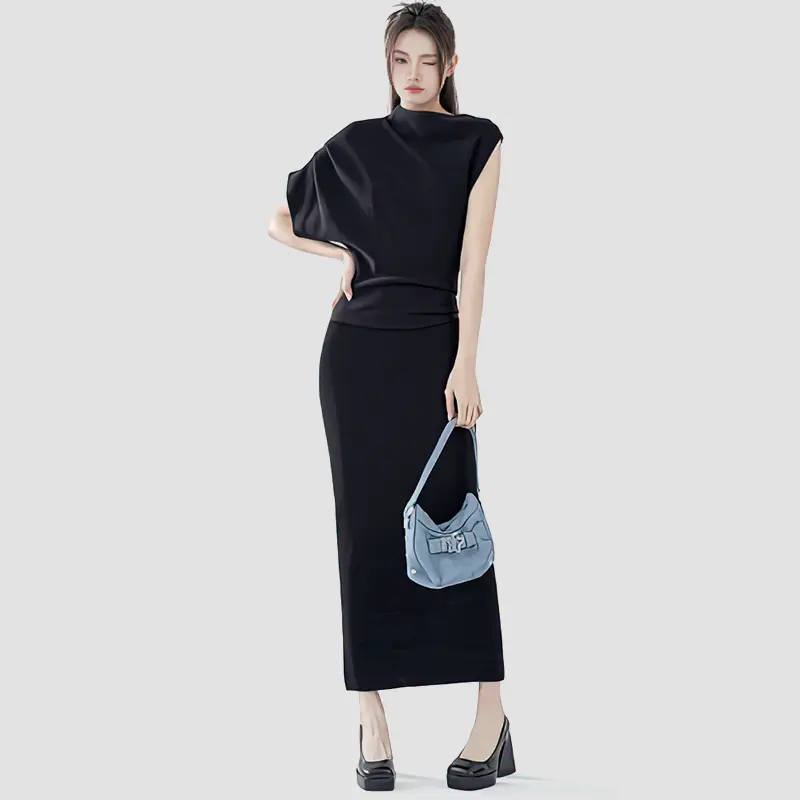
Stylish Asymmetrical Knit Long Dress
-
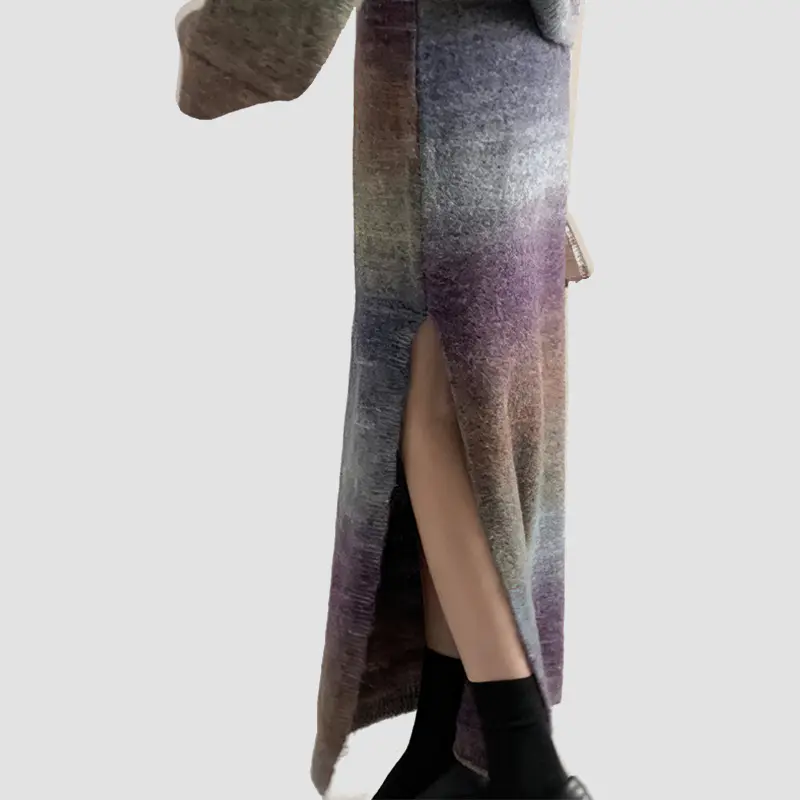
Gradient Color Side Split Half-Length Skirt
-
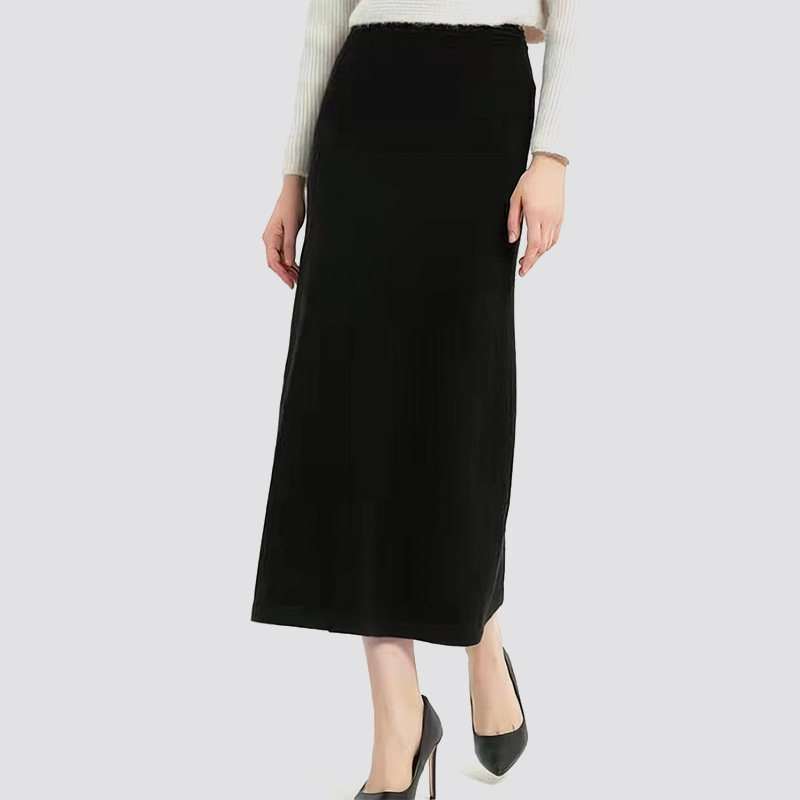
Black A-line Skirt
-
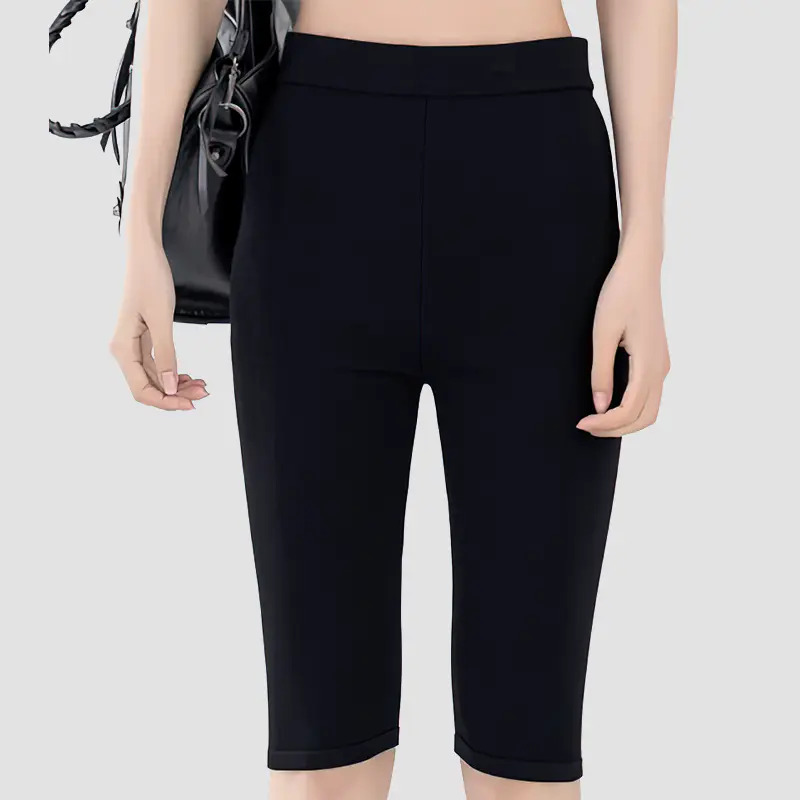
Thin Ice Silk Slimming Leggings
-
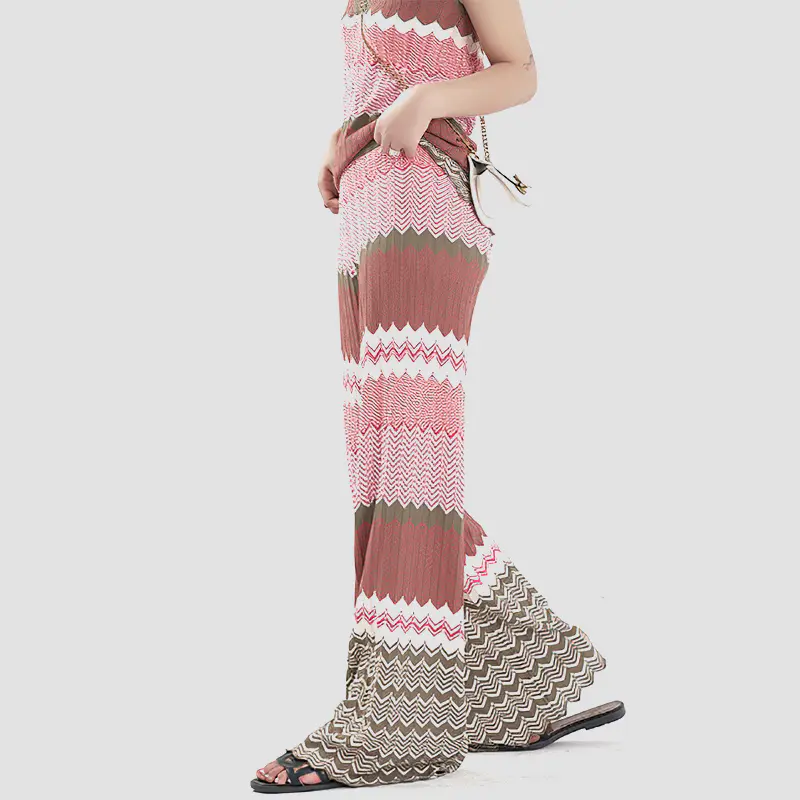
Draped Striped Loose Pants


-

Tel: +86-13913661100
-

Email: frank@sofiafashion.com
-

Add: No.886, Minfeng Road, Xushi Street, Dongbang Town, Changshu, Jiangsu, China
© 2023 Sofia Group. All rights reserved Design Custom Women's Knitted Sweaters Manufacturers
