


 English
 中文简体
 Español
Sweater Fabric Types: A Practical Guide to Yarns, Knits, and Fabric Feel
If you have ever pulled on a sweater that felt instantly right — or one that scratched, sagged, or lost its shape after two washes — you have already met the power of fiber choice. Sweater fabric types are not just a technical detail for mills and buyers. They shape warmth, drape, durability, color depth, and the way a garment feels against the skin. At Changshu Sofia Sweater Co., Ltd., we work with a wide range of knitwear fibers and structures for children's, men's, and women's sweaters. This guide shares what we have learned in practical terms, without turning the topic into a chemistry lesson.
Content
- 1 Why Sweater Fabric Types Matter More Than You Think
- 2 A Simple Map of Sweater Fabric Families
- 3 Natural Animal Fibers: Wool, Cashmere, Alpaca, and Mohair
- 4 Plant-Based and Regenerated Fibers: Cotton, Linen, Lyocell, and Viscose
- 5 Synthetic and Performance Fibers: Acrylic, Polyester, Nylon, and Elastane
- 6 Blended Fabrics: Where Most Sweaters Actually Live
- 7 Knit Structures Also Change the Fabric
- 8 How to Choose the Right Sweater Fabric for Your Product Line
- 9 A Quick Care Guide by Fabric Type
- 10 Bringing Fabric Choice Back to the Garment
Why Sweater Fabric Types Matter More Than You Think
When buyers ask about sweater fabric types, they are often trying to solve a very specific problem: a winter pullover that feels too heavy, a cardigan that pills after a few wears, a summer knit that clings, or a garment that looks beautiful in the showroom but disappoints after the first wash. Fiber choice is the first answer, but it is not the only one. Yarn twist, knitting structure, fabric weight, and finishing all change how the same fiber behaves in the final garment.
In our experience, the most successful sweater programs start with the end use. A soft baby sweater, a structured cable cardigan, and a lightweight layering top may all be called knitwear, but they ask different things of the fabric. Once you know what the garment needs to do, the fiber and knit structure become much easier to choose.
A Simple Map of Sweater Fabric Families
Most sweater fabrics fall into four broad groups. Understanding these groups gives you a useful starting point before you compare specific yarns, prices, and care labels.
| Fabric family | Common examples | What it brings | What to watch |
|---|---|---|---|
| Animal fibers | Wool, cashmere, alpaca, mohair | Warmth, natural elasticity, loft, and a rich hand feel | Higher cost, felting risk, and careful storage |
| Plant-based and regenerated fibers | Cotton, linen, lyocell, viscose | Breathability, softness, drape, and seasonal comfort | Shrinkage, wrinkling, and moisture management |
| Synthetic fibers | Acrylic, polyester, nylon, elastane | Durability, color retention, stretch recovery, and value | Pilling, static, and heat sensitivity in finishing |
| Blends | Wool and acrylic, cotton and nylon, viscose and polyester | Balanced performance, cost control, and easier care | Blend ratio and testing matter more than the label alone |
Natural Animal Fibers: Wool, Cashmere, Alpaca, and Mohair
Wool
Wool remains one of the most dependable sweater fibers because it combines warmth with natural elasticity. It can be soft and fine or sturdy and dense, depending on the breed and yarn preparation. Wool also has a useful ability to regulate moisture and stay warm when damp, which is why it has stayed popular in outdoor and cold-weather knitwear. The trade-off is care: wool can felt with heat and agitation, so gentle washing and flat drying are usually wise.
Our dark green wool sweater is a useful example of how a straightforward wool yarn can carry color and texture without extra weight.
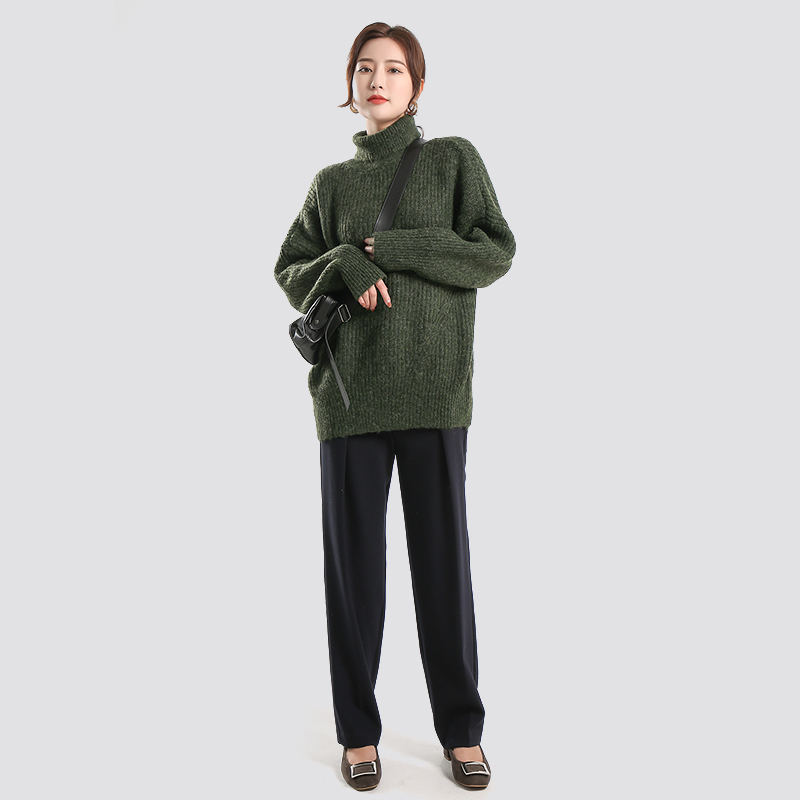 Dark Green Wool-Blend Sweater with Cashmere-Like HandfeelA dark green wool-blend pullover with a soft, fluffy handfeel and structured, body-tolerant shape; a practical example of simple knitwear carrying rich color.View Product →
Cashmere and other luxury fibers
Cashmere is prized for its softness, lightness, and warm hand feel. It is finer than most wool, so it can create a luxurious sweater with less bulk. The challenge is that cashmere fibers are delicate and can pill with friction, especially in loose knits or low-twist yarns. A small percentage of silk or wool can add strength, while careful finishing helps preserve the surface. In luxury knitwear, restraint often works best: simple shapes and clean stitches let the fiber speak for itself.
Alpaca and mohair
Alpaca brings softness, drape, and strong thermal properties. It is often blended with wool or synthetic fibers to improve resilience and control cost. Mohair is lighter and more lustrous, with a characteristic halo that gives sweaters a soft, airy look. Both fibers can be wonderful in statement knits, but they need thoughtful yarn selection so the garment does not become too fuzzy, heavy, or difficult to care for.
Plant-Based and Regenerated Fibers: Cotton, Linen, Lyocell, and Viscose
Not every sweater needs to be a winter garment. Cotton knits are breathable, easy to wear, and familiar to a wide range of customers. They work well for spring and summer pullovers, tank tops, and lightweight cardigans. Cotton has good strength and takes color cleanly, but it can shrink without proper preparation and may lack the natural recovery of wool. Blending cotton with a small amount of elastane or a durable synthetic fiber can improve fit retention.
Linen adds a dry, natural texture and excellent breathability. It is often blended with cotton or viscose to soften the hand feel and reduce wrinkling. Lyocell and viscose are regenerated cellulose fibers that offer smooth drape and a cool touch. They are useful in lightweight knits and layering pieces, but they need careful handling during washing because they can lose shape when wet and agitated.
Lightweight linen-blend knits show how plant fibers can work in warm-weather layering without feeling stiff or heavy.
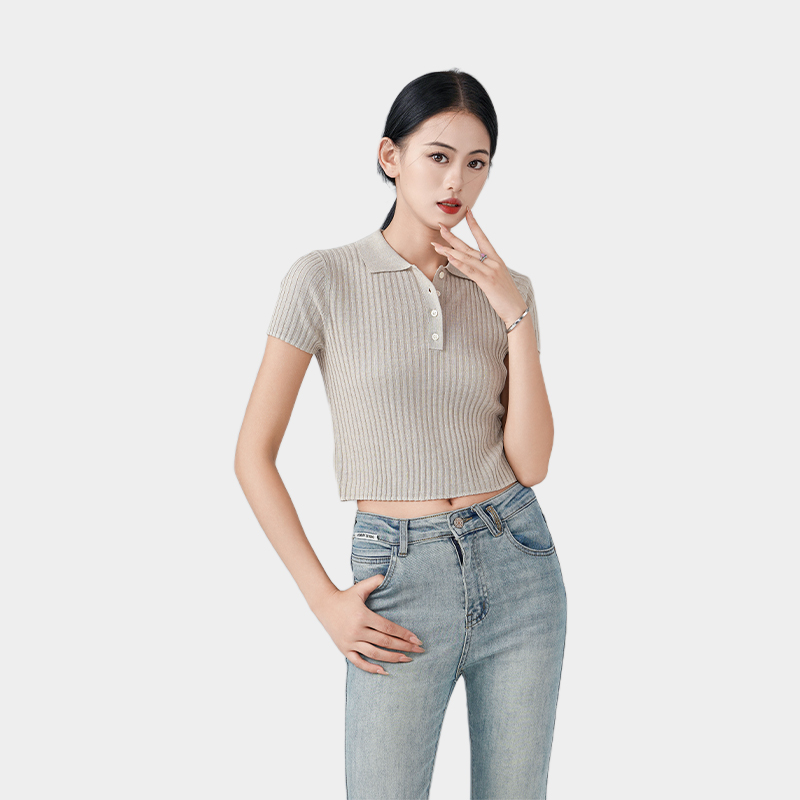 Linen-Blend Short-Sleeve Polo Knit ShirtA light, breathable linen-blend knit with a retro polo collar and vertical stripes, suited to warm-weather layering and a slimming upper-body look.View Product →
Synthetic and Performance Fibers: Acrylic, Polyester, Nylon, and Elastane
Synthetic fibers are often misunderstood. Used well, they solve real problems. Acrylic can imitate the softness and warmth of wool at a lower cost, and it takes bright colors beautifully. Polyester adds durability and quick-drying behavior. Nylon contributes strength and abrasion resistance, which is useful in cuffs, trims, and lightweight knits. Elastane, used in small amounts, gives stretch and helps a garment recover its shape.
The key is proportion. A sweater with a small amount of nylon may wear better at the elbows and cuffs. A touch of elastane can make a ribbed neckline hold its shape. But too much synthetic content in the wrong structure can increase pilling, static, or a slick hand feel. For buyers, the fiber content is only part of the story; the knit density, yarn twist, and finishing route also shape the final performance.
Blended Fabrics: Where Most Sweaters Actually Live
Many commercial sweaters are blends because blends allow designers and manufacturers to balance comfort, durability, appearance, and cost. A wool-acrylic blend can soften the price of an all-wool sweater while keeping a warm, wool-like character. A cotton-nylon blend can improve strength and shape retention in a lightweight knit. A viscose-polyester blend can combine fluid drape with easier care.
Blends are not a shortcut. They require clear specifications and reliable testing. The ratio matters, and so does the quality of each component. A 70/30 blend from one spinner may behave differently from the same ratio from another. For a deeper look at how fiber blends behave in knitwear, our article on yarn composition and performance in knitted sweaters is a useful next read.
Knit Structures Also Change the Fabric
Two sweaters can use the same yarn and still feel completely different. That is because knit structure controls thickness, stretch, surface texture, and air retention. Jersey knit is smooth and flexible, making it a natural choice for simple pullovers and lightweight layering. Rib knit stretches well and is often used for cuffs, hems, and close-fitting silhouettes. Cable knit adds raised patterns that create visual depth and a little extra warmth. Jacquard and intarsia bring pattern into the fabric itself, while pointelle adds openwork detail and a lighter appearance.
Cable knit is a good example: the raised stitch pattern adds visual depth and traps a little more air, which is why a cable turtleneck feels different from a plain jersey turtleneck in the same yarn.
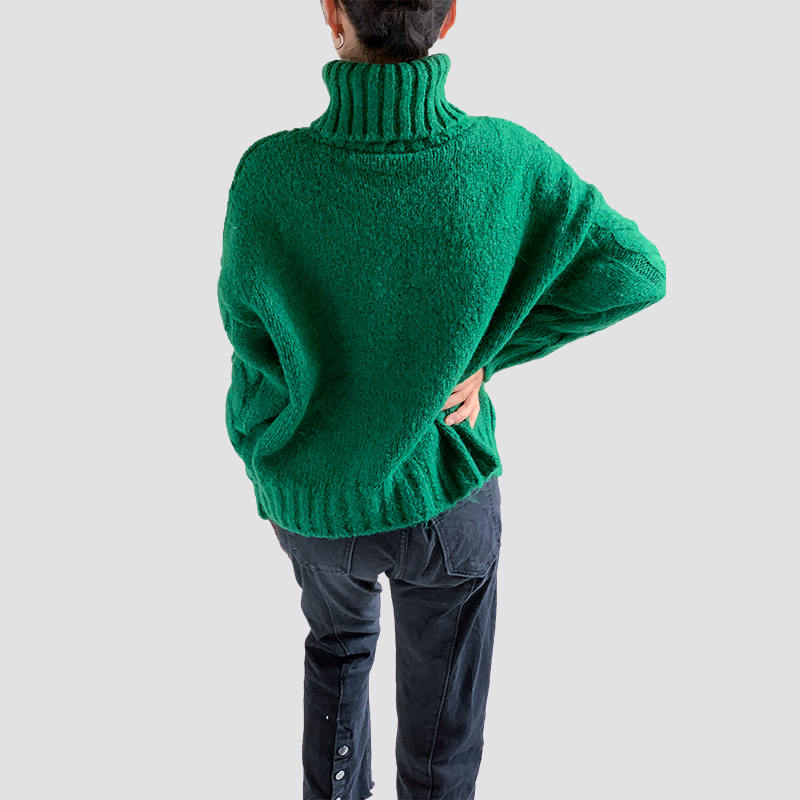 Misty Green Cable-Knit Turtleneck Pullover SweaterA light, warm cable-knit turtleneck in misty dark green, with thick yarn and raised twist texture that adds depth and a retro mood.View Product →
For product development, it helps to think of fiber and structure as a pair. A soft cashmere yarn in a loose jersey may feel luxurious but delicate. The same yarn in a denser rib may be more resilient but less airy. Good sweater design is often a negotiation between the two.
How to Choose the Right Sweater Fabric for Your Product Line
Start with the customer and the wearing occasion, then work backward to the fabric. A few practical questions can save a lot of sampling time:
- What is the main season and climate for the garment?
- Does the sweater need to be warm, breathable, lightweight, or all three in different areas?
- How close is the fit, and does the fabric need stretch recovery?
- What care level will the customer accept?
- What is the target price, and which fiber or blend can meet it without compromising the brief?
- Are there specific pilling, shrinkage, colorfastness, or safety requirements?
It also helps to test in the final garment form, not only in yarn or swatch form. A fabric that passes a lab test can still feel wrong in a fitted sleeve or a heavy collar. Sampling and wear testing remain some of the most reliable ways to catch problems early.
A Quick Care Guide by Fabric Type
Care instructions should always follow the final garment label, but the general tendencies below can help you plan a realistic care message.
| Fabric type | Washing | Drying | Storage |
|---|---|---|---|
| Wool and cashmere | Cool hand wash or wool cycle with mild soap | Flat dry away from direct heat | Fold, allow air, and protect from moths |
| Cotton | Machine wash cool on a gentle cycle | Tumble low or line dry | Fold or hang, depending on weight |
| Acrylic and blends | Cool gentle wash, ideally in a mesh bag | Low heat or flat dry | Fold and avoid hot irons |
| Lyocell and viscose | Cool hand wash with minimal agitation | Flat dry to support shape | Fold rather than hang for long periods |
Bringing Fabric Choice Back to the Garment
The best sweater fabric is not automatically the most expensive or the most technical one. It is the one that suits the garment's purpose, the customer's expectations, and the production reality. A well-chosen cotton blend can be more useful than a delicate luxury fiber in the wrong design. A thoughtful wool blend can deliver warmth and durability without an unworkable price.
At Changshu Sofia Sweater Co., Ltd., we enjoy helping brands and buyers work through these choices in a practical way. If you would like help matching a fabric to your next collection, our team is happy to talk through options on our contact page.
Recommended Products
-
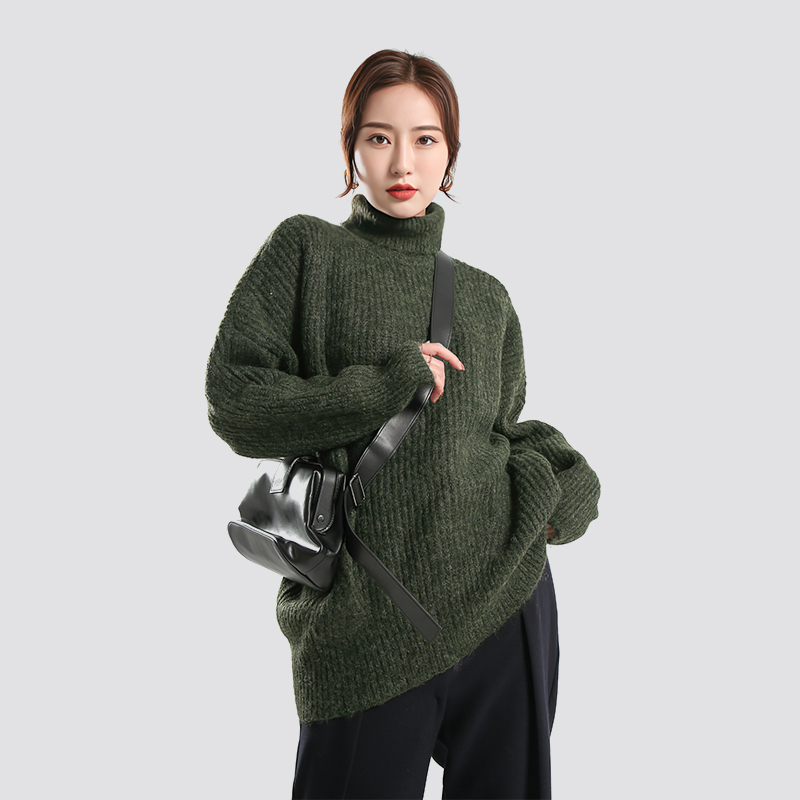
Cashmere handfeel Dark Green Wool Sweater
-
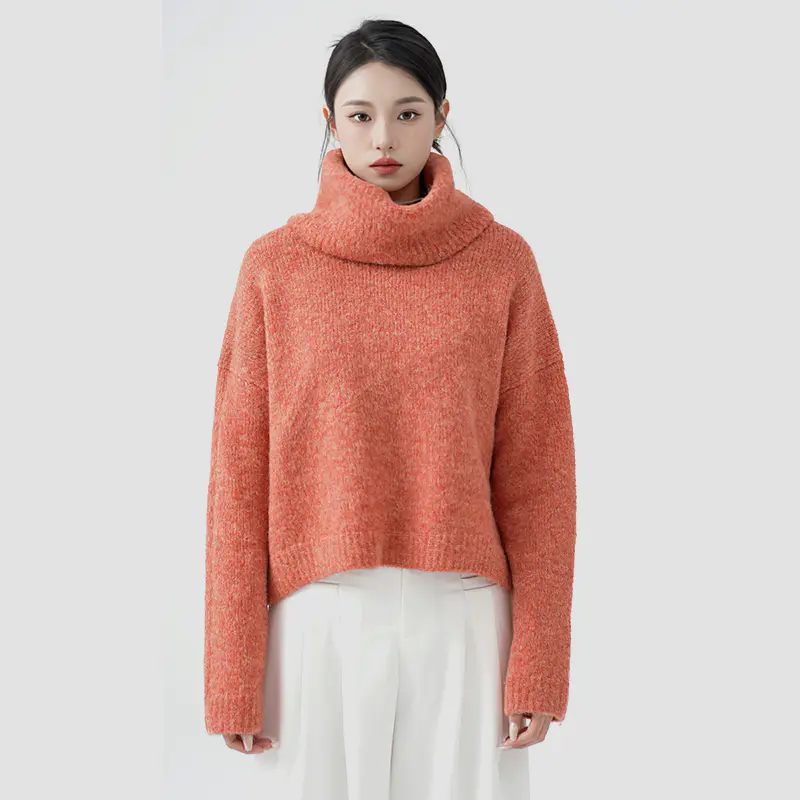
Orange Loose Neck Pullover Sweater
-
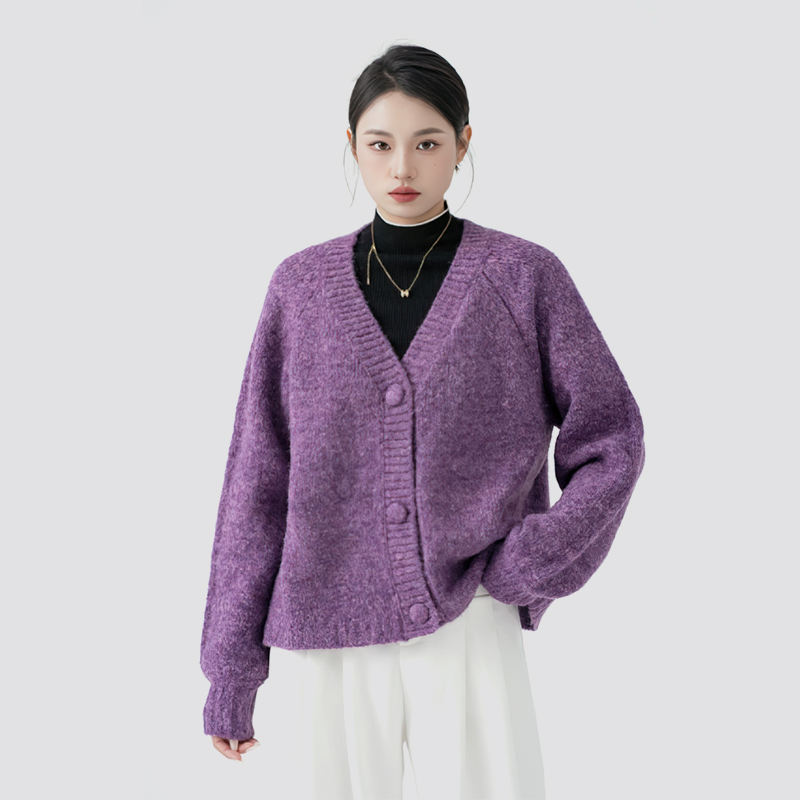
Romantic Purple Cardigan
-
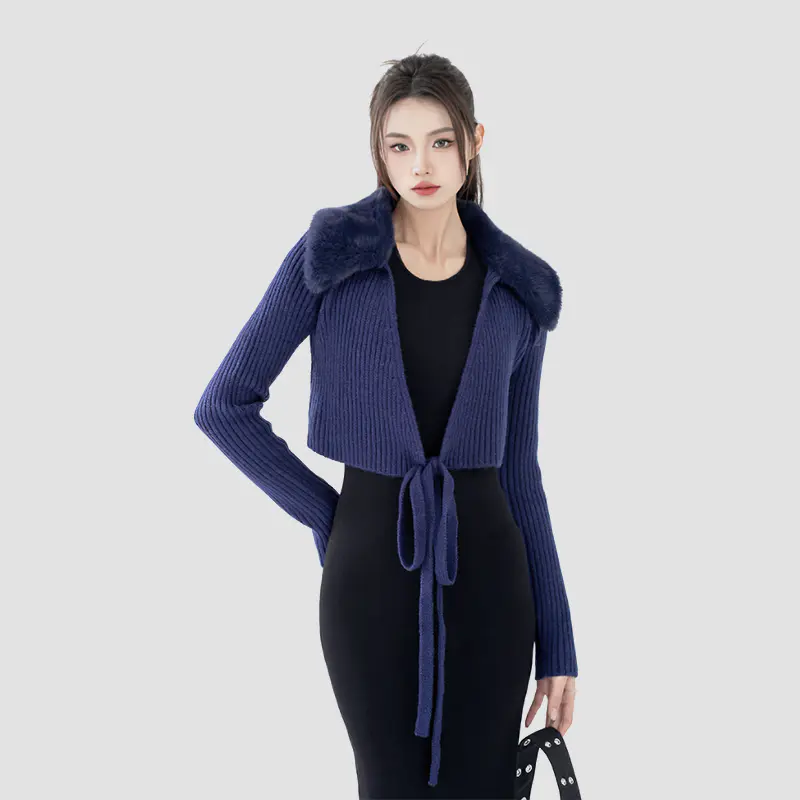
Fur Lapel Lace-up Cardigan
-
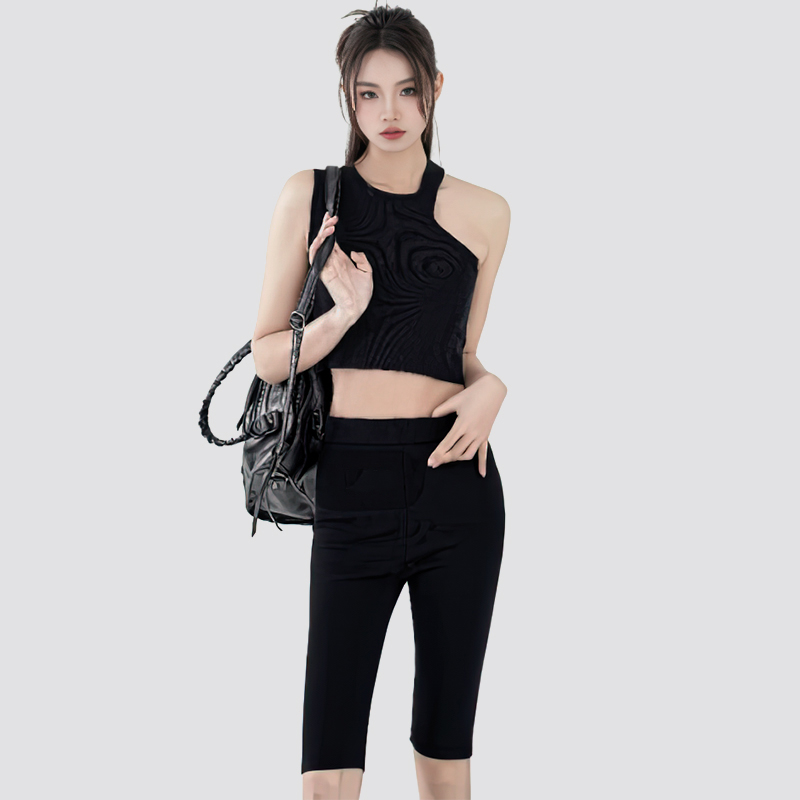
Cut Out Knitted Tank Top
-
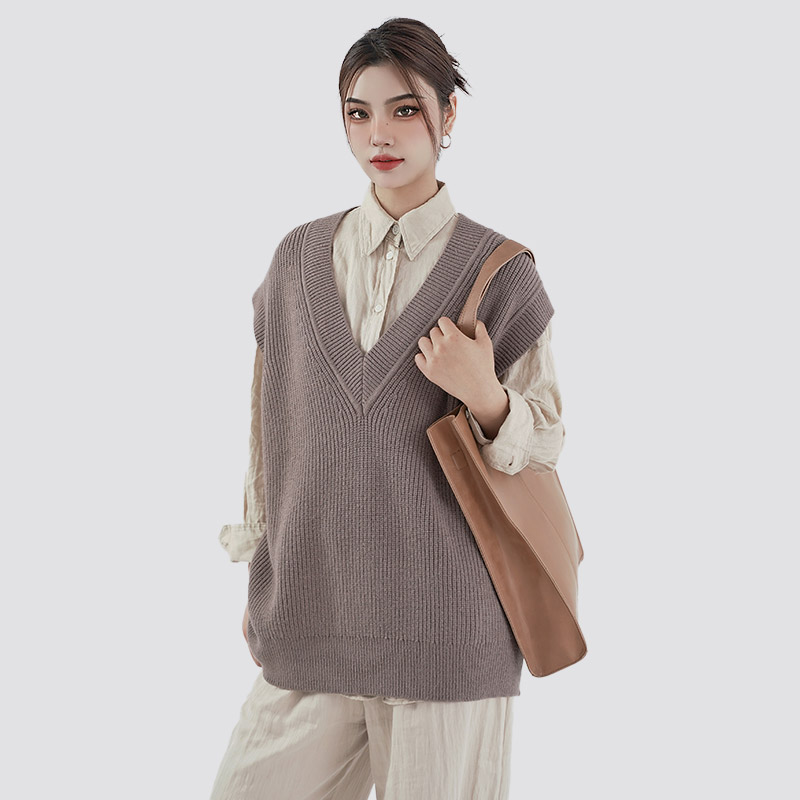
V-Neck Knitted Tank Top
-
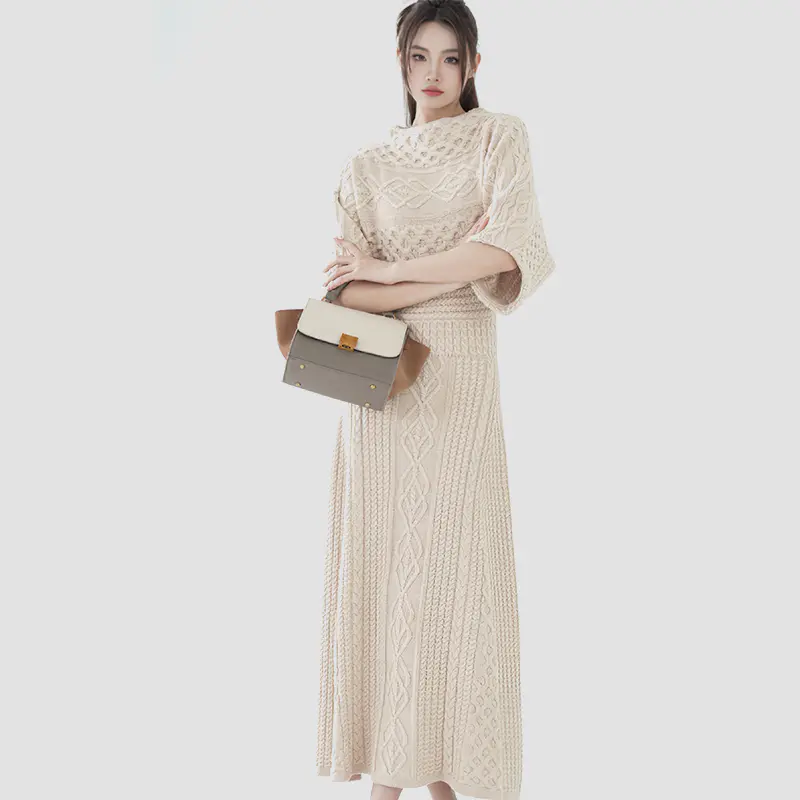
Swing Sweater Dress With Nipped Waist
-
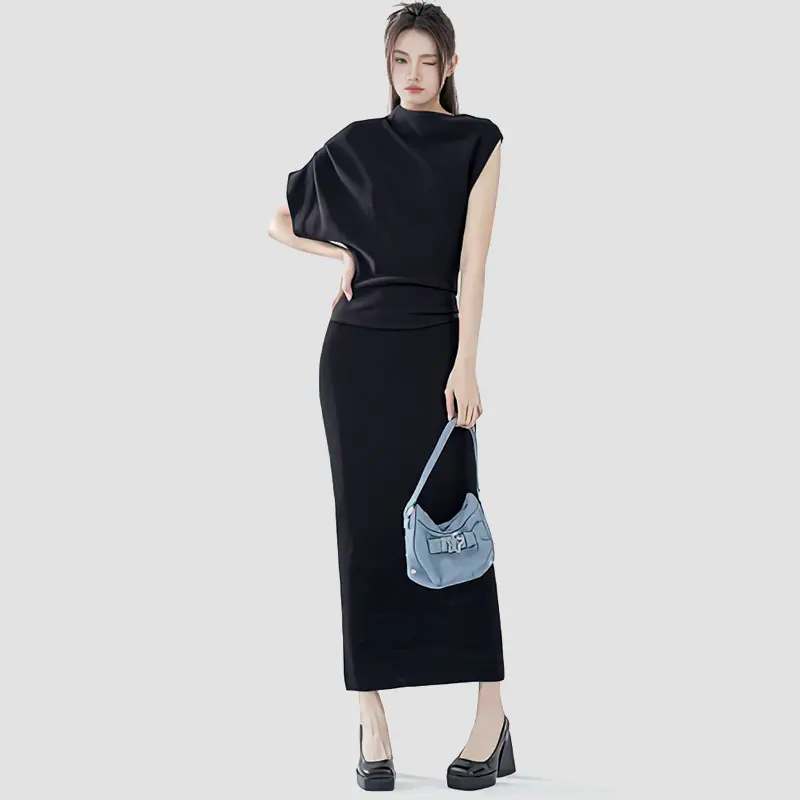
Stylish Asymmetrical Knit Long Dress
-
Gradient Color Side Split Half-Length Skirt
-
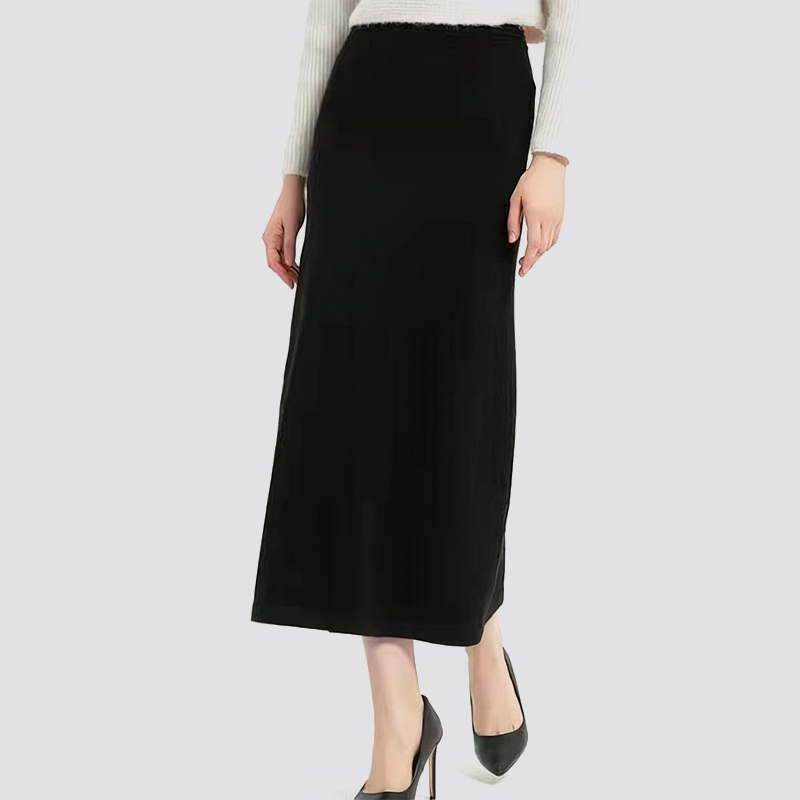
Black A-line Skirt
-
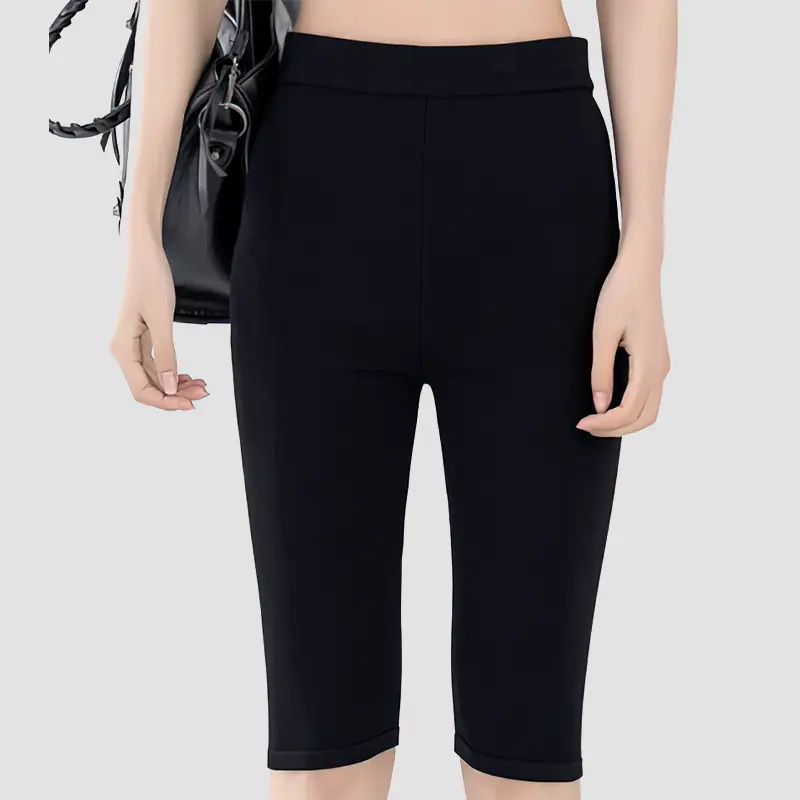
Thin Ice Silk Slimming Leggings
-
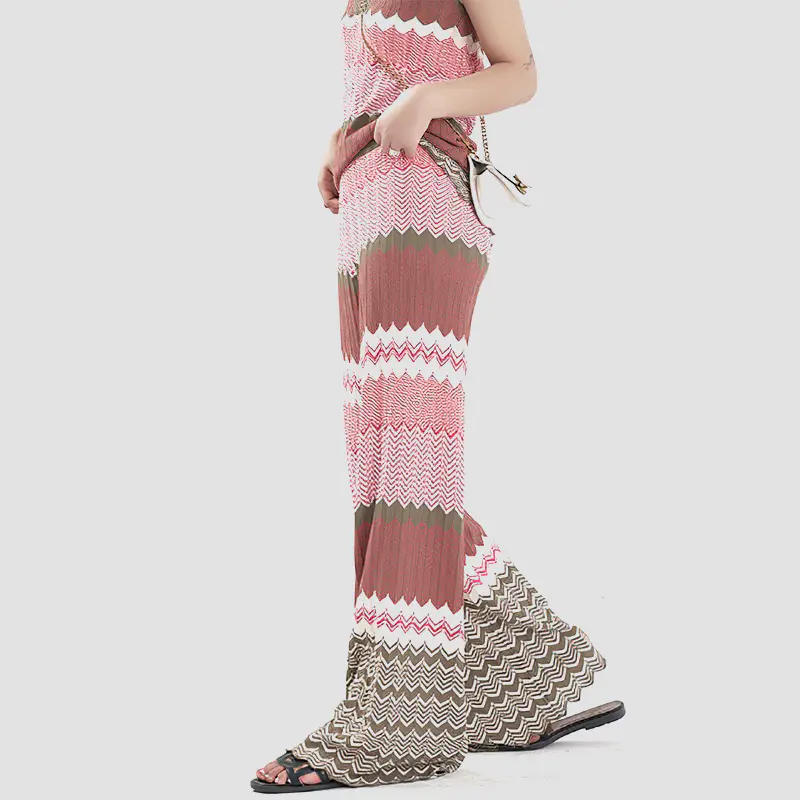
Draped Striped Loose Pants

-

Tel: +86-13913661100
-

Email: frank@sofiafashion.com
-

Add: No.886, Minfeng Road, Xushi Street, Dongbang Town, Changshu, Jiangsu, China
© 2023 Sofia Group. All rights reserved Design Custom Women's Knitted Sweaters Manufacturers
