


 English
 中文简体
中文简体 Español
Types of Fabric for Sweaters: A Knitwear Maker's Guide to Yarns and Fibre Blends
Ask a room full of people what their favourite sweater is made of and you will hear wool, cotton, cashmere, acrylic, and at least one fibre name that sounds like a chemistry lesson. Fabric is the single biggest decision behind any sweater, because it quietly decides warmth, weight, drape, how the garment behaves after the fifth wash, and how much it costs to produce.
We have spent close to two decades knitting sweaters for children, men and women, and the questions from buyers have barely changed in that time: is merino really worth the premium, will acrylic pill, does cotton belong in a winter pullover at all. This guide walks through the main families of sweater fabric, what each one does well, and where a blend usually makes more sense than a single fibre.
Content
- 1 Natural Animal Fibres: Wool, Merino, Cashmere, Alpaca and Mohair
- 2 Plant and Cellulosic Fibres: Cotton, Linen, Lyocell, Modal and Bamboo
- 3 Synthetic Fibres: Acrylic, Polyester, Nylon and Elastane
- 4 Blended Yarns: Where Most Commercial Sweaters Actually Live
- 5 Comparing Common Sweater Fabrics Side by Side
- 6 The Yarn and the Knit Matter as Much as the Fibre
- 7 Choosing a Sweater Fabric for a Product Line
- 8 Care Notes by Fibre Type
Natural Animal Fibres: Wool, Merino, Cashmere, Alpaca and Mohair
Animal fibres share one structural advantage: crimp, scales or hollow cores that trap air. That is why they feel warm without needing much thickness, and why they tend to spring back into shape rather than flatten out.
Wool and Merino
Sheep's wool is the workhorse of knitwear. Lambswool, taken from a young animal's first shearing, is softer and finer than standard wool and is a common choice for classic cable knits. Merino moves things further: at roughly 17 to 24 microns the fibres are fine enough to sit against skin without itching, and they manage moisture and odour unusually well, which makes merino the natural pick for base layers and travel sweaters.
Spinning changes the character as much as the breed does. Worsted-spun merino is smooth, dense and crisp, while woollen-spun merino is loftier, hairier and softer in the hand. Two sweaters with identical fibre content can feel completely different for this reason alone.
Cashmere
Cashmere is the downy undercoat of cashmere goats, typically 14 to 19 microns. Its reputation rests on warmth-to-weight ratio: a thin cashmere pullover can outperform a much heavier wool one. It is also the fibre most sensitive to quality. Long, well-sorted fibres survive years of wear, while short fibres in a loosely knitted fabric will pill within weeks. For that reason cashmere is often blended with a small amount of wool or silk for strength.
Alpaca and Mohair
Alpaca has a partly hollow fibre, which gives it excellent insulation and a fluid, heavier drape than wool. It has less crimp, so it hangs rather than hugs. Mohair comes from the Angora goat and is long, lustrous and famously fuzzy; kid mohair from the first shearing is noticeably softer than adult fibre. Both are frequently blended with wool or nylon to control cost and improve durability.
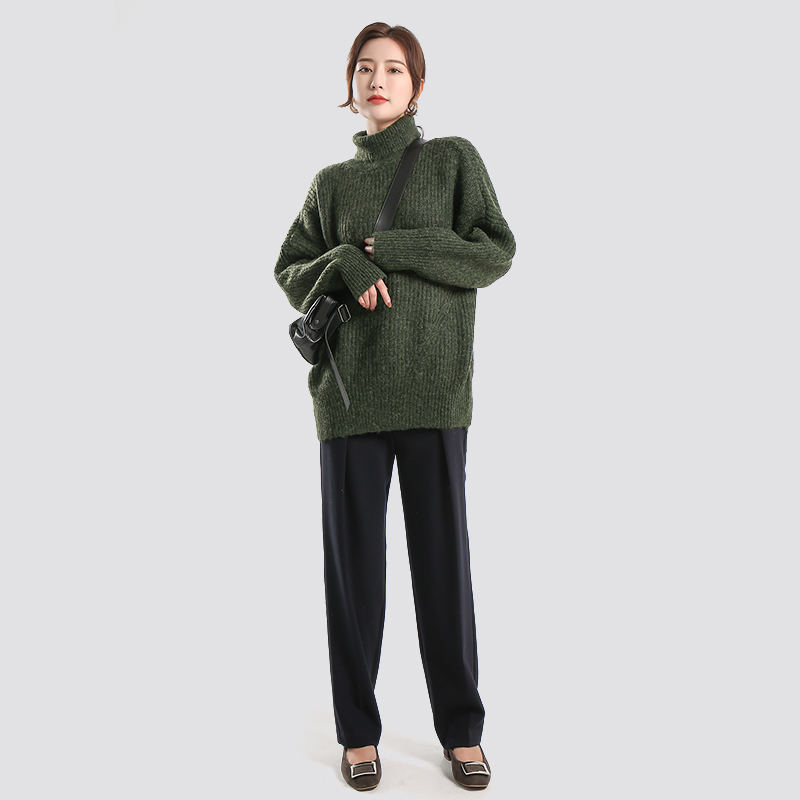 Cashmere-Feel Dark Green Wool-Blend Knitted Pullover SweaterThis dark green knitted pullover blends acrylic, polyester, and wool for a cashmere-like handfeel, warmth, softness, and an accommodating, shape-retaining fit.View Product →
Plant and Cellulosic Fibres: Cotton, Linen, Lyocell, Modal and Bamboo
Plant-based and regenerated cellulosic fibres are absorbent and cool to the touch. They contain no animal content, which matters for vegan ranges, and they generally dye and wash more predictably than animal fibres.
Cotton
Cotton is the backbone of spring and summer knitwear and of childrenswear. Combed, long-staple cotton produces a smooth, strong yarn that holds a clean shape; mercerised cotton adds a subtle sheen. Cotton is breathable and machine washable, but it is a poor insulator when damp, and a heavy cotton sweater can feel like a weight on the shoulders. It also has less natural recovery than wool, so ribbed edges can stretch over time if the knit is too loose.
Linen and Ramie
These are rarely used alone in sweaters because they have almost no elasticity. In blends of 20 to 40 percent they contribute a dry, cool hand and a subtle slub texture that reads as relaxed and summery.
Lyocell, Modal and Bamboo Viscose
Regenerated cellulose fibres are made from wood or bamboo pulp. Lyocell, often sold under the brand name Tencel, is produced in a closed-loop solvent process and gives a smooth, cool surface with excellent drape, which is why it shows up in fine-gauge tops, tank knits and long summer dresses. Modal is softer and slightly more resistant to shrinkage. Bamboo viscose feels silkier still but loses strength when wet, so it is usually blended with cotton or a small amount of synthetic fibre.
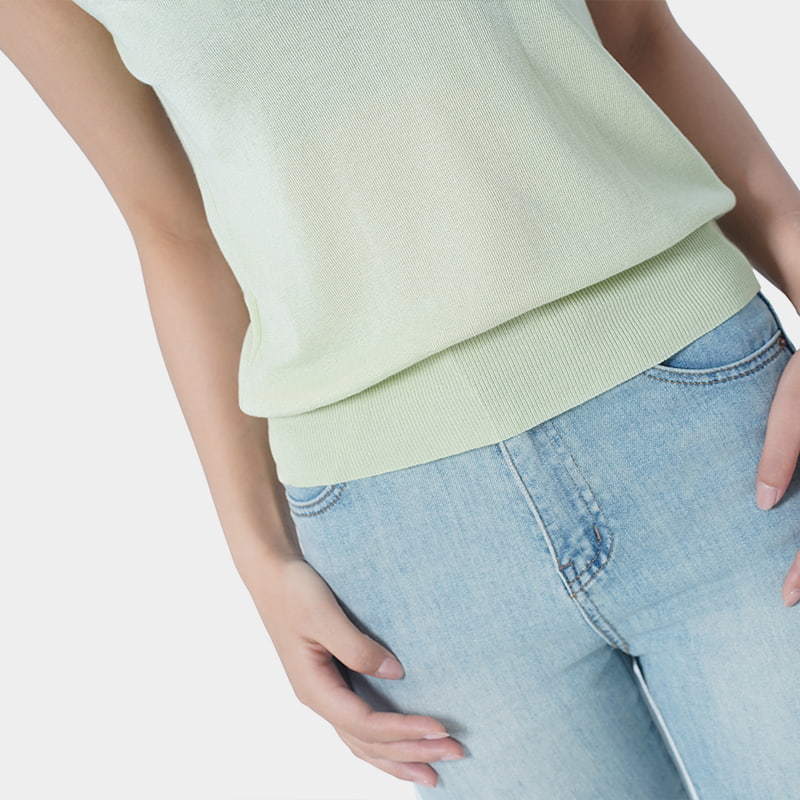 Dry and Breathable Lyocell Sleeveless Polo Knit TopA summer sleeveless polo knit top in Lyocell yarn, designed for breathability, a cool feel, and a slimming arm-flattering look.View Product →
Synthetic Fibres: Acrylic, Polyester, Nylon and Elastane
Synthetics exist for practical reasons rather than romance: predictable pricing, vivid colour, machine washability and strength. Used thoughtfully, they improve a garment. Used carelessly, they are what gives "cheap sweater" its meaning.
Acrylic
Acrylic is the closest thing to a wool substitute. It is soft, light, dyes brilliantly and costs a fraction of merino. Its weaknesses are pilling, static and a tendency to lose shape in a loose knit. Brushed acrylic can imitate lambswool convincingly, which is why it dominates budget and childrenswear ranges.
Polyester and Nylon
Polyester is rarely the main fibre in a quality sweater. It appears in blends to add wrinkle resistance, strength or a base for printing. Nylon, also listed as polyamide, is the more useful partner for wool: 5 to 15 percent nylon in a wool or sock yarn noticeably improves abrasion resistance without changing the hand much.
Elastane and Spandex
Two to five percent elastane gives a knit the ability to recover. That is what keeps ribbed cuffs from gaping, fitted tops from sagging and knitted skirts and trousers from growing a size by mid-afternoon.
Blended Yarns: Where Most Commercial Sweaters Actually Live
The sweater on a shop shelf is rarely 100 percent of anything. Blending solves several problems at once: it controls cost, improves durability, adjusts the hand feel and stabilises dyeing. Some combinations worth knowing:
- Wool with nylon at roughly 85/15: keeps warmth, adds abrasion resistance for everyday wear.
- Cashmere with silk or fine wool: adds strength and a drier touch, reduces pilling.
- Cotton with acrylic: more affordable, better shape retention, easier care.
- Wool with viscose or lyocell: softer hand and more drape at a lower price point.
- Acrylic with polyester: a low-cost base that holds bright colours well.
Always ask for exact percentages rather than a general description. A shift of five percent in one component can change the feel, the weight and the wash behaviour of the finished garment, and the fibre listed first on a care label is the one present in the greatest proportion.
Comparing Common Sweater Fabrics Side by Side
If you need a quick reference rather than a full explanation, the table below summarises how the most frequently knitted fibres behave.
| Fibre | Warmth | Softness | Shape retention | Best suited to |
|---|---|---|---|---|
| Merino wool | High | Very soft | Good | Base layers, fine-gauge pullovers |
| Lambswool | High | Medium | Good | Cable knits, classic cardigans |
| Cashmere | Very high | Very soft | Moderate | Lightweight luxury sweaters |
| Alpaca and mohair | Very high | Soft, hairy | Moderate | Drapey knits, halo styles |
| Cotton | Low to medium | Soft, cool | Good | Summer knits, childrenswear |
| Lyocell and modal | Low | Very soft, cool | Moderate | Spring and summer knit tops |
| Acrylic | Medium to high | Soft | Moderate | Budget ranges, bright colours |
The Yarn and the Knit Matter as Much as the Fibre
Two sweaters can share a fibre composition and still behave like strangers. Spinning method is the first variable. Worsted yarns are combed to align the fibres, producing a smooth, strong, denser fabric. Woollen yarns are carded instead, leaving fibres crossed and airy, which gives loft and a softer surface at the cost of some strength.
Gauge is the second variable. A 3-gauge chunky knit uses thick yarn and few stitches per inch, so it is warm, quick to produce and prone to stretching. A 12- to 16-gauge fine knit uses thin yarn and many stitches, giving a smoother surface that holds shape better and layers easily under a coat. Stitch choice adds the third layer of character: plain jersey is the most economical, ribbing adds stretch and recovery, cables add texture and weight, and jacquard or intarsia allow pattern work without printing.
We go further into how fibre and yarn structure interact in day-to-day production in our article on yarn composition and performance in knitted sweaters.
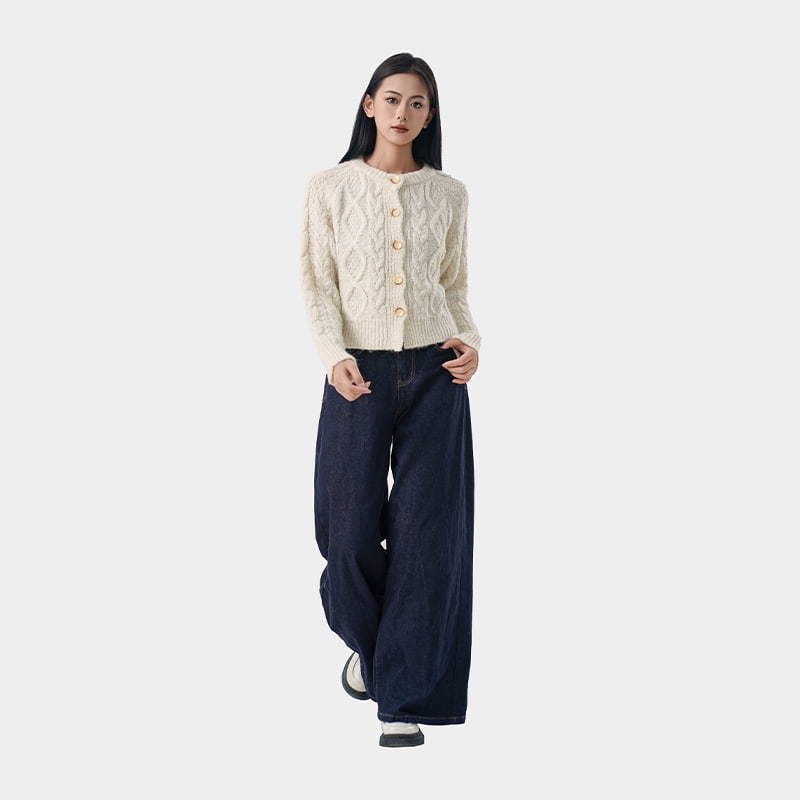 Plush Round-Neck Diamond Cable-Knit Open-Front CardiganA fluffy round-neck cardigan with diamond cable-knit detailing and an open-front shape, designed for versatile three-season wear.View Product →
Choosing a Sweater Fabric for a Product Line
For brands, retailers and wholesalers, the decision is usually a balance rather than a preference. The questions we ask buyers before sampling tend to be the following.
- Climate and season: is this a mid-winter piece or a transitional layer? Warmth requirement narrows the fibre list immediately.
- Price point and market: cashmere, merino and lambswool sit in different brackets, and acrylic allows volume without stretching the budget.
- Care expectations: if the customer expects to machine wash and tumble dry, cotton and synthetic blends are more forgiving than pure wool or cashmere.
- Hand feel and drape: do you want density and structure, or softness and fluidity? This decides both fibre and gauge.
- Testing and certification: pilling, colourfastness and shrinkage tests should be agreed before bulk production, and responsible wool, organic cotton or OEKO-TEX certification may be required by your market.
- Yarn availability and lead time: a beautiful fibre that cannot be sourced in your colourway on schedule is not a workable choice.
If you are working through these points for the first time, our sweater FAQ covers the practical side of sampling, sizing and care labelling.
Care Notes by Fibre Type
Correct care extends a sweater's life far more than any additive or finish. A short guide by fibre family:
- Wool, merino, cashmere, alpaca and mohair: hand wash cool or use a wool cycle, dry flat away from direct heat, and never hang a wet sweater.
- Cotton: machine wash at low temperature, expect slight shrinkage on the first wash, and use a low tumble dry setting.
- Lyocell, modal and bamboo viscose: gentle cycle, dry flat, and keep heat low because these fibres weaken when wet.
- Acrylic: machine wash cool and dry flat; high heat will relax the knit and distort the shape.
- Blends: always follow the most delicate fibre in the mix rather than the dominant one.
Understanding the types of fabric for sweaters is really about matching a fibre's nature to a purpose. Wool and its animal cousins bring warmth, recovery and a hand that improves with wear. Cotton and cellulosic fibres bring breathability, drape and easy care. Synthetics bring durability, colour and cost control, and blends bring all of it together in one yarn.
We knit children's, men's and women's sweaters across a wide range of gauges and fibres, from fine merino pullovers to chunky cable cardigans, and we are always happy to talk through fibre options for a specific season, price point or care label. Send us a sketch, a reference sample or a yarn idea, and we will tell you honestly which fabric will do the job.
Recommended Products
-
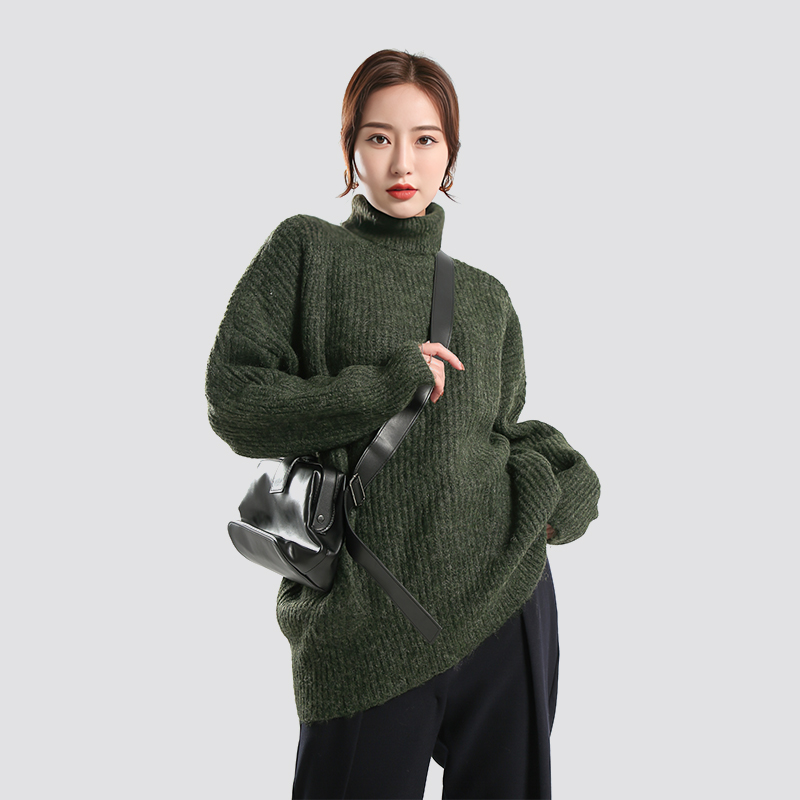
Cashmere handfeel Dark Green Wool Sweater
-
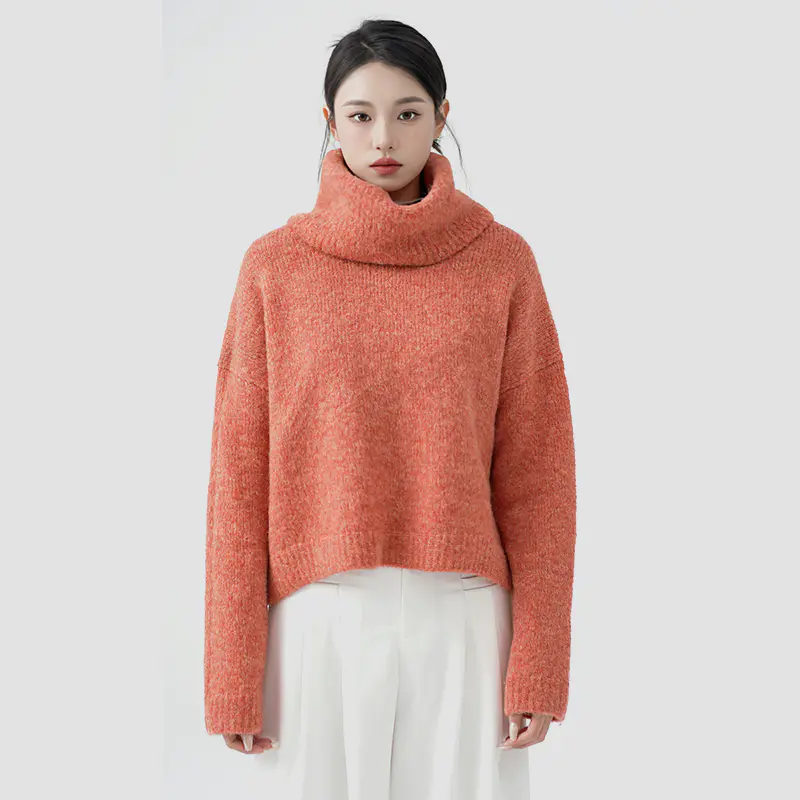
Orange Loose Neck Pullover Sweater
-
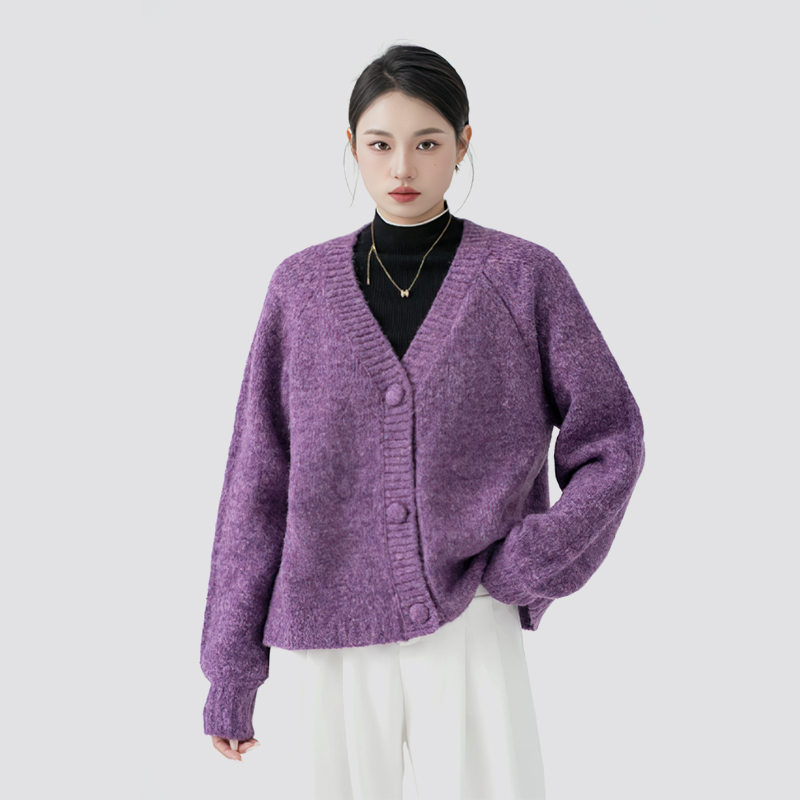
Romantic Purple Cardigan
-
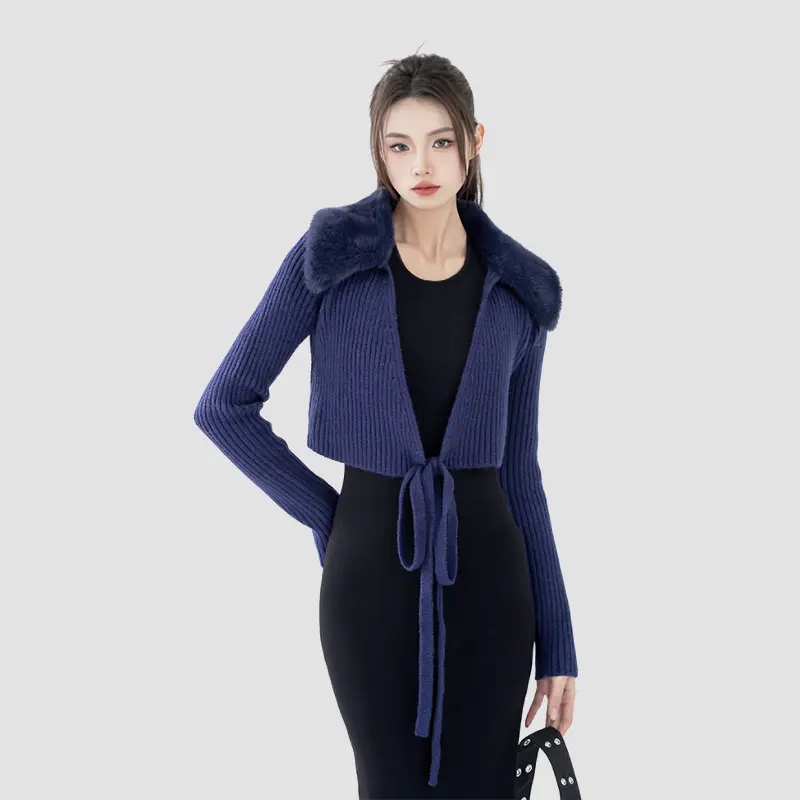
Fur Lapel Lace-up Cardigan
-
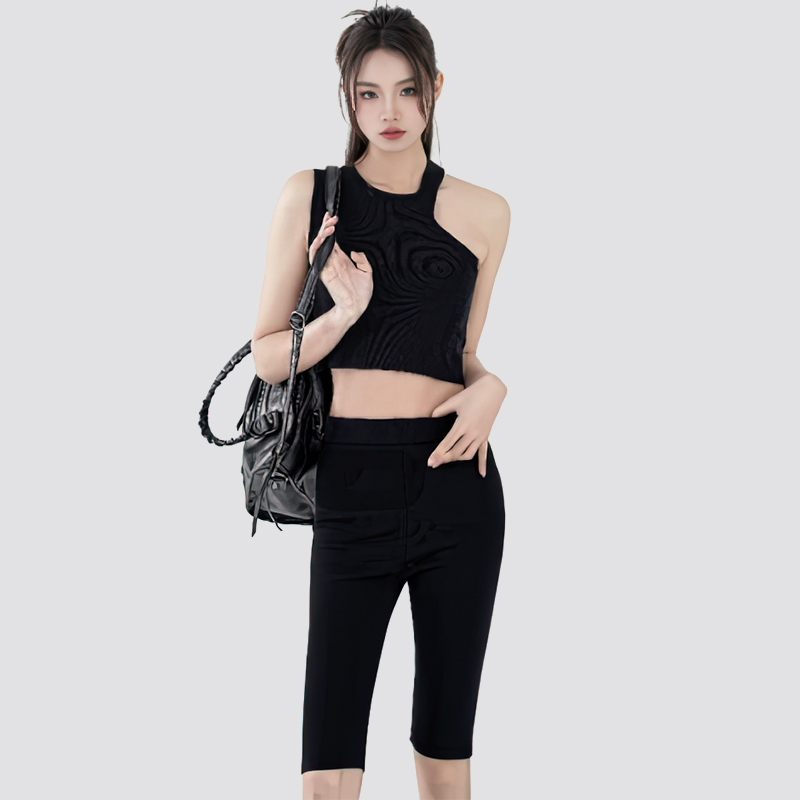
Cut Out Knitted Tank Top
-
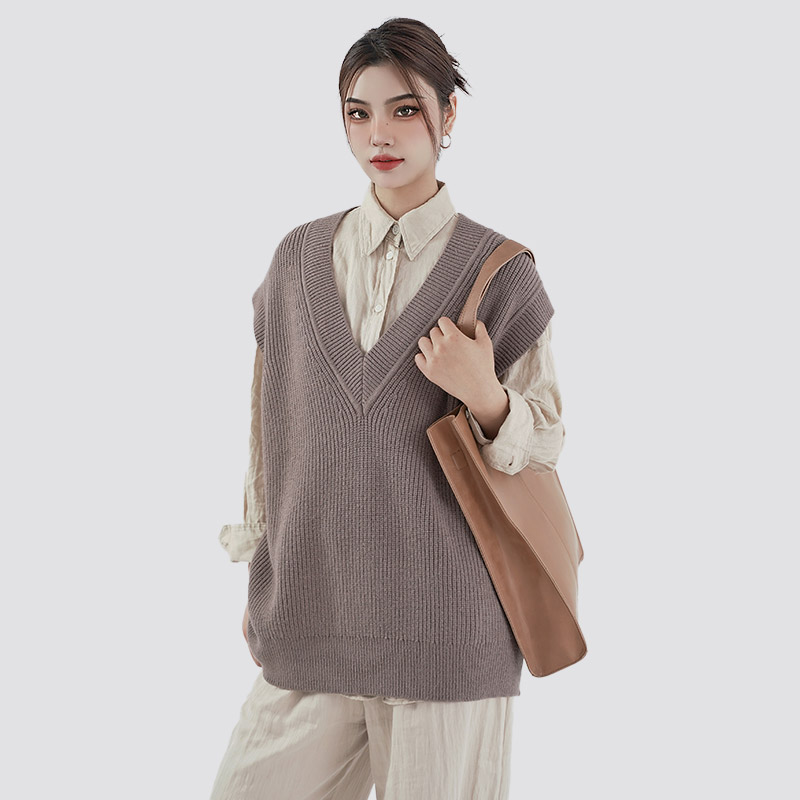
V-Neck Knitted Tank Top
-
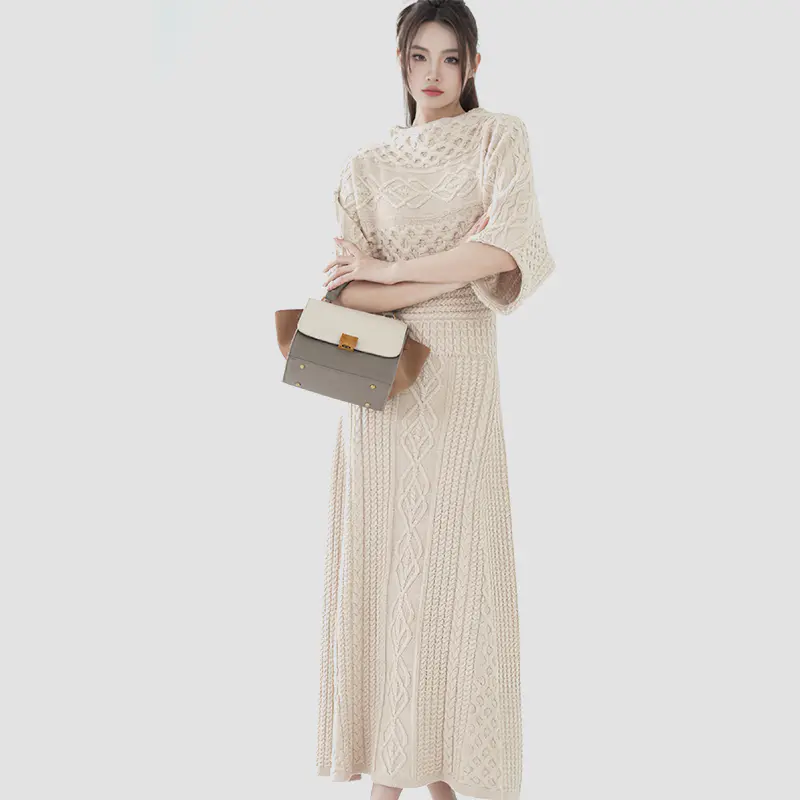
Swing Sweater Dress With Nipped Waist
-
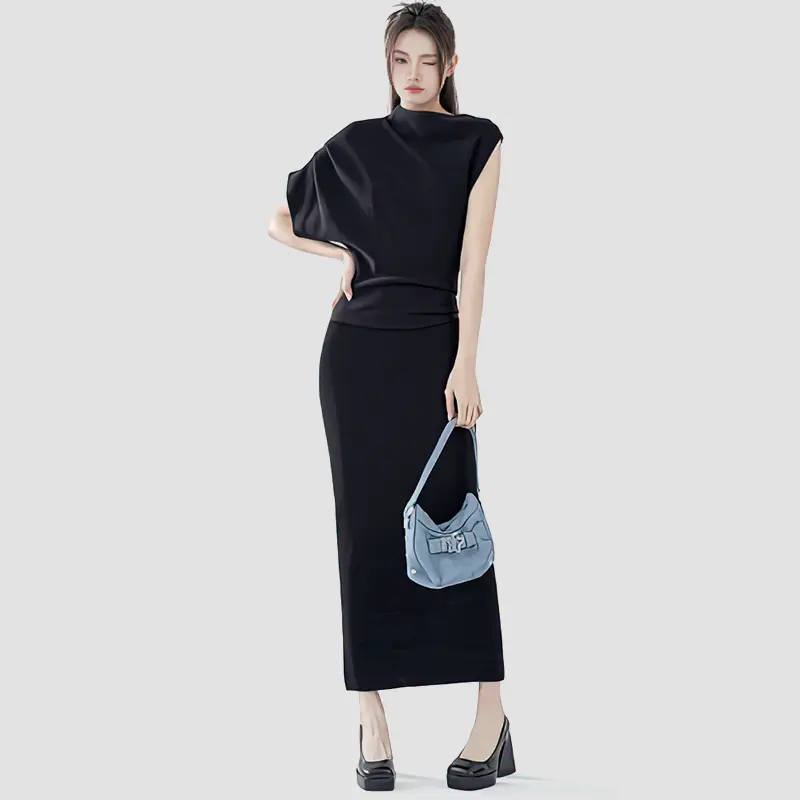
Stylish Asymmetrical Knit Long Dress
-
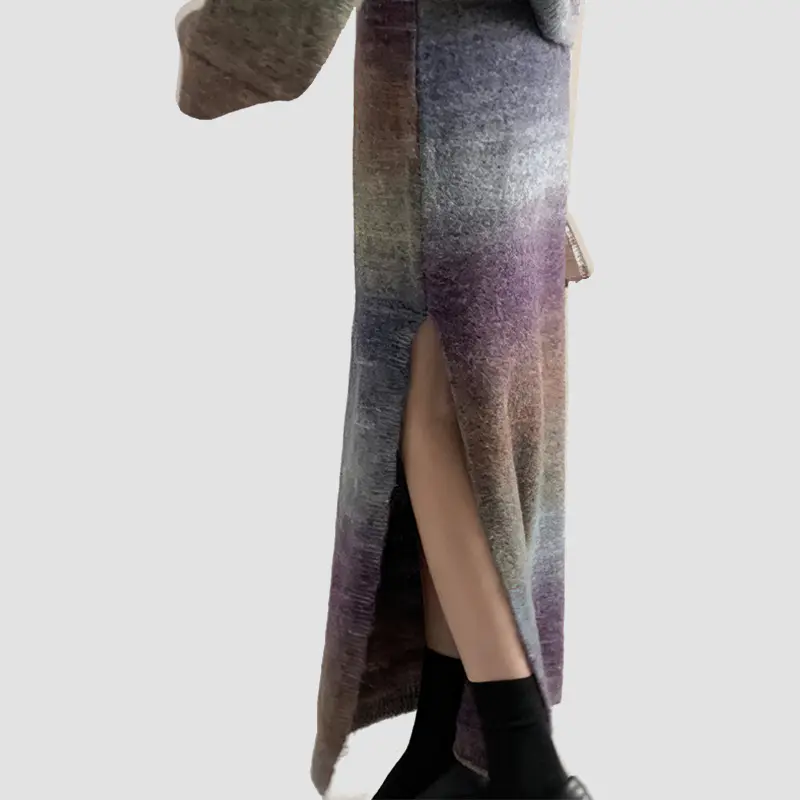
Gradient Color Side Split Half-Length Skirt
-
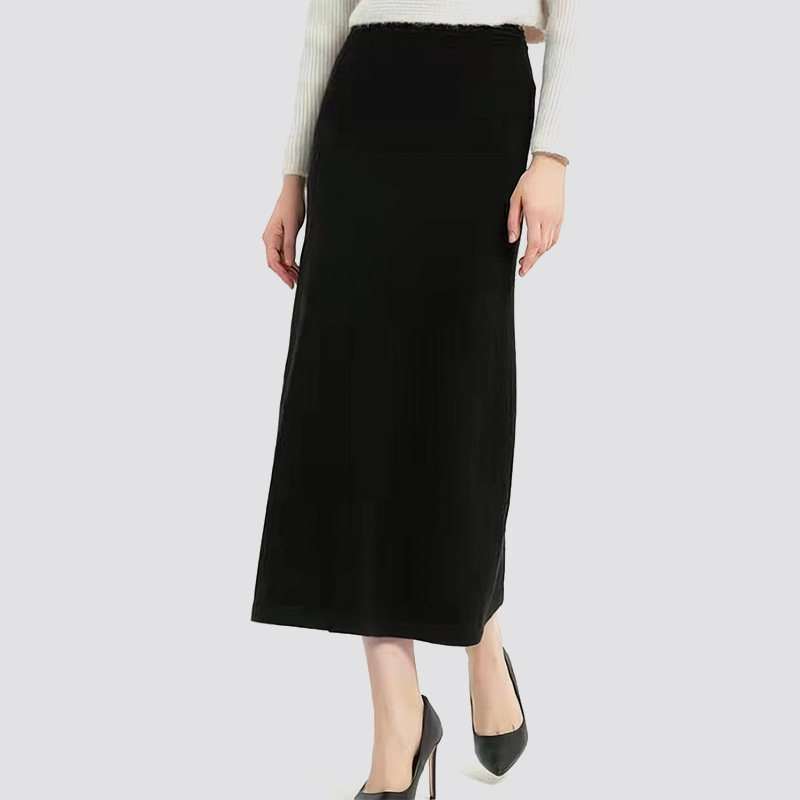
Black A-line Skirt
-
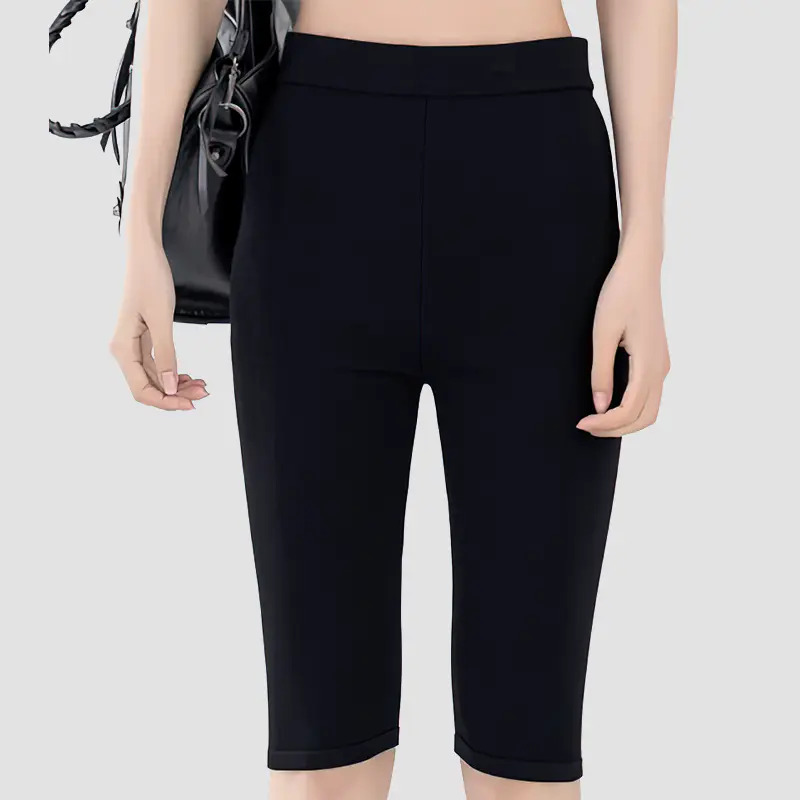
Thin Ice Silk Slimming Leggings
-
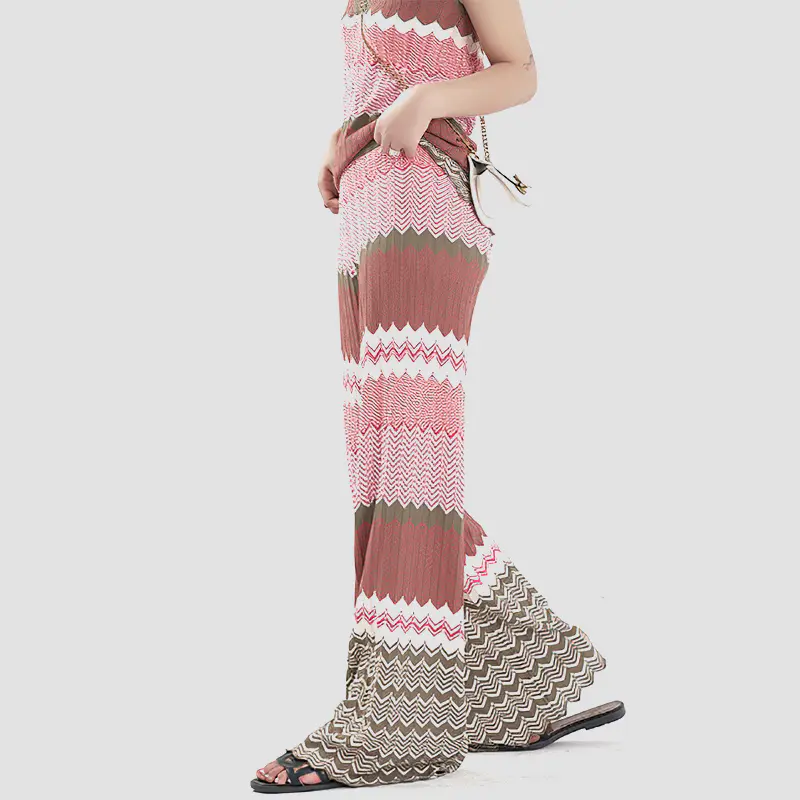
Draped Striped Loose Pants


-

Tel: +86-13913661100
-

Email: frank@sofiafashion.com
-

Add: No.886, Minfeng Road, Xushi Street, Dongbang Town, Changshu, Jiangsu, China
© 2023 Sofia Group. All rights reserved Design Custom Women's Knitted Sweaters Manufacturers
