


 English
 中文简体
中文简体 Español
What Makes a Long Knitted Skirt's Fishbone Construction Worth the Extra Cost?
Content
- 1 What Sets a Long Knitted Skirt Apart in Design
- 2 How a Simple V-Neck Detail Improves Overall Proportion
- 3 The Role of Fishbone Structuring in Body Shaping
- 4 Hand-Sewn Fishbone Process and Why It Increases Value
- 5 Comparing Construction Methods for Long Knitted Skirts
- 6 Styling Considerations for a Long Knitted Skirt
- 7 Quality Checks Before Placing a Bulk Order
What Sets a Long Knitted Skirt Apart in Design
A long knitted skirt combines the comfort and stretch of knit fabric with a silhouette that flatters a wide range of body types when the design details are executed well. The knit construction itself provides natural give, allowing the garment to move with the body rather than restrict it, while still holding its shape over a full day of wear. This makes knitted fabric a practical choice for long-length skirts, which otherwise risk feeling heavy or stiff if made from less flexible material.
Beyond fabric choice, the design elements built into a long knitted skirt, such as neckline shaping on a paired top, structural seaming through the body, and construction technique, all contribute to how the finished garment looks and feels once worn. These details matter significantly for manufacturers and buyers evaluating skirt designs for a collection, since small design choices can shift a garment from looking basic to looking tailored and considered.
How a Simple V-Neck Detail Improves Overall Proportion
When a long knitted skirt is paired with a coordinating top or a one-piece knit dress design, a small V-neck detail plays a meaningful role in shaping how the outfit reads visually. The V-neck draws the eye downward and inward, which has the effect of elongating the neckline and softening the face shape by breaking up a straight horizontal collar line.
Why a Small V-Neck Works Better Than a Deep Cut
A modest, small V-neck achieves the lengthening effect without requiring a plunging cut that may not suit all markets or customer preferences. This makes it a versatile design choice for wholesale collections, since it appeals to a broader range of buyers who want a flattering neckline without a design that skews too revealing for their retail audience.
Pairing Neckline Shape with Overall Garment Length
On a long-length garment, neckline detail becomes even more important for balancing proportions, since the eye naturally travels the length of the garment. A well-placed V-neck helps prevent the overall silhouette from reading as flat or overly elongated in a way that feels unbalanced.
The Role of Fishbone Structuring in Body Shaping
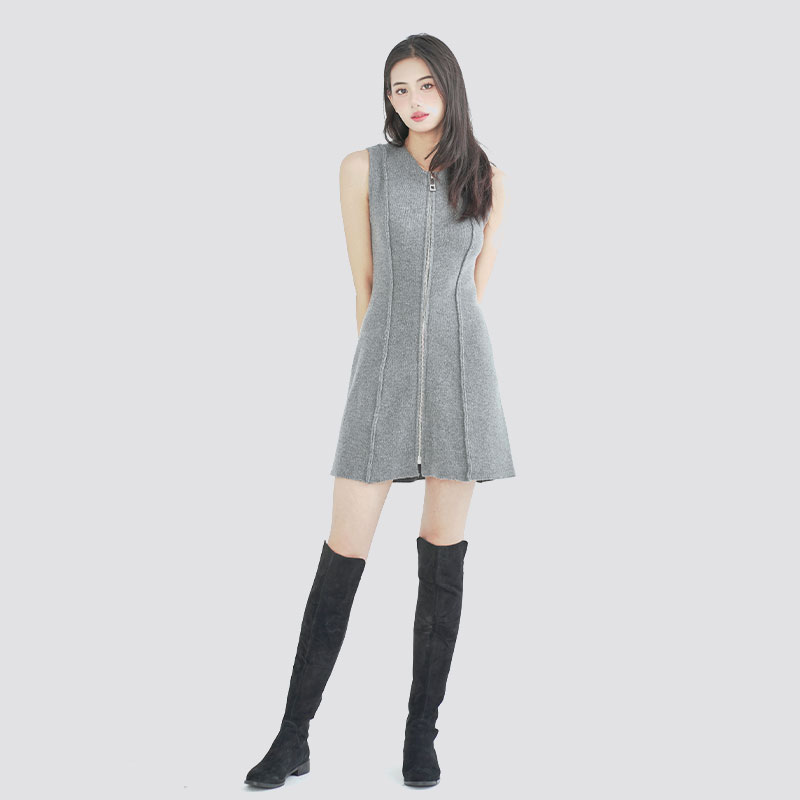
Fishbone construction, sometimes referred to as boning or structural seaming, involves inserting rigid or semi-rigid support elements into the body of the garment along key seam lines. In a long knitted skirt or dress, this technique creates gentle shaping through the torso and waist area, giving the garment more structure than a standard knit piece would have on its own.
This structuring serves two main purposes. First, it helps the garment hold its shape against the body rather than hanging loosely, which contributes to a more polished, tailored appearance even in a soft knit fabric. Second, it visually elongates the figure by creating clean vertical lines through the body, which pairs well with the neckline shaping to create an overall taller, slimmer silhouette.
Hand-Sewn Fishbone Process and Why It Increases Value
Unlike machine-inserted boning, a hand-sewn fishbone process requires manual placement and stitching of each structural element into the garment. This adds production time and labor cost compared to fully machine-based construction, but it also introduces a level of craftsmanship that affects how the finished piece looks and feels.
- Each piece carries slight natural variation, since hand placement isn't perfectly uniform across a production run
- The structural support tends to sit more precisely against individual body contours compared to rigid machine-set boning
- The garment reads as more considered and design-forward, supporting a higher perceived value at retail
- Production lead time increases due to the manual labor involved in the sewing process
For buyers positioning a collection at a mid-to-premium price point, this trade-off between cost and perceived craftsmanship often works in favor of the hand-sewn approach, since it gives the garment a distinguishing detail that machine-only construction can't replicate exactly.
Comparing Construction Methods for Long Knitted Skirts
Buyers evaluating skirt designs for a production order often need to weigh cost against the design impact of different construction choices. The table below outlines how hand-sewn fishbone construction compares to standard machine construction across key factors.
| Construction Method | Production Cost | Visual Effect | Consistency Across Units |
| Hand-Sewn Fishbone | Higher | Distinctive, higher-end appearance | Slight natural variation piece to piece |
| Machine-Set Boning | Lower | Uniform, standard structured look | Highly consistent |
| No Structural Boning | Lowest | Soft, relaxed drape without shaping | Fully consistent |
This comparison helps buyers decide which construction approach aligns best with their collection's price point, target customer, and desired positioning in the market.
Styling Considerations for a Long Knitted Skirt
Beyond construction detail, how a long knitted skirt is styled and merchandised affects how well it performs at retail. Since knit fabric drapes differently than woven fabric, styling guidance for retail partners or marketing materials can help set accurate customer expectations.
- Pair with fitted tops to balance the flow of a long knit silhouette
- Recommend footwear that complements the garment's length, such as pointed flats or low heels, to avoid visually shortening the silhouette
- Highlight the structural fishbone detail in product photography from an angle that shows the shaping effect clearly
- Suggest layering options for colder climates, since knit fabric alone may need an added layer in lower temperatures
Providing this kind of styling context alongside product listings or line sheets can help retail buyers and end customers understand the garment's design intent more clearly, which supports stronger sell-through at retail.
Quality Checks Before Placing a Bulk Order
Before committing to a full production run of a long knitted skirt with hand-sewn fishbone detailing, it's worth requesting a sample piece to evaluate construction quality firsthand. Checking that the fishbone elements are evenly placed, securely stitched, and don't create visible puckering on the knit fabric surface helps confirm the manufacturer's hand-sewing quality meets expectations. It's also useful to test the garment's stretch recovery after wear, since knit fabric combined with structural boning needs to maintain its shape without the boning creating stiffness that limits natural movement.
Recommended Products
-
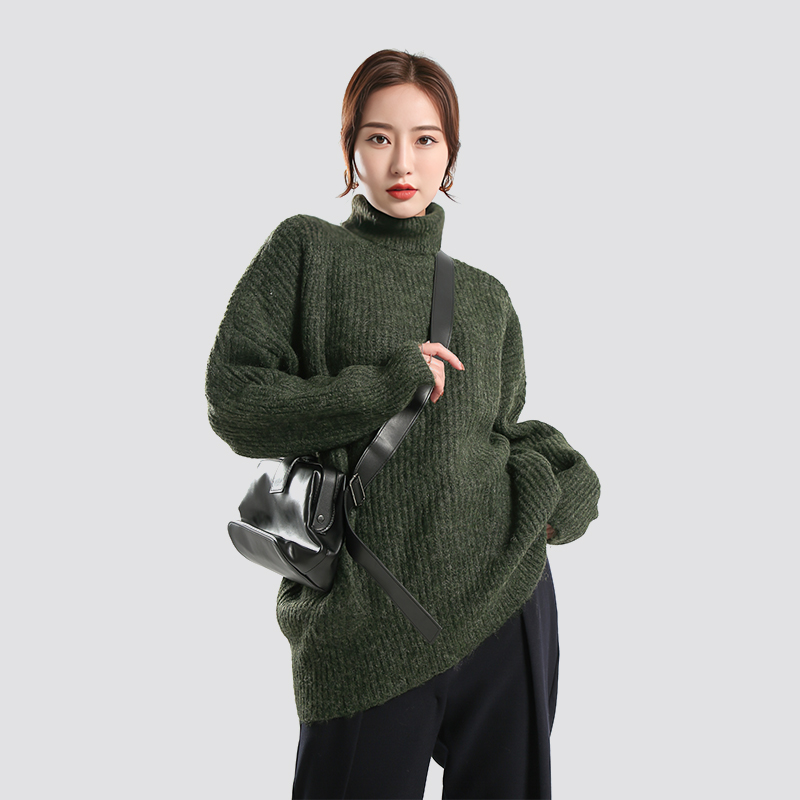
Cashmere handfeel Dark Green Wool Sweater
-
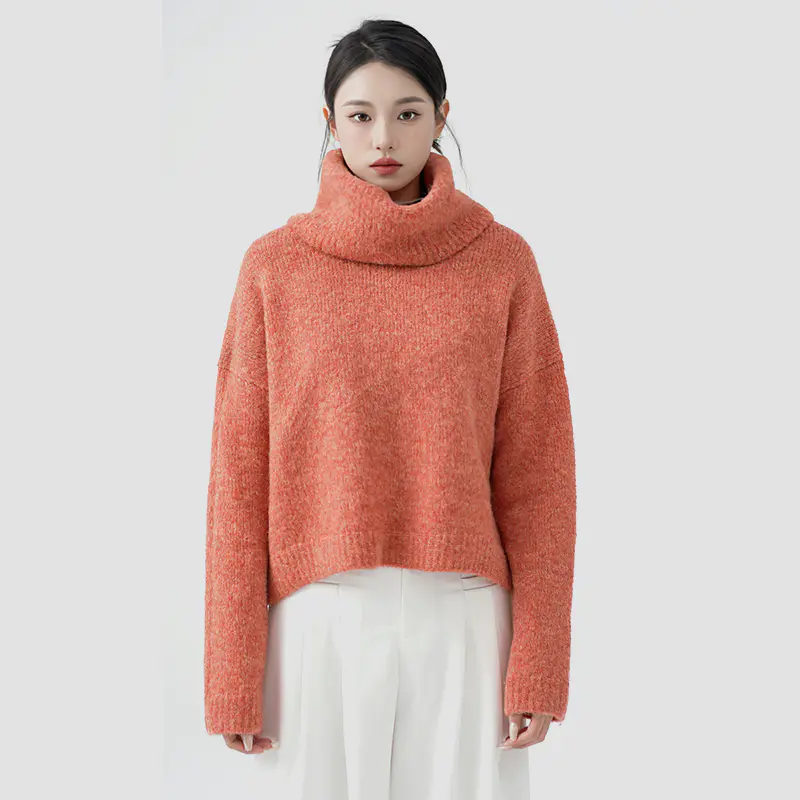
Orange Loose Neck Pullover Sweater
-
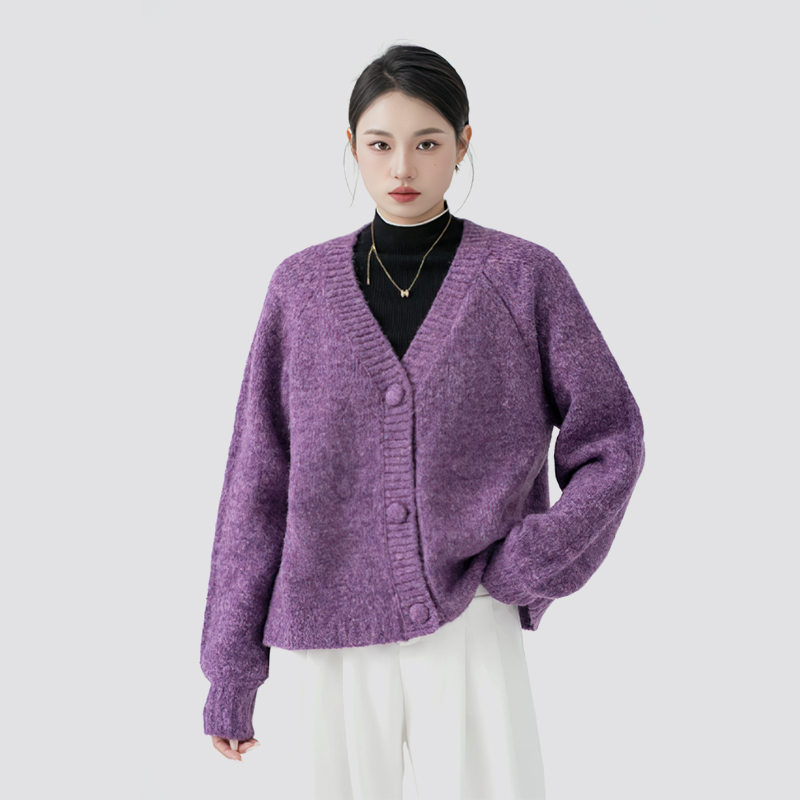
Romantic Purple Cardigan
-
Fur Lapel Lace-up Cardigan
-
Cut Out Knitted Tank Top
-
V-Neck Knitted Tank Top
-
Swing Sweater Dress With Nipped Waist
-
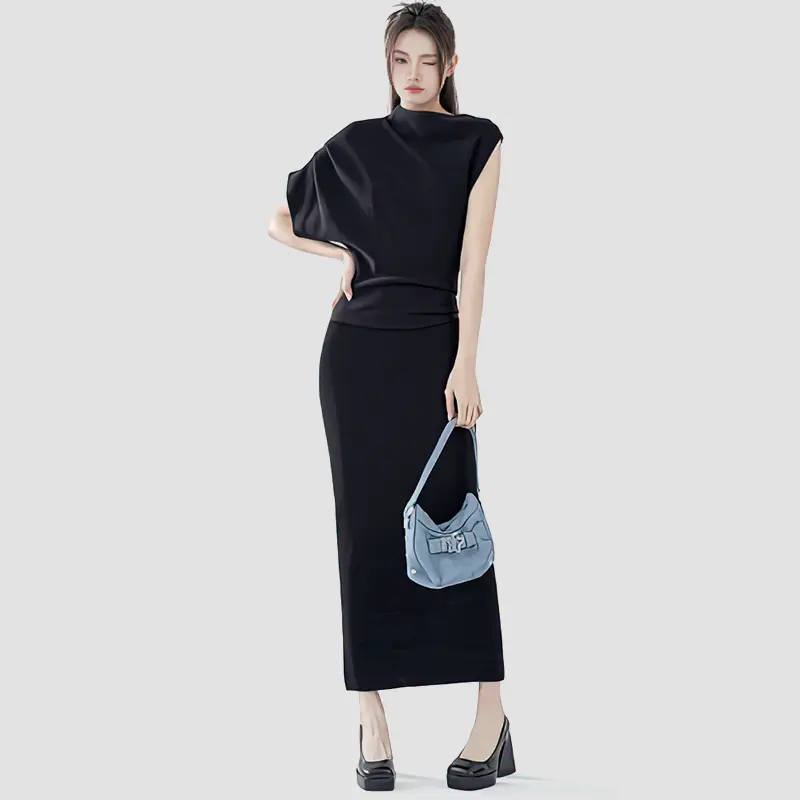
Stylish Asymmetrical Knit Long Dress
-
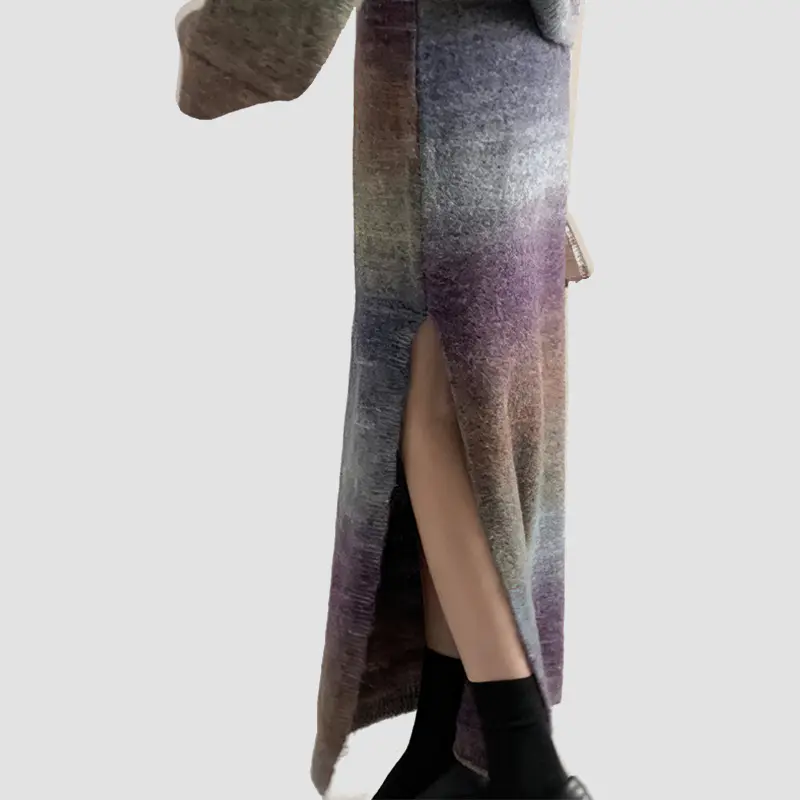
Gradient Color Side Split Half-Length Skirt
-
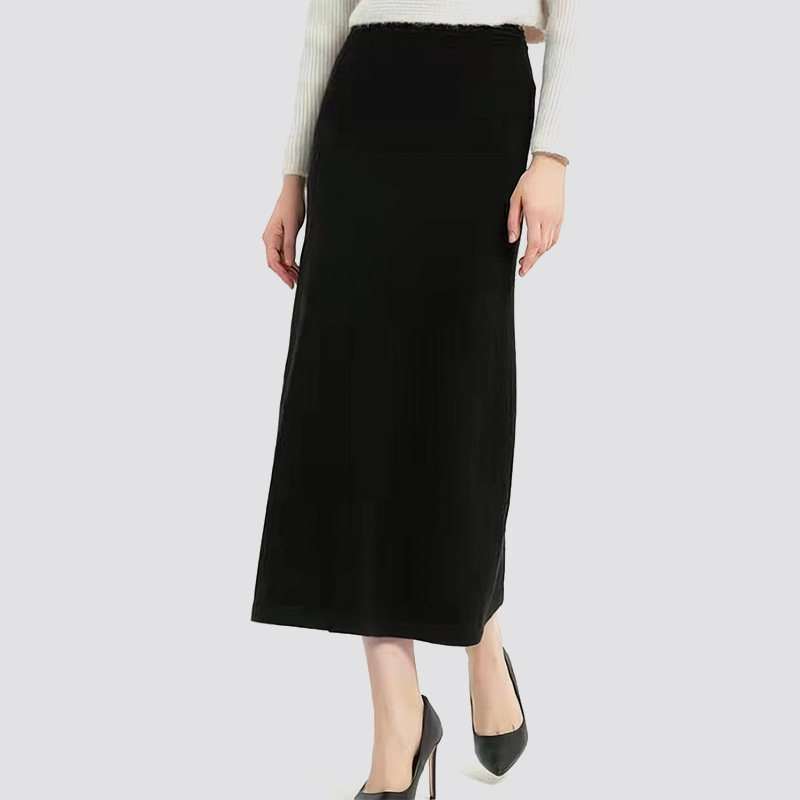
Black A-line Skirt
-
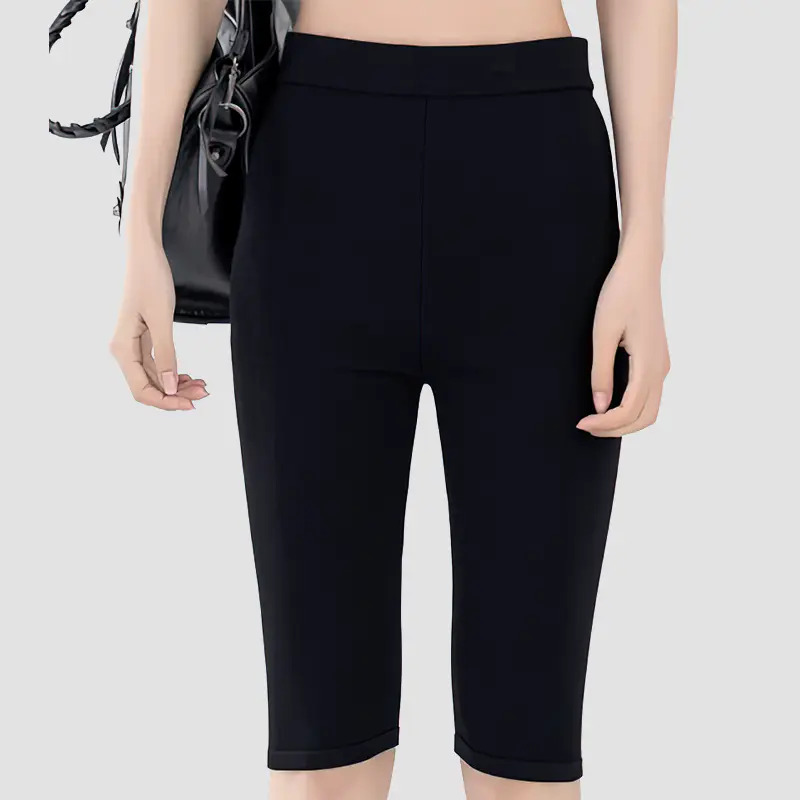
Thin Ice Silk Slimming Leggings
-
Draped Striped Loose Pants


-

Tel: +86-13913661100
-

Email: frank@sofiafashion.com
-

Add: No.886, Minfeng Road, Xushi Street, Dongbang Town, Changshu, Jiangsu, China
© 2023 Sofia Group. All rights reserved Design Custom Women's Knitted Sweaters Manufacturers
