


 English
 中文简体
中文简体 Español
Custom Disposable Surgical Flat Mask Factory | Cleanroom & Fast Lead
Content
- 1 Why Choose a Dedicated Custom Disposable Surgical Flat Mask Factory
- 2 Customization Options for Surgical Flat Masks
- 3 The Manufacturing Process Behind a Custom Surgical Flat Mask
- 4 Quality Control Measures in Our 100,000-Class Clean Workshop
- 5 How to Request a Quote for Custom Disposable Surgical Flat Masks
Why Choose a Dedicated Custom Disposable Surgical Flat Mask Factory
A standard mask from a trading company might meet a general specification, but a dedicated factory ensures every production variable is controlled—from raw material sourcing to final sterilization. For procurement managers, the difference shows up in three areas: consistent quality, predictable lead times, and direct accountability during compliance audits. Sofia Medical operates a 100,000‑class clean workshop with two automated flat mask lines and a monthly output of 12 million units, which means capacity is never a gamble when your order scales.
When you work directly with a factory that owns its production environment, you eliminate the communication delays and markup that middlemen introduce. Every specification change—whether it’s an ear‑loop material swap or a private‑label box design—can be validated on the floor within hours. visit our factory tour to see how the cleanroom infrastructure and automated systems support batch‑to‑batch repeatability.
In‑house manufacturing also means you aren’t dependent on a third party’s interpretation of international standards. Our team manages raw material certificates, inline inspection records, and final batch documentation internally, which shortens turnaround when a client needs test reports for port clearance or hospital pre‑qualification.
Customization Options for Surgical Flat Masks
Most buyers who search for a custom disposable surgical flat mask factory need more than a stock item. Sofia Medical structures customization around four pillars that impact both user experience and brand perception. Our standard disposable surgical flat mask serves as the base platform, but nearly every physical and visual element can be adapted to a buyer’s market requirements.
Size & Layers Customization
Standard adult sizing (17.5 × 9.5 cm) covers most applications, yet certain end‑users—including pediatric wards and corporate wellness programs—require smaller dimensions or a modified three‑layer structure with an additional filtration scrim. While we default to a spunbond‑meltblown‑spunbond construction that achieves BFE ≥ 98%, we can adjust gram weight and material grade across layers when the target market’s standard demands a different bacterial filtration threshold.
Color & Printing (Logo, Text)
Beyond the familiar medical blue, we offer a range of ear‑loop and mask‑body colors to match brand identity. Logo and text printing use flexographic or medical‑grade ink‑jet methods suitable for the non‑woven substrate. Surface print clarity and ink adhesion are validated post‑cure to avoid particulate shedding, a key concern cited by European procurers. Custom artwork must be compatible with the chosen sterilization method; our engineering team reviews files before sampling to confirm that registration and color match can be held across high‑speed automatic lines.
Packaging Options (Bulk, Individually Wrapped, Private Label)
Packaging determines both shelf presence and in‑hospital workflow. We supply bulk packaging (50‑piece boxes or 500‑piece bags), individual sterile or non‑sterile wrap, and fully branded retail‑ready boxes with multilingual technical labels. Private label programs include carton design and IFU (instructions for use) documentation. Minimum order quantities vary by packaging complexity, but even a modest run can include your company’s logo and barcode on a standard dispenser box.
The Manufacturing Process Behind a Custom Surgical Flat Mask
A surgical flat mask looks simple, yet transforming polypropylene granules into a regulated medical device involves several tightly controlled stations. Understanding this flow helps buyers evaluate whether a factory can accommodate custom variations without introducing risk.
- Raw material handling and inspection: Spunbond non‑woven fabric, meltblown filter media, nose‑wire, and elastic ear‑loops arrive with supplier certifications in a conditioned staging area. Incoming QC checks gram weight consistency and visual defects before material enters the cleanroom.
- Automatic fabric lay‑up and cutting: An integrated machine unwinds three rolls simultaneously, aligns the layers, and ultrasonically bonds them into the characteristic pleated structure. The pleat depth and fold pattern can be adjusted when a client requests a specific breathability or dead‑space profile.
- Nose‑wire insertion and ear‑loop welding: A formed aluminum or plastic‑coated wire is fed into the top edge and sealed under ultrasonic pressure. Simultaneously, ear‑loops are cut to length and attached at both side edges. Pull‑strength values are monitored every 30 minutes to maintain the expected EN 14683 breakpoint.
- Visual inspection and packaging: Completed masks pass through a bright‑field inspection station where operators reject any piece with a hole, splice, or misaligned weld. Accepted units move directly into the chosen packaging format—either a continuous flow wrapper for individual packaging or a counter‑stacker for bulk boxes.
- Sterilization (when required): Depending on the customer’s specification, masks are ethylene oxide (EtO) sterilized and quarantined until residual gas testing confirms safety. The entire process occurs under the stable temperature and humidity of our 100,000‑class cleanroom, which minimizes the microbial burden entering sterilization.
Quality Control Measures in Our 100,000-Class Clean Workshop
Controlled environment manufacturing is the baseline for medical‑grade masks, and a 100,000‑class (ISO 8) cleanroom provides the particulate control needed for consistent filtration performance. Our QC framework combines environmental monitoring with cost‑effective statistical sampling so that buyers receive objective batch records rather than blanket promises.
| Test Category | What We Check | Frequency |
|---|---|---|
| Dimensions & Fit | Length, width, pleat uniformity, ear‑loop length | Every hour per line |
| Mechanical Strength | Ear‑loop weld pull force, mask body tensile | Every 30 min, per cavity |
| Bacterial Filtration Efficiency (BFE) | ASTM F2101 / EN 14683 method, ≥98% | Per production lot |
| Cleanroom Particle Count | 0.5 µm and 5.0 µm particles per ISO 14644‑1 | Continuous monitoring |
Every shipment includes a certificate of analysis that maps to the buyer’s specification, and we retain physical retains from each lot for the full shelf‑life period. Certifications relevant to a given target market—including CE technical documentation and ISO 13485 compliance for QMS—can be shared during the qualification stage. check our mask FAQ section for further details on quality documentation and typical lead times.
How to Request a Quote for Custom Disposable Surgical Flat Masks
We’ve designed the enquiry process to give you a binding production proposal in as little as two business days. To do that accurately, we need four pieces of information upfront: target order quantity (or estimated monthly usage), mask dimensions and layer construction preferences, packaging type (bulk, individually wrapped, branded box), and the country of sale. The destination market determines which regulatory pathway applies, which in turn affects the materials and documentation we propose.
Our team will review your requirements against current production schedules and confirm whether a pre‑production sample run is necessary before full manufacture. Because we run dedicated automatic lines inside our own facility, we can often slot smaller custom runs into the schedule without a punitive MOQ—provided the core material specifications are already in‑house. learn more about Sofia Medical and our vertically managed operation; then reach out through the contact page with your specific brief.
Recommended Products
-
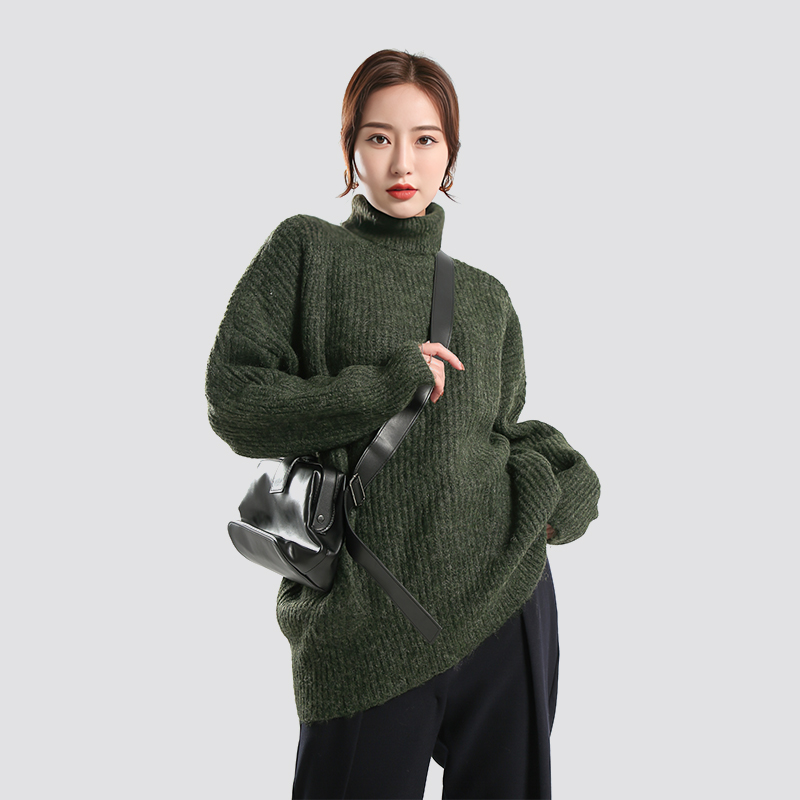
Cashmere handfeel Dark Green Wool Sweater
-

Orange Loose Neck Pullover Sweater
-
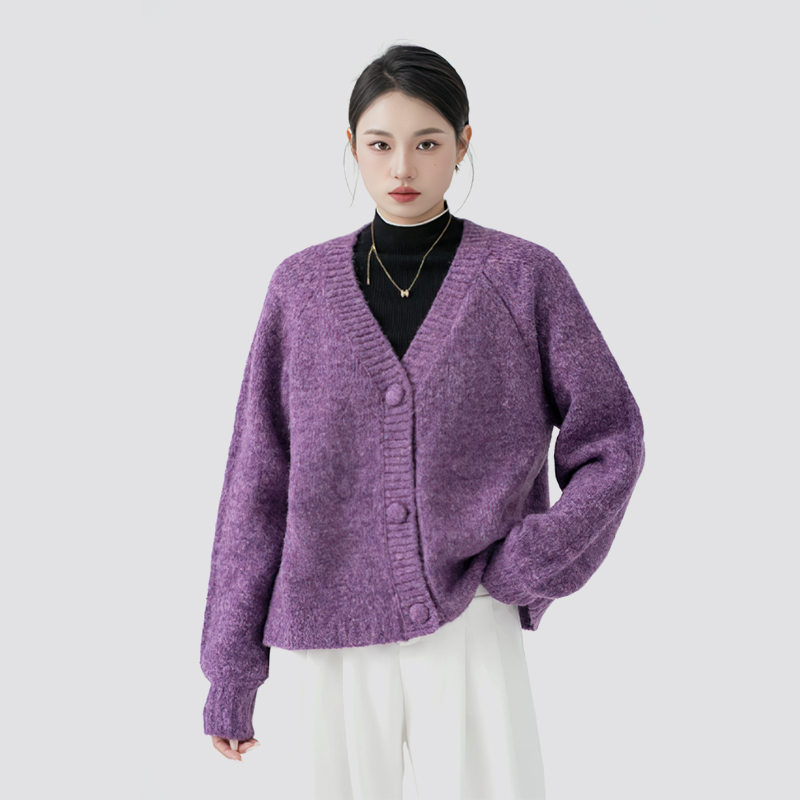
Romantic Purple Cardigan
-
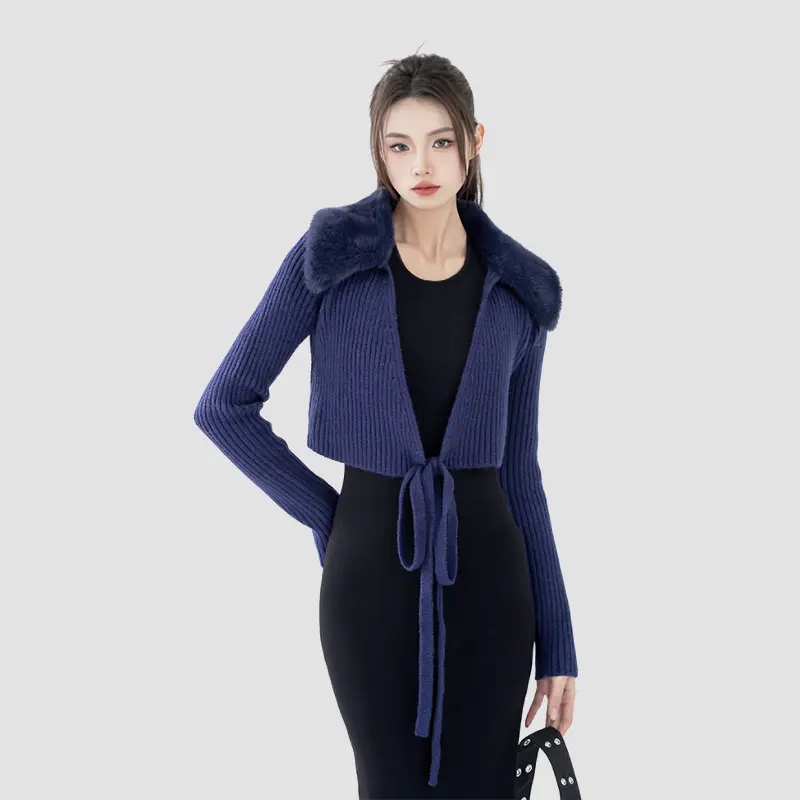
Fur Lapel Lace-up Cardigan
-

Cut Out Knitted Tank Top
-

V-Neck Knitted Tank Top
-

Swing Sweater Dress With Nipped Waist
-

Stylish Asymmetrical Knit Long Dress
-
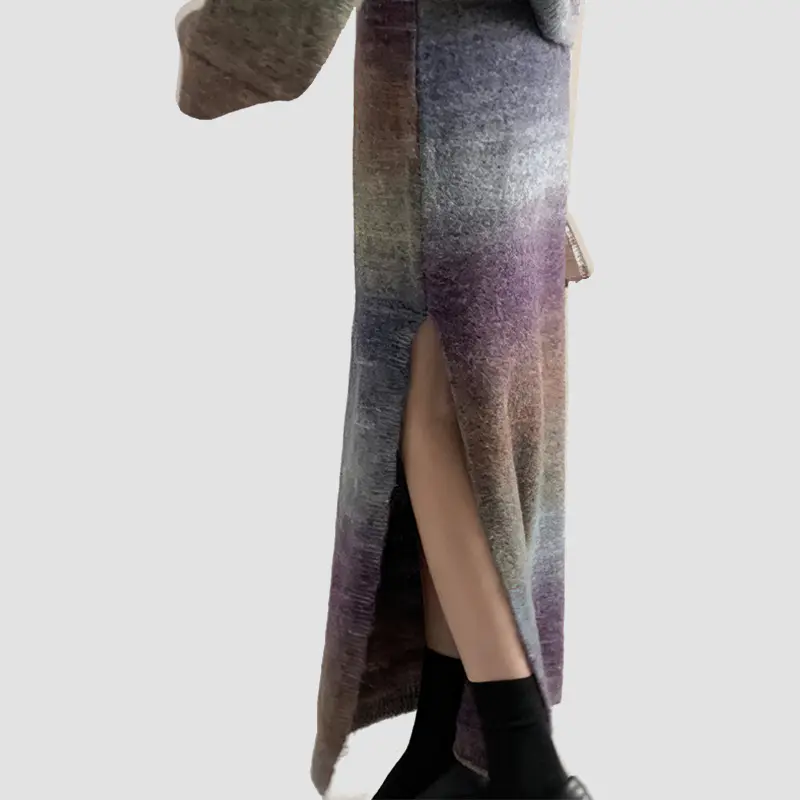
Gradient Color Side Split Half-Length Skirt
-
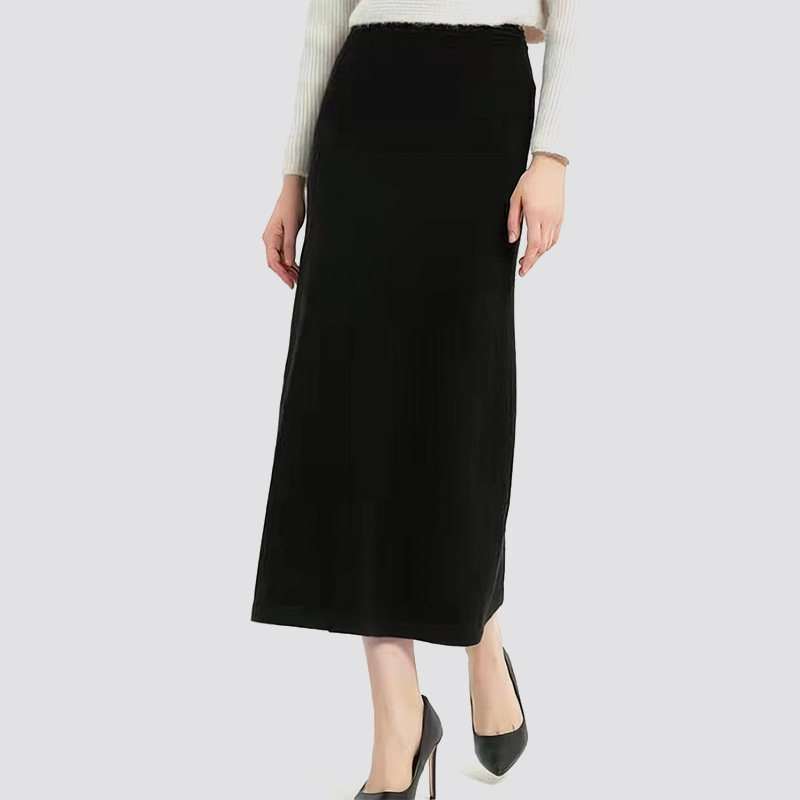
Black A-line Skirt
-
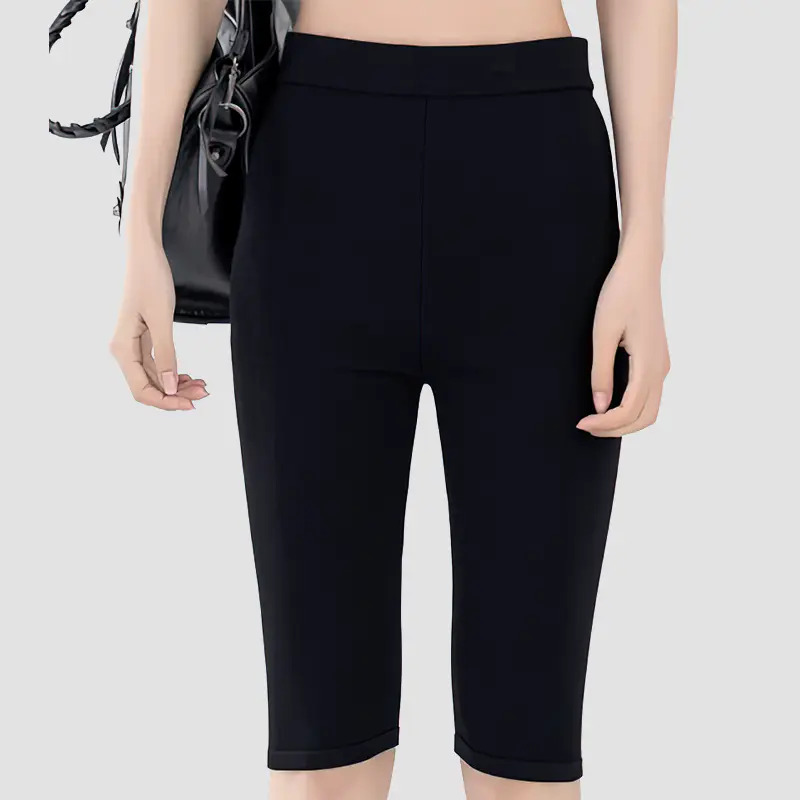
Thin Ice Silk Slimming Leggings
-

Draped Striped Loose Pants


-

Tel: +86-13913661100
-

Email: frank@sofiafashion.com
-

Add: No.886, Minfeng Road, Xushi Street, Dongbang Town, Changshu, Jiangsu, China
© 2023 Sofia Group. All rights reserved Design Custom Women's Knitted Sweaters Manufacturers
