


 English
 中文简体
中文简体 Español
What Makes Custom-Spun Yarn Better for Sweater Manufacturing?
Content
- 1 Understanding Custom-Spun Yarn
- 2 Enhanced Control Over Material Composition
- 3 Improved Yarn Quality and Consistency
- 4 Superior Comfort and Wearability
- 5 Design Flexibility and Creative Freedom
- 6 Enhanced Durability and Longevity
- 7 Cost Efficiency in Production
- 8 Sustainability and Environmental Benefits
- 9 Comparison Between Custom-Spun and Standard Yarn
- 10 Meeting Market and Brand Requirements
- 11 Conclusion
Understanding Custom-Spun Yarn
Custom-spun yarn refers to yarn that is specifically engineered and produced to meet particular requirements in terms of fiber composition, twist level, thickness, and performance characteristics. Unlike off-the-shelf yarn, which is mass-produced for general use, custom-spun yarn is tailored to achieve precise outcomes in textile products such as sweaters.
In sweater manufacturing, yarn plays a fundamental role in determining the garment’s comfort, durability, appearance, and overall performance. By choosing custom-spun yarn, manufacturers gain control over these critical factors, enabling them to produce high-quality and differentiated products.
Enhanced Control Over Material Composition
Tailored Fiber Blends
One of the primary advantages of custom-spun yarn is the ability to select and combine specific fibers to achieve desired properties. Manufacturers can blend natural fibers such as wool, cotton, or cashmere with synthetic fibers like polyester or nylon to create unique combinations that balance softness, strength, and elasticity.
Performance Optimization
Custom fiber blends allow for optimization of performance characteristics. For example, adding a small percentage of synthetic fibers can improve durability and reduce shrinkage, while maintaining the natural feel of wool. This flexibility enables sweater producers to design garments suited for different climates and usage conditions.
Improved Yarn Quality and Consistency
Consistency is crucial in sweater production, especially for brands that prioritize quality and uniformity. Custom-spun yarn is produced under controlled conditions with strict specifications, ensuring consistent thickness, twist, and strength across batches.
This level of control reduces defects such as uneven knitting, weak spots, or inconsistent texture. As a result, manufacturers can achieve a more professional finish and reduce material waste during production.
- Uniform yarn diameter improves knitting efficiency.
- Stable twist levels enhance fabric strength.
- Reduced variability minimizes production errors.
Superior Comfort and Wearability
Comfort is a key factor influencing consumer satisfaction with sweaters. Custom-spun yarn allows manufacturers to design yarns with specific tactile properties, ensuring a soft and pleasant feel against the skin.
Softness and Texture Control
By adjusting fiber selection and spinning techniques, producers can create yarns with varying levels of softness, from ultra-fine cashmere blends to more structured wool yarns. This customization ensures that sweaters meet the expectations of different target markets.
Breathability and Thermal Regulation
Custom-spun yarn can be engineered to enhance breathability and moisture management. This is particularly important for sweaters designed for active wear or variable climates. Proper fiber blending and yarn structure allow for better air circulation and temperature regulation.
Design Flexibility and Creative Freedom
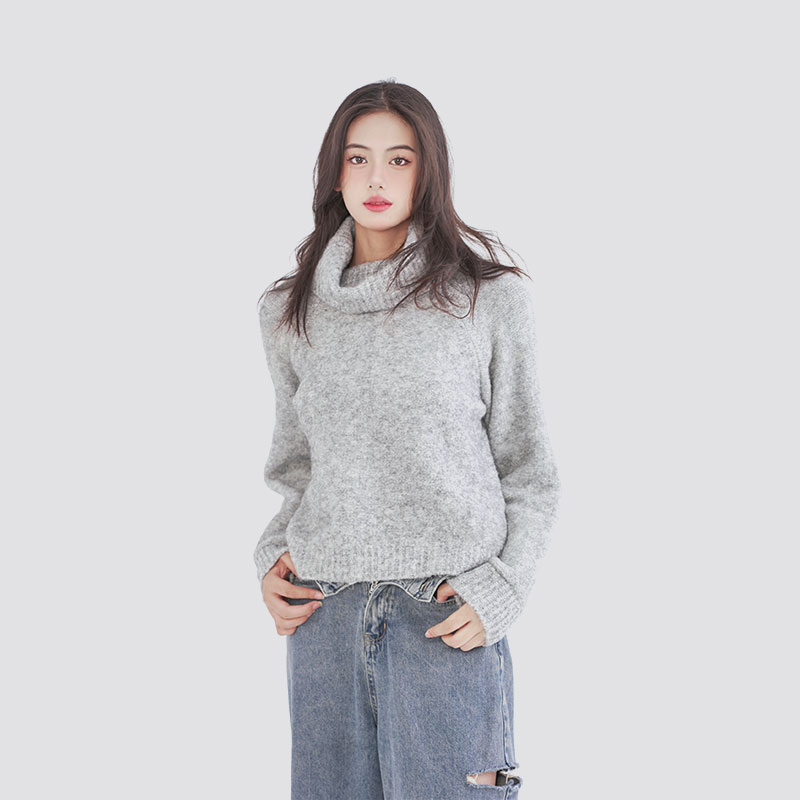
Custom-spun yarn provides unparalleled flexibility in design. Manufacturers can experiment with color, texture, and structural properties to create distinctive sweater designs that stand out in the market.
- Custom dyeing options enable unique color palettes.
- Specialty spinning techniques create textured or patterned yarns.
- Ability to match yarn properties with specific knitting techniques.
This creative freedom is especially valuable for fashion brands seeking to differentiate their products and respond quickly to changing trends.
Enhanced Durability and Longevity
Durability is a major consideration in sweater manufacturing. Custom-spun yarn can be engineered to improve resistance to wear, pilling, and deformation. By optimizing fiber blends and spinning techniques, manufacturers can produce yarns that maintain their integrity over time.
For example, incorporating stronger fibers or adjusting the twist can enhance the yarn’s مقاومت to abrasion. This results in sweaters that retain their shape and appearance even after repeated use and washing.
Cost Efficiency in Production
While custom-spun yarn may have a higher initial cost compared to standard yarn, it can lead to long-term savings in production. Improved consistency reduces waste, while enhanced performance minimizes the need for product returns or replacements.
Additionally, custom yarn can be optimized for specific machinery and knitting processes, increasing production efficiency and reducing downtime. This makes it a cost-effective solution for manufacturers focused on quality and operational efficiency.
Sustainability and Environmental Benefits
Sustainability is becoming increasingly important in the textile industry. Custom-spun yarn allows manufacturers to select eco-friendly fibers and adopt responsible production practices. This includes using organic materials, recycled fibers, or low-impact dyes.
By tailoring yarn production to specific needs, manufacturers can reduce excess material usage and minimize waste. This contributes to a more sustainable production process and aligns with consumer demand for environmentally responsible products.
- Use of recycled or renewable fibers.
- Reduced overproduction and material waste.
- Improved product lifespan reduces environmental impact.
Comparison Between Custom-Spun and Standard Yarn
The differences between custom-spun yarn and standard yarn can be summarized in terms of performance, flexibility, and value.
| Aspect | Custom-Spun Yarn | Standard Yarn |
| Customization | High | Limited |
| Quality Consistency | Excellent | Variable |
| Durability | High | Moderate |
| Cost | Higher upfront | Lower upfront |
Meeting Market and Brand Requirements
For brands aiming to establish a strong identity, custom-spun yarn offers a strategic advantage. It enables the creation of unique products that reflect brand values and meet specific customer expectations. Whether focusing on luxury, performance, or sustainability, custom yarn supports targeted product development.
This alignment between material properties and brand positioning helps companies build customer loyalty and differentiate themselves in a competitive market.
Conclusion
Custom-spun yarn provides a wide range of advantages for sweater manufacturing, from enhanced material control and superior comfort to improved durability and sustainability. Its ability to meet specific performance and design requirements makes it an invaluable tool for manufacturers seeking to produce high-quality and distinctive garments.
Although it may require a higher initial investment, the long-term benefits in terms of product quality, efficiency, and brand differentiation make custom-spun yarn a worthwhile choice. As consumer expectations continue to evolve, the demand for tailored and high-performance materials is likely to grow, further highlighting the importance of custom-spun yarn in the textile industry.
Recommended Products
-
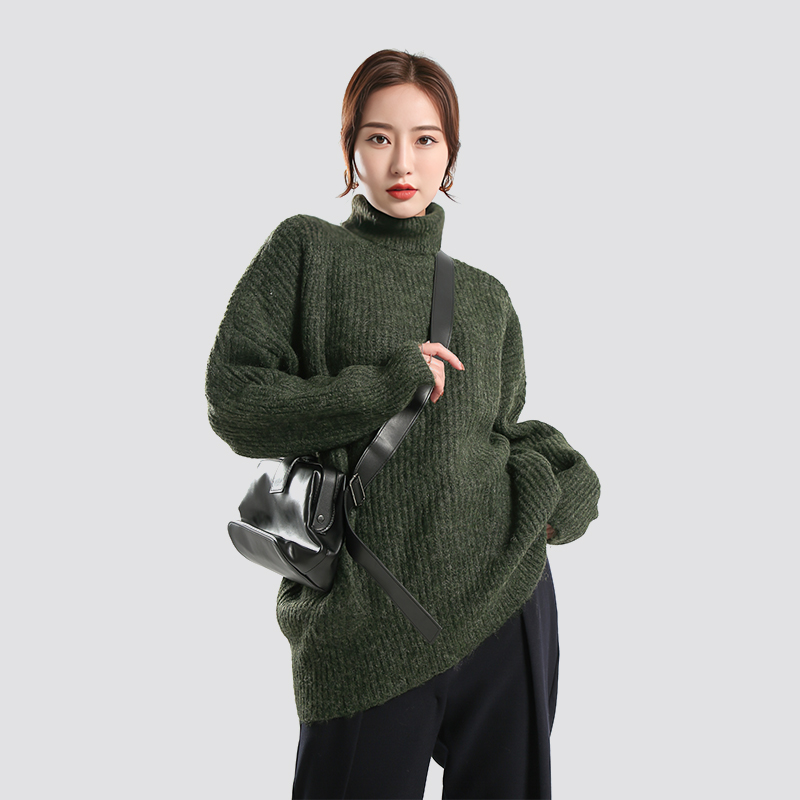
Cashmere handfeel Dark Green Wool Sweater
-
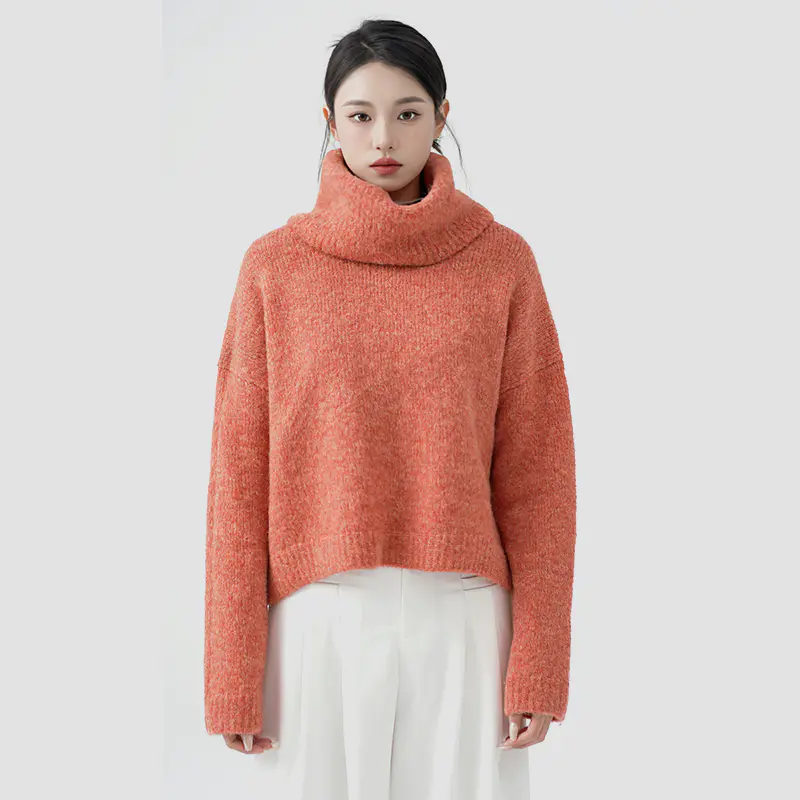
Orange Loose Neck Pullover Sweater
-
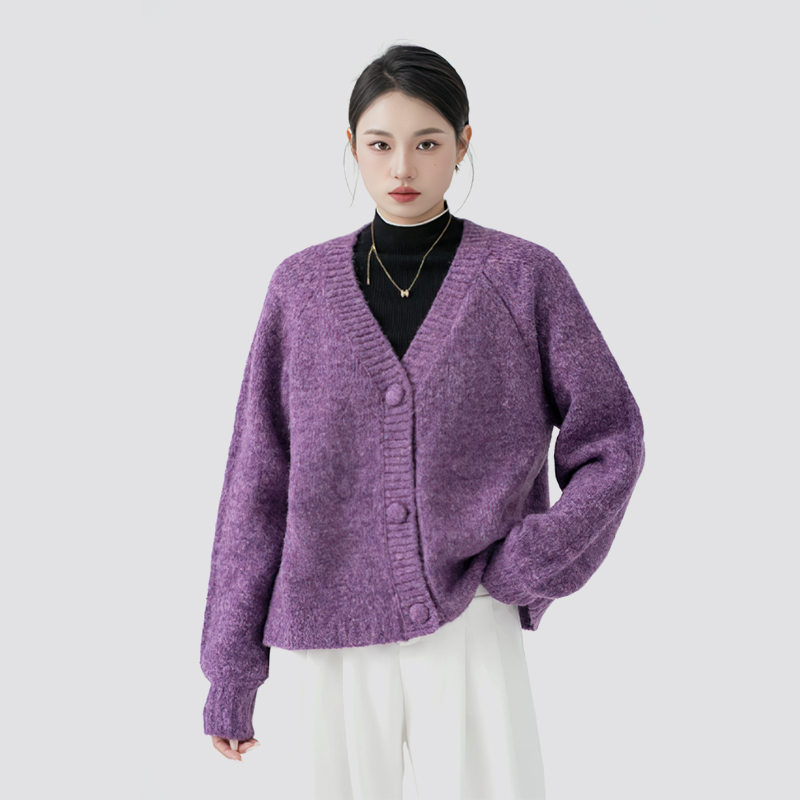
Romantic Purple Cardigan
-
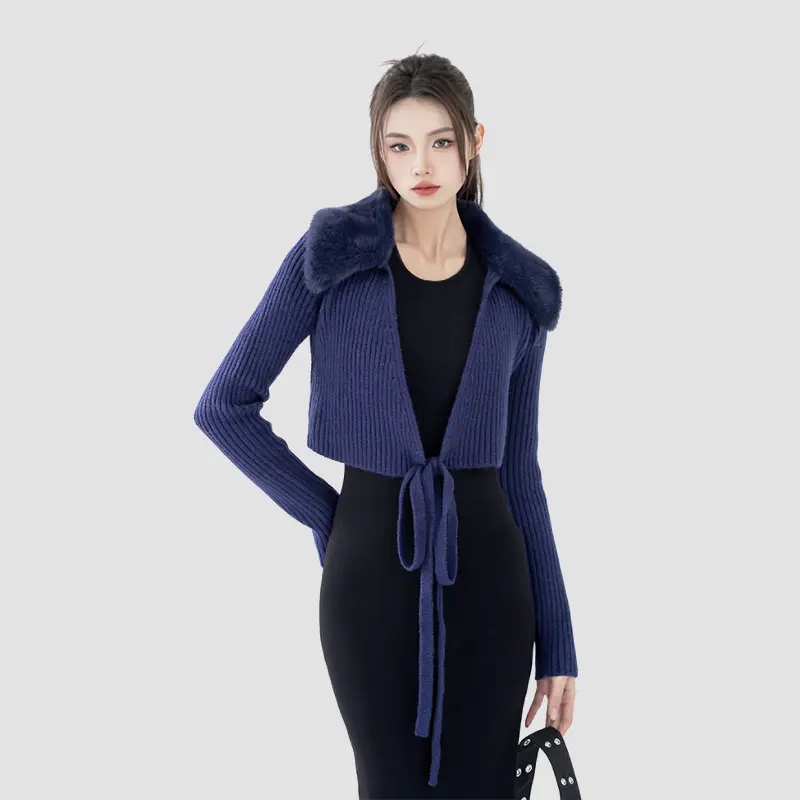
Fur Lapel Lace-up Cardigan
-
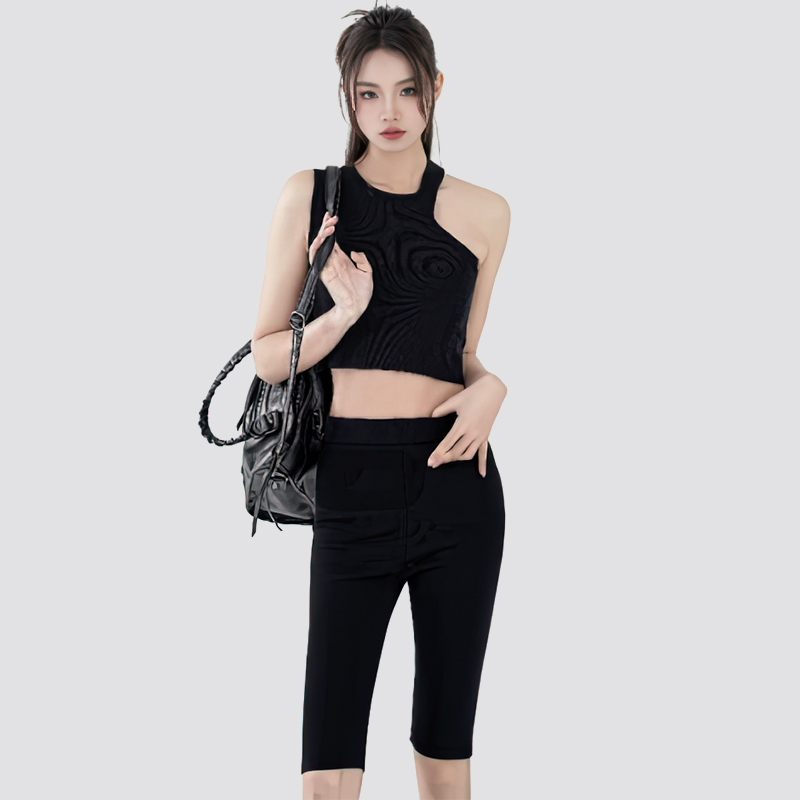
Cut Out Knitted Tank Top
-
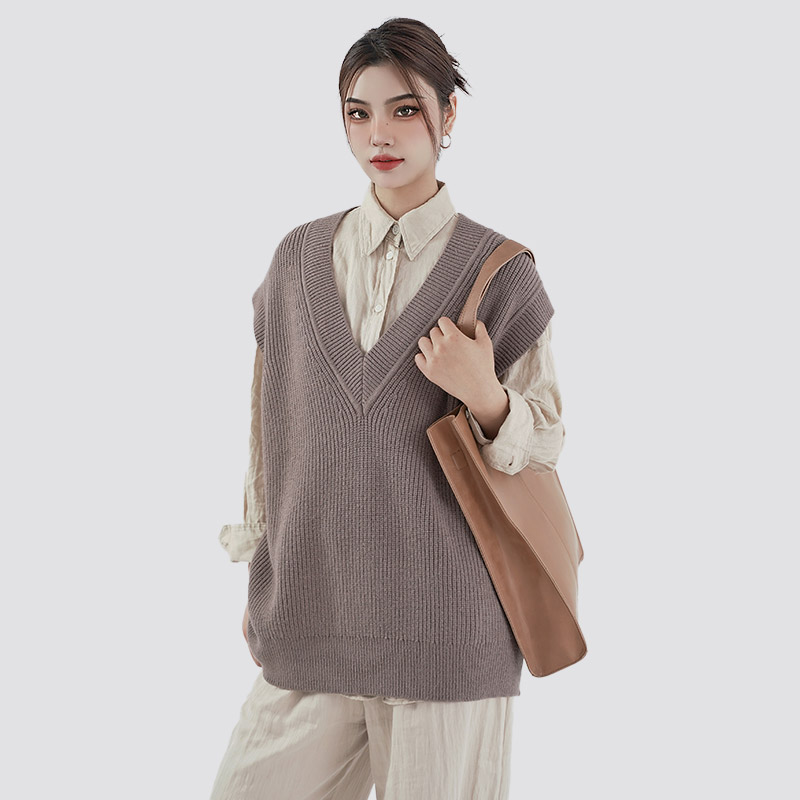
V-Neck Knitted Tank Top
-
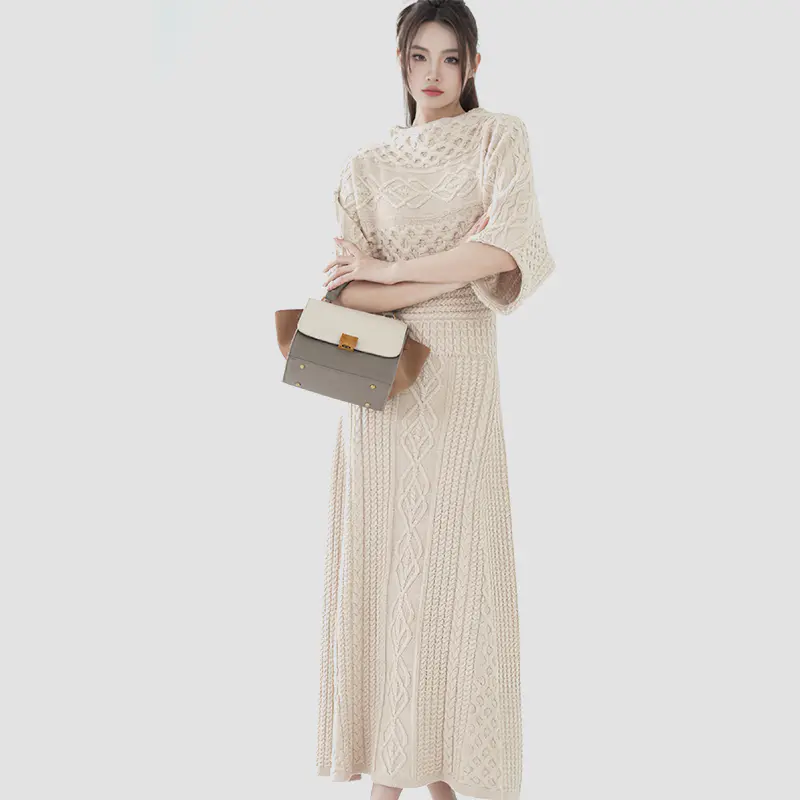
Swing Sweater Dress With Nipped Waist
-
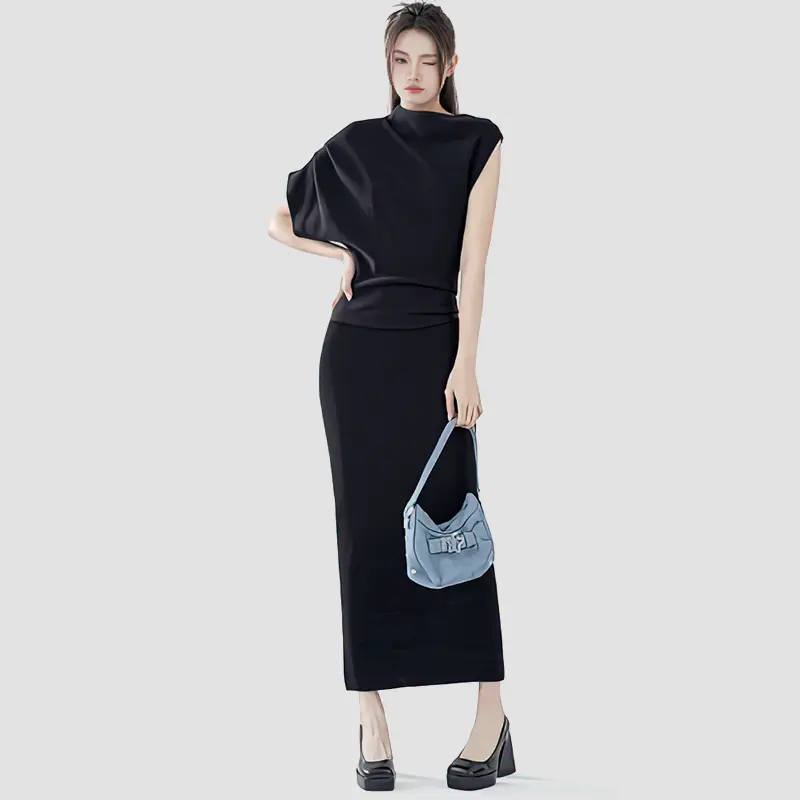
Stylish Asymmetrical Knit Long Dress
-
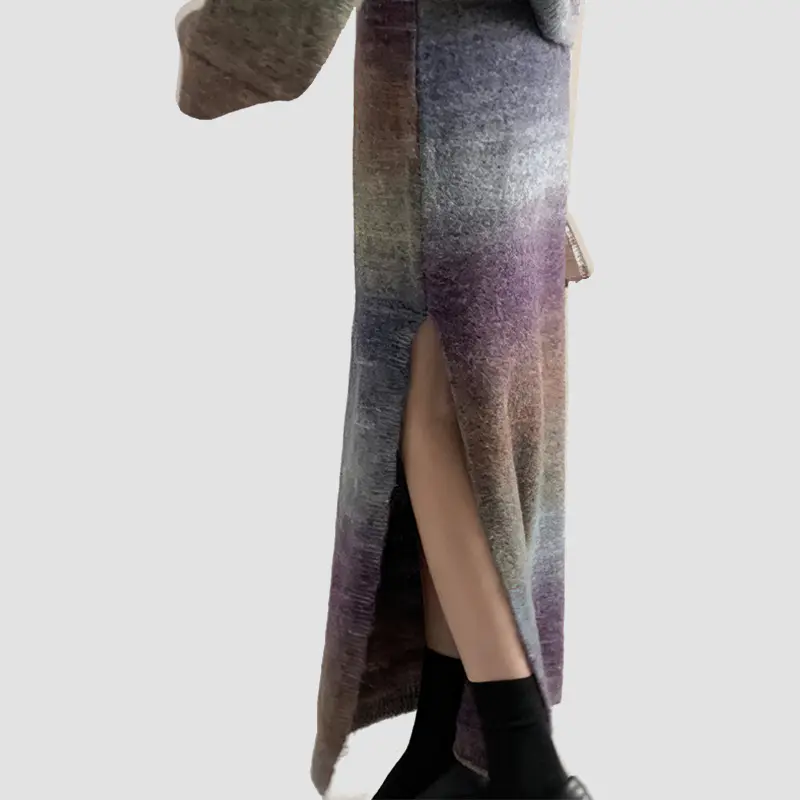
Gradient Color Side Split Half-Length Skirt
-
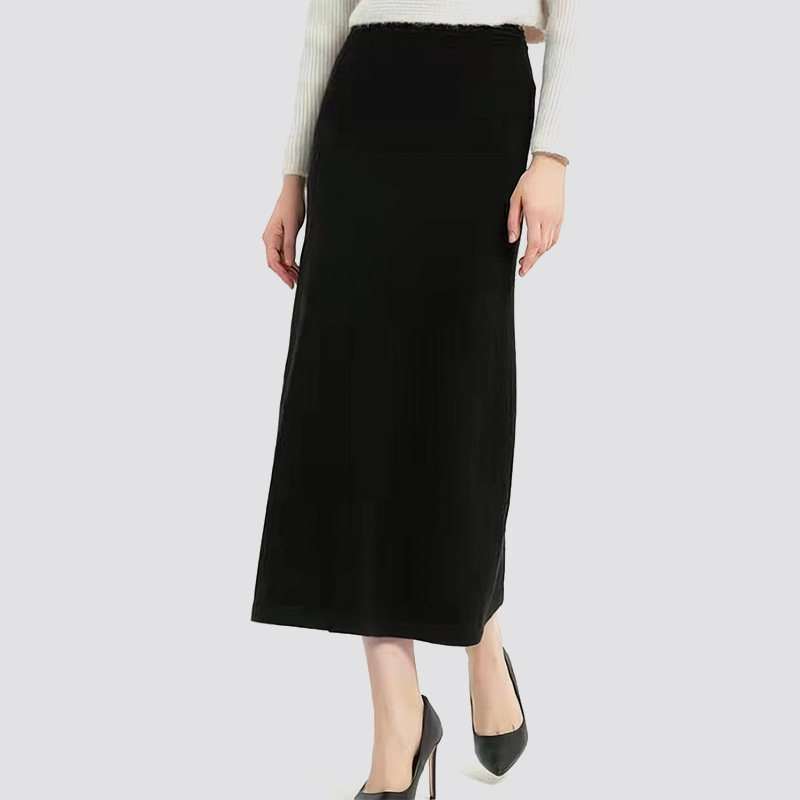
Black A-line Skirt
-
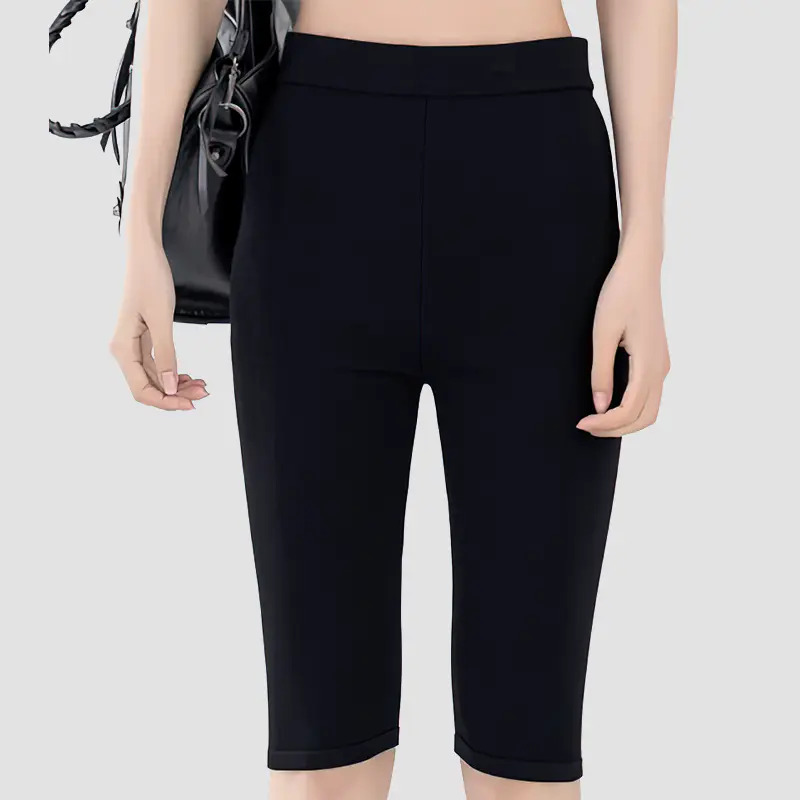
Thin Ice Silk Slimming Leggings
-
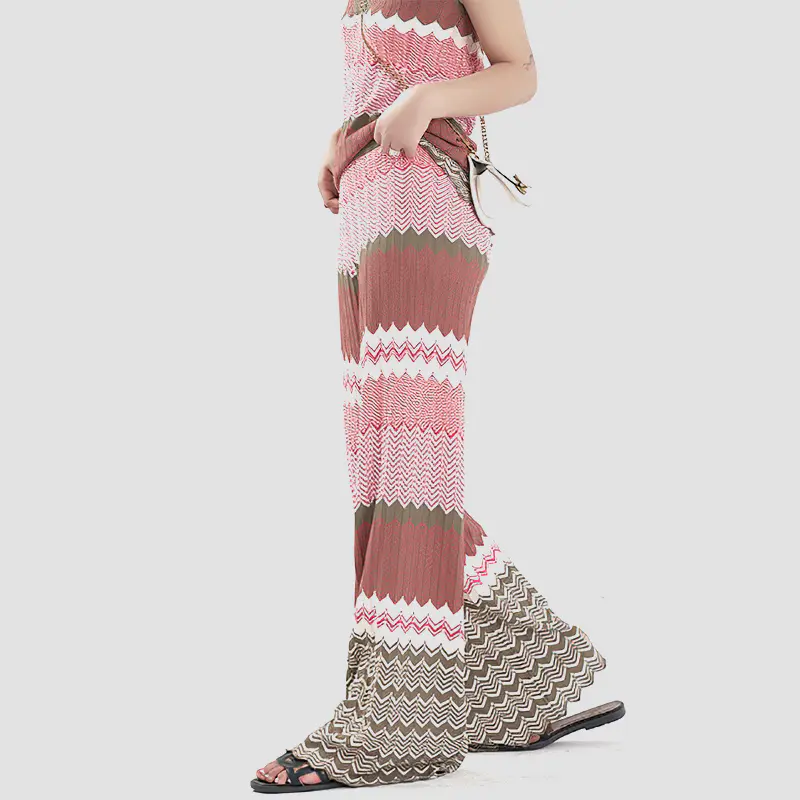
Draped Striped Loose Pants


-

Tel: +86-13913661100
-

Email: frank@sofiafashion.com
-

Add: No.886, Minfeng Road, Xushi Street, Dongbang Town, Changshu, Jiangsu, China
© 2023 Sofia Group. All rights reserved Design Custom Women's Knitted Sweaters Manufacturers
