


 English
 中文简体
中文简体 Español
What Should You Look for When Choosing a Disposable One-Piece Hooded Dustproof Isolation Gown?
Content
- 1 Understanding What a Disposable One-Piece Hooded Dustproof Isolation Gown Actually Does
- 2 Fabric and Material: The Foundation of Protection Performance
- 3 Protection Classification Standards You Must Understand Before Buying
- 4 Seam and Closure Construction: Where Most Gowns Fail
- 5 Fit, Sizing, and Ergonomic Design Considerations
- 6 Breathability and Thermal Comfort During Extended Wear
- 7 Key Checks Before Purchasing: A Practical Evaluation Checklist
Understanding What a Disposable One-Piece Hooded Dustproof Isolation Gown Actually Does
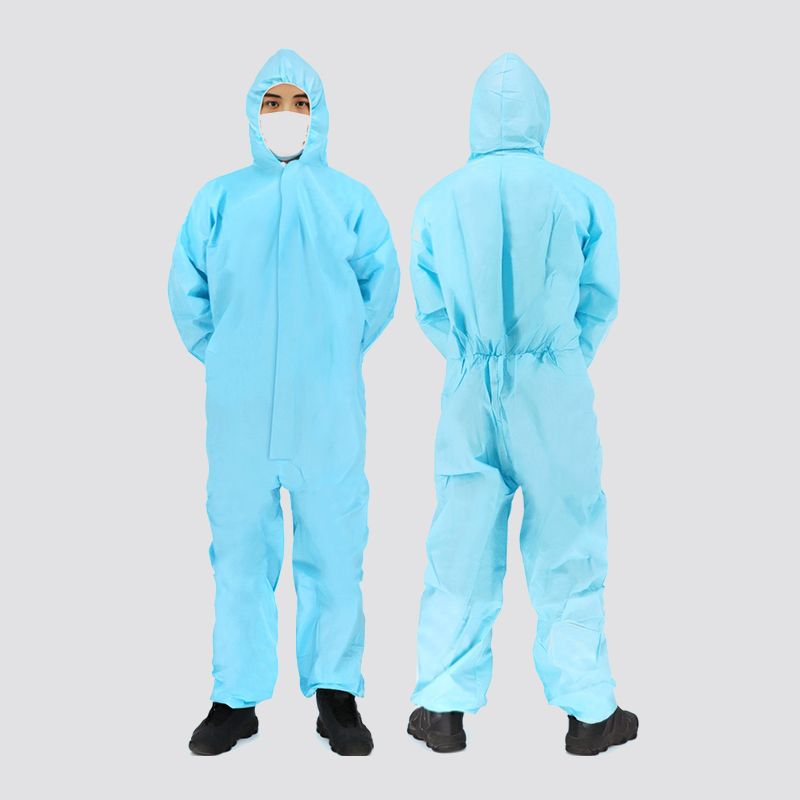
A disposable one-piece hooded dustproof isolation gown is a full-body protective coverall designed to shield the wearer from particulate contamination, liquid splashes, biological agents, and environmental hazards in a single integrated garment. Unlike open-backed hospital isolation gowns or two-piece protective sets that leave gaps at the waist and neck, the one-piece construction with an integrated hood eliminates the coverage discontinuities that are the primary failure points in body protection. The hood and suit are manufactured as a single continuous barrier, meaning there is no exposed neck, collar, or scalp area that particulates, aerosols, or splashed fluids can reach without passing through the protective fabric.
These gowns are used across a remarkably wide range of applications — from healthcare isolation rooms and pharmaceutical cleanrooms to industrial painting, asbestos abatement, pesticide application, food processing environments, and contaminated site remediation. The specific protection requirements of each environment differ substantially, and this is the central reason why choosing the correct gown for a given application requires structured evaluation rather than simply selecting the cheapest or most readily available option. A gown specified correctly for a food processing environment may provide completely inadequate protection for a healthcare aerosol-generating procedure, and vice versa. Understanding what you need to be protected from is the essential starting point for every purchase decision.
Fabric and Material: The Foundation of Protection Performance
The fabric of a disposable isolation gown is its single most important performance determinant. The material must simultaneously provide a barrier against the specific hazards present in the use environment, allow sufficient air and moisture vapour transmission for the wearer to maintain a safe body temperature during work, and have adequate mechanical strength to resist tearing during normal use movements without requiring the wearer to restrict their activity.
Spunbond Polypropylene (SBPP)
Spunbond polypropylene is the most widely used fabric for disposable isolation gowns in light-duty applications. It is produced by extruding continuous polypropylene filaments and bonding them thermally into a non-woven sheet. SBPP is lightweight, soft against the skin, and provides effective particulate barrier performance at fabric weights of 25 to 60 gsm. Its primary limitation is its relatively low resistance to liquid penetration under pressure — it provides splash resistance for brief, low-pressure contact but will allow liquid penetration if a significant volume of fluid is applied under sustained pressure. SBPP gowns are appropriate for general dustproof applications, light biological splash risk, and environments where hazard exposure is moderate and brief.
SMS (Spunbond-Meltblown-Spunbond) Composite
SMS fabric is a three-layer composite in which a meltblown polypropylene microfibre layer is sandwiched between two spunbond layers. The meltblown layer consists of very fine fibres (1 to 5 microns in diameter) that create a tortuous path for both particle and liquid penetration, significantly enhancing barrier performance relative to single-layer SBPP. SMS fabrics at 40 to 70 gsm provide excellent filtration efficiency against particulates in the 0.1 to 1 micron range, making them suitable for medical isolation, pharmaceutical manufacturing, and environments with fine dust or biological aerosol risk. SMS is the fabric standard referenced in many national healthcare isolation gown specifications and is the most common material in gowns claiming compliance with EN 13795 or ANSI/AAMI PB70 standards.
Microporous Film Laminate (e.g., Tyvek® and similar)
For applications requiring higher liquid and chemical barrier performance — hazardous material handling, pesticide application, asbestos removal, and chemical splash environments — non-woven fabrics laminated with a microporous polyethylene film provide substantially enhanced protection. The microporous film blocks liquid penetration and fine particle passage while retaining limited breathability through microscopic pores that allow water vapour transmission. DuPont Tyvek is the best-known commercial product in this category, but numerous equivalent products from other manufacturers offer similar barrier performance at varying price points. These fabrics provide Type 5 and Type 6 protection classification under EN 13982 and EN 13034 respectively, and they are the minimum appropriate specification for work involving toxic fine powders, biohazards requiring higher splash protection, or environments where liquid chemical contact is a realistic risk.
Protection Classification Standards You Must Understand Before Buying
Disposable protective coveralls and isolation gowns are classified under standardised testing frameworks that assign a protection Type based on the hazard categories the garment has been tested against. Understanding these classification systems is essential for making a specification decision that provides genuine protection rather than a false sense of security.
| Standard / Type | Hazard Category | Typical Application | Minimum Fabric Requirement |
|---|---|---|---|
| EN 13982 Type 5 | Dry particulate (dust, fine powder) | Asbestos, pharmaceutical dust, hazardous powder | Microporous laminate |
| EN 13034 Type 6 | Light liquid spray and mist | Pesticide application, light chemical splash | SMS or microporous laminate |
| EN 13795 / AAMI PB70 | Biological fluid and blood splash | Surgical, medical isolation, infectious disease | SMS (performance levels 1–4) |
| General Dustproof (no EN type) | Non-hazardous dust, pollen, general particulate | Cleaning, painting, food processing, warehousing | SBPP or SMS |
A gown labelled simply as "dustproof" without a referenced standard provides no independently verified performance data. For any application involving genuine health risk — biological agents, toxic chemicals, fine hazardous particulates — always require that the supplier provide a declaration of conformity referencing the specific test standard passed, and verify that the protection type matches your hazard assessment. A Type 6 gown is not interchangeable with a Type 5 gown, and a general dustproof SBPP gown is not a substitute for either in hazardous environments.
Seam and Closure Construction: Where Most Gowns Fail
The fabric of a gown may provide excellent barrier performance in a flat sheet test, but barrier integrity in actual use depends equally on how the seams are constructed and how the closures function. Seams and closures are consistently the locations where protective garments fail in practice — through stitching that creates needle holes, seam tape that peels under physical stress, or closures that allow gap formation around the face, wrists, and ankles.
Seam Types and Their Relative Performance
- Serged (overlocked) seams — the most basic construction, using overlock stitching to join panels. Serged seams leave the needle holes from stitching as potential particulate and liquid penetration points. Appropriate only for general dustproof applications where hazard severity is low.
- Bound seams with seam tape — the sewn seam is covered with a strip of bonded tape that seals the stitch holes and creates a continuous barrier along the seam line. Single-taped seams cover one side; double-taped seams cover both sides for higher protection. Bound and taped seams are the minimum appropriate specification for Type 5 and Type 6 classified gowns.
- Fully bonded (heat-sealed or ultrasonic welded) seams — seams are joined by thermal bonding rather than stitching, creating a continuous fused joint with no needle holes. Provides maximum barrier performance at the seam and is used in the highest protection category garments and in cleanroom applications where particle generation from stitching fibres must be eliminated.
Closure Systems and Their Practical Implications
The front closure of a one-piece hooded gown is a critical design element. A simple zip-front closure without a storm flap allows particulates and liquids to penetrate through the zip teeth — an important failure mode in dusty or splash-hazard environments. Zip closures with an adhesive storm flap that covers and seals the entire zip length after fastening provide substantially better barrier performance. Some higher-specification gowns use zip closures with permanently bonded flaps secured by a peel-and-stick adhesive strip that creates a continuous sealed front panel from collar to hem. For applications requiring the highest protection level, confirm that the front closure system has been specifically tested as part of the overall garment classification — a sealed fabric with an unprotected zip fails at the most exposed point on the body.
Fit, Sizing, and Ergonomic Design Considerations
A protective gown that does not fit correctly provides degraded protection regardless of the quality of its fabric and construction. Gowns that are too small restrict movement, place stress on seams, and create gaps at the wrists and ankles when the wearer reaches or bends. Gowns that are too large create excess fabric that catches on equipment, reduces dexterity, and generates trip hazards — a significant safety risk in environments where the gown is worn precisely because the surroundings are hazardous.
Sizing conventions for disposable coveralls vary between manufacturers, and the same nominal size designation can correspond to meaningfully different actual dimensions across brands. When specifying for institutional use, obtain actual garment measurements — chest, waist, hip, inseam, sleeve length, and total garment length — rather than relying on S/M/L/XL size labels alone. For individuals working at the physical extremes of standard sizing ranges, order sample garments in adjacent sizes and evaluate fit under the actual movement demands of the work task before committing to a bulk purchase.
Key ergonomic features to evaluate in fit assessment include the hood design — a hood that fits closely around the face without restricting peripheral vision, with elastic facing that seals against the face mask interface, is superior to a loose hood that allows gap formation during head movement. Elasticated wrists and ankles that seal without restricting circulation are preferable to loose cuff designs. Gowns with raglan sleeve construction rather than set-in sleeves allow a greater range of arm movement without the sleeve pulling away from the body — a meaningful comfort and protection benefit in applications requiring sustained arm elevation or overhead work.
Breathability and Thermal Comfort During Extended Wear
Full-body enclosure in any impermeable or semi-permeable protective garment creates a microclimate of elevated temperature and humidity inside the suit that progresses over time and imposes physiological heat stress on the wearer. In applications where gowns must be worn for extended periods — infection control isolation procedures, industrial spray operations, or cleanroom manufacturing shifts — thermal comfort is not a secondary concern but a direct safety and performance issue. Heat stress impairs cognitive function, reduces physical coordination, and in severe cases can cause heat exhaustion, with the risk beginning at core body temperature elevations above 1°C above baseline.
- Choose the lowest protection level that genuinely matches the hazard. Higher protection fabrics are generally less breathable. Specifying a microporous laminate gown for a general dustproof application imposes unnecessary thermal burden when an SMS fabric would provide adequate protection with significantly better breathability.
- Evaluate moisture vapour transmission rate (MVTR) alongside barrier performance. MVTR is measured in grams of water vapour transmitted per square metre per 24 hours — higher values indicate better breathability. For garments worn longer than 30 minutes in physically demanding tasks, MVTR values above 1,500 g/m²/24h provide meaningfully better comfort than lower-rated fabrics.
- Plan work duration limits based on garment type and environment temperature. In ambient temperatures above 25°C, uninterrupted wearing time in sealed coveralls should typically not exceed 30 to 45 minutes without a cooling rest break. Establish clear work-rest protocols when gowns are worn in warm environments.
- Consider garment fabric weight in relation to ambient temperature. Lighter-weight fabrics (25–40 gsm SBPP) generate less heat load than heavier microporous laminate constructions at equivalent ambient temperatures. Match fabric weight to environmental conditions as well as hazard requirements.
Key Checks Before Purchasing: A Practical Evaluation Checklist
Whether purchasing for individual use or specifying a supply contract for an organisation, applying a structured pre-purchase evaluation process significantly reduces the risk of acquiring gowns that fail to provide the required protection or that create operational problems in actual use.
- Verify the protection classification against your risk assessment. Confirm that the gown's certified protection type (Type 5, Type 6, AAMI level, etc.) matches the specific hazard categories identified in your workplace or clinical risk assessment. Do not accept a general "protective" claim without a specific standard reference.
- Request the declaration of conformity and test reports. A legitimate manufacturer will provide documentation confirming which standard the gown was tested against, by which accredited laboratory, and the specific test results achieved. Absence of this documentation is a significant warning sign.
- Inspect seam and closure construction physically on a sample garment. Turn the gown inside out and examine seam quality, tape adhesion, and closure function. Loose seam tape, irregular stitching, or poorly bonded seams in a sample indicate quality control issues that will be present throughout the production batch.
- Evaluate donning and doffing ease. The gown must be possible to put on and remove without breaching the contamination barrier in the process — particularly critical in infectious disease isolation and chemical exposure environments. Test the donning sequence with gloves in place, and the doffing sequence under simulated contaminated conditions, before approving a specification.
- Check packaging integrity and shelf life. Disposable gowns packaged in damaged, improperly sealed, or excessively old packaging may have compromised sterility or degraded fabric performance. Confirm shelf life from the manufacturer and establish stock rotation procedures to ensure older stock is used before newer deliveries.
- Confirm disposal classification. Used gowns contaminated with biological agents, hazardous chemicals, or clinical waste require disposal in accordance with applicable waste management regulations. Confirm in advance whether used gowns from your application must be treated as clinical waste, hazardous waste, or general waste, and plan disposal infrastructure accordingly before deployment.
A disposable one-piece hooded dustproof isolation gown is only as effective as the care taken in selecting, fitting, using, and disposing of it correctly. The investment of time in structured specification and pre-purchase evaluation pays consistent dividends in genuine protection performance, wearer comfort, and regulatory compliance throughout the gown's operational life.
Recommended Products
-
Cashmere handfeel Dark Green Wool Sweater
-
Orange Loose Neck Pullover Sweater
-
Romantic Purple Cardigan
-
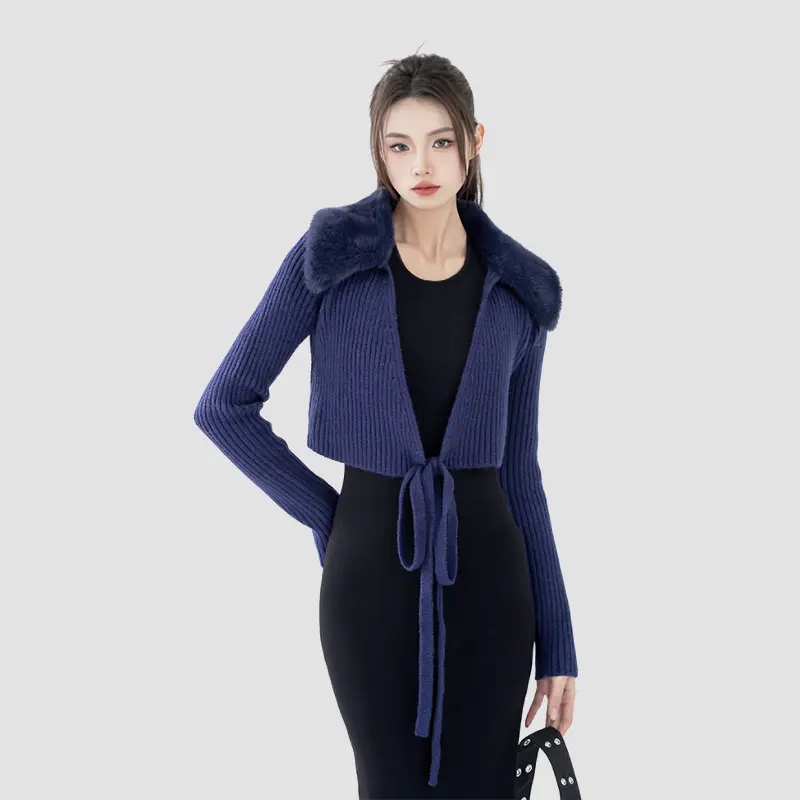
Fur Lapel Lace-up Cardigan
-
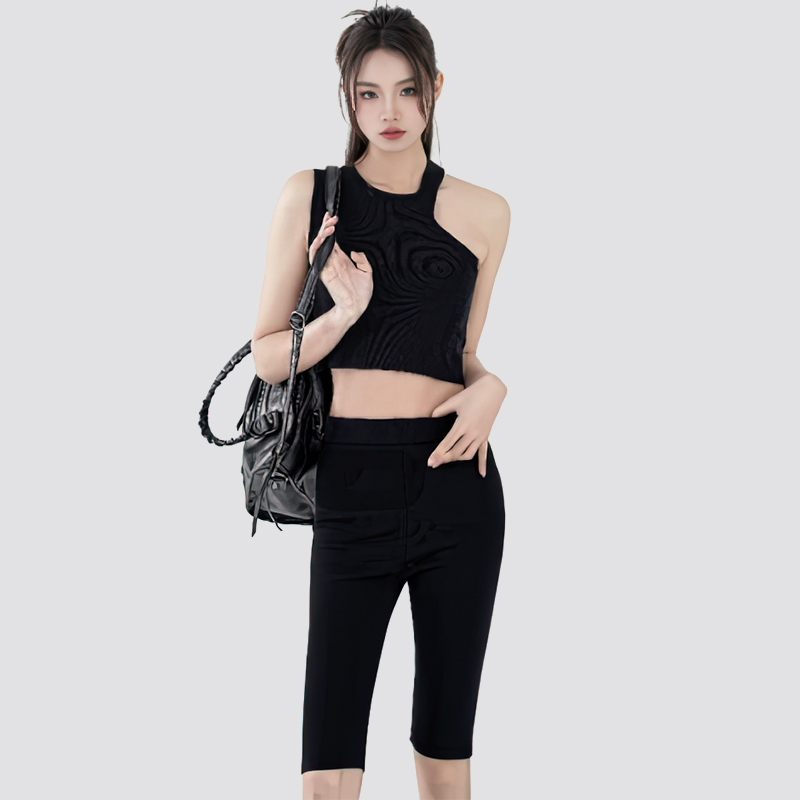
Cut Out Knitted Tank Top
-
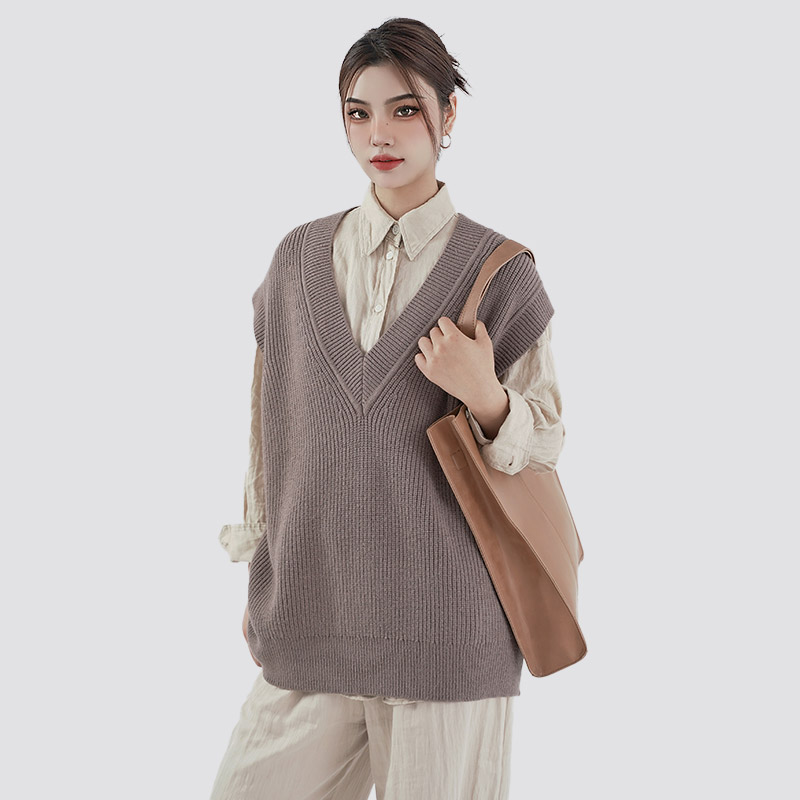
V-Neck Knitted Tank Top
-

Swing Sweater Dress With Nipped Waist
-
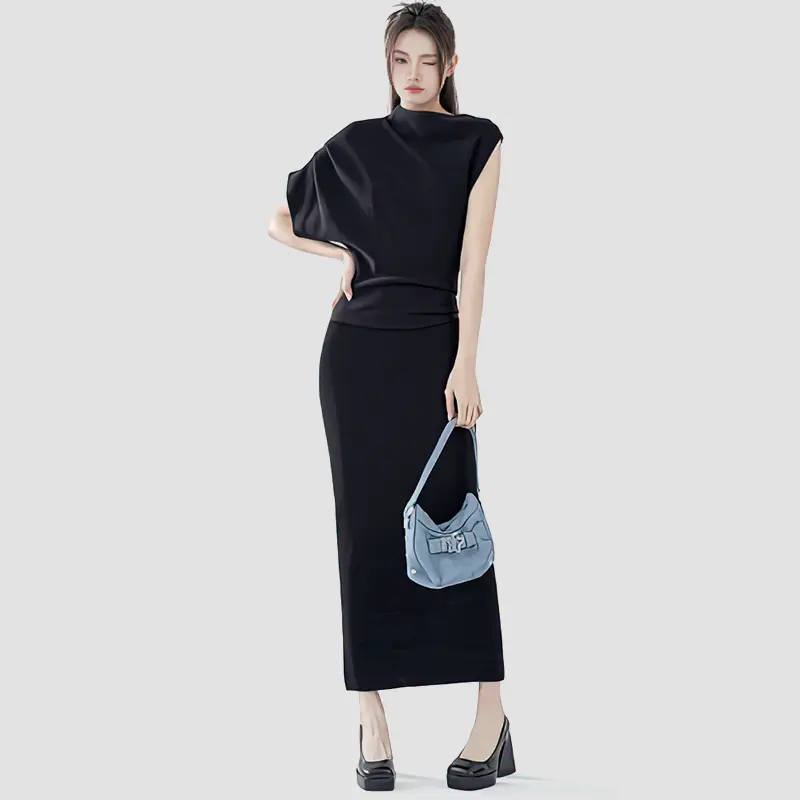
Stylish Asymmetrical Knit Long Dress
-
Gradient Color Side Split Half-Length Skirt
-
Black A-line Skirt
-
Thin Ice Silk Slimming Leggings
-
Draped Striped Loose Pants


-

Tel: +86-13913661100
-

Email: frank@sofiafashion.com
-

Add: No.886, Minfeng Road, Xushi Street, Dongbang Town, Changshu, Jiangsu, China
© 2023 Sofia Group. All rights reserved Design Custom Women's Knitted Sweaters Manufacturers
