


 English
 中文简体
中文简体 Español
What Should You Consider When Choosing the Perfect Long Knitted Dress?
Content
Introduction to Long Knitted Dresses
Long knitted dresses are a versatile wardrobe staple, combining comfort, warmth, and style. Their soft textures, fluid drape, and wide variety of patterns make them suitable for casual, formal, and semi-formal occasions. Choosing the right long knitted dress involves considering body shape, fabric type, fit, and styling preferences to achieve both comfort and elegance.
Understanding Fabric and Knit Types
Material Selection
Knitted dresses come in various fibers, each with unique characteristics. Wool and cashmere offer warmth and softness for cooler climates. Cotton knits provide breathability for transitional weather. Synthetic fibers such as polyester blends can enhance stretch, durability, and color retention. Understanding the properties of each material helps select a dress that balances comfort and longevity.
Knit Patterns and Textures
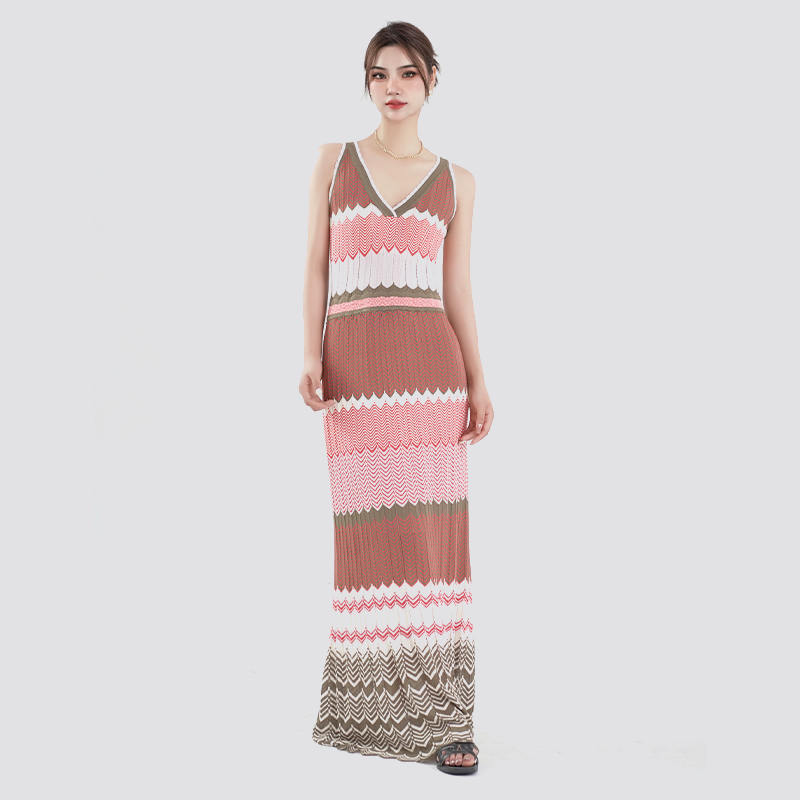
Different knit patterns affect the dress's visual appeal and drape. Ribbed knits create a slimming effect and add stretch. Cable knits provide texture and a classic look, ideal for layering. Fine jersey or interlock knits offer a smooth surface that flatters multiple body types. Consider the pattern based on your style preference and the silhouette you aim to create.
Choosing the Right Fit
Body Shape Considerations
Selecting a dress that complements your body shape is essential. For pear-shaped figures, A-line or slightly flared knits balance the hips while drawing attention upward. Hourglass shapes benefit from fitted or belted dresses that highlight the waist. Rectangular body types can add curves with dresses featuring ruching, gathering, or asymmetric hems. Understanding your proportions ensures the dress flatters your silhouette.
Length and Hemlines
Long knitted dresses vary in length from midi to floor-length. Midi dresses are versatile and practical for everyday wear. Maxi lengths create elegance for formal occasions but require attention to footwear to maintain balance. Consider your height and comfort level when choosing the hemline, ensuring ease of movement and proportional appearance.
Sleeves and Necklines
Sleeve length and neckline shape can dramatically influence the dress's overall effect. Long sleeves provide warmth and coverage, while three-quarter or short sleeves suit transitional weather. Neckline options such as V-neck, crew, or turtleneck should be selected based on body type and style preferences. A V-neck can elongate the torso, while a turtleneck adds sophistication to winter outfits.
Color and Pattern Selection
Solid Colors vs. Patterns
Solid-colored knitted dresses create a sleek, elongating effect, making them ideal for professional or formal occasions. Patterns, including stripes, geometric designs, or floral motifs, add personality and texture but may influence the perceived body shape. Choose patterns strategically to emphasize or de-emphasize areas of the body.
Seasonal Color Choices
Consider seasonal color palettes when selecting a knitted dress. Dark hues such as navy, charcoal, and burgundy are classic for fall and winter. Pastels or earthy tones work well for spring, while vibrant shades can add warmth and energy. Color selection impacts both mood and the overall visual harmony of your outfit.
Accessorizing Your Long Knitted Dress
Belts and Waist Accents
Adding a belt can define the waistline and create a more tailored look. Wide belts highlight curves, while thin belts offer subtle shaping. Consider belts in contrasting or complementary colors to enhance the outfit's visual appeal.
Footwear and Layering
Footwear choices influence the dress's overall silhouette. Ankle boots, heels, or flats can all complement knitted dresses differently. Layering with jackets, scarves, or cardigans enhances versatility and provides warmth, especially during colder seasons.
Practical Considerations for Longevity
Fabric Care
Proper care extends the life of knitted dresses. Most require gentle hand washing or machine wash on delicate cycles. Avoid high heat drying; instead, lay flat to dry to maintain shape and prevent stretching. Follow care labels to preserve color and fiber integrity.
Storage Solutions
Store knitted dresses folded rather than hung to avoid shoulder stretching. For delicate or heavy knits, consider breathable garment bags. Proper storage prevents snags, pilling, and deformation, keeping the dress looking new for longer.
Conclusion
Choosing a long knitted dress involves more than selecting a pretty pattern. Considering fabric type, knit texture, body shape, fit, color, and accessorizing options ensures the dress enhances your style and comfort. Proper care and storage will maintain its appearance and longevity. By understanding these key aspects, you can confidently select a long knitted dress that flatters your figure and suits your lifestyle.
Recommended Products
-
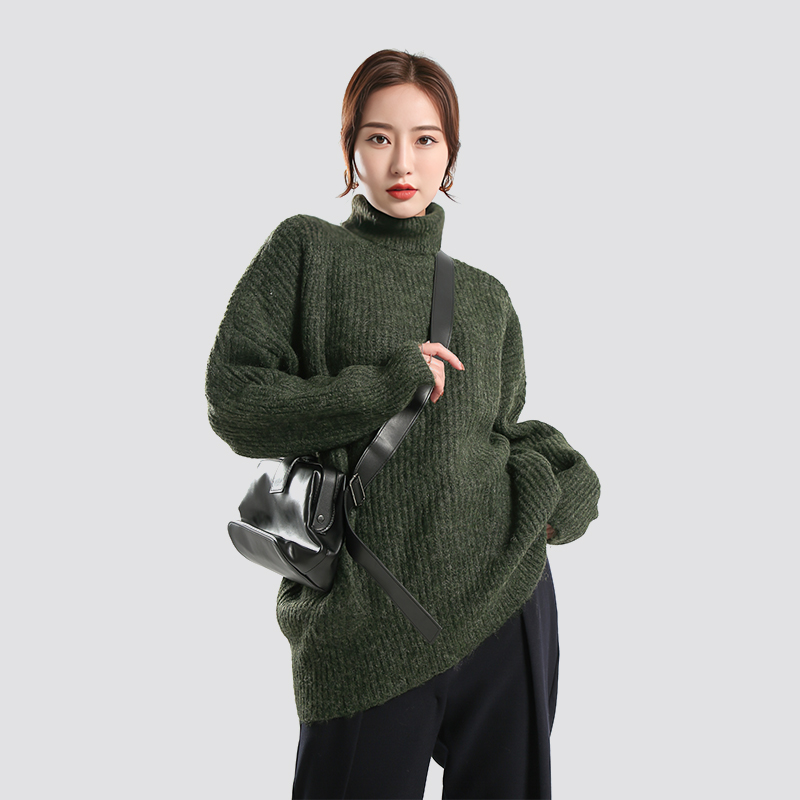
Cashmere handfeel Dark Green Wool Sweater
-
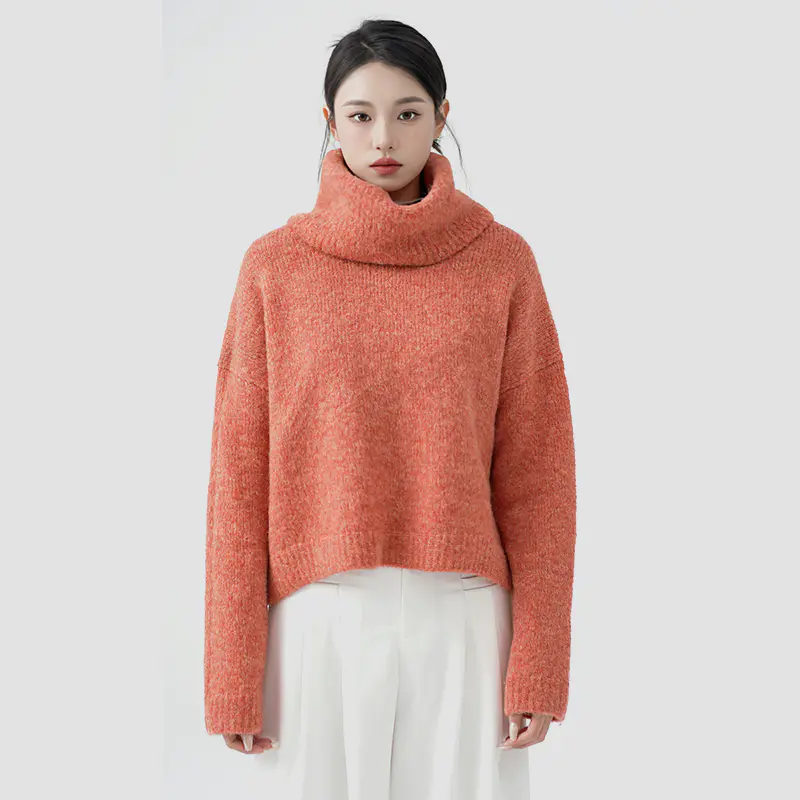
Orange Loose Neck Pullover Sweater
-
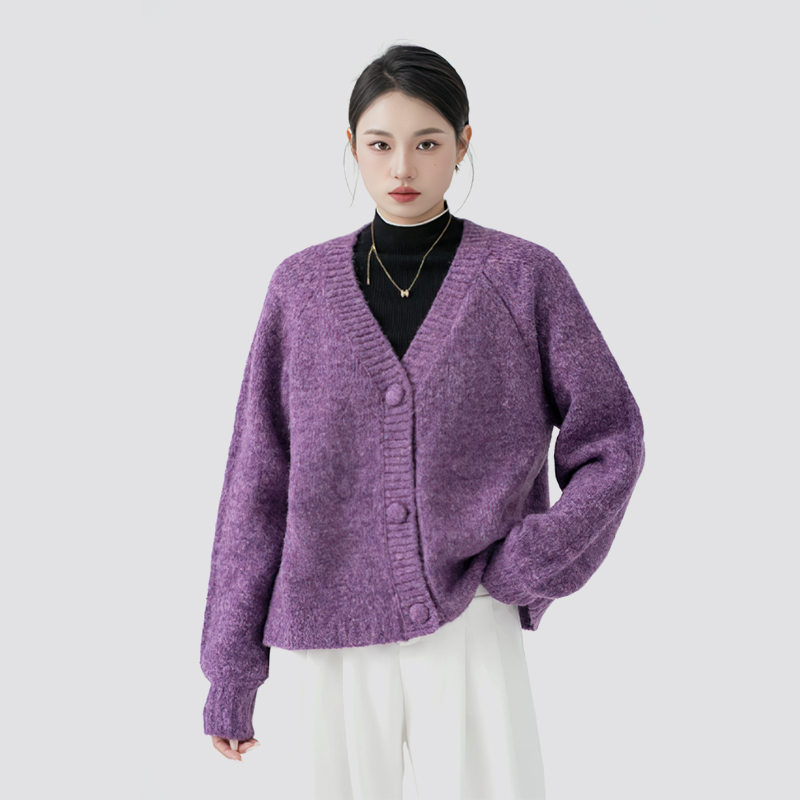
Romantic Purple Cardigan
-
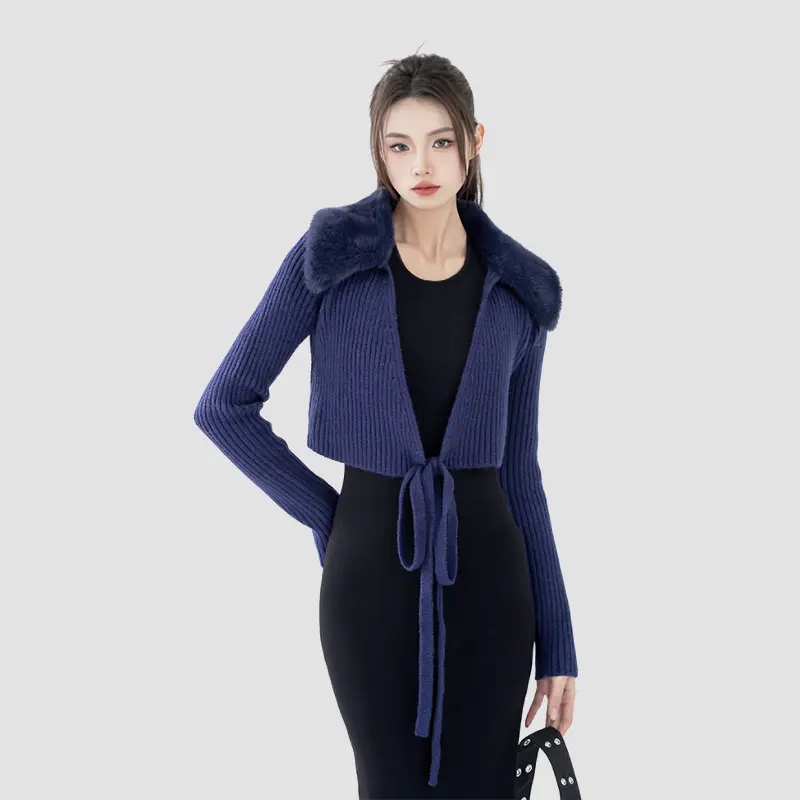
Fur Lapel Lace-up Cardigan
-
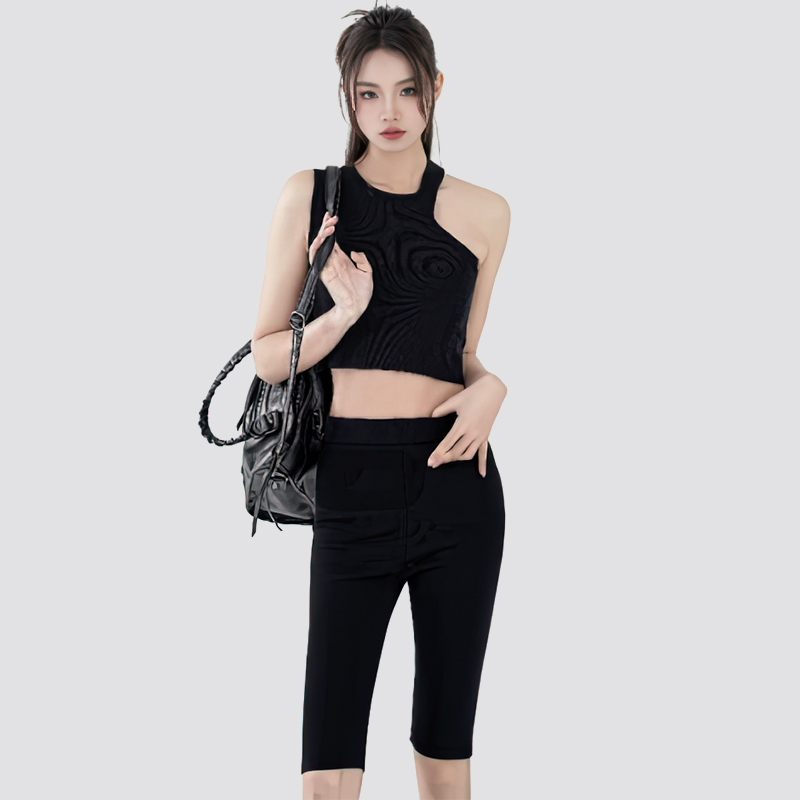
Cut Out Knitted Tank Top
-
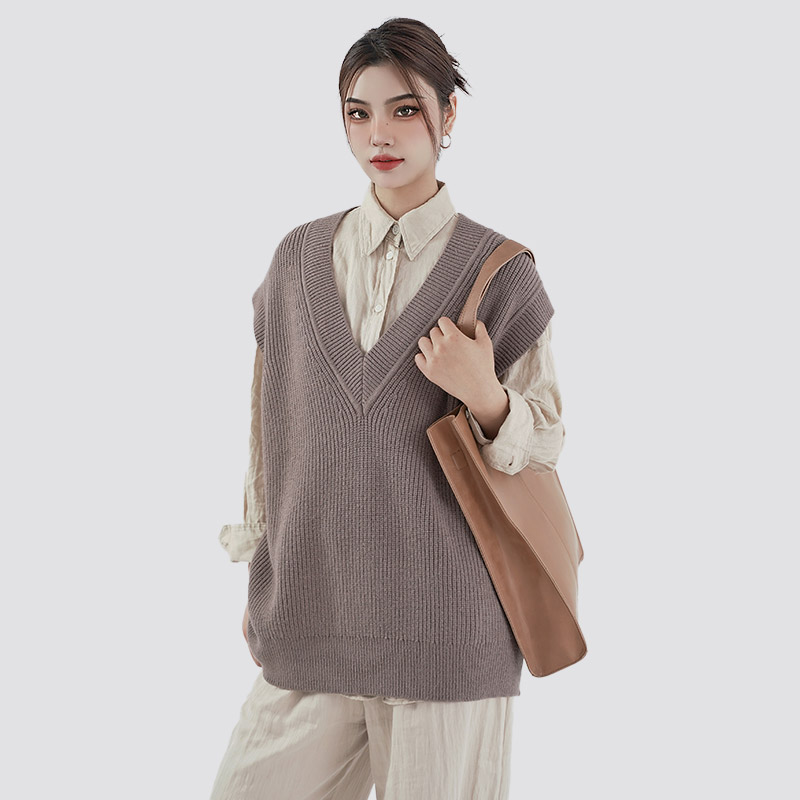
V-Neck Knitted Tank Top
-
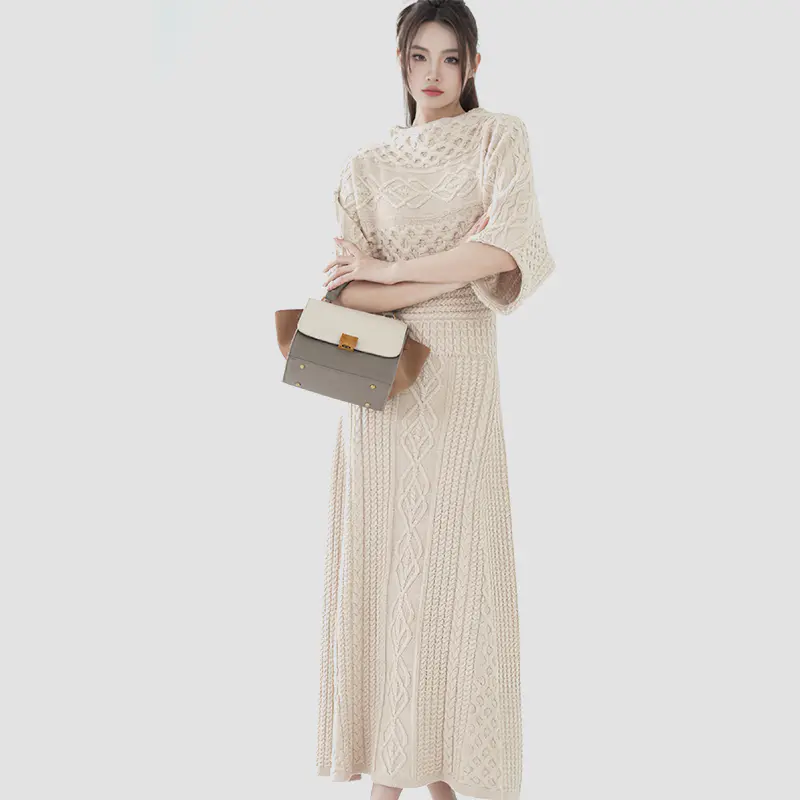
Swing Sweater Dress With Nipped Waist
-
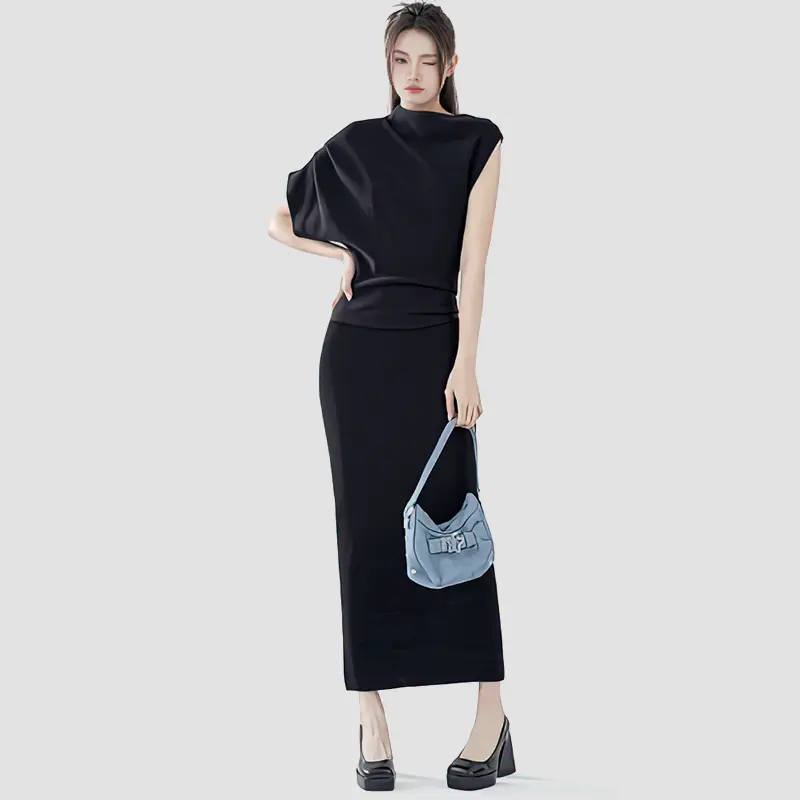
Stylish Asymmetrical Knit Long Dress
-
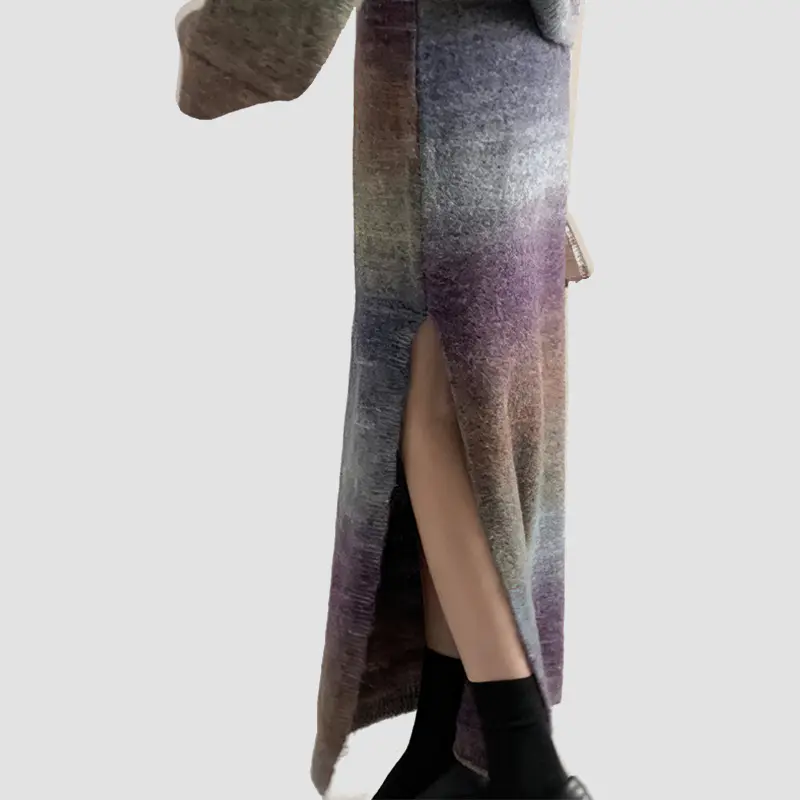
Gradient Color Side Split Half-Length Skirt
-
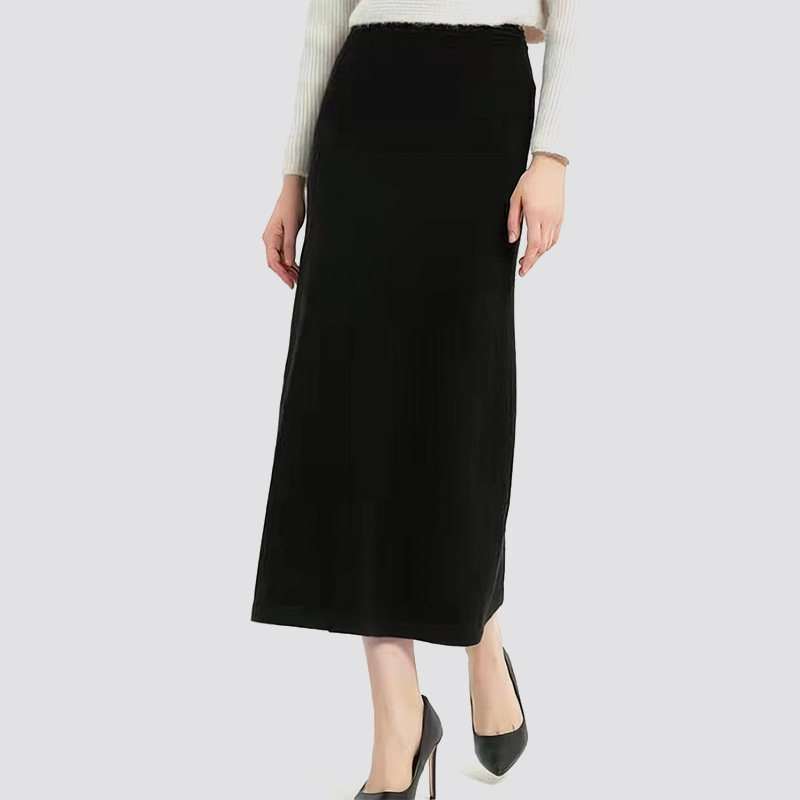
Black A-line Skirt
-
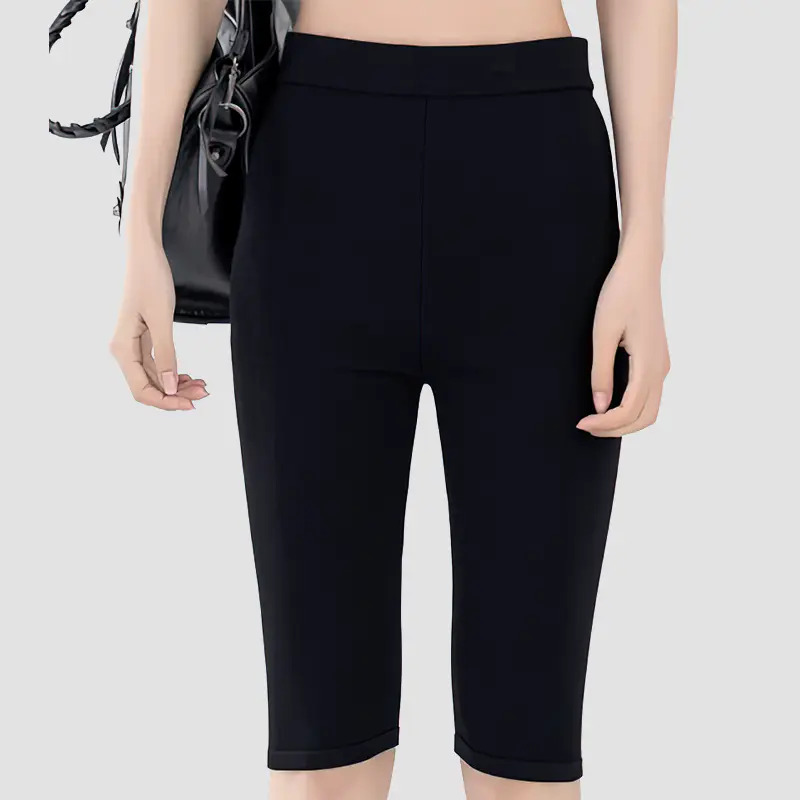
Thin Ice Silk Slimming Leggings
-
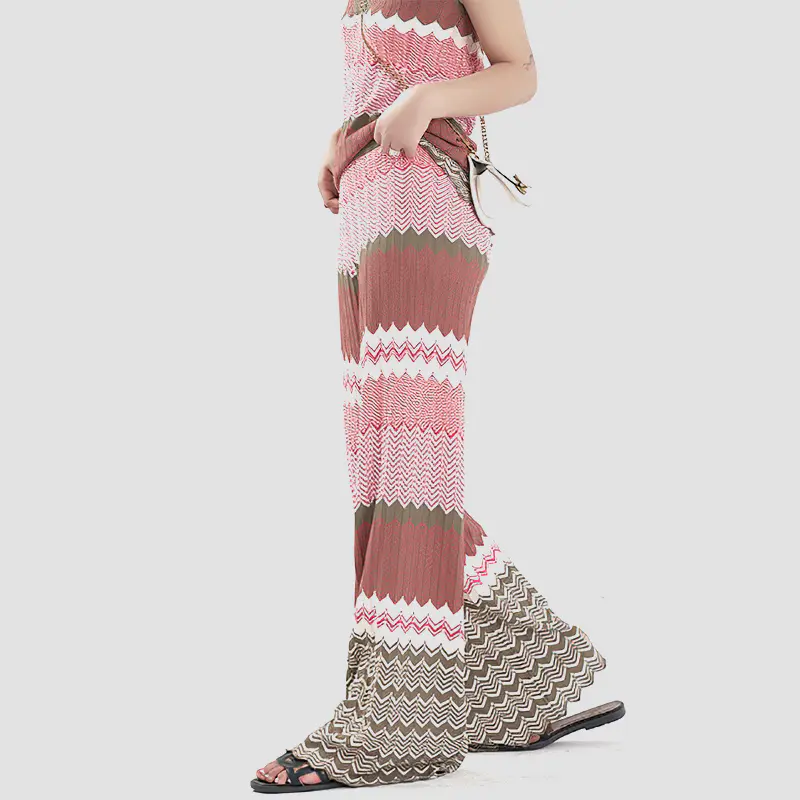
Draped Striped Loose Pants


-

Tel: +86-13913661100
-

Email: frank@sofiafashion.com
-

Add: No.886, Minfeng Road, Xushi Street, Dongbang Town, Changshu, Jiangsu, China
© 2023 Sofia Group. All rights reserved Design Custom Women's Knitted Sweaters Manufacturers
