


 English
 中文简体
中文简体 Español
Knitted Tank Top: Construction, Fibers, and Buying Guide
Content
- 1 The Knitted Tank Top: Construction, Materials, and What Sets It Apart
- 2 How Knitted Tank Tops Are Made
- 3 Gauge: The Variable That Defines the Fabric's Character
- 4 Knit Structures Used in Tank Tops
- 5 Fiber Selection for Knitted Tank Tops
- 6 Design Details That Define the Category
- 7 Knitted Tank Top Applications Across Market Segments
- 8 Sourcing and Quality Evaluation for Knitted Tank Tops
The Knitted Tank Top: Construction, Materials, and What Sets It Apart
A knitted tank top occupies a specific and well-defined position in the knitwear category -- a sleeveless, close-to-body garment constructed from looped yarn structures rather than woven cloth. The distinction matters because knit construction gives the fabric its primary functional properties: stretch in multiple directions, recovery after deformation, and a drape that moves with the body rather than against it. These are characteristics that a woven equivalent, however finely constructed, cannot replicate.
The knitted tank top has evolved from a functional underlayer into one of the most versatile pieces in both casual and elevated wardrobes. The same garment type that once existed purely as an unseen base layer now appears as a standalone statement piece in fine-gauge merino, a summer layering staple in cotton rib, and a performance base in technical moisture-management knits. Understanding what drives these differences -- construction method, gauge, fiber, and finish -- is the foundation for evaluating and sourcing knitted tank tops accurately.
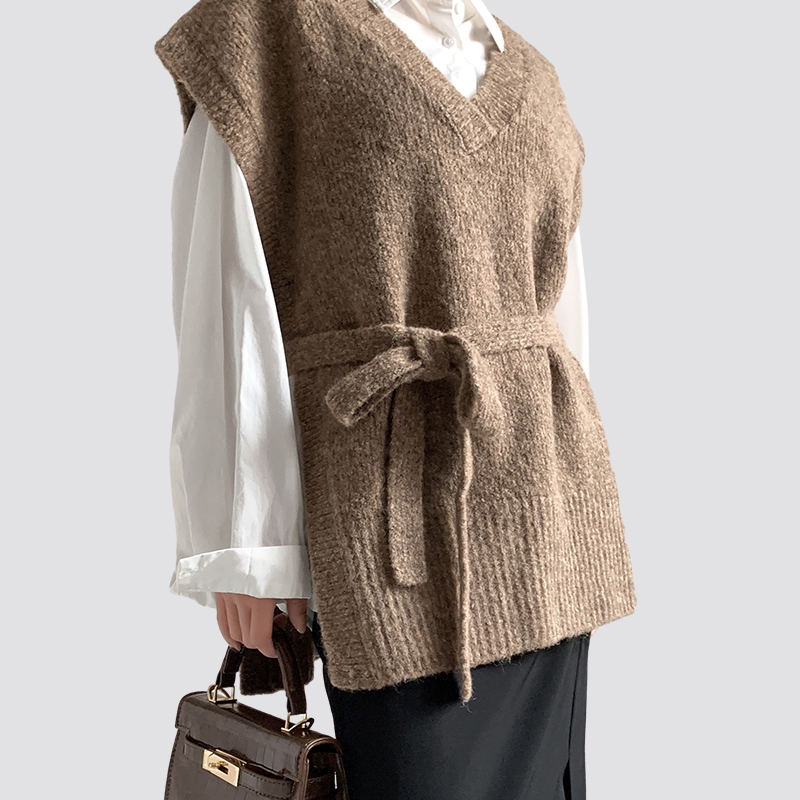
How Knitted Tank Tops Are Made
Knitted fabrics are produced by interlocking loops of yarn in continuous rows or courses. The direction of loop formation and the relationship between adjacent loops define the fabric structure. For tank tops, two broad production methods are used:
Cut-and-Sew Knit Construction
In cut-and-sew production, large quantities of knitted fabric -- typically produced as flat or tubular rolls on circular knitting machines -- are cut into pattern pieces and assembled by sewing. This is the dominant method for mass-market knitted tank tops. It allows high production speed, consistent sizing, and flexibility in incorporating different fabric panels. The main limitation is fabric waste at the cutting stage and the presence of seams, which in fine-gauge or technical knits can affect both comfort and aesthetics.
Fully Fashioned Knitting
Fully fashioned knitwear is produced on flat-bed knitting machines that shape each garment panel during the knitting process itself by adding or subtracting stitches at defined intervals. The panels -- front, back, and straps -- are then linked or sewn together. Because the shaping is integral to the knit structure rather than cut from a flat cloth, fully fashioned tank tops produce less fabric waste, have a more precise fit profile, and present a cleaner edge finish along the armhole and neckline. This method is standard in mid-range to premium knitwear production.
Seamless Knitting
Seamless or whole-garment knitting produces a complete tank top in a single machine operation with no seams at all. Circular seamless machines knit the body tube and straps as one continuous structure. This construction eliminates seam irritation entirely -- a significant factor in performance and base-layer tank tops worn directly against skin -- and allows complex structural patterning (cables, ribs, mesh zones) to be positioned precisely within the garment without cutting or joining. Seamless knitted tank tops command a price premium reflecting the capital cost of the machinery and the complexity of programming the knit structure.
Gauge: The Variable That Defines the Fabric's Character
Gauge in knitwear refers to the number of stitches or needles per unit of width on the knitting machine -- typically expressed as needles per inch. Gauge is the single most consequential specification variable for a knitted tank top because it determines stitch size, fabric thickness, drape, and the level of surface detail achievable in the knit structure.
| Gauge Range | Fabric Character | Typical Fiber | Common Application |
|---|---|---|---|
| 3 to 5 gauge | Chunky, open, textured | Wool, cotton, acrylic | Oversized, layering, statement pieces |
| 7 to 10 gauge | Medium weight, structured | Cotton, wool blends | Casual, transitional season wear |
| 12 to 16 gauge | Fine, fluid, lightweight | Merino, cotton, viscose blends | Smart casual, layering, warm weather |
| 18 gauge and above | Ultra-fine, next-to-skin softness | Fine merino, cashmere, silk blends | Luxury, base layer, eveningwear |
Lower gauge machines use thicker yarn and produce a more open, visible stitch structure. Higher gauge machines use finer yarn and produce a denser, smoother fabric surface. For knitted tank tops intended as standalone garments rather than base layers, 12 to 16 gauge is the range that best balances surface refinement, structural integrity, and versatility across seasons.
Knit Structures Used in Tank Tops
The knit structure -- the arrangement of knit and purl stitches across the fabric -- determines the fabric's texture, stretch behavior, and aesthetic character. Several structures appear consistently across knitted tank top production:
Jersey
Jersey is the most basic and widely used knit structure: a single face of knit stitches producing a smooth, flat surface on the right side and a textured purl surface on the reverse. Jersey fabric has good lengthwise stretch and moderate crosswise stretch, lies flat without significant curl when properly finished, and provides a clean, minimal surface that works for both plain and printed designs. The majority of mass-market knitted tank tops are produced in jersey or its derivatives.
Rib
Rib fabric alternates columns of knit and purl stitches, producing a vertically striped texture with significantly higher crosswise elasticity than jersey. Common rib configurations in tank tops include 1x1 rib (alternating single knit and purl columns), 2x2 rib (alternating pairs), and broader rib intervals for more pronounced texture. Ribbed knitted tank tops conform closely to the body, recover well from stretching, and maintain their shape through repeated wear and washing better than jersey equivalents at equivalent yarn quality. Rib is the structure of choice for form-fitting tank tops and for neckline, armhole, and hem trims on any knit construction.
Interlock
Interlock is a double-faced knit structure -- effectively two layers of rib interlocked together -- that produces a fabric with identical smooth surfaces on both sides, greater thickness and stability than single jersey, and reduced tendency to curl at cut edges. Interlock knitted tank tops have a more substantial hand feel than jersey at equivalent yarn fineness, making them suitable for garments that need to be worn as standalone pieces without a lining.
Mesh and Open-Work Structures
Open-work knit structures -- achieved by transferring stitches to create deliberate holes or by using miss-stitch and tuck-stitch patterning -- produce tank tops with a semi-transparent, airy character suited to warm weather and layering applications. Crochet-effect knits, broderie-inspired open patterns, and engineered mesh panels are all variants of this approach, and their prevalence in the knitted tank top category reflects the garment's role as a warm-season piece.
Cable and Textured Structures
Cable knit structures, achieved by crossing groups of stitches over each other to create twisted rope-like columns, and other raised textured patterns (bobbles, honeycomb, seed stitch) are most commonly seen in lower-gauge tank tops intended as statement pieces or transitional-season layering. These structures add surface interest and visual depth while increasing the fabric's thickness and reducing its overall stretch relative to plain jersey or rib.
Fiber Selection for Knitted Tank Tops
Fiber choice shapes the wearing experience of a knitted tank top more directly than almost any other specification decision. The fiber determines how the garment feels against the skin, how it responds to moisture and temperature, how it launders, and how it ages over time.
Cotton
Cotton remains the default fiber for knitted tank tops across most market segments. Its comfort credentials are well established: it is soft against skin, breathable, absorbs moisture readily, and responds well to both piece-dyeing and yarn-dyeing. Combed cotton, in which short fibers are removed before spinning to produce a smoother, more lustrous yarn, is the standard for quality knitted tank tops. Pima and Supima cotton -- grown from extra-long staple plants -- offer a further step up in fiber fineness, strength, and surface smoothness at a price premium.
Cotton's primary limitation in knitted tank tops is its relatively low elasticity: a cotton jersey fabric will stretch under repeated wear but recover less completely than a synthetic or wool equivalent. Adding a small proportion of elastane (typically 3 to 8%) addresses this limitation without significantly affecting the fabric's hand feel or appearance.
Merino Wool
Fine merino wool -- fiber with a diameter of 17 to 22 microns -- is the premier natural fiber for knitted tank tops intended as performance base layers or elevated casual wear. At this fineness, merino does not cause the itch response associated with coarser wool grades and is comfortable worn directly against skin. Its thermal regulation properties are superior to cotton: merino absorbs up to 35% of its weight in moisture without feeling wet, releases it gradually through evaporation, and maintains warmth even when damp. A merino knitted tank top functions effectively across a wider temperature range than any cotton equivalent -- a property that makes it particularly valued in travel and outdoor contexts.
Viscose and Modal
Viscose (rayon) and its higher-grade variant Modal are cellulosic fibers derived from wood pulp. Both have a natural luster and fluid drape that makes them particularly effective in fine-gauge knitted tank tops where a silk-like appearance is desired at a lower price point than actual silk. Modal is softer and more resistant to shrinkage and pilling than standard viscose. Both fibers are widely used in blends with cotton or elastane to add drape and surface sheen to tank tops that would otherwise read as purely functional.
Polyester and Performance Synthetics
In performance and activewear knitted tank tops, polyester and polyamide (nylon) are the dominant fibers. Their moisture-wicking properties -- moving perspiration away from the skin surface to the outer face of the fabric for rapid evaporation -- are superior to natural fibers in high-intensity activity contexts. Polyester knit tank tops maintain their shape better than cotton over repeated wash cycles, dry quickly, and resist pilling when manufactured from fine-denier yarns. Recycled polyester, increasingly specified in response to sustainability commitments, performs comparably to virgin polyester in most upholstery applications.
Cashmere and Luxury Fiber Blends
At the premium end of the knitted tank top market, cashmere -- either pure or blended with fine merino or silk -- produces garments with exceptional softness, lightweight warmth, and surface refinement that positions the tank top as a luxury wardrobe piece rather than a casual or functional item. Cashmere knitted tank tops in fine gauge (16 to 18 gauge and above) are a consistent offering from luxury knitwear manufacturers and represent the high end of the category in terms of both material quality and price.
Design Details That Define the Category
Within the knitted tank top category, a set of recurring design variables defines the silhouette, styling versatility, and market positioning of individual styles:
Neckline
The crew neck, V-neck, scoop neck, and square neck are the four dominant neckline shapes in knitted tank tops. Crew necks read as more structured and classic; V-necks and scoop necks as more relaxed and casual; square necks as directional and contemporary. The neckline finish -- typically a folded rib band, a single-needle roll edge, or a chain-stitch binding -- affects both the visual weight of the neckline and its ability to maintain its shape through wear and washing.
Strap Width and Construction
Strap width ranges from spaghetti straps (less than 1cm, producing a lingerie-influenced aesthetic) to wide straps approaching the width of a traditional sleeveless garment armhole. In knitted construction, straps present a specific technical challenge: they must be stable enough not to stretch under the weight of the garment in wear, while remaining consistent with the overall knit structure. Fully fashioned and seamless constructions handle this more elegantly than cut-and-sew, where narrow straps often require internal reinforcement or self-fabric folding to achieve adequate structural stability.
Hem and Edge Finishing
The hem of a knitted tank top is finished by one of several methods depending on construction type and the desired aesthetic. A rib band hem provides structure and prevents curl. A folded jersey hem is clean and minimal. A raw edge finish -- exploiting the natural curl behavior of jersey or deliberately stabilizing it through heat treatment or bonding -- produces a contemporary, seamless appearance that is increasingly common in fine-gauge and performance tank tops. Lettuce edges, created by stretching the fabric at the hem during finishing to produce a ruffled, organic edge, are a recognized design detail in casual and boho-influenced knitted tank top styling.
Fit Profile
Knitted tank tops span a wide fit spectrum -- from body-conscious styles in high-stretch rib that follow the body contour closely, to boxy and oversized cuts in lower-gauge or less elastic structures that sit away from the body. The fit profile should be evaluated relative to the fabric's stretch and recovery: a body-conscious silhouette in a low-stretch fabric will restrict movement, while an oversized silhouette in a high-recovery rib will lose its intended shape and default to a fitted appearance. The alignment between intended silhouette and fabric stretch characteristics is a fundamental design-to-production consistency check.
Knitted Tank Top Applications Across Market Segments
The knitted tank top serves meaningfully different functions across distinct market segments, and the specification priorities shift accordingly:
Casualwear and Everyday Basics
In the casualwear segment, cotton jersey and cotton-elastane rib tank tops dominate by volume. Durability through repeated washing, color consistency across a range of hues, and price accessibility are the primary specification criteria. Sustainability credentials -- organic cotton certification, recycled fiber content, responsible manufacturing standards -- have become significant purchasing factors in this segment, particularly for brands targeting younger consumer demographics.
Elevated Casual and Contemporary Fashion
At the elevated casual level, fine-gauge cotton, viscose blends, and merino knitted tank tops are positioned as investment basics -- pieces designed to be worn as standalone garments rather than base layers, and styled with tailored trousers, structured outerwear, or alongside other knitwear. Surface refinement, color depth, and fit precision are the dominant specification criteria. Garment dyeing and enzyme washing are common finishing processes used to achieve a particular softness of hand and a slightly irregular, lived-in color character that differentiates elevated basics from commodity jersey.
Performance and Activewear
Performance knitted tank tops are engineered rather than simply designed. Moisture management, odor resistance (frequently addressed through merino fiber selection or antimicrobial treatment of synthetic fabrics), flat seam or seamless construction to eliminate chafe points, and UV protection ratings (UPF) are the defining specification variables. In this segment, construction method (seamless in particular) and fiber technology (fine merino, recycled polyester, polyamide with moisture-wicking finishing) carry more weight than aesthetic detailing.
Luxury and Premium Knitwear
Luxury knitted tank tops -- fine-gauge cashmere, silk blends, or superfine merino -- are positioned as wardrobe-building pieces with a long use life and a price point that reflects both material quality and manufacturing precision. Fully fashioned construction, hand-linking at seams, and hand finishing are standard in this segment. Colorfastness, dimensional stability, and resistance to pilling are rigorously tested because the expectation at this price level is a garment that maintains its appearance across years of careful use, not seasons.
Sourcing and Quality Evaluation for Knitted Tank Tops
For buyers, brands, and manufacturers sourcing knitted tank tops, the following parameters represent the minimum technical specification framework for consistent quality evaluation:
- Fiber content and yarn specification: Confirm exact fiber percentages, fiber grade (combed vs. carded cotton, micron count for wool, denier for synthetics), and yarn count. These variables directly determine fabric hand, appearance, and durability, and they must be verifiable through fiber content testing.
- Knit gauge and fabric weight: Specify the machine gauge and the target fabric weight (grams per square meter). A fabric weight tolerance of plus or minus 5% is standard for knit fabrics; tighter tolerances should be agreed where consistency across colorways is critical.
- Fabric stretch and recovery: For body-conscious styles, specify the minimum crosswise stretch percentage and the recovery percentage after stretching. A fabric that stretches 80% crosswise but recovers only 70% will progressively lose its fit profile through wear.
- Dimensional stability after washing: Specify maximum acceptable shrinkage (typically 3 to 5% in length and width after three wash cycles at the care label temperature) and confirm test results before bulk production approval.
- Colorfastness ratings: Request light fastness, rubbing fastness (dry and wet), and washing fastness results to ISO standards. For garments that will be worn against skin, perspiration fastness is an additional relevant test.
- Pilling resistance: Evaluate pilling resistance using the Martindale or random tumble pilling test at the care label wash cycle. Pilling is the characteristic failure mode of knit fabrics in wear and is closely related to fiber length, yarn twist, and fabric construction density.
- Construction method and seam integrity: Confirm whether the garment is cut-and-sew, fully fashioned, or seamless, and specify seam type and seam strength requirements appropriate to the intended use. Seamless and flatlock seam constructions should be specified for performance and base-layer applications.
Physical pre-production samples evaluated against these parameters, combined with a wear trial where possible, remain the most reliable quality assurance tool in knitted tank top sourcing. The interaction between fiber, structure, gauge, and finishing produces a fabric character that specification documents describe but only a physical sample accurately represents.
Recommended Products
-
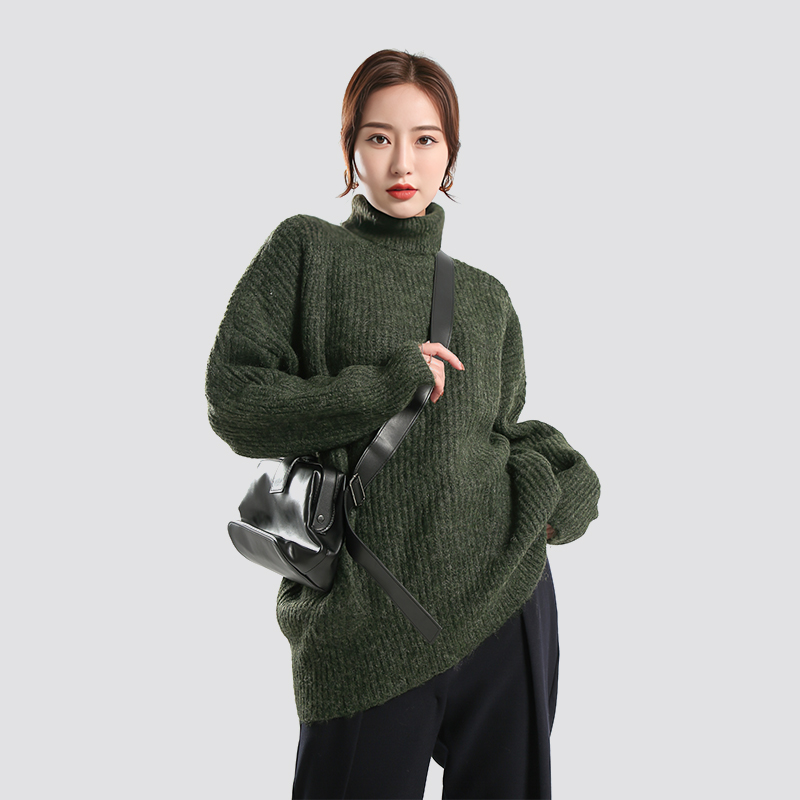
Cashmere handfeel Dark Green Wool Sweater
-
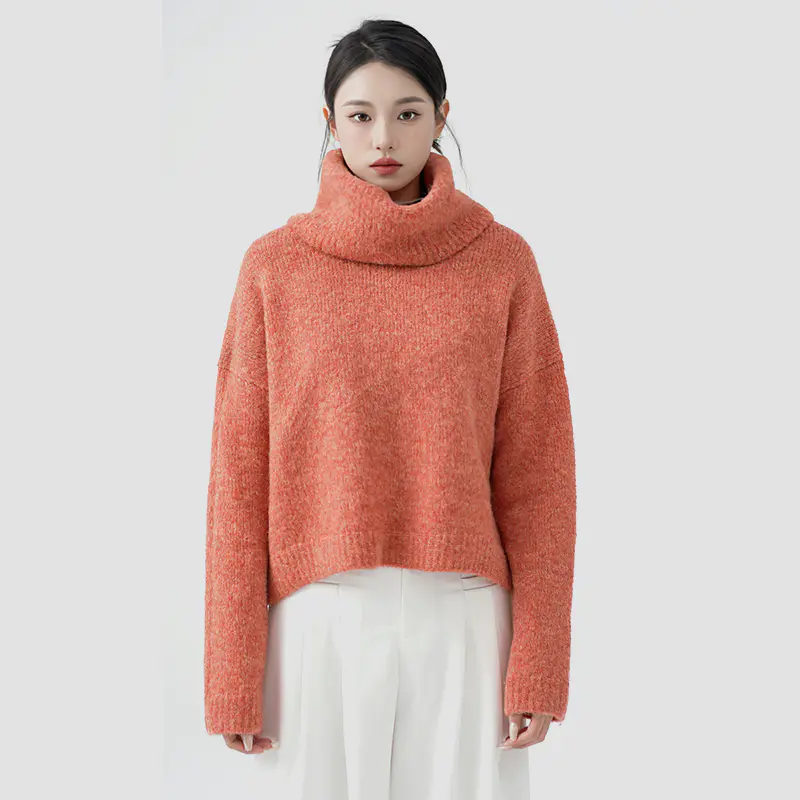
Orange Loose Neck Pullover Sweater
-
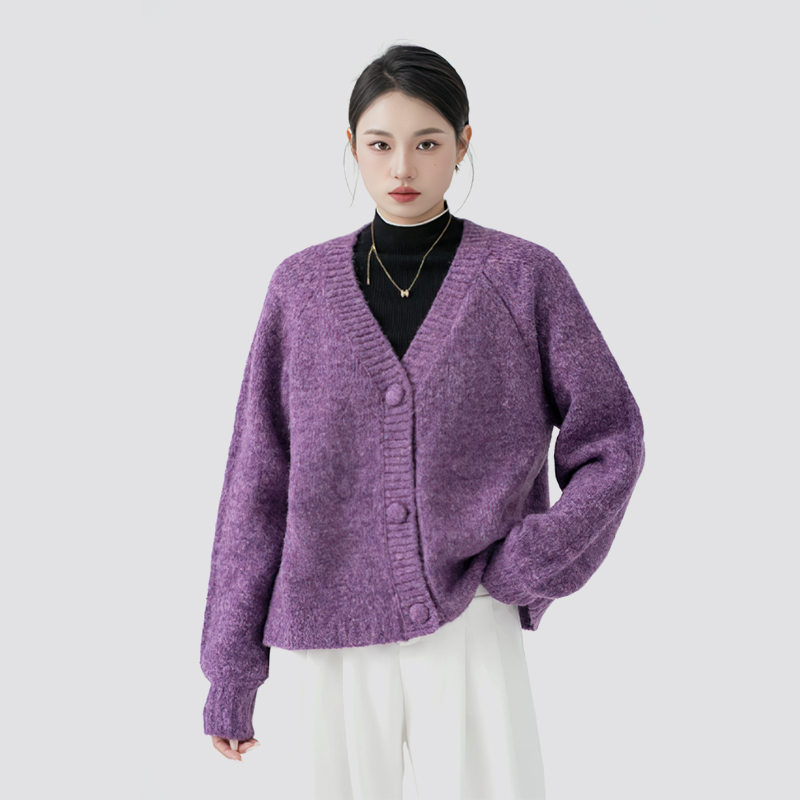
Romantic Purple Cardigan
-
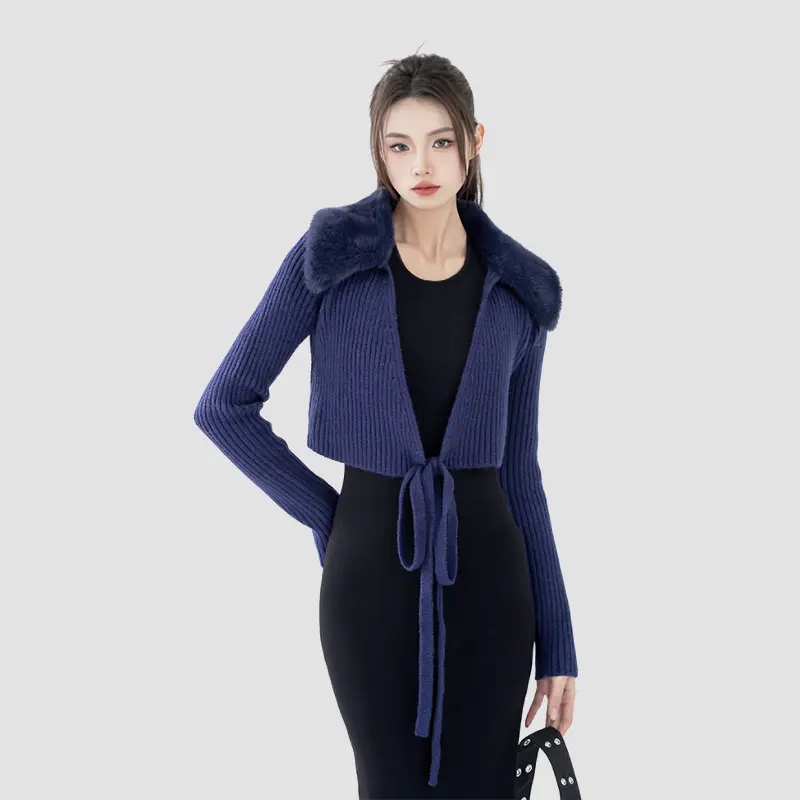
Fur Lapel Lace-up Cardigan
-
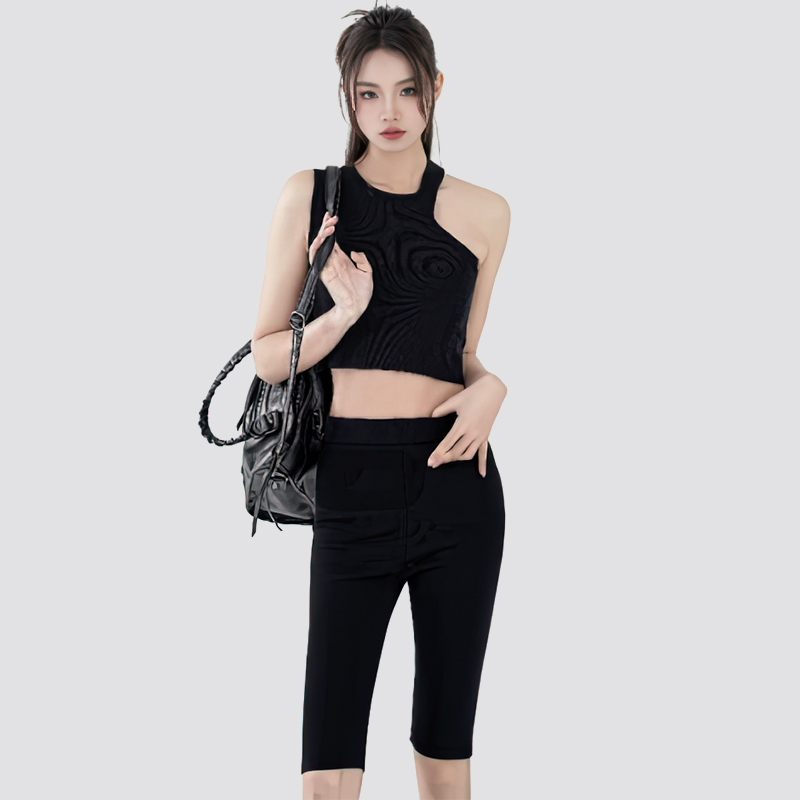
Cut Out Knitted Tank Top
-
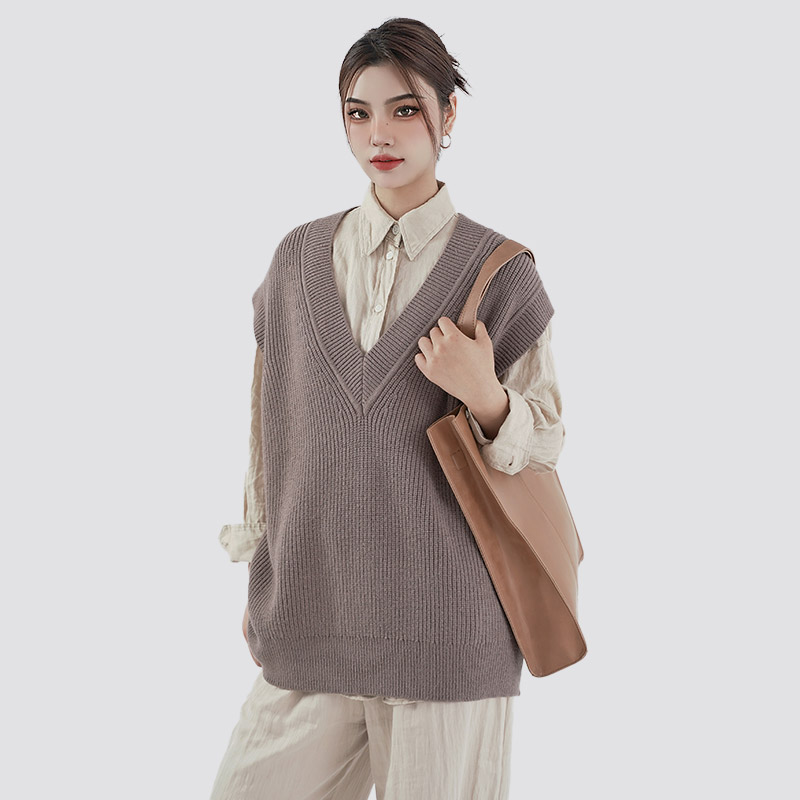
V-Neck Knitted Tank Top
-
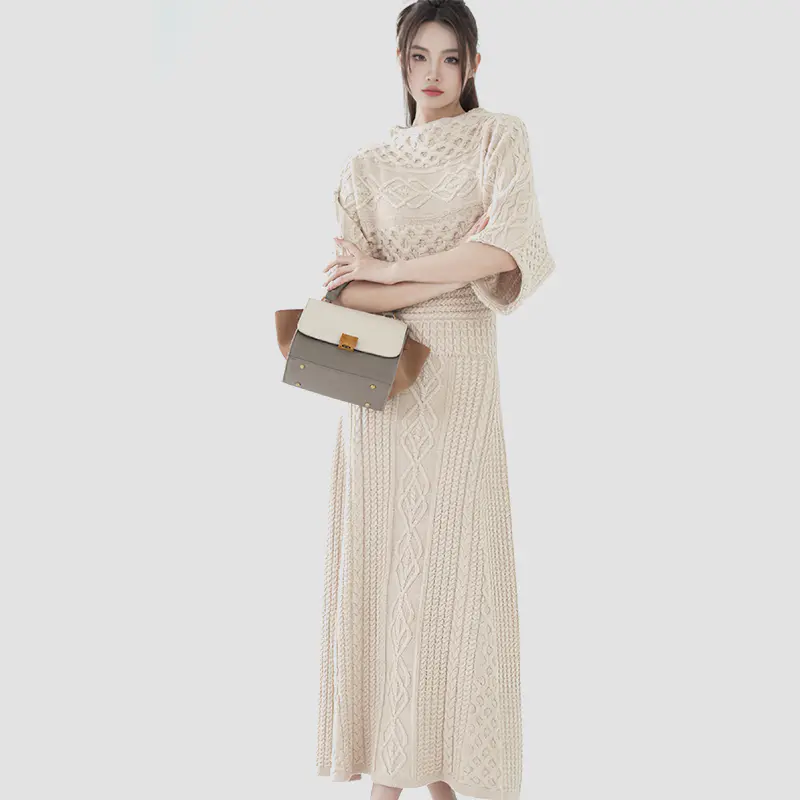
Swing Sweater Dress With Nipped Waist
-
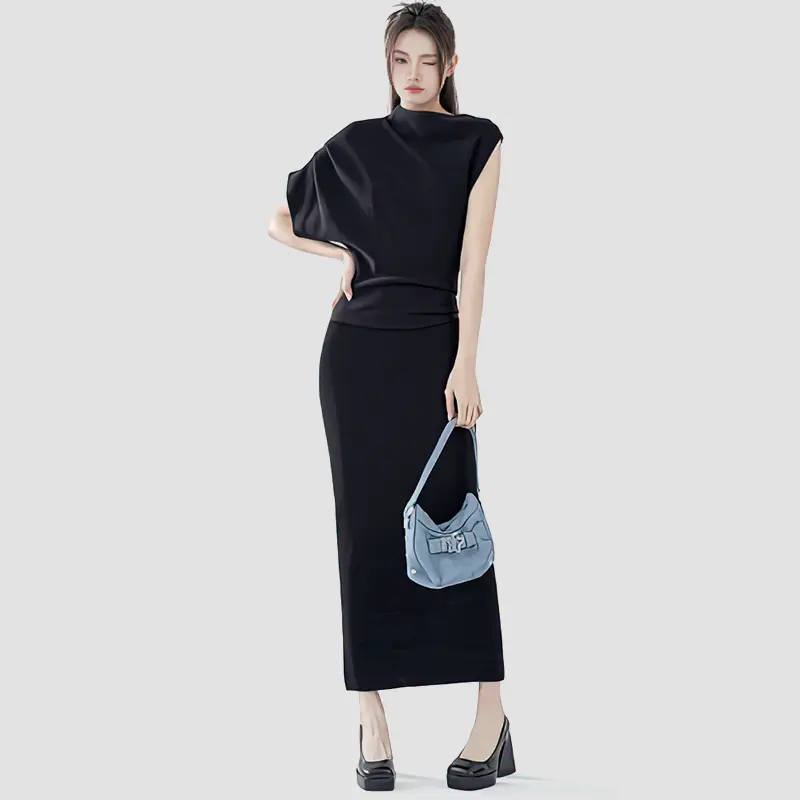
Stylish Asymmetrical Knit Long Dress
-
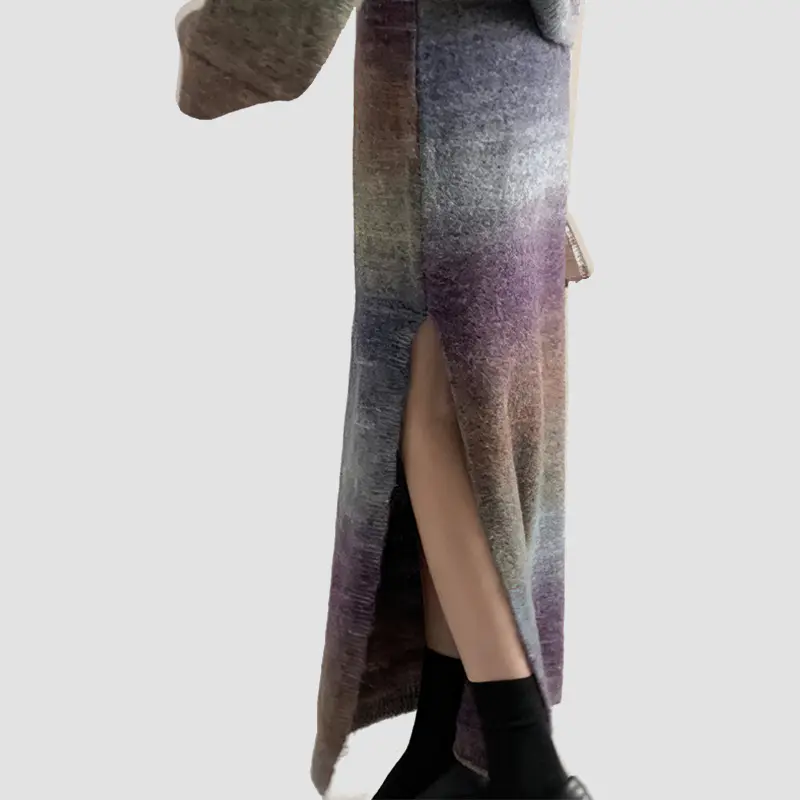
Gradient Color Side Split Half-Length Skirt
-
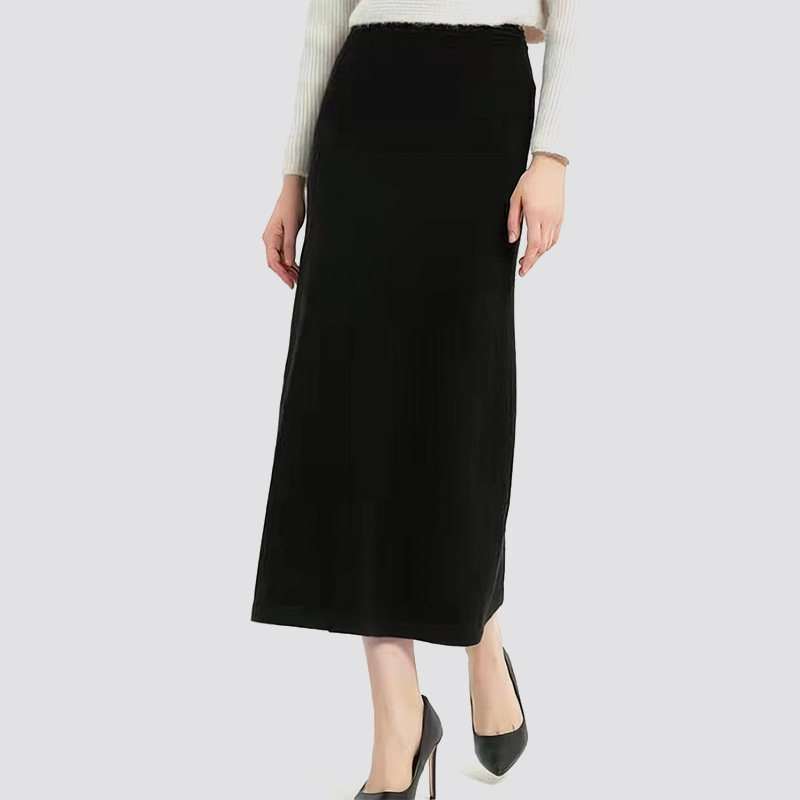
Black A-line Skirt
-
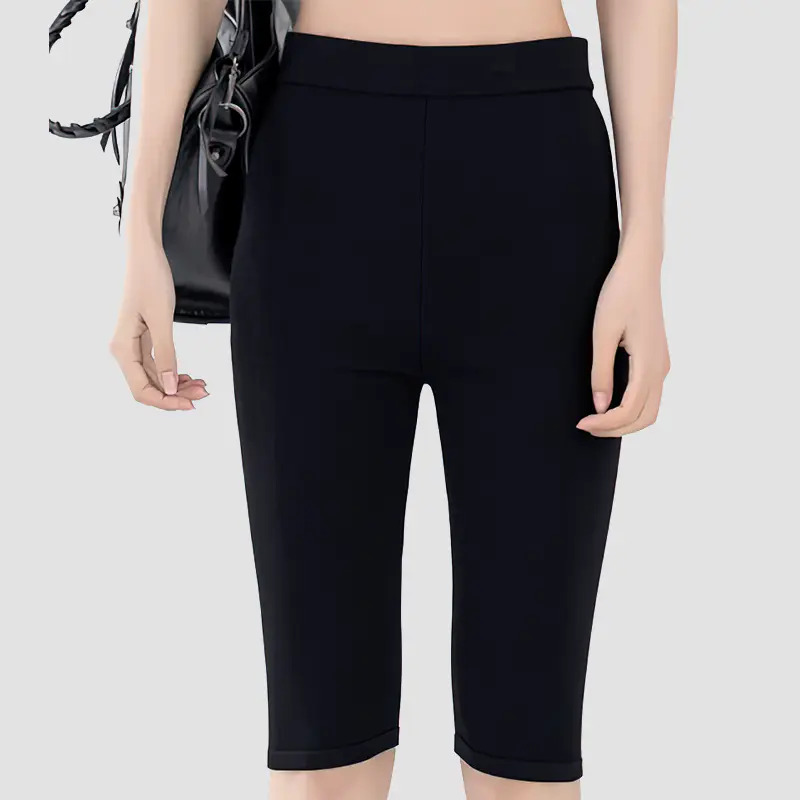
Thin Ice Silk Slimming Leggings
-
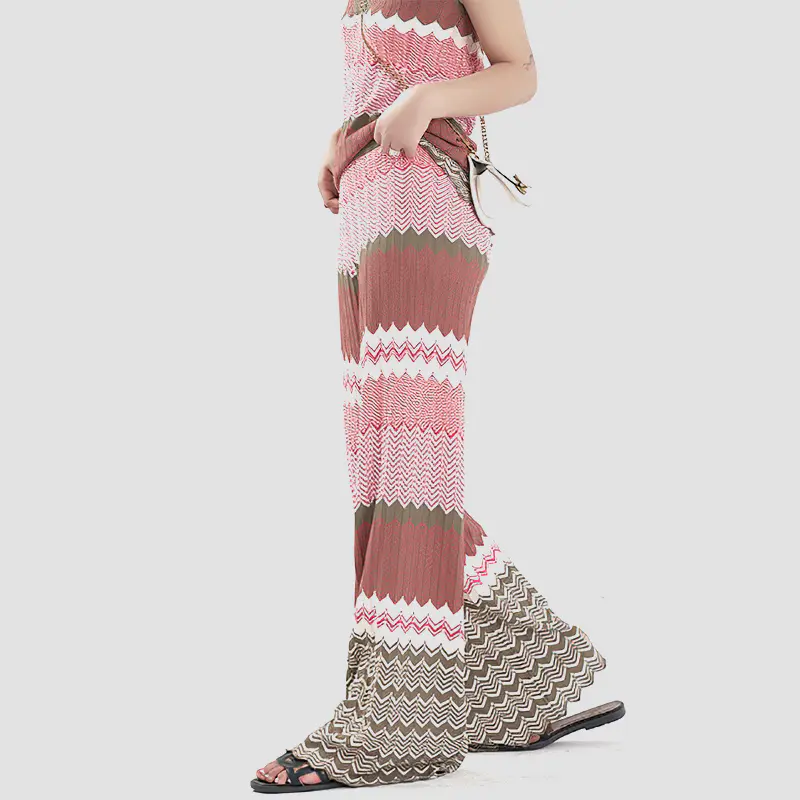
Draped Striped Loose Pants


-

Tel: +86-13913661100
-

Email: frank@sofiafashion.com
-

Add: No.886, Minfeng Road, Xushi Street, Dongbang Town, Changshu, Jiangsu, China
© 2023 Sofia Group. All rights reserved Design Custom Women's Knitted Sweaters Manufacturers
