


 English
 中文简体
中文简体 Español
What to Wear Under an Open Knit Sweater and Knitwear vs Sweater: Styling and Layering Guide
Content
Understanding Open Knit Sweaters and Their Layering Needs
An open knit sweater is characterized by visible gaps in its stitch structure, allowing light and air to pass through the fabric. Because of this breathable construction, what to wear under an open knit sweater becomes an essential styling consideration rather than an afterthought. The base layer not only determines comfort and coverage but also affects the overall visual balance of the outfit.
Open knit designs vary from loosely crocheted patterns to structured mesh knits. The larger the stitch opening, the more attention must be given to color coordination, fabric texture, and neckline compatibility of the underlayer.
Best Base Layers to Wear Under an Open Knit Sweater
Fitted Tank Tops and Camisoles
A fitted tank top or camisole provides smooth coverage without adding bulk. Cotton blends offer softness for everyday wear, while microfiber or modal fabrics create a sleek silhouette under lightweight knits. Neutral shades such as nude, white, or black maintain versatility, while contrast colors can highlight the open stitch pattern intentionally.
Long-Sleeve Base Layers
For cooler seasons, thin long-sleeve tops add warmth without compromising structure. Ribbed cotton or thermal blends complement chunkier open knit sweaters. The sleeve length should align precisely with the sweater cuffs to avoid bunching.
Button-Down Shirts
Layering a crisp button-down shirt under an open knit sweater creates a structured look suitable for casual office settings. Collars and cuffs intentionally visible through the knit pattern add dimension. Lightweight poplin or stretch cotton fabrics work best to maintain comfort.
- Choose seamless underlayers to prevent visible lines through wider knit openings.
- Match neckline shapes such as V-neck with V-neck base layers for proportional balance.
- Consider moisture-wicking fabrics for warmer climates.
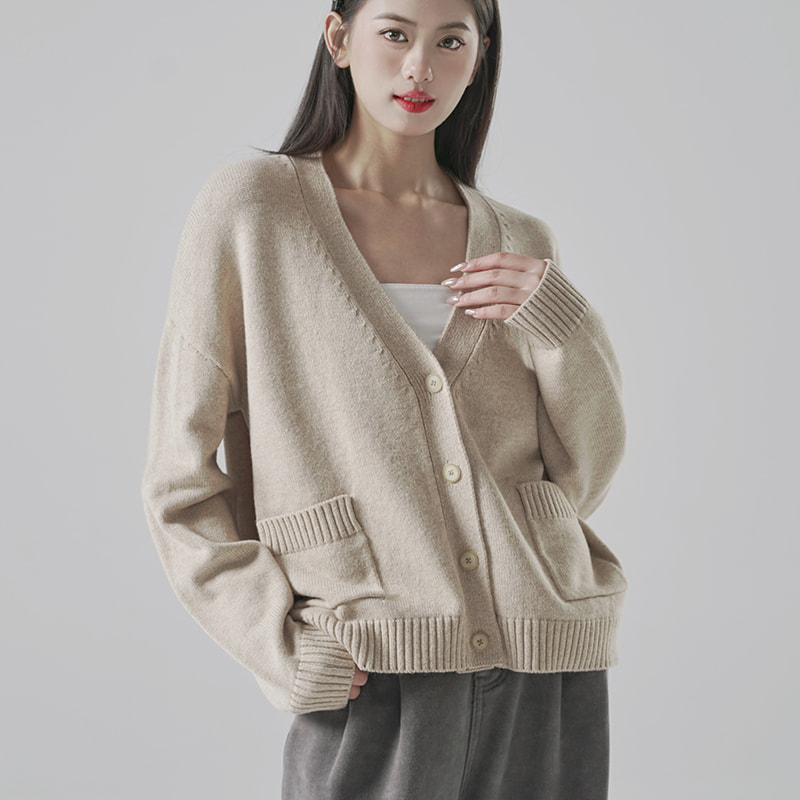
Seasonal Layering Strategies
Spring and summer styling favors lightweight camisoles or bralettes under open knit sweaters, especially for beachwear or resort-inspired outfits. Breathable fabrics reduce overheating while maintaining coverage.
In autumn and winter, thermal tops or fine knit turtlenecks create insulation. Coordinated layering enhances warmth without obscuring the sweater’s open texture. Choosing complementary tones prevents visual clutter.
| Season | Recommended Base Layer | Primary Benefit |
| Spring | Lightweight camisole | Breathability |
| Summer | Sleeveless tank | Minimal bulk |
| Autumn | Long-sleeve cotton top | Layered warmth |
| Winter | Thin turtleneck | Insulation |
Knitwear vs Sweater: Key Differences in Definition and Usage
The discussion of knitwear vs sweater often involves terminology rather than fabric composition. Knitwear refers broadly to garments constructed through knitting techniques, including sweaters, cardigans, dresses, and knit tops. A sweater is a specific type of knitwear designed as an upper-body garment, typically worn for warmth.
All sweaters are knitwear, but not all knitwear items are sweaters. Knitwear includes lightweight knit dresses and matching sets that may not function primarily as insulating garments. The term sweater usually implies a pullover or cardigan structure intended for layering.
Functional Comparison
| Aspect | Knitwear | Sweater |
| Definition | Category of knitted garments | Specific knitted top |
| Range | Broad | Limited to upper-body garment |
| Primary Purpose | Varies by item | Warmth and layering |
Coordinating Fit and Proportion in Layered Knit Styling
When selecting what to wear under an open knit sweater, garment fit must be considered carefully. A slim underlayer prevents unnecessary bulk and allows the open knit texture to remain the focal point. Oversized sweaters pair best with fitted base layers to maintain silhouette balance.
Neckline alignment, sleeve length, and fabric thickness determine overall comfort and aesthetics. Proper layering ensures that the sweater maintains structure without appearing stretched or distorted.
- Avoid textured base layers under fine open knits to reduce visual clutter.
- Select breathable fabrics for extended wear comfort.
- Coordinate color contrast intentionally for stylistic effect.
Understanding the relationship between knitwear vs sweater terminology and practical layering decisions allows for more confident styling choices. Through careful base layer selection and proportion management, open knit sweaters can transition seamlessly across seasons and occasions.
Recommended Products
-
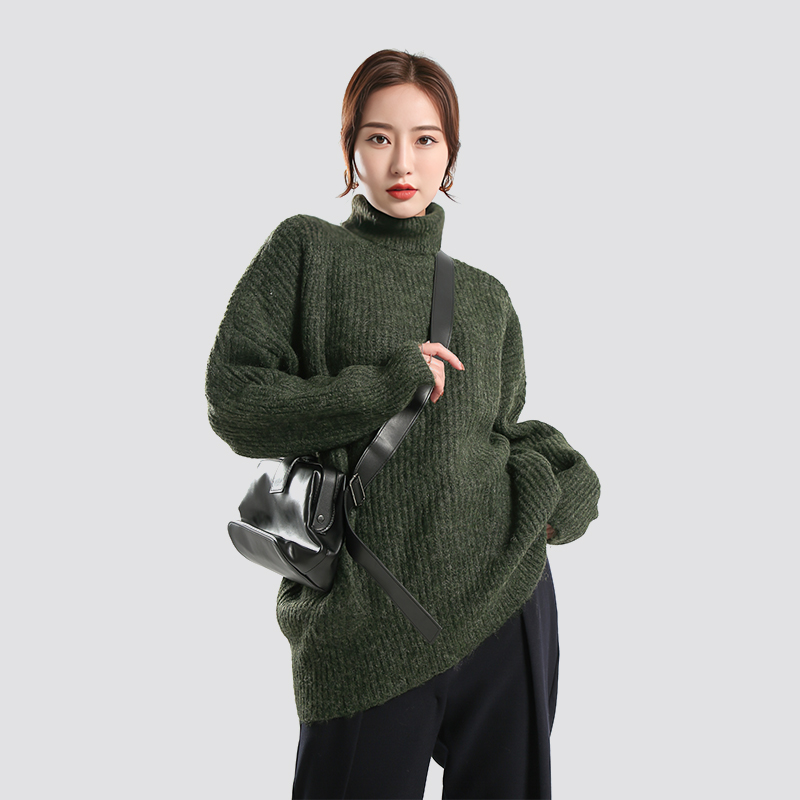
Cashmere handfeel Dark Green Wool Sweater
-
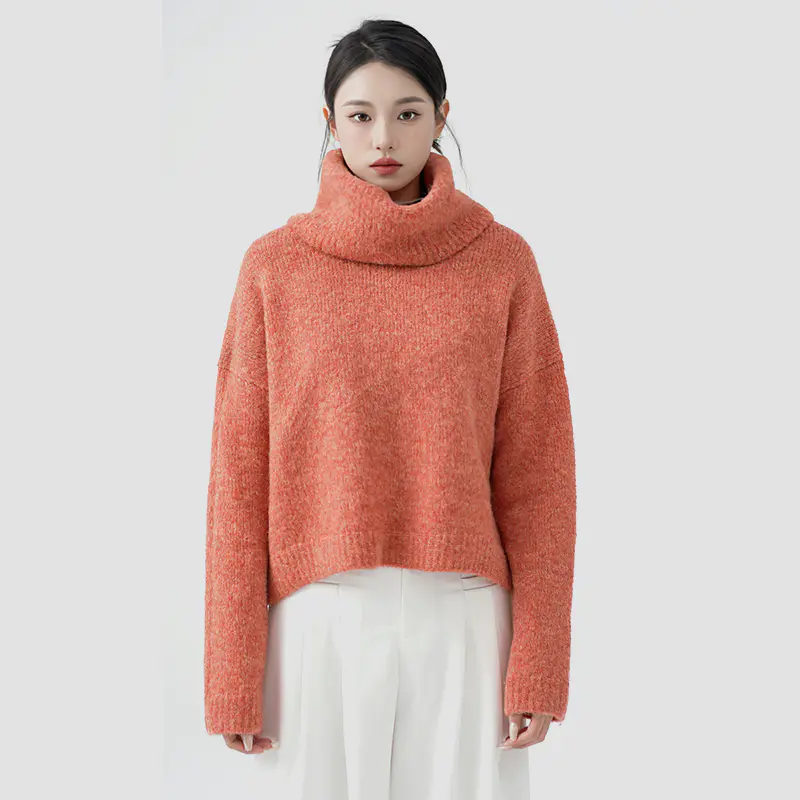
Orange Loose Neck Pullover Sweater
-
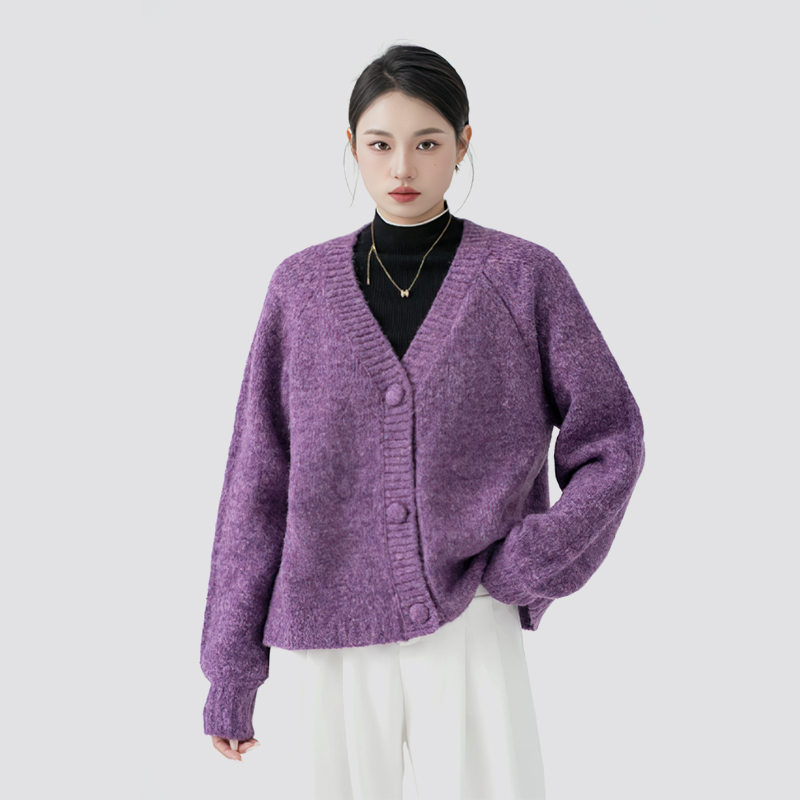
Romantic Purple Cardigan
-
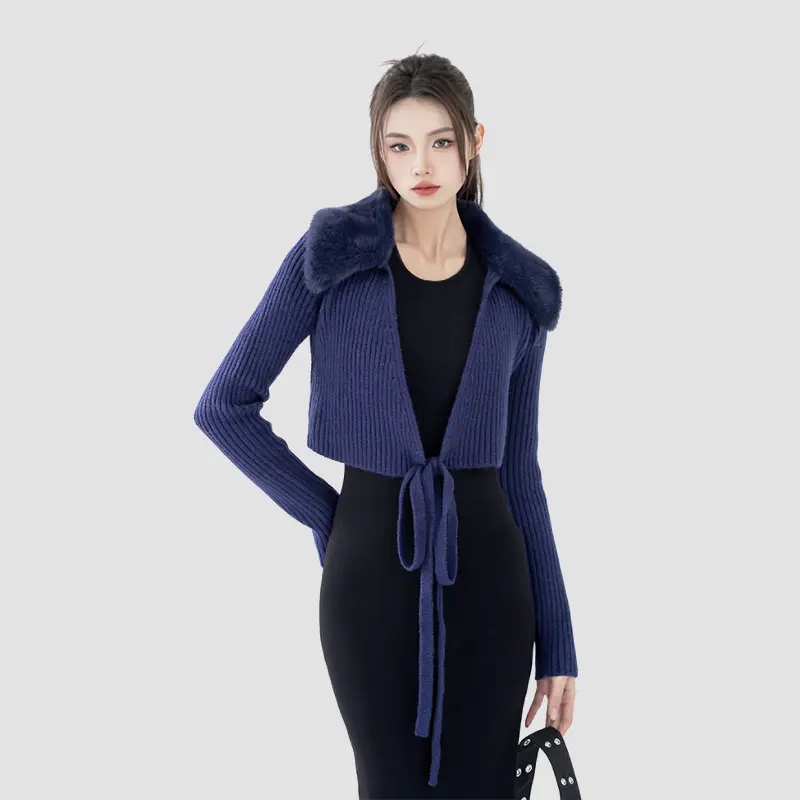
Fur Lapel Lace-up Cardigan
-
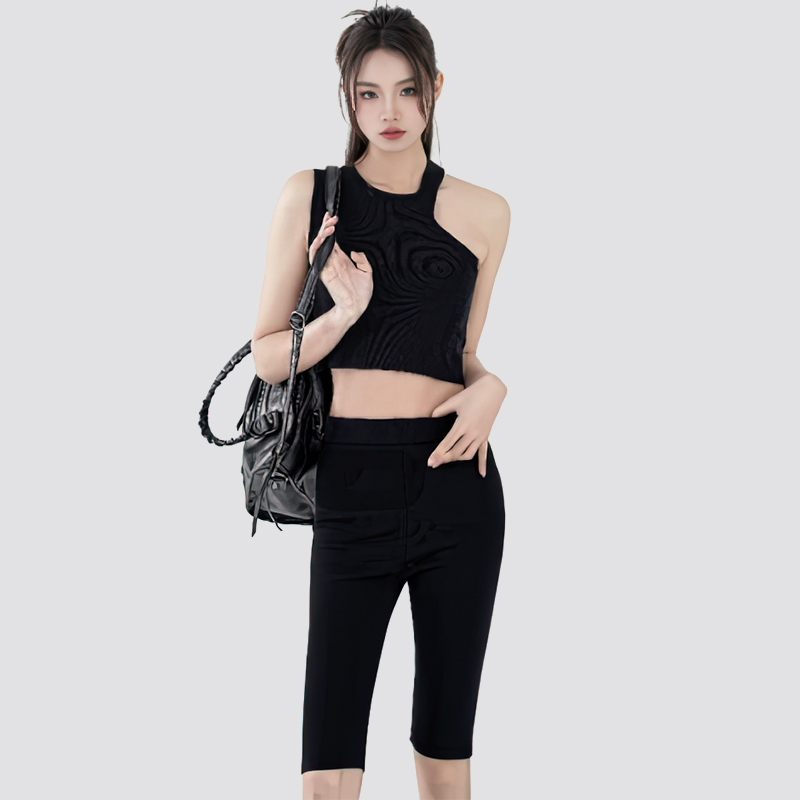
Cut Out Knitted Tank Top
-
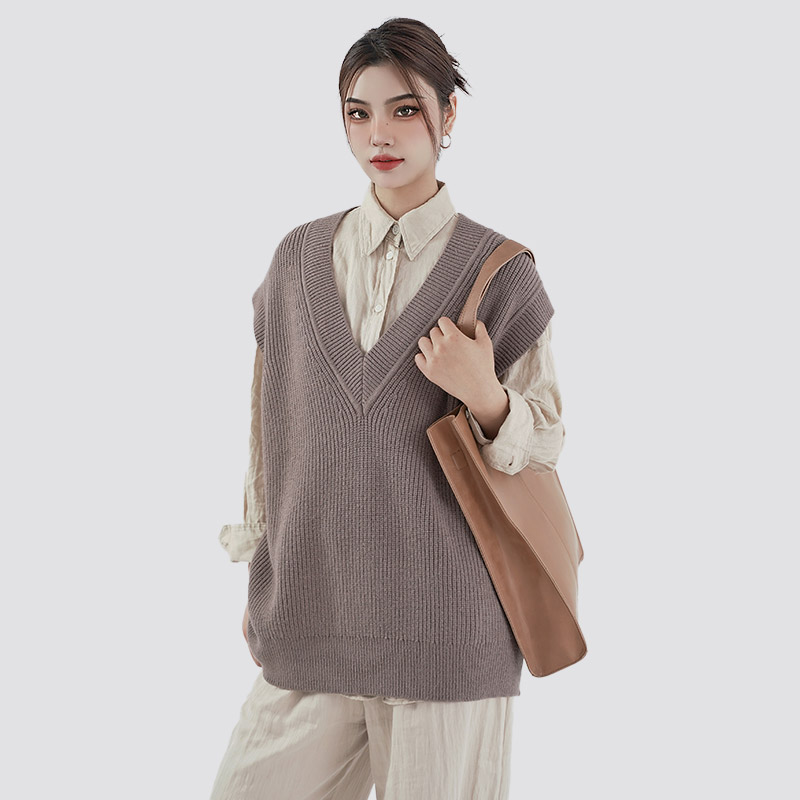
V-Neck Knitted Tank Top
-
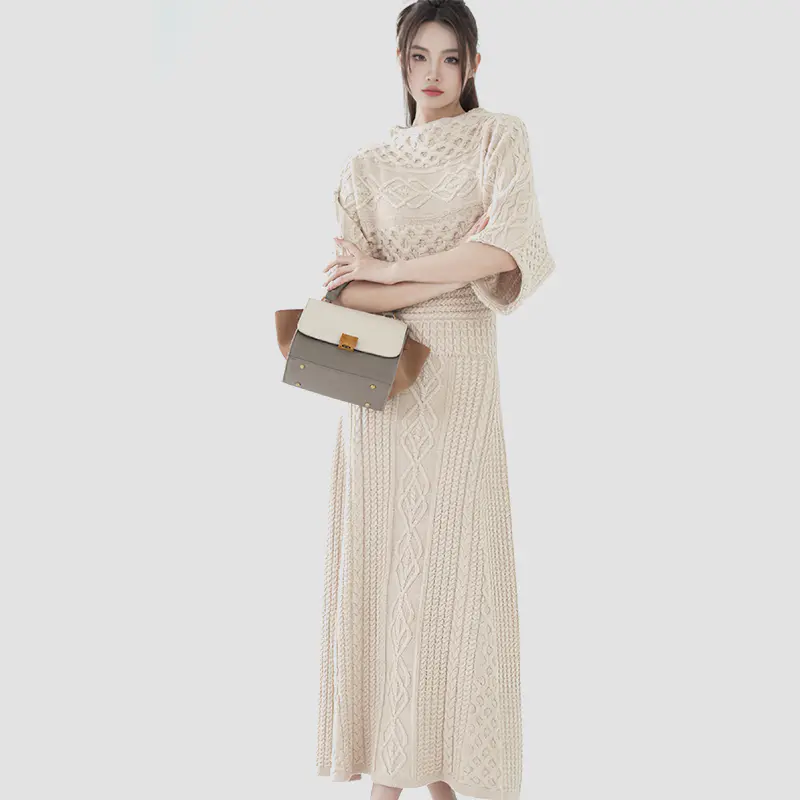
Swing Sweater Dress With Nipped Waist
-
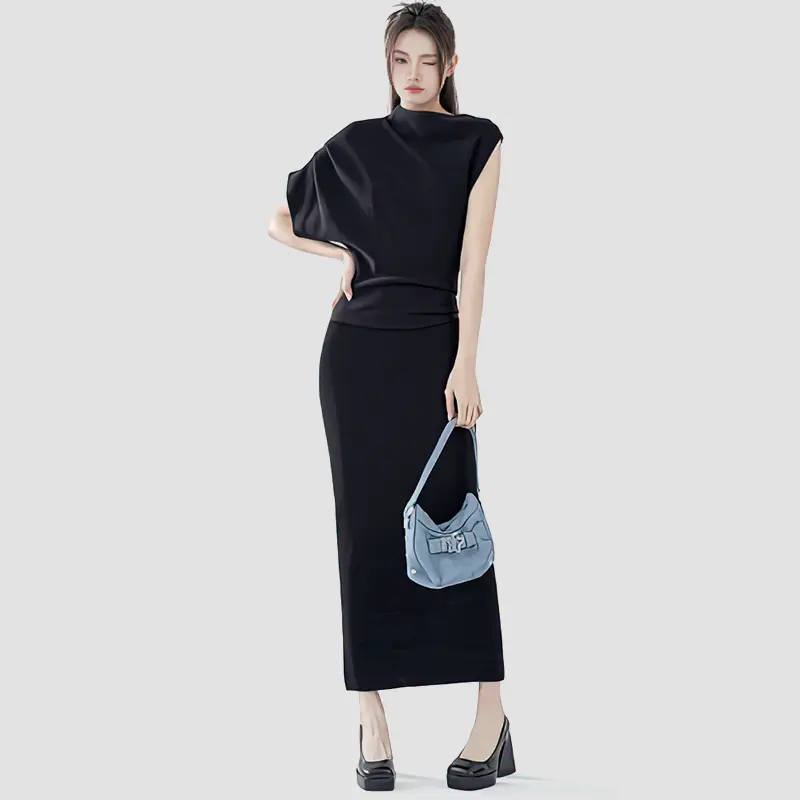
Stylish Asymmetrical Knit Long Dress
-
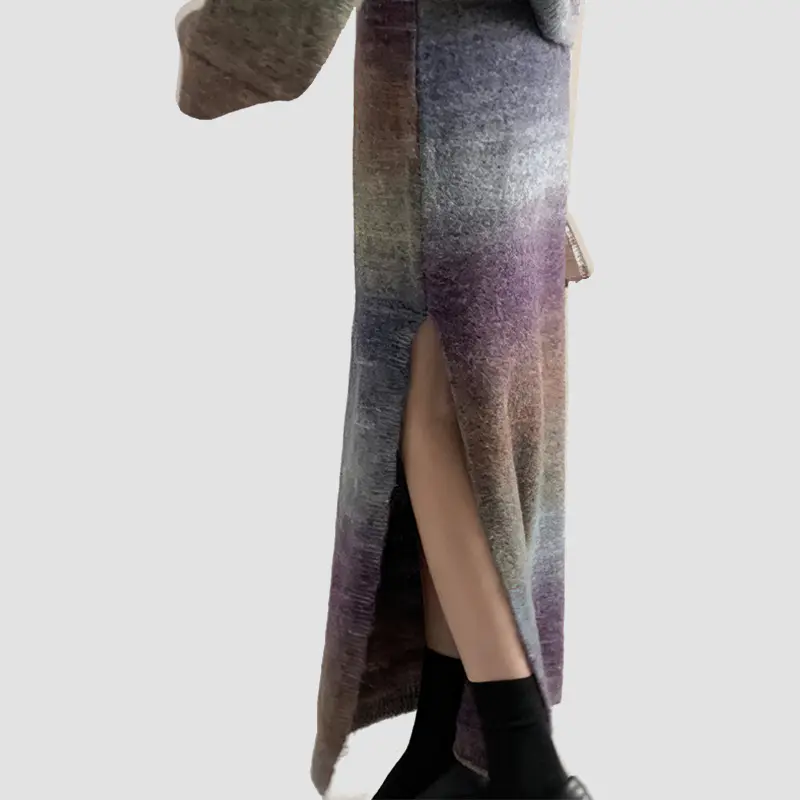
Gradient Color Side Split Half-Length Skirt
-
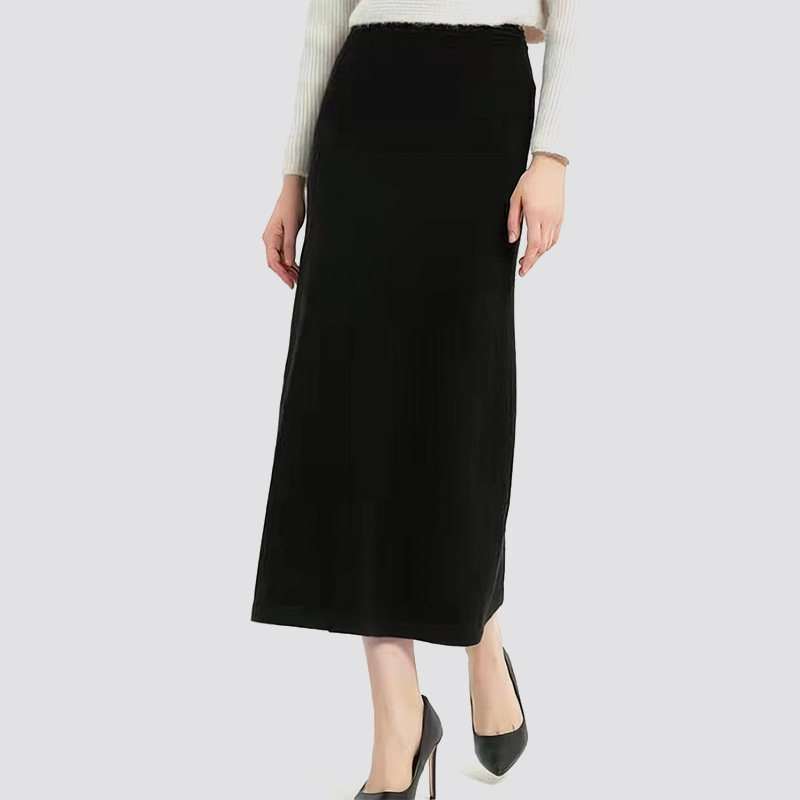
Black A-line Skirt
-
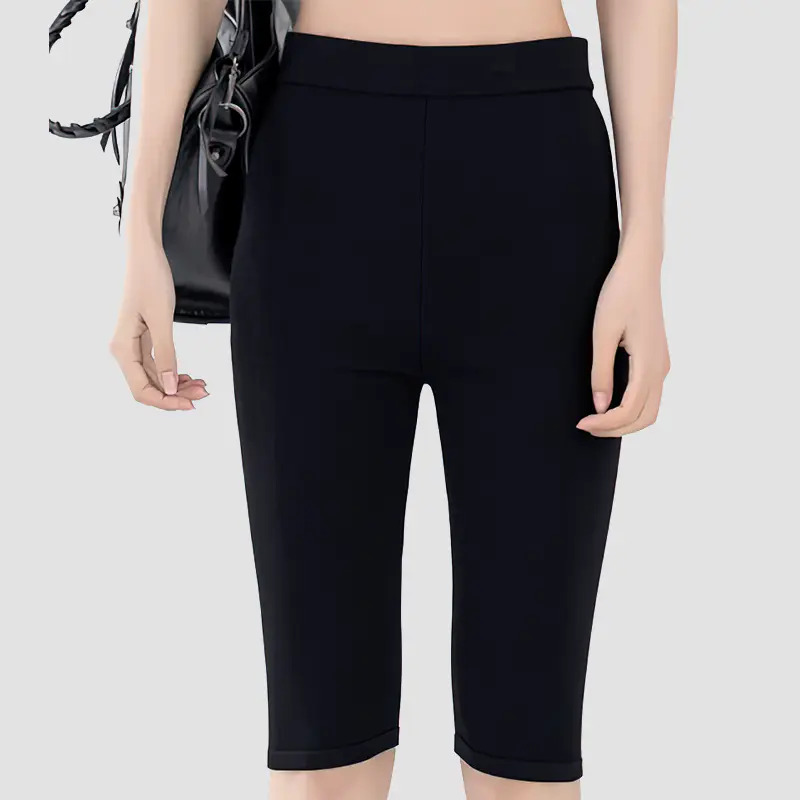
Thin Ice Silk Slimming Leggings
-
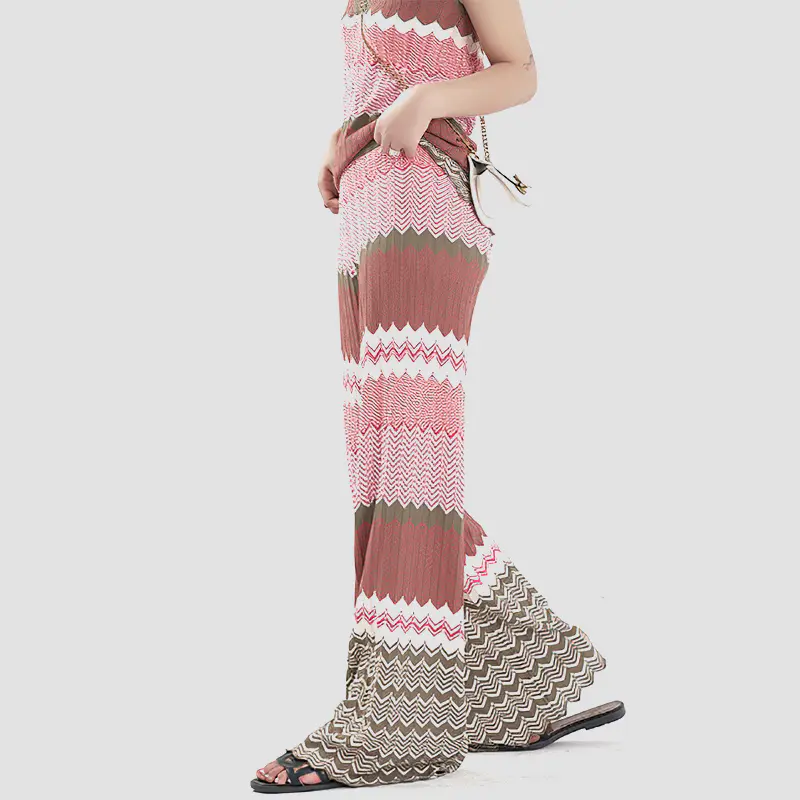
Draped Striped Loose Pants


-

Tel: +86-13913661100
-

Email: frank@sofiafashion.com
-

Add: No.886, Minfeng Road, Xushi Street, Dongbang Town, Changshu, Jiangsu, China
© 2023 Sofia Group. All rights reserved Design Custom Women's Knitted Sweaters Manufacturers
