


 English
 中文简体
中文简体 Español
How to Style Knit Vests: Layering, Outfits & Color Tips
Knit vests are one of the most versatile layering pieces in a wardrobe — they work over shirts, under blazers, with dresses, and across every season from early autumn to late spring. The key to styling a knit vest is treating it as a layering anchor rather than an afterthought: build the outfit around its texture, fit, and weight, and let it define the look's register — casual, smart-casual, or polished. Whether you're working with a chunky cable-knit, a fine-gauge ribbed style, or a cropped version, the styling logic is consistent and learnable.
Content
- 1 Understanding Knit Vest Types Before You Style Them
- 2
- 3 The Classic Layered Look: Knit Vest Over a Collared Shirt
- 4 Knit Vest Over a Turtleneck or Long-Sleeve Top
- 5 Knit Vests With Trousers and Jeans
- 6 Knit Vests With Skirts and Dresses
- 7 Styling Knit Vests by Season
- 8 Color and Pattern Strategies for Knit Vests
- 9 Common Knit Vest Styling Mistakes to Avoid
Understanding Knit Vest Types Before You Style Them
Not all knit vests style the same way. The gauge, fit, and length of the vest determine what goes with it — and getting this wrong is the most common reason an outfit built around a knit vest looks unintentional rather than considered.
Fine-Gauge vs. Chunky Knit
Fine-gauge knit vests (thin, tightly woven, often in merino wool, cashmere, or cotton) are the most versatile. They layer easily under structured jackets or blazers, sit flat against collared shirts, and work in smart-casual to semi-formal contexts. Think of the classic argyle or ribbed school vest — it disappears into a layered outfit without adding bulk.
Chunky or oversized knit vests — heavy cable-knit, boucle, or textured weaves — are statement pieces. Their bulk means they read as the focal point of any outfit, so pairing pieces need to be simpler and lower in visual weight. A chunky cream cable-knit vest over a white fitted long-sleeve top and straight-leg jeans is all the outfit needs.
Cropped vs. Standard vs. Longline
Length changes the proportion of an outfit more than almost any other factor. A cropped knit vest (hitting at or above the natural waist) creates space to show off high-waisted bottoms, works best with wider-leg trousers or midi skirts, and reads youthful and fashion-forward. A standard-length vest (hitting at or just below the natural waist) is the most universally flattering and easiest to style. A longline vest (hitting at the hip or lower) functions more like a top layer — style it like a cardigan without sleeves, belted or open.
| Vest Type | Best Layering Partners | Best Bottom Pairings | Occasion Register |
|---|---|---|---|
| Fine-gauge, fitted | Collared shirt, blazer over top | Tailored trousers, chinos, pencil skirt | Smart-casual to semi-formal |
| Chunky / oversized | Fitted long-sleeve tee or turtleneck | Straight-leg jeans, wide-leg trousers | Casual to smart-casual |
| Cropped knit vest | Fitted tee, long-sleeve base layer | High-waisted jeans, midi skirt, wide-leg trousers | Casual to fashion-forward |
| Longline knit vest | Fitted turtleneck or slim T-shirt | Skinny jeans, leggings, straight trousers | Casual, layered outerwear substitute |
| Ribbed, slim-fit | Nothing beneath (standalone) or shirt collar showing | Any; most versatile option | All registers depending on color |
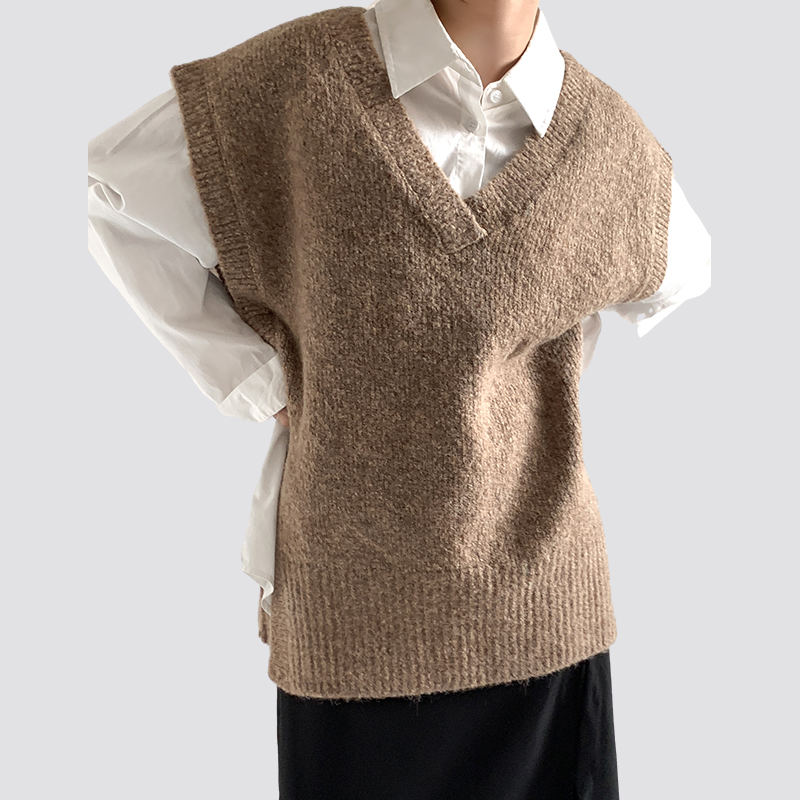
The Classic Layered Look: Knit Vest Over a Collared Shirt
Layering a fine-gauge knit vest over a collared shirt is the most timeless knit vest outfit — and it works across genders and decades precisely because the proportions are already resolved. The collar and cuffs of the shirt extend beyond the vest's neckline and armholes, creating visible contrast that adds detail without requiring accessories.
Making the Shirt-and-Vest Combination Work
- Match the formality of both pieces. A crisp Oxford button-down under a fine merino V-neck vest reads smart-casual. A relaxed linen shirt under the same vest reads slightly more casual. A formal dress shirt with a stiff collar under a wool vest with tailored trousers reads business-appropriate.
- The vest should fit more closely than the shirt. If the vest is the same looseness as the shirt, the layering looks accidental. A fitted vest over a slightly looser shirt creates intentional visual structure.
- Tuck the shirt in. An untucked shirt beneath a vest creates a sloppy silhouette because the shirt hem creates an uneven line at the vest's lower edge. Tucking — even just a front tuck — resolves this immediately.
- Let the shirt cuffs show. Rolling the shirt sleeves up to mid-forearm when wearing a vest over it gives the outfit a relaxed, intentional finish. Leaving the shirt fully buttoned at the cuffs works better in formal contexts.
Color Combinations That Always Work
When mixing a patterned shirt with a plain vest — or vice versa — the rule is straightforward: one patterned piece, one plain piece. A white shirt under a fair isle or argyle vest is classic. A striped or checked shirt under a plain navy or oatmeal vest reads preppy-modern. Mixing two patterns requires that one pattern be significantly smaller in scale than the other — a large houndstooth vest over a fine pinstripe shirt, for example.
Knit Vest Over a Turtleneck or Long-Sleeve Top
Pairing a knit vest over a turtleneck or fitted long-sleeve top is one of the most effective cold-weather styling approaches — and one of the fastest-growing combinations in contemporary fashion. It solves the problem of showing arm coverage beneath an armless garment while creating a textural layering effect that looks deliberate and fashion-aware.
A fine turtleneck under a chunky knit vest is the archetypal combination: the smooth, close-fitting turtleneck acts as a clean base that contrasts with the texture of the vest. The neck coverage from the turtleneck replaces the need for a necklace or other jewelry, simplifying the styling decision. Stick to tonal color combinations — cream vest over a camel or ivory turtleneck, charcoal vest over a grey turtleneck — or use the turtleneck as a subtle pop of color under a neutral vest.
For a fitted fine-gauge vest over a long-sleeve top (not a turtleneck), the same principle applies: the base layer should be simpler in texture and ideally one shade darker or lighter than the vest. A ribbed cream vest over a white long-sleeve top with exposed arms creates a cohesive tonal look with subtle textural interest.
Knit Vests With Trousers and Jeans
The bottom half of a knit vest outfit needs to balance the visual weight of the vest. The general principle: volume up top = slim or straight bottom; slim or fitted vest = you have more flexibility with trouser silhouette.
With Tailored Trousers
A fine-gauge knit vest over a collared shirt with tailored trousers is one of the most office-appropriate interpretations of the trend — and it works in creative professional environments where a full suit feels too rigid. Slim or straight-cut trousers in navy, charcoal, camel, or olive are the most reliable choices. Add leather loafers or Oxford shoes and the outfit is complete without requiring a jacket.
With Jeans
Knit vests with jeans are the casual-end styling option — and the wash and cut of the jeans determine how casual the result reads. Straight-leg or barrel-leg jeans in a mid or dark wash paired with a chunky or textured vest create the most balanced silhouette. Wide-leg jeans work well with a cropped vest specifically — the high-waisted, wide-leg silhouette benefits from the cropped length defining the waist. Skinny jeans under an oversized or longline vest create a cozy, relaxed look that leans into the proportion contrast.
Avoid heavily distressed or ripped jeans with a fine-gauge or formal-register vest — the formality mismatch rarely resolves into intentional contrast; it more often reads as mismatched.
With Wide-Leg or Relaxed Trousers
Wide-leg or relaxed trousers with a knit vest is a strong contemporary combination — but proportion management is essential. If both the vest and trousers are loose or voluminous, the outfit risks looking shapeless. The solution is to define the waist: either tuck the base layer in, use a belt over the vest if the style allows, or choose a vest that fits closely enough to create a defined shoulder-to-hip line even without a waist emphasis.
Knit Vests With Skirts and Dresses
One of the most underused knit vest styling approaches is pairing them with skirts and dresses — and it's consistently one of the most polished results.
Over a Midi Skirt
A fine or medium-weight knit vest tucked into or worn over a midi skirt is a sophisticated, feminine combination that works for a range of occasions. The vest provides structure at the top while the skirt adds flow beneath. Straight or A-line midi skirts in wool, satin, or suede work best — avoid heavily gathered or tiered styles, which add too much volume at the hip when combined with even a relatively slim vest. Add ankle boots or loafers and the outfit is seasonless and polished.
Over a Slip Dress
Wearing a knit vest over a slip dress is a fashion-forward layering technique that gained significant traction through the early 2020s and remains a strong styling choice. The contrast between the smooth, often silky slip dress and the textured knit creates visual interest without requiring additional accessories. Keep the slip dress simple and close-fitting — a bias-cut satin midi slip in ivory, camel, or dusty rose under a ribbed or cable-knit vest — and the contrast does all the work. Add chunky boots for an intentional casual-luxe tension, or strappy heels for a dressier reading.
With a Mini Skirt
A cropped or standard-length knit vest over a mini skirt is a high-impact, youthful combination most effective with a base layer — a fitted turtleneck or long-sleeve top covering the torso beneath the vest, with the vest acting as a textured layer rather than the primary top. Leather or denim mini skirts ground the softness of the knit effectively; overly fluffy or sheer mini skirts can make the combination feel visually unfocused.
Styling Knit Vests by Season
Knit vests are genuinely four-season pieces — the key is adjusting the fiber weight and layering strategy to the temperature.
- Autumn and winter: Layer chunky or medium-weight vests over long-sleeve tops, turtlenecks, or collared shirts. Add a coat or overcoat on top — a vest fits cleanly under most outerwear without creating bulk at the shoulders, which makes it a better mid-layer than a bulky jumper in many cases.
- Spring: Medium or fine-gauge vests over a T-shirt or lightweight long-sleeve top transition well into cool spring days. The sleeveless construction means arms stay uncovered as temperatures rise, making the outfit comfortable across a wider temperature range than a full jumper.
- Summer: Lightweight cotton or linen knit vests worn directly over a simple top or even as a standalone top (if the knit is tight enough for coverage) work on cooler summer evenings. Avoid heavy wool in summer regardless of styling — the fiber choice matters as much as the garment structure.
- Air-conditioned environments year-round: A fine-gauge knit vest is one of the best solutions for offices, restaurants, or travel where temperature swings between outside heat and inside over-cooling. It provides a layer without creating the overheating problem of a full-sleeve garment outdoors.
Color and Pattern Strategies for Knit Vests
Color choice in a knit vest outfit has an outsize effect because the vest occupies the central visual field — the torso — where the eye naturally goes first. Getting the color logic right makes the outfit look considered; getting it wrong makes otherwise well-chosen pieces feel disconnected.
Neutral Vests: The Safest and Most Versatile Starting Point
Oatmeal, cream, camel, grey, navy, and black vests are the most investment-worthy choices because they pair with virtually everything in a wardrobe and don't compete with other pattern or color elements in the outfit. A camel cable-knit vest over a white shirt with navy trousers is a combination that requires no styling skill to execute and looks reliably polished. If you're building your first knit vest into a wardrobe, start with a fine or medium-gauge neutral.
Patterned Vests: Fair Isle, Argyle, and Stripe
Patterned knit vests — argyle, fair isle, intarsia color-block, or bold stripe — work best when the rest of the outfit is deliberately understated. A fair isle or argyle vest over a white shirt, with plain chinos or dark jeans, lets the pattern be the focal point without competition. Avoid patterned shirts, busy trousers, or bold accessories when the vest is already doing decorative work.
One effective technique: pull a secondary color from the vest's pattern and repeat it elsewhere in the outfit. A fair isle vest with flecks of rust and sage worn over a plain sage green turtleneck — with the rust recurring in a leather belt or bag strap — creates a cohesive, intentionally curated look that reads as considered without being matchy.
Bold or Saturated Color Vests
A brightly colored knit vest — cobalt, rust, forest green, burgundy — can anchor an otherwise neutral outfit effectively. Style the base layer and bottoms in muted tones — grey, white, off-white, black, stone — so the vest color reads as the clear focal point rather than one element in a busy color palette. Avoid pairing two saturated colors in the same outfit unless you have a strong instinct for color and are deliberately working with complementary or analogous palettes.
Common Knit Vest Styling Mistakes to Avoid
Even with good pieces, a few recurring errors consistently undermine knit vest outfits:
- Wearing a vest that's too large: An oversized vest on a small frame — especially a fine-gauge style — looks like an accident rather than an intention. Fit the vest to your shoulder width; everything else can have more volume.
- Leaving the base layer untucked with a standard-length vest: An untucked shirt hem visible below a vest's armhole creates a layering that looks unresolved. Tuck in, or choose a base layer specifically intended to be seen (like a crisp shirt with visible cuffs).
- Pairing a chunky vest with a voluminous bottom: If both the vest and the trousers or skirt are wide and loose, the body disappears into fabric. At least one element of the silhouette needs to be fitted.
- Wearing a formal vest with overly casual footwear: A fine-gauge vest over a collared shirt with tailored trousers is undermined by worn-out trainers. The footwear needs to meet the formality register of the vest.
- Ignoring proportion at the neckline: A V-neck vest and a crew-neck base layer creates a doubled neckline that competes visually. Match necklines — V-neck vest over a V-neck or low crew, crew-neck vest over a collared shirt or turtleneck — or make the contrast intentional and significant.
Recommended Products
-
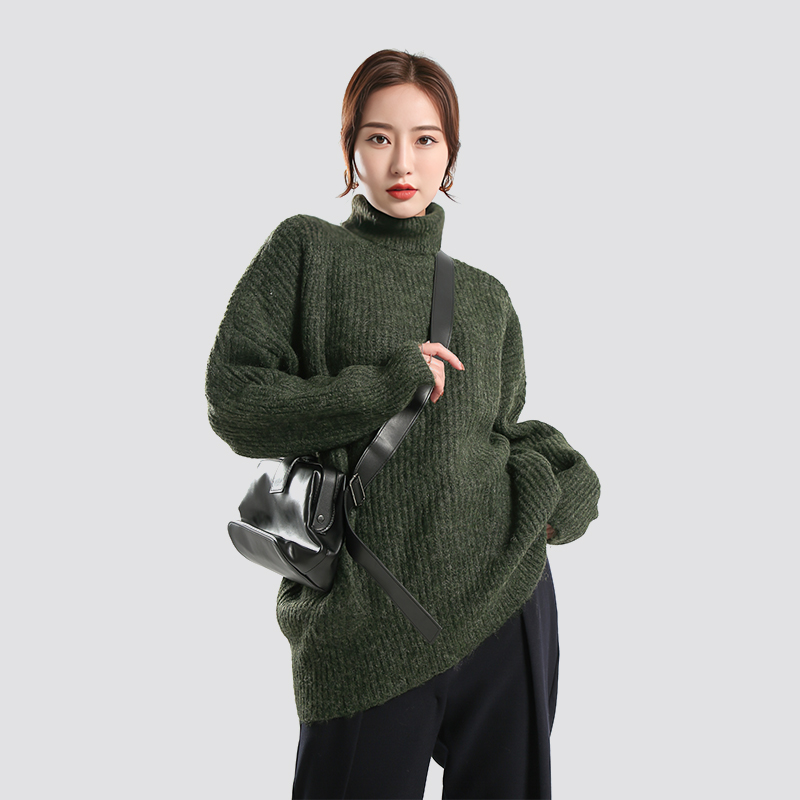
Cashmere handfeel Dark Green Wool Sweater
-
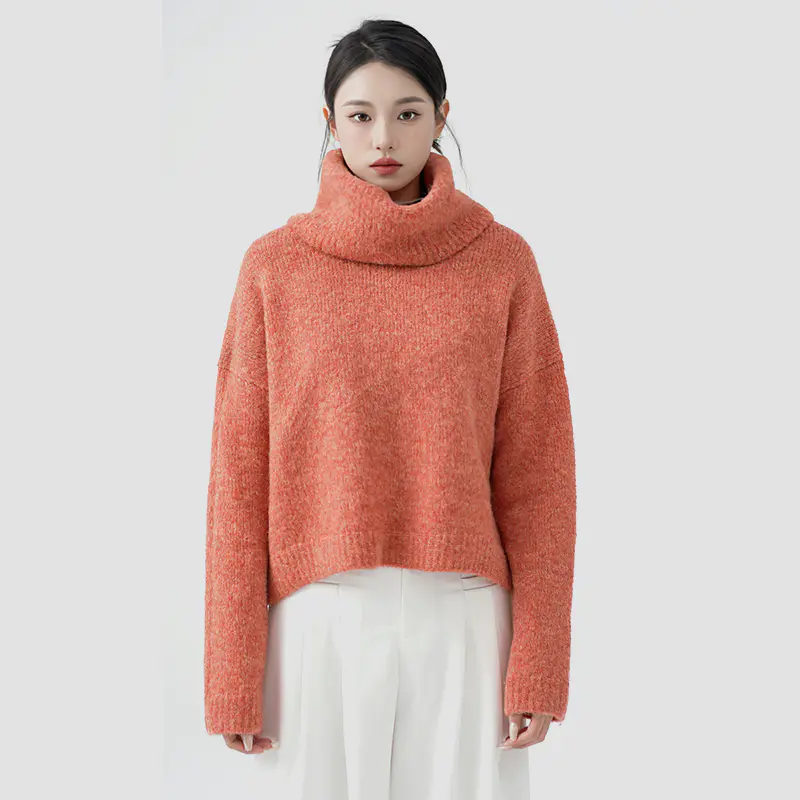
Orange Loose Neck Pullover Sweater
-
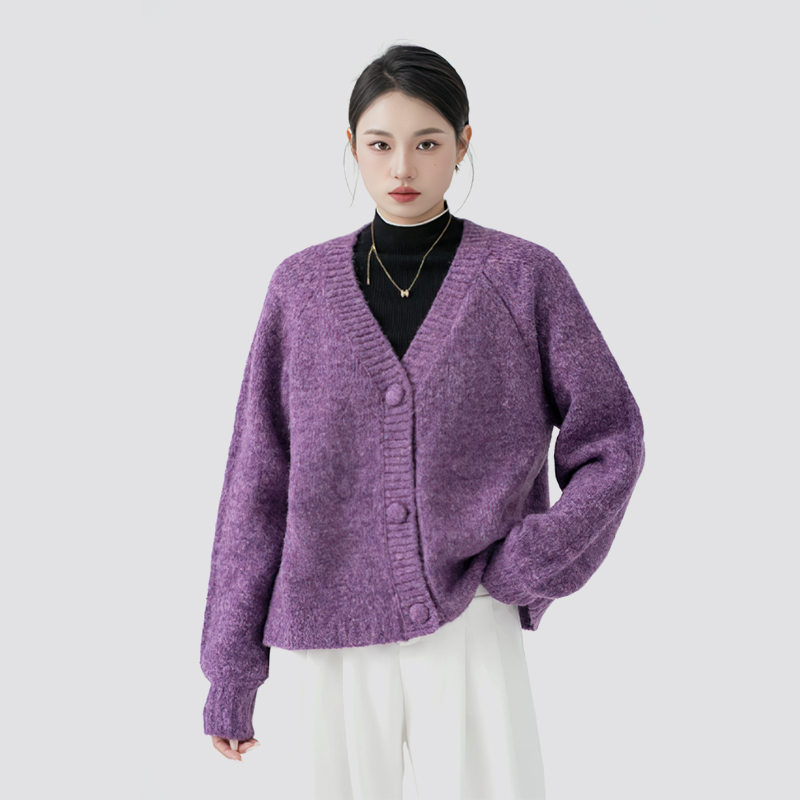
Romantic Purple Cardigan
-
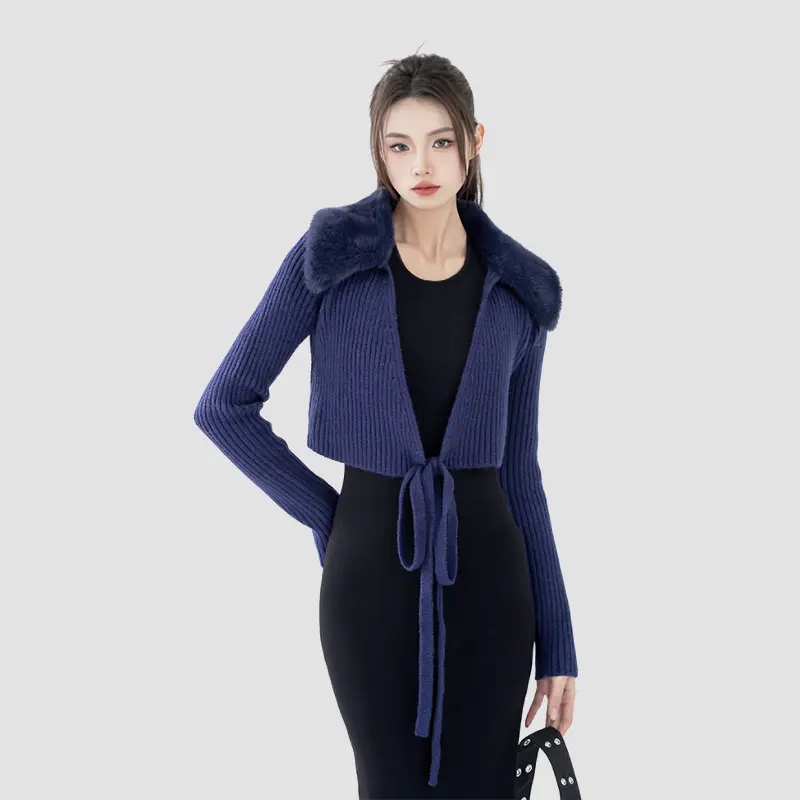
Fur Lapel Lace-up Cardigan
-
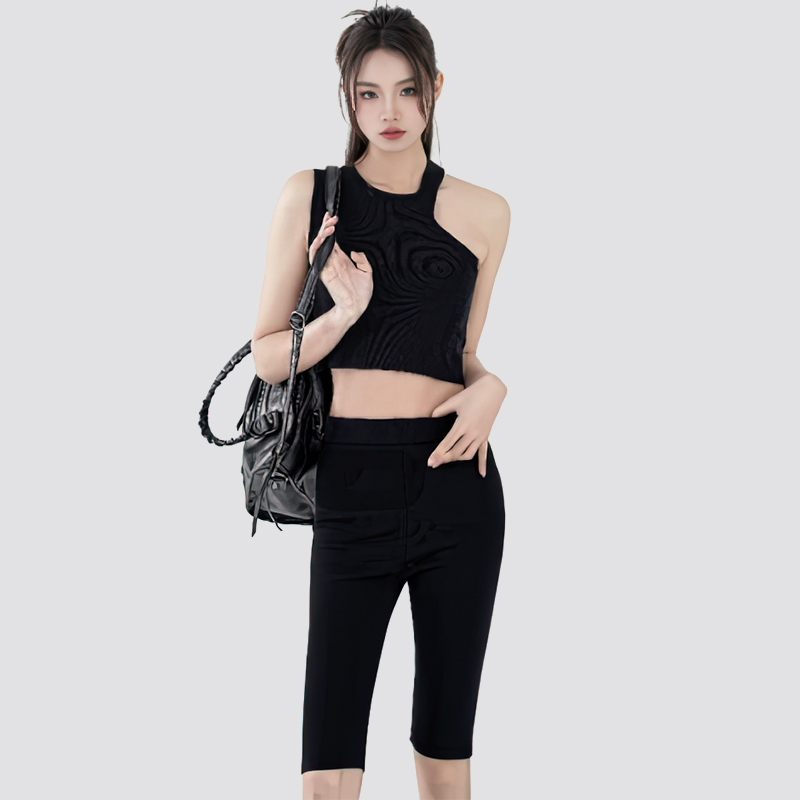
Cut Out Knitted Tank Top
-
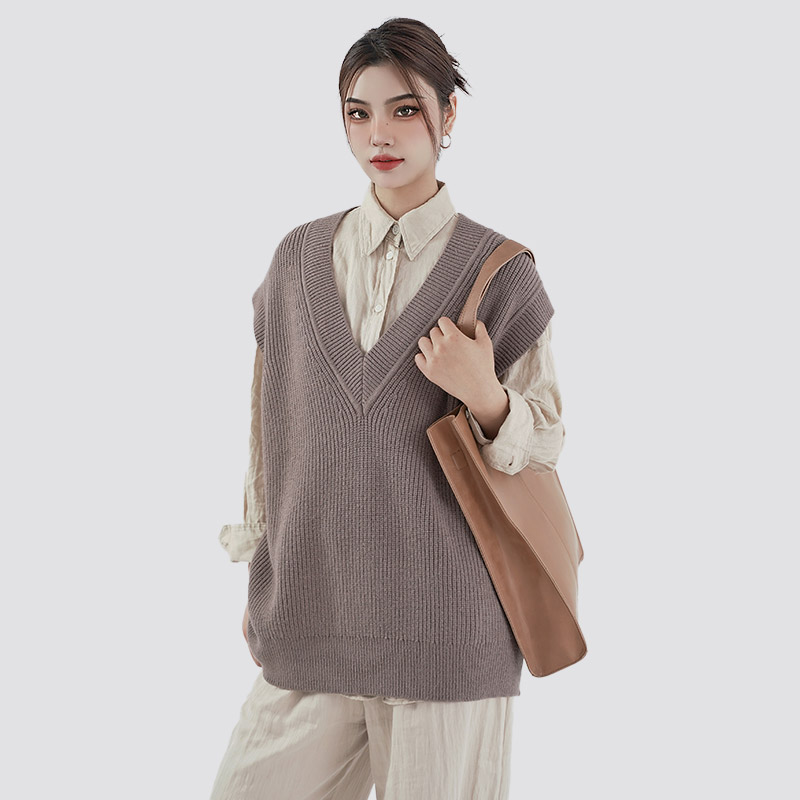
V-Neck Knitted Tank Top
-
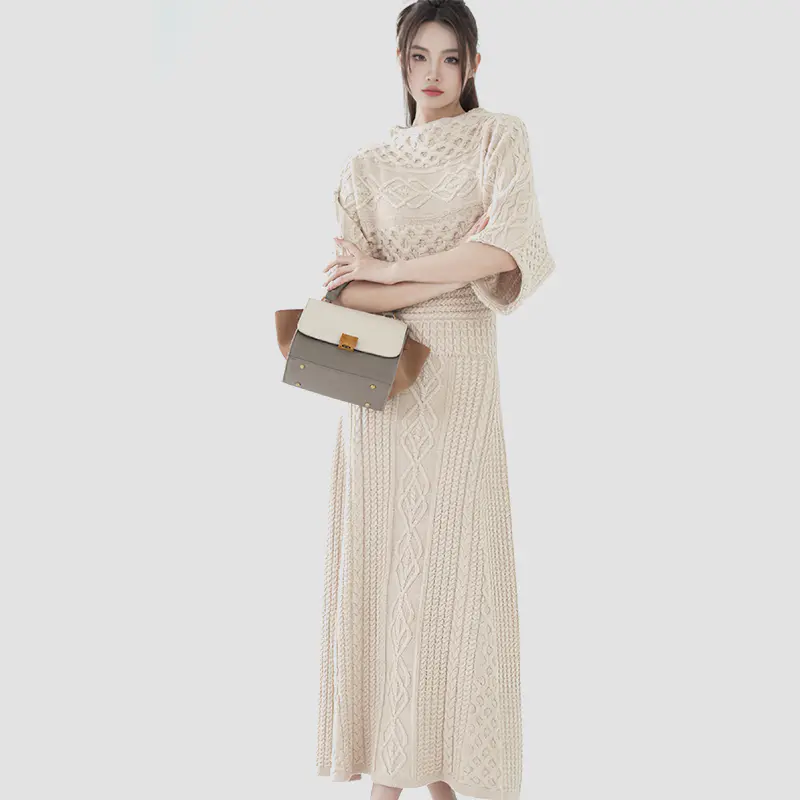
Swing Sweater Dress With Nipped Waist
-
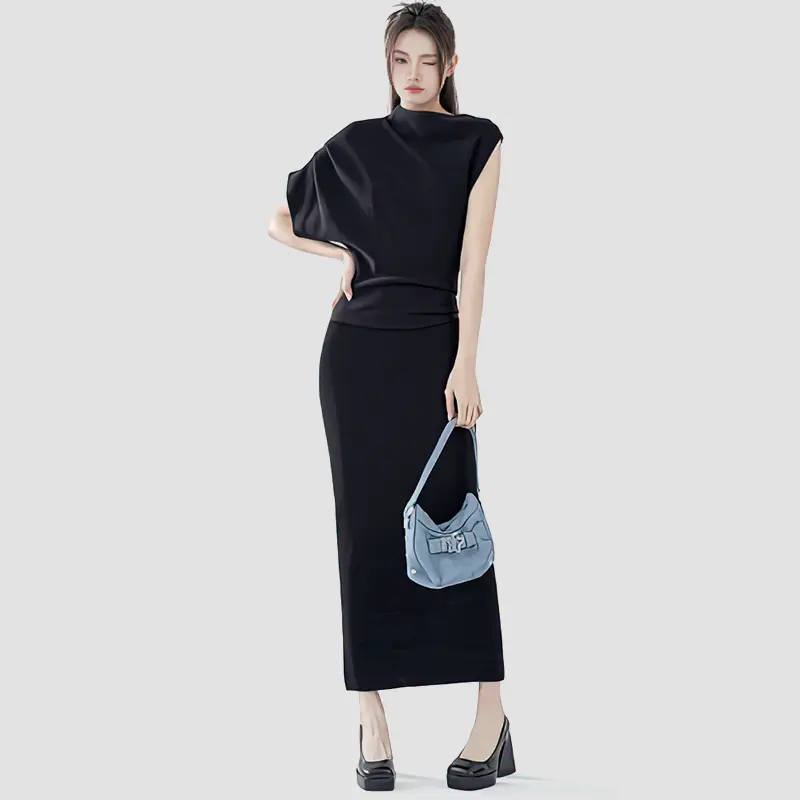
Stylish Asymmetrical Knit Long Dress
-
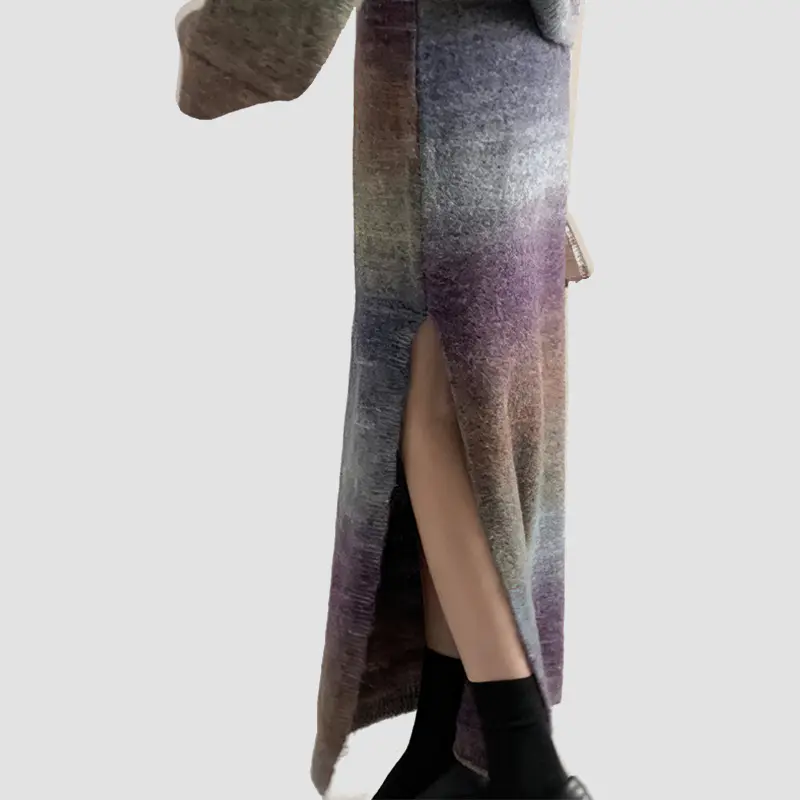
Gradient Color Side Split Half-Length Skirt
-
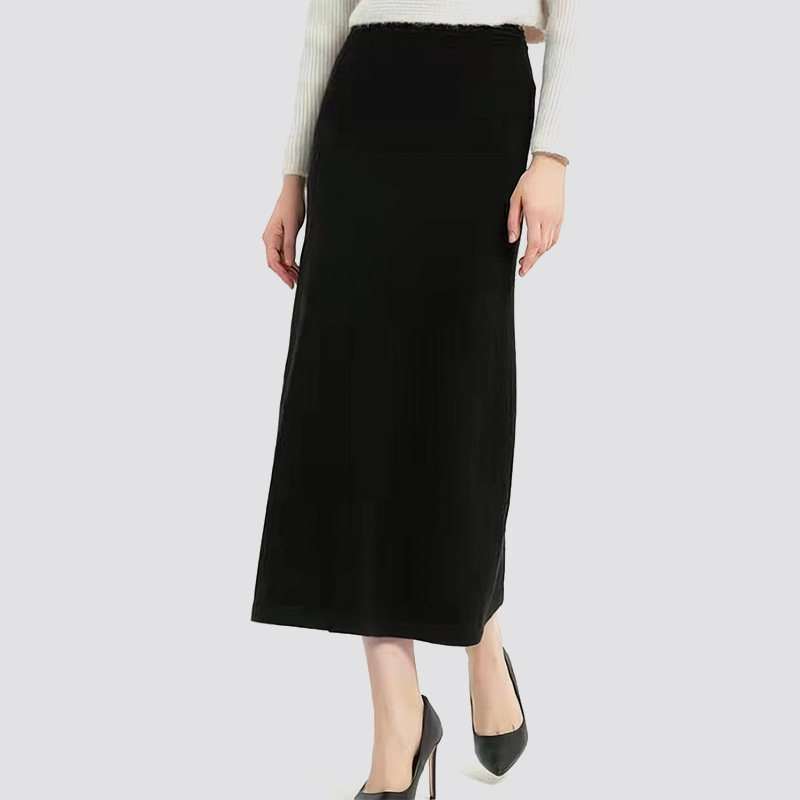
Black A-line Skirt
-
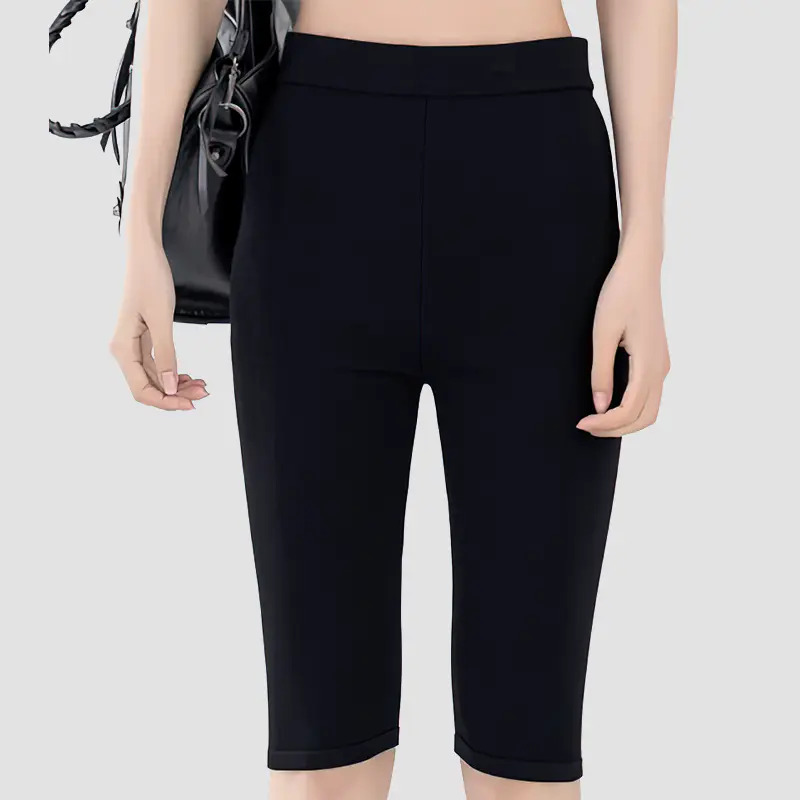
Thin Ice Silk Slimming Leggings
-
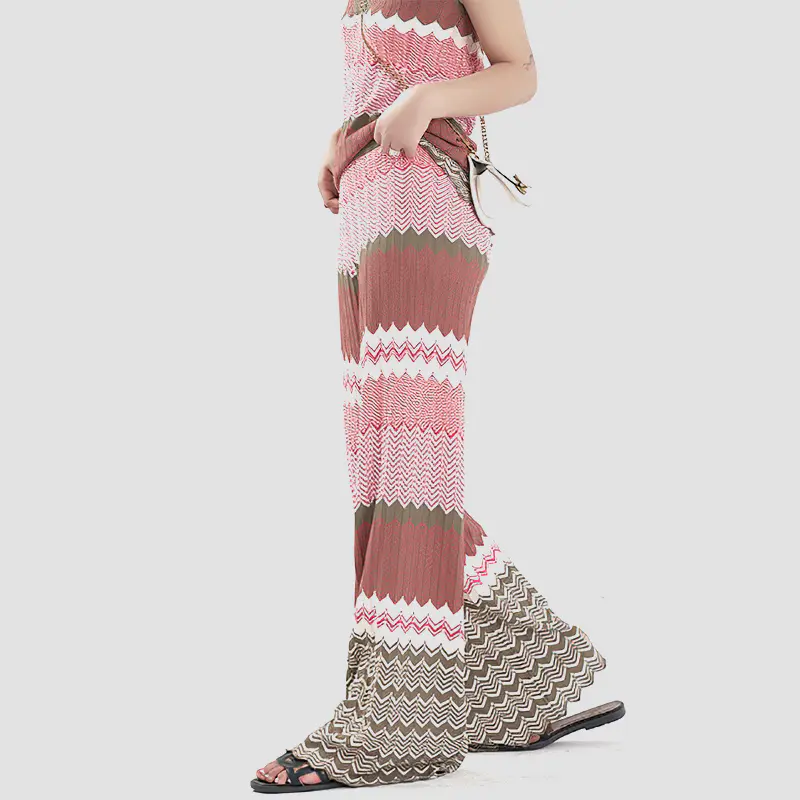
Draped Striped Loose Pants


-

Tel: +86-13913661100
-

Email: frank@sofiafashion.com
-

Add: No.886, Minfeng Road, Xushi Street, Dongbang Town, Changshu, Jiangsu, China
© 2023 Sofia Group. All rights reserved Design Custom Women's Knitted Sweaters Manufacturers
