


 English
 中文简体
 Español
When Should Brands Start Developing Fall/Winter 2027 Sweaters?
Content
Fall/Winter 2027 Knitwear Development: Why the Work Starts Before Chinese New Year
With this year's cold-weather ranges now in season, the calendar for Fall/Winter 2027 is already running. Chinese New Year falls on 6 February 2027, and the holiday break around it interrupts yarn supply, sampling and freight across much of China. For brands developing custom sweaters, the weeks between now and late January are a practical window for settling the decisions that take the most back-and-forth.
Why should FW27 sweater development begin now?
A sweater is built from yarn upward, so fabric, shape and fit are developed together. Each change of yarn or gauge can call for a new swatch and a revised sample. Starting before the February holiday leaves room for these rounds and helps keep open questions from piling up when production schedules fill again.
Cut-and-sew garments begin with finished fabric that can be seen and touched. In knitwear, the factory creates that fabric as part of the order. A yarn that looks right on a color card may behave differently once knitted and washed. Density affects weight and drape, while the stitch structure influences stretch and recovery. These points are far easier to resolve on a swatch than on a finished size run.
What should be decided first?
Begin with the items that other decisions depend on. A clear first brief does not need to be long, but it should give the sampling team enough to quote and knit with confidence:
- Wearer group and season: women's, men's or children's, and the weight of garment expected
- Yarn direction: preferred fiber content, hand feel and target price level
- Gauge and stitch: a reference garment or swatch is often clearer than a written description
- Measurements: a base size spec with tolerances and the planned size range
- Quantities and dates: estimated volume by style and color, plus the required delivery month
How can one range be planned efficiently?
Group styles around shared yarns. A collection might use one yarn quality across a knitted pullover, a cardigan and a tank top, then vary stitch, neckline and trim to give each piece its own character. This approach can reduce the number of separate yarn developments and makes color matching across the range easier to manage. It is worth confirming with the supplier how shared yarn affects minimum quantities, since the answer varies by material and color.
It also helps to rank styles by risk. New yarns, complex jacquards and unusual silhouettes should enter sampling first. Repeat shapes with proven measurements can follow later without putting the schedule under the same pressure.
Working backward from the delivery date
Set the in-warehouse date, then count back through shipping, final inspection, bulk knitting and finishing, yarn procurement, pre-production approval and sample revisions. Ask the factory to confirm the duration of each stage for your specific styles, along with its own holiday closing and restart dates. Agree in advance who approves samples and how quickly comments will be returned. Slow feedback can cost as much time as a slow machine.
Development support at Sofia Group
Sofia Group, established in 2006, produces women's, men's and children's knitted sweaters through Changshu Sofia Sweater Co., Ltd. The company has its own raw material factory and a design and development team of 15, including five professional sweater designers from Spain. It supports both OEM work from customer drawings or samples and ODM development based on in-house designs. Details of the process are set out on the design and customization service page.
Brands preparing FW27 collections can send reference images, tech packs or physical samples through the contact page to discuss yarn options and a sampling schedule.
Recommended Products
-
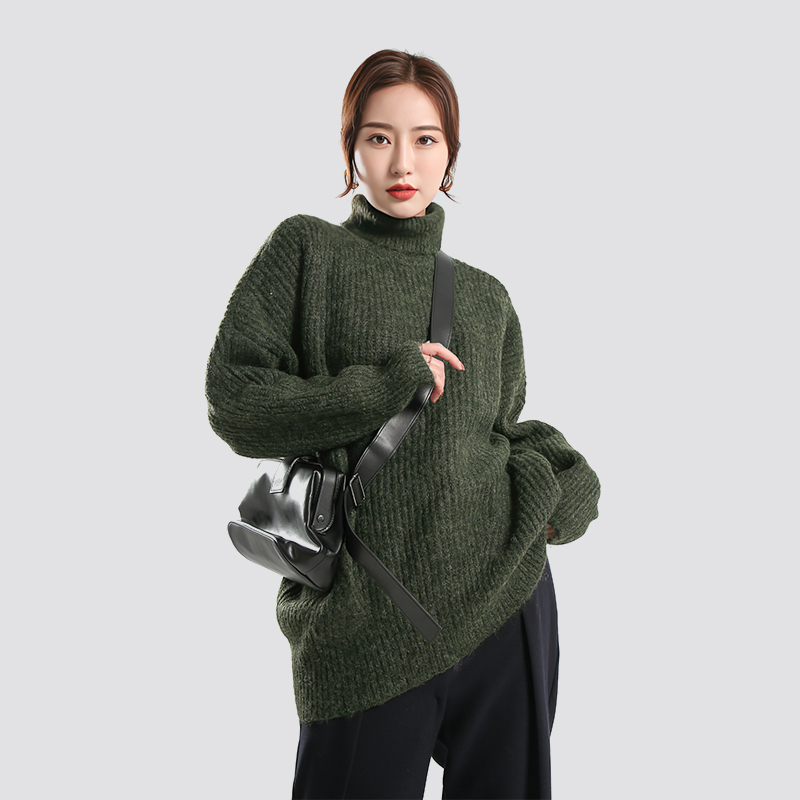
Cashmere handfeel Dark Green Wool Sweater
-
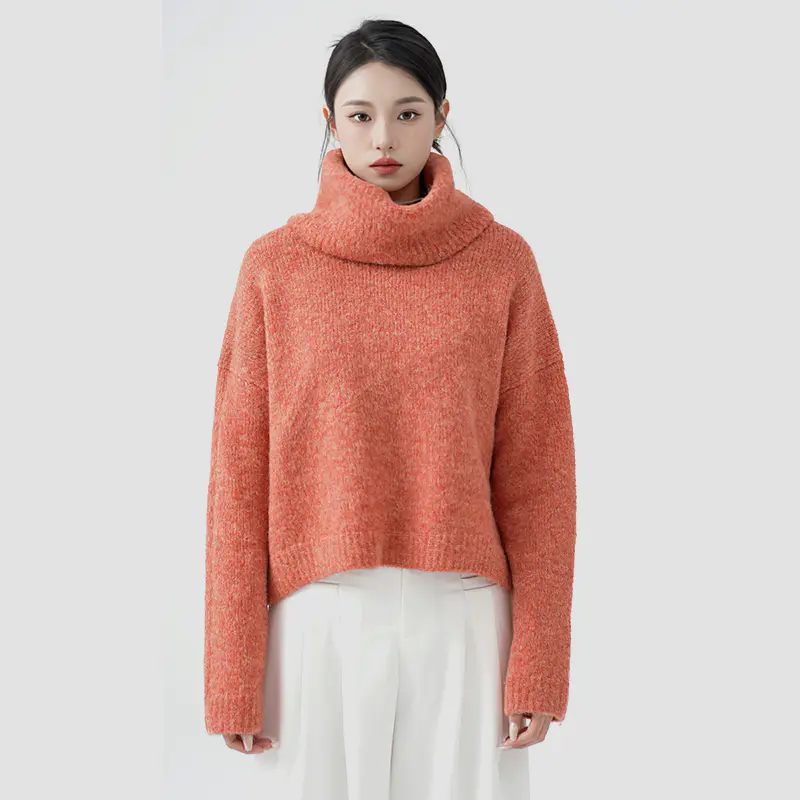
Orange Loose Neck Pullover Sweater
-
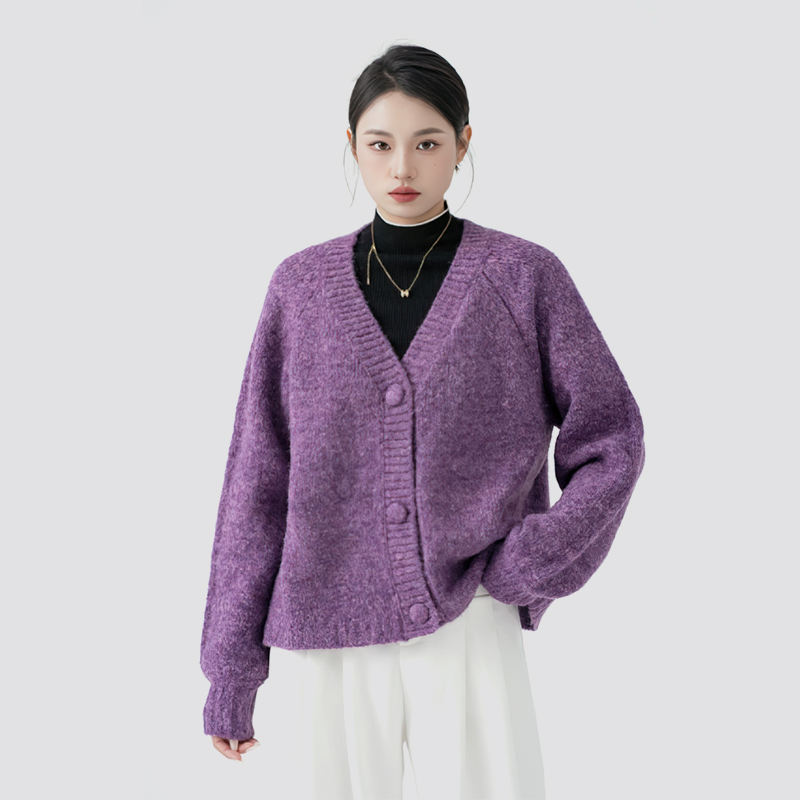
Romantic Purple Cardigan
-
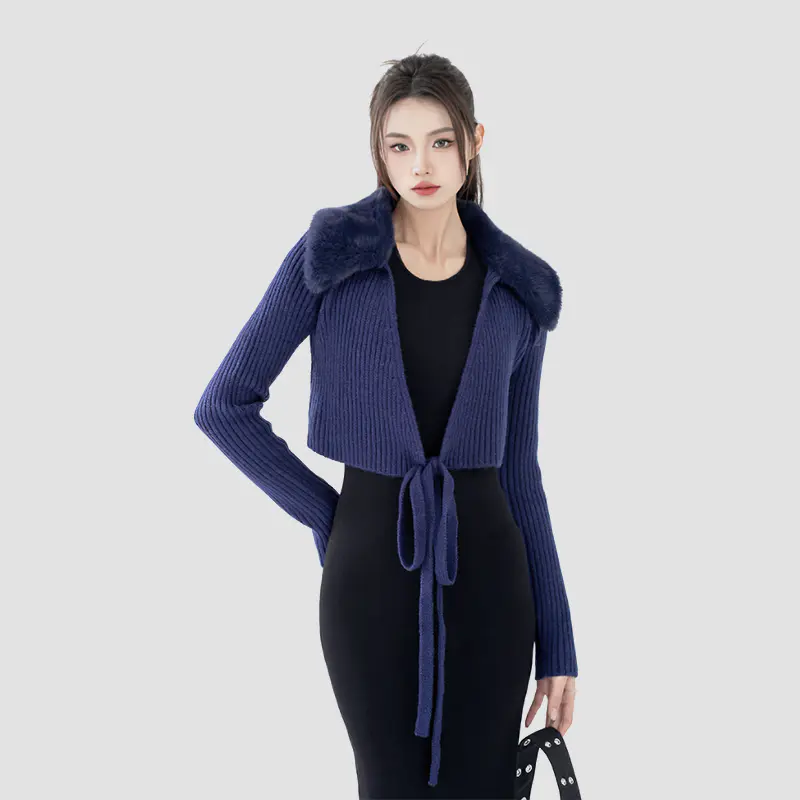
Fur Lapel Lace-up Cardigan
-
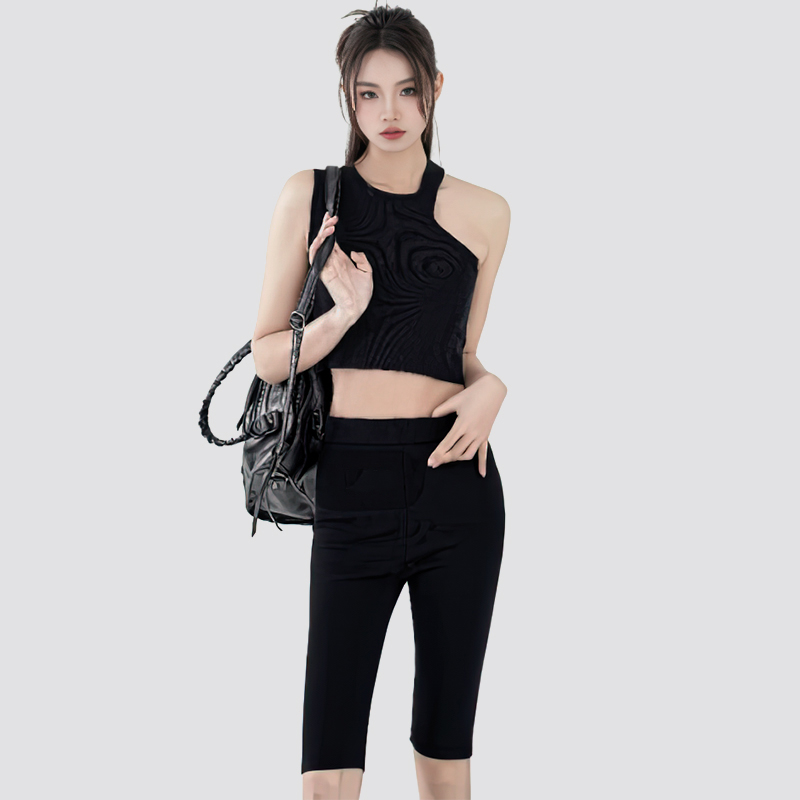
Cut Out Knitted Tank Top
-
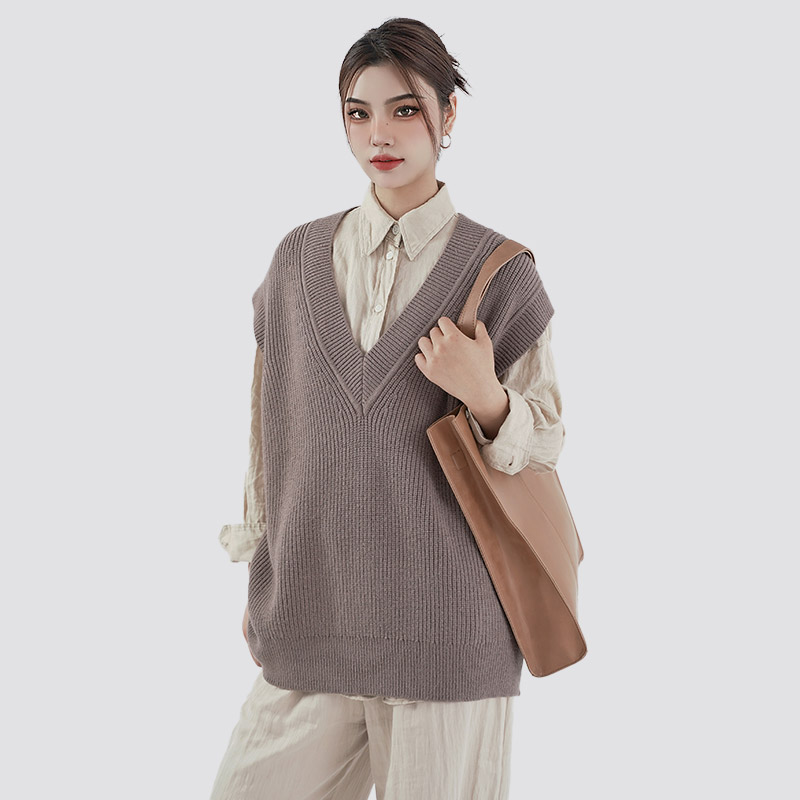
V-Neck Knitted Tank Top
-
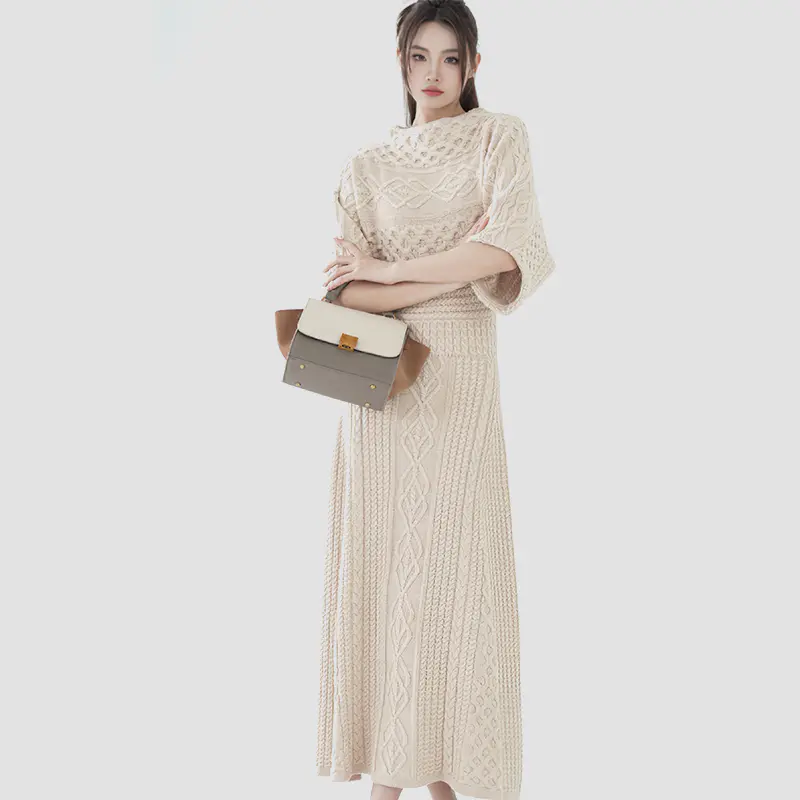
Swing Sweater Dress With Nipped Waist
-
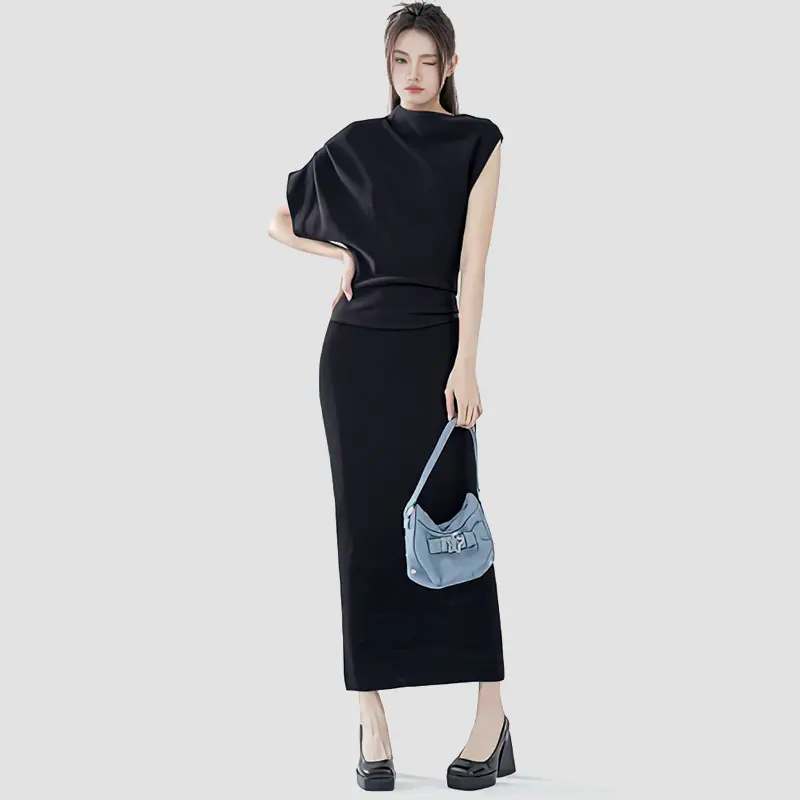
Stylish Asymmetrical Knit Long Dress
-
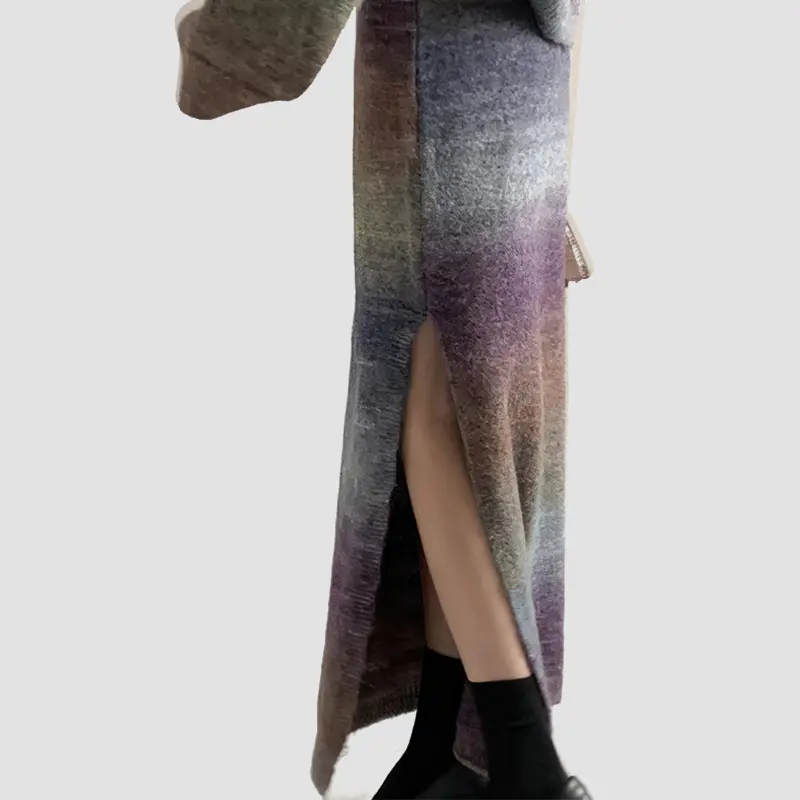
Gradient Color Side Split Half-Length Skirt
-
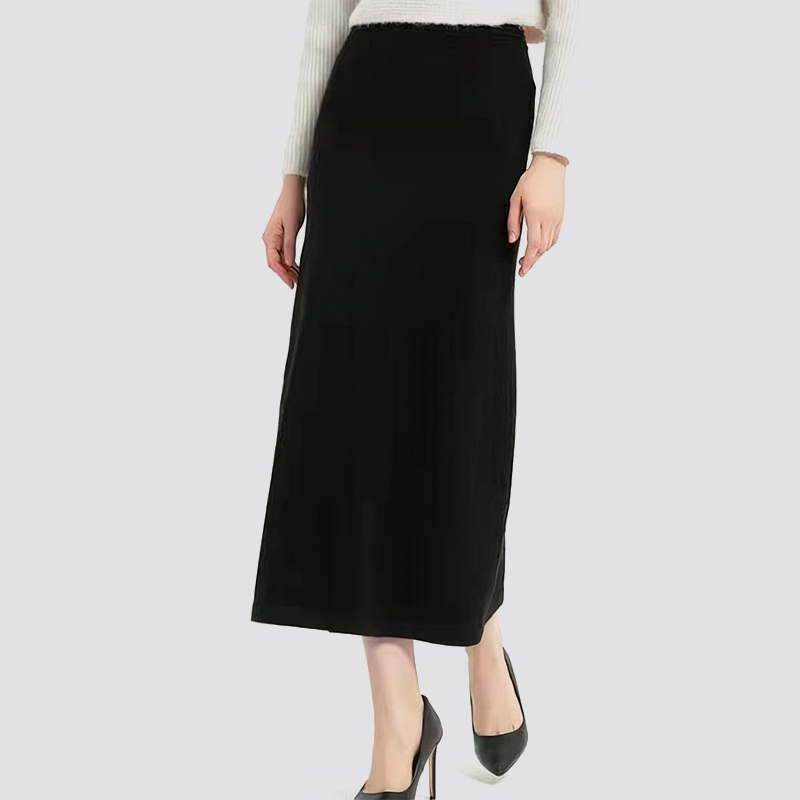
Black A-line Skirt
-
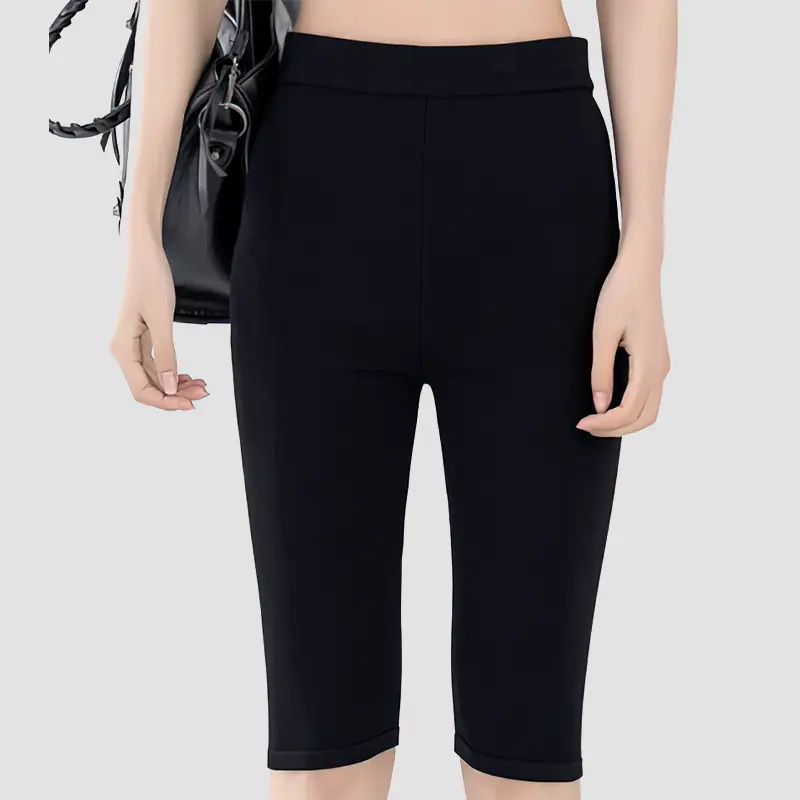
Thin Ice Silk Slimming Leggings
-
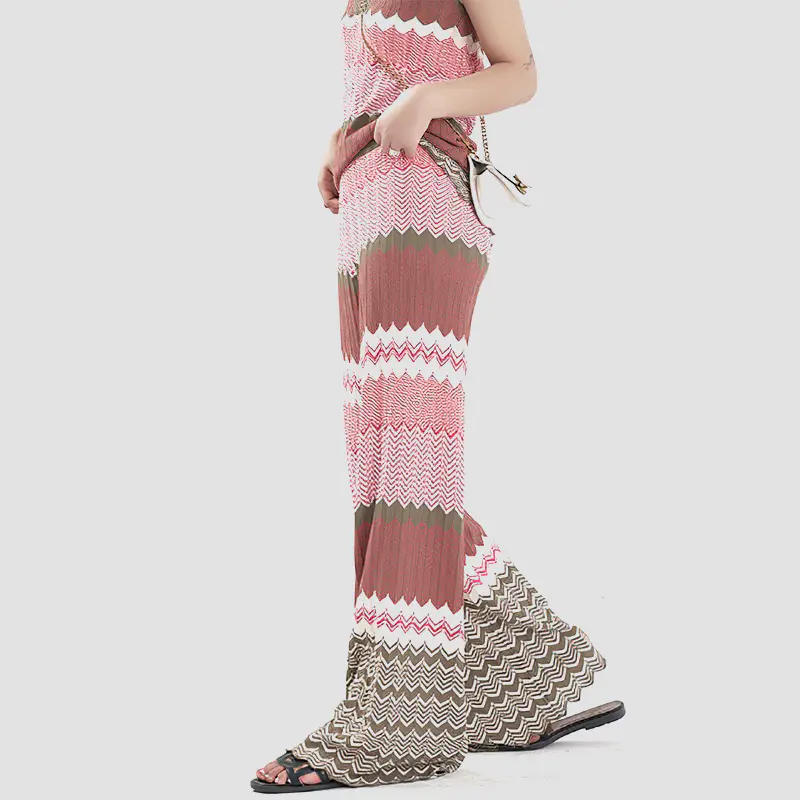
Draped Striped Loose Pants


-

Tel: +86-13913661100
-

Email: frank@sofiafashion.com
-

Add: No.886, Minfeng Road, Xushi Street, Dongbang Town, Changshu, Jiangsu, China
© 2023 Sofia Group. All rights reserved Design Custom Women's Knitted Sweaters Manufacturers
