


 English
 中文简体
 Español
Sweater vs. Jacket: What Actually Sets Them Apart (and When to Wear Each)
Few wardrobe questions cause more quiet confusion than the difference between a sweater and a jacket. Both keep you warm, both come in every color, and both live near the front of the closet in cool weather. Yet they are built for different jobs. A sweater is a knitted garment made to hold warmth close to the body. A jacket is an outer layer made to handle wind, rain, and the wear and tear of the outside world. Once you look at construction, the choice stops being a guess.
Content
- 1 The Core Difference: Knitted Loops vs. a Woven Shell
- 2 How a Sweater Is Built
- 3 How a Jacket Is Built
- 4 Sweater vs. Jacket at a Glance
- 5 Which One Keeps You Warmer?
- 6 When to Wear a Sweater and When to Wear a Jacket
- 7 Layering Makes the Decision Easier
- 8 What to Look For When Buying or Sourcing
- 9 A Simple Rule to Remember
The Core Difference: Knitted Loops vs. a Woven Shell
Sweaters begin with yarn. Machines or hands form interlocking loops, which gives the fabric its stretch, softness, and air pockets. Those air pockets are the reason a sweater feels warm without being heavy. A jacket usually begins with woven fabric: threads are crossed tightly, then cut and sewn into a shaped shell. The weave resists wind better and holds its structure, but it does not stretch the same way. Put simply, a sweater is insulation you wear; a jacket is protection you put on. A cardigan blurs the line a little because it opens at the front, but it is still a knitted garment, not a weatherproof shell.
How a Sweater Is Built
The character of a sweater comes from three things: yarn, stitch, and shape. Wool, cotton, cashmere, acrylic, and blends each bring a different hand feel. A loose gauge feels airy; a tight rib feels dense and springy. Pullovers slide over the head, while cardigans open with buttons or a zipper. Ribbed cuffs and hems help the garment stay in place, and careful blocking gives the finished piece a cleaner shape. Good sweaters are not just soft. They hold their shape after folding, wearing, and washing, which is why knit density matters as much as fiber content. A dark green wool pullover is a useful example: its warmth comes from the yarn and stitch, not from hardware or a heavy lining.
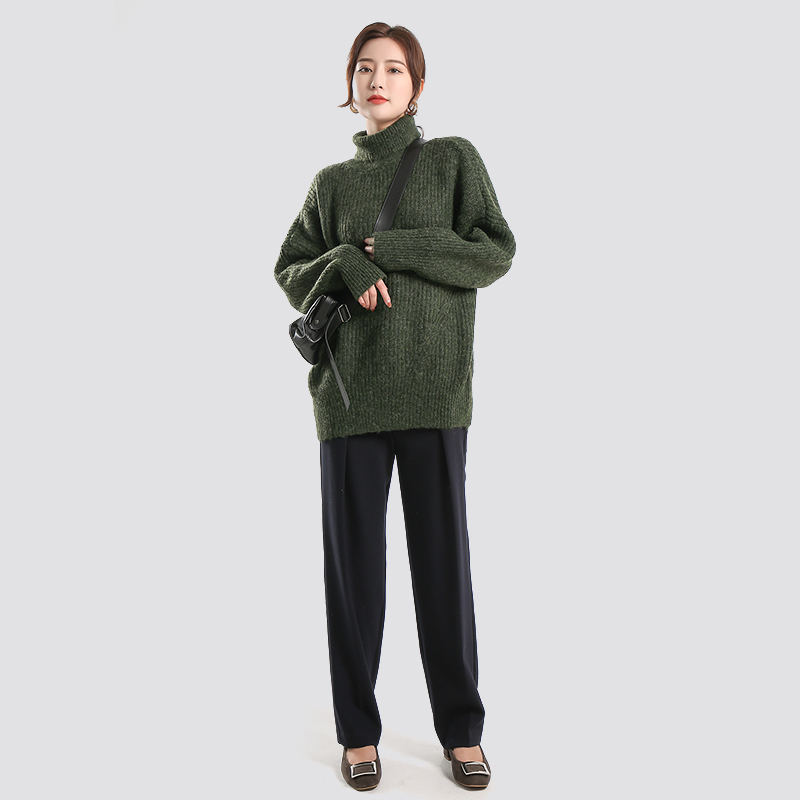 Dark Green Wool Pullover Sweater with Cashmere HandfeelA dark green knitted pullover in blended acrylic, polyester, and wool yarn, offering warmth, elasticity, and a soft handfeel for everyday layering.View Product →
Because knitted fabric stretches, fit matters too. A sweater should follow the body without pulling at the underarms or dragging at the hem. That balance is what makes a simple pullover feel easy to wear rather than fussy.
How a Jacket Is Built
A jacket is a cut-and-sew garment. The outer shell is woven, then joined with a lining, collar, cuffs, pockets, and a front closure. Zippers, snaps, storm flaps, and seam treatments all affect how well it keeps out weather. The shell may be treated for water resistance, and the lining adds comfort or extra insulation. A jacket can be as light as a windbreaker or as warm as a parka, so the category covers a wide range. What ties jackets together is the job: they are made to face the environment, not just the temperature.
Sweater vs. Jacket at a Glance
The table below sums up the practical differences. Keep in mind that a heavy sweater and a light jacket can overlap in warmth, so use the categories as a starting point rather than a strict rule.
| Feature | Sweater | Jacket |
|---|---|---|
| Main job | Traps body heat with soft knitted fabric | Blocks wind, rain, and abrasion |
| Construction | Yarn loops knitted together; stretchy | Woven fabric cut and sewn; structured |
| Typical materials | Wool, cotton, cashmere, acrylic, blends | Nylon, polyester, canvas, lined blends |
| Weather resistance | Low to moderate; wind passes through | Moderate to high; depends on shell and seams |
| Layering role | Midlayer or standalone top | Outer layer |
| Best for | Indoors, dry cold, casual layering | Outdoors, commuting, wet or windy days |
Which One Keeps You Warmer?
There is no clean winner, because warmth depends on the garment, not the label. A chunky wool sweater traps a lot of air and feels very warm in still, dry cold. A thin cotton cardigan does not. A lightly lined jacket may be less warm than a heavy pullover, while an insulated winter jacket will beat almost any sweater outdoors. Wind changes the answer too. Knitted fabric is breathable, but wind passes through it easily. A jacket shell cuts the wind, and that can make a modest layer feel much warmer. If you are choosing for a dry office, a sweater usually wins. If you are choosing for a windy platform or a wet walk, a jacket usually wins. A heavy cable-knit sweater is a good test case: it is warm and comfortable, but it is not a raincoat.
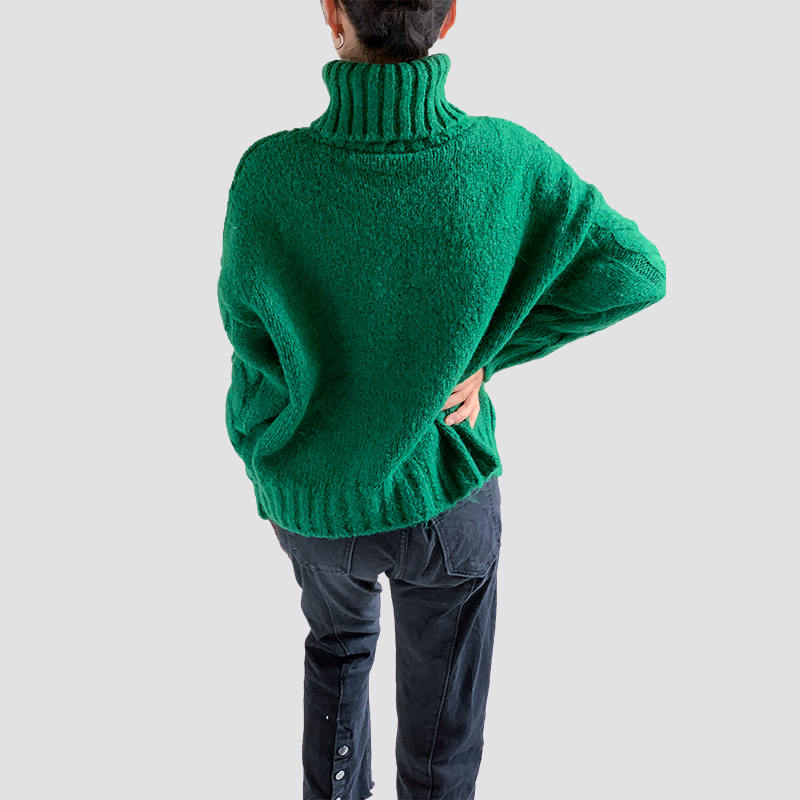 Green Turtleneck Cable-Knit Sweater with Textured WeaveA light, breathable green turtleneck sweater in blended yarn, with cable texture and warmth for layering under jackets in cool weather.View Product →
When to Wear a Sweater and When to Wear a Jacket
Choose a sweater when:
- You are indoors or moving between heated spaces.
- The weather is dry and cold, not wet or windy.
- You want a soft midlayer under a coat or jacket.
- You need a relaxed, breathable top for casual or smart-casual dressing.
Choose a jacket when:
- You will be outside in wind, rain, or uncertain weather.
- You need pockets, a zipper, or a hood for practical use.
- You are layering over a sweater and want an easy outer shell.
- The day starts cold and warms up, so you need something you can take off.
Layering Makes the Decision Easier
In practice, the two garments work best together. A fine-gauge sweater under a jacket gives warmth without bulk. A cardigan can act as a light outer layer indoors and then disappear under a coat when you go out. The main rule is to match the thickness of the knit to the space inside the jacket. A heavy cable pullover under a slim-fit shell will feel tight and restrict movement; a light turtleneck or tank top leaves room. For a cardigan that sits between a sweater and a jacket, look for a dense knit, a clean front edge, and buttons that do not gap. Our cardigan guide covers those details in more depth.
 Romantic Purple Knitted Cardigan with Custom Color-Coordinated ButtonsA purple knitted cardigan in blended yarn with custom buttons, designed for inner or outer layering and everyday wear.View Product →
What to Look For When Buying or Sourcing
Whether you are shopping for yourself or building a range for a store, the same questions apply. Look past color and check the construction.
For sweaters
- Yarn composition: wool for warmth, cotton for a cooler hand, cashmere for softness, synthetic blends for durability and price.
- Knit density: a denser knit holds shape better; a loose knit feels lighter but snags more easily.
- Shape retention: check cuffs, hems, and the neckline after stretching.
- Pilling and care: softer yarns can pill, so ask about fiber length and washing instructions. Our sweater FAQ answers more of these practical questions.
For jackets
- Shell fabric and finish: tight weave, water repellency, and seam construction matter more than the label.
- Lining and insulation: a smooth lining helps layering; insulation should match the climate.
- Closures and fit: test the zipper, cuffs, and shoulders over the sweater you plan to wear underneath.
At Changshu Sofia Sweater Co., Ltd., we produce knitted pullovers, cardigans, tank tops, skirts, and pants, so we spend a lot of time on the sweater side of this question. We look at yarn, stitch, and finishing first, because those are the details that decide whether a knit wears well after the first season.
A Simple Rule to Remember
If you only need warmth in a dry, sheltered place, start with a sweater. If you need protection from the weather, start with a jacket. If the day is cold and changeable, wear both: a lighter sweater as the inner layer and a jacket as the shell. Use this quick check before you head out:
- Dry cold, indoors, or short trips: a sweater is usually enough.
- Wind, rain, or long outdoor time: choose a jacket as your outer layer.
- Cold and uncertain: wear a sweater under a jacket and adjust as the day changes.
The difference between a sweater and a jacket is not about which one is better. It is about which job you need done. Once that is clear, getting dressed becomes a lot less complicated.
Recommended Products
-
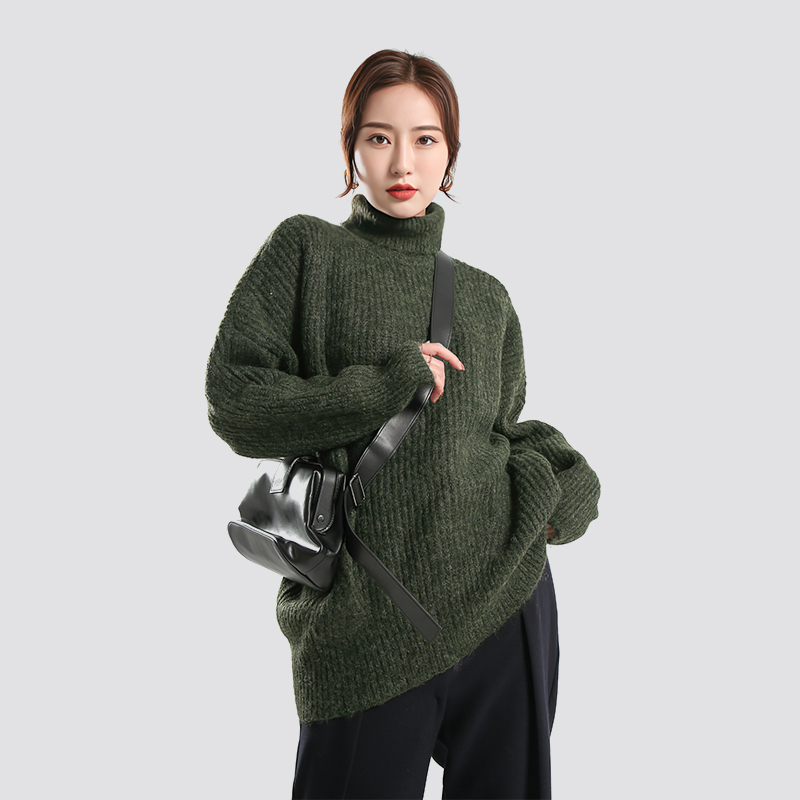
Cashmere handfeel Dark Green Wool Sweater
-
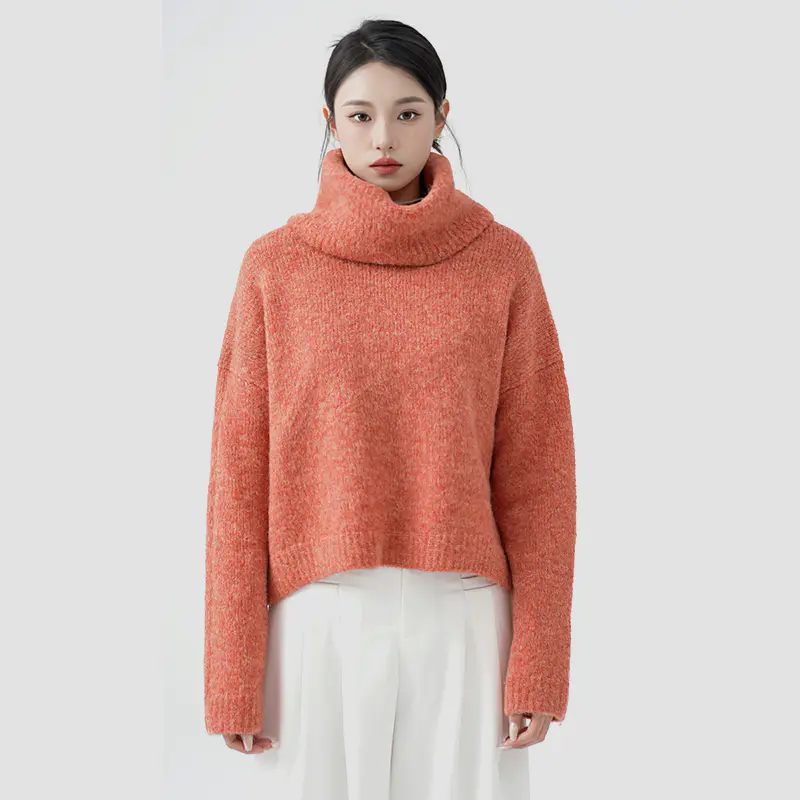
Orange Loose Neck Pullover Sweater
-
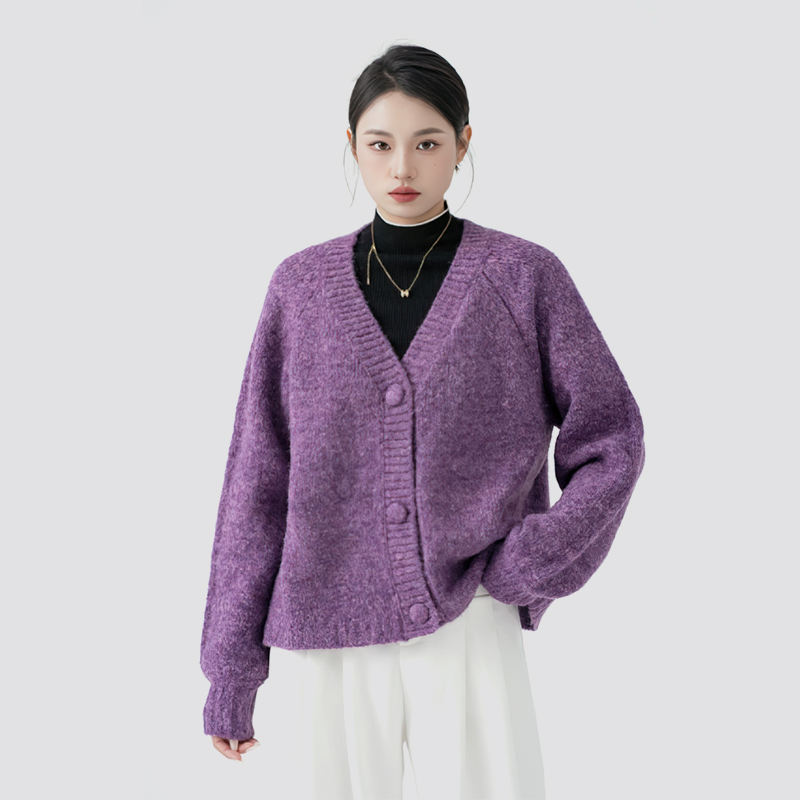
Romantic Purple Cardigan
-
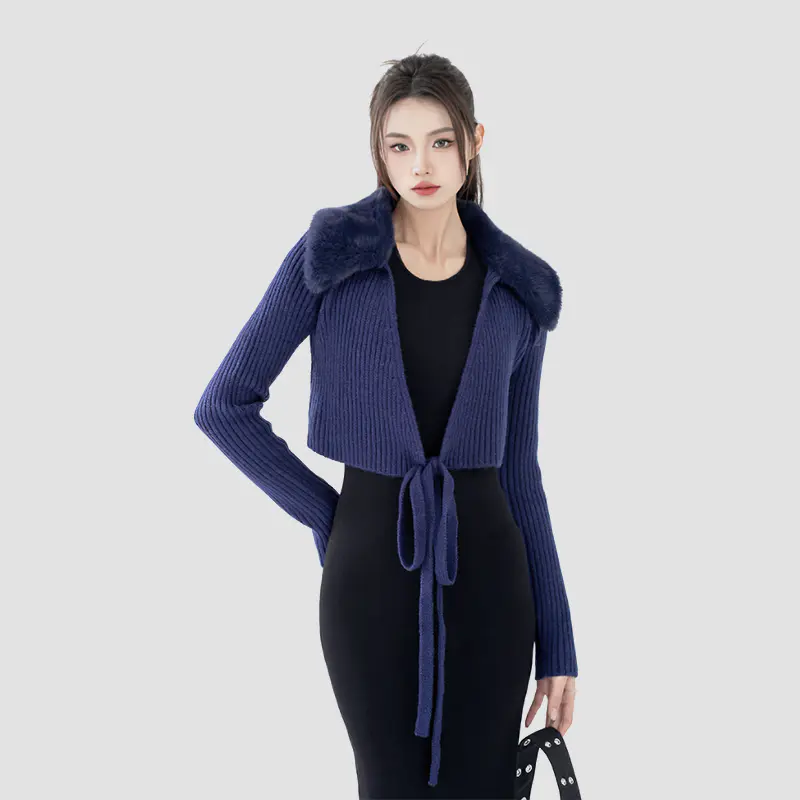
Fur Lapel Lace-up Cardigan
-
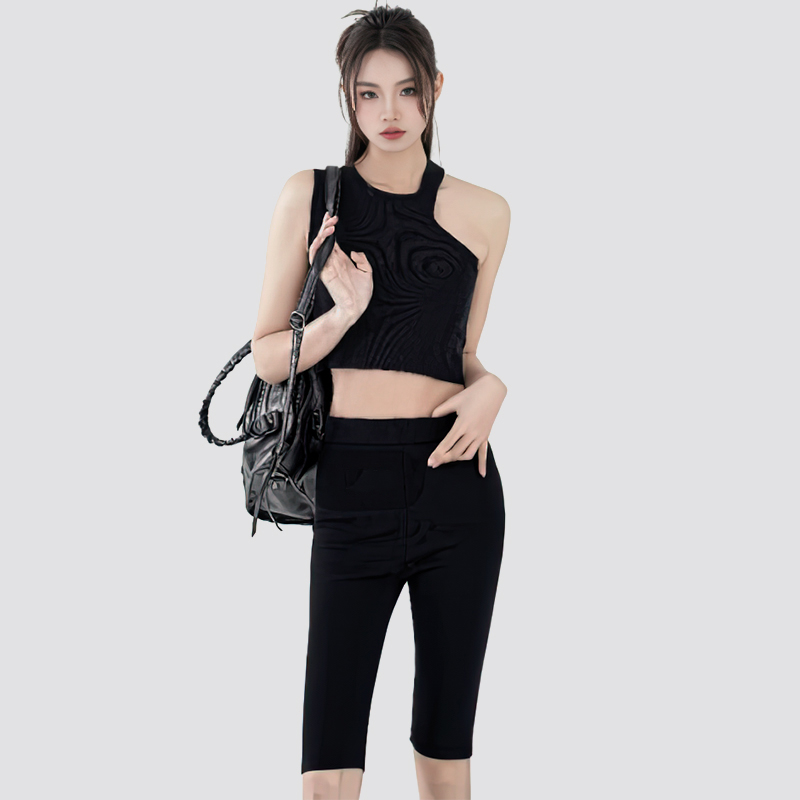
Cut Out Knitted Tank Top
-
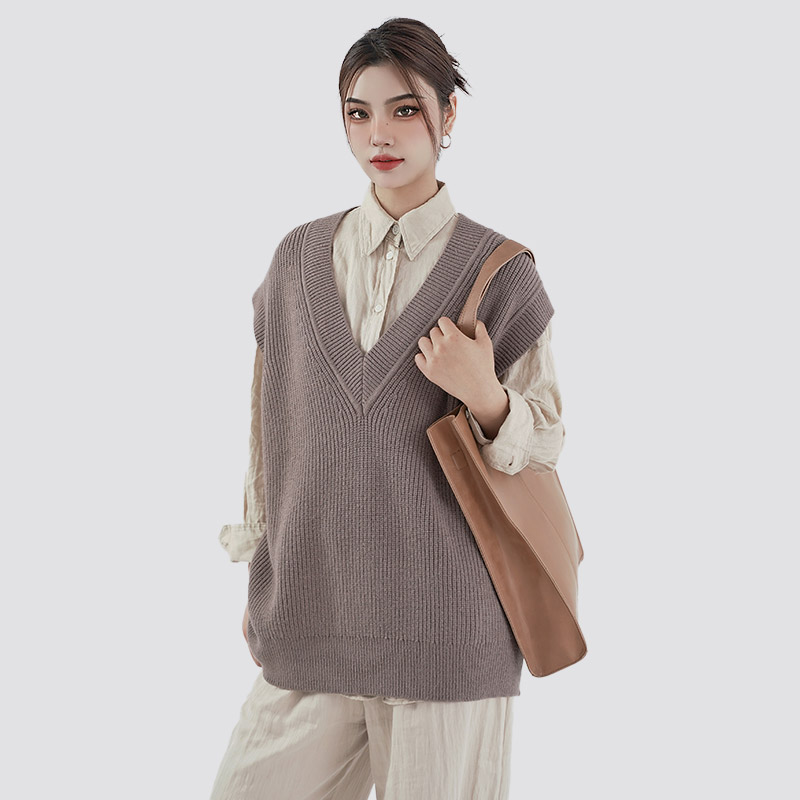
V-Neck Knitted Tank Top
-
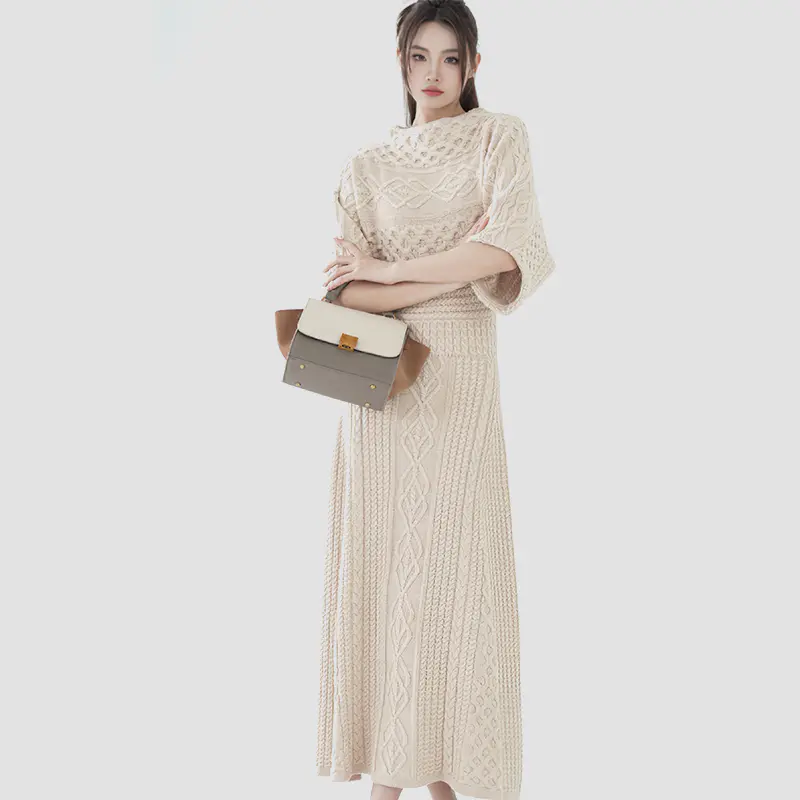
Swing Sweater Dress With Nipped Waist
-
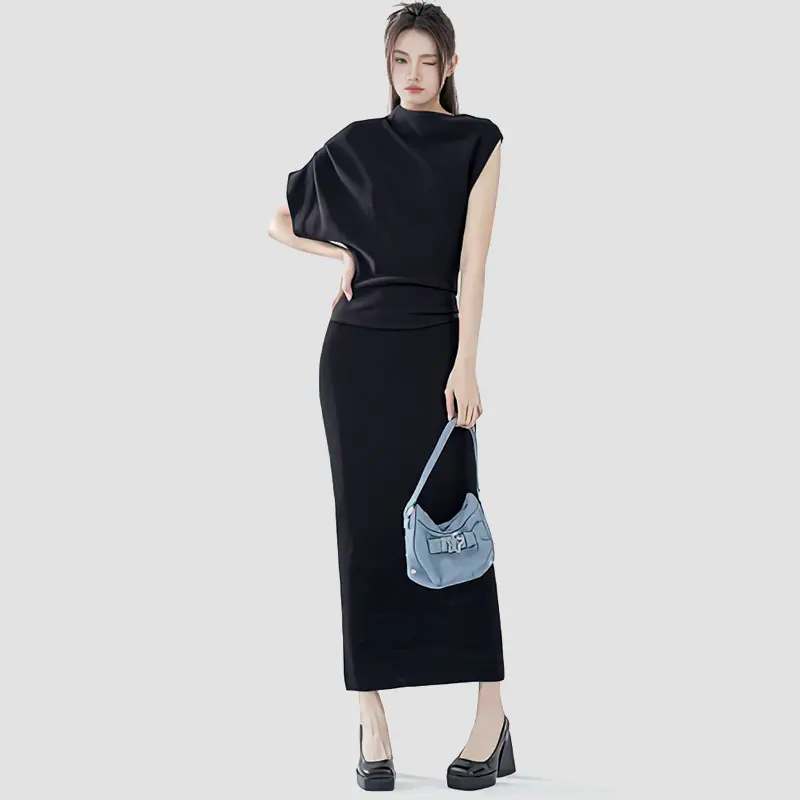
Stylish Asymmetrical Knit Long Dress
-
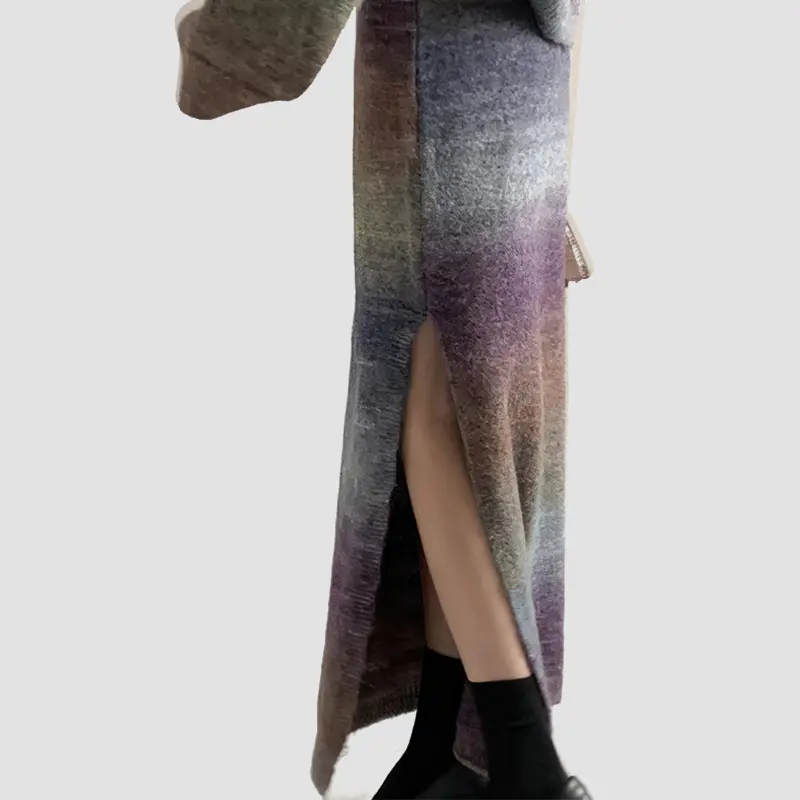
Gradient Color Side Split Half-Length Skirt
-
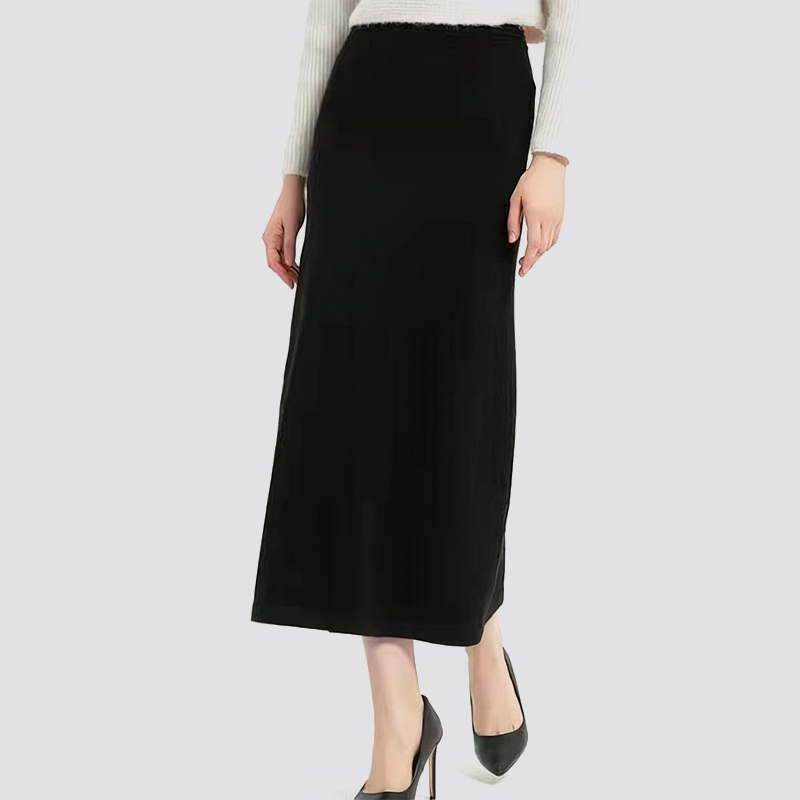
Black A-line Skirt
-
Thin Ice Silk Slimming Leggings
-
Draped Striped Loose Pants


-

Tel: +86-13913661100
-

Email: frank@sofiafashion.com
-

Add: No.886, Minfeng Road, Xushi Street, Dongbang Town, Changshu, Jiangsu, China
© 2023 Sofia Group. All rights reserved Design Custom Women's Knitted Sweaters Manufacturers
