


 English
 中文简体
中文简体 Español
When Should You Wear a KN95 Protective Mask in Your Daily Life?
The KN95 protective mask has moved from a specialized piece of industrial safety equipment to a familiar everyday accessory for millions of people worldwide. Designed to filter at least 95% of airborne particles with a diameter of 0.3 microns or larger — the most penetrating particle size — the KN95 meets China's GB 2626 respiratory protection standard and is broadly equivalent in filtration performance to the N95 standard used in North America and the FFP2 standard used in Europe. Understanding exactly when and why to reach for a KN95 mask in the course of normal daily life helps individuals make better-informed decisions about their respiratory health, rather than defaulting to either overuse or underuse of this genuinely effective protective tool.
Content
- 1 During Respiratory Illness Outbreaks and Epidemic Seasons
- 2 In Crowded Indoor Public Spaces with Poor Ventilation
- 3 When Visiting Hospitals, Clinics, and Medical Facilities
- 4 During High Air Pollution Episodes and Wildfire Smoke Events
- 5 For Allergy Sufferers During High Pollen Seasons
- 6 During DIY Home Renovation and Household Tasks
- 7 Caring for a Sick Family Member at Home
- 8 Correct Usage Practices That Determine Real-World Protection
- 9 Conclusion
During Respiratory Illness Outbreaks and Epidemic Seasons
The most widely recognized context for KN95 mask use is during periods of elevated infectious respiratory disease transmission — whether a seasonal influenza surge, a regional outbreak of a novel pathogen, or a declared public health emergency such as the COVID-19 pandemic. Unlike surgical masks, which primarily protect others from the wearer's respiratory droplets, a properly fitted KN95 provides meaningful bidirectional protection: it significantly reduces both the inhalation of pathogen-laden particles by the wearer and the exhalation of infectious particles into the surrounding environment.
During active outbreak periods, the risk of airborne transmission is elevated in any space where people congregate, breathe, speak, or cough in proximity. Commuter trains, buses, shopping centers, pharmacies, hospitals, and community gathering spaces all become higher-risk environments when respiratory illness is circulating in the local population. Wearing a KN95 in these settings during outbreak seasons — particularly for individuals who are immunocompromised, elderly, pregnant, or otherwise at elevated clinical risk — represents a straightforward, evidence-supported layer of personal protection that goes well beyond what a cloth mask or standard surgical mask can provide.
In Crowded Indoor Public Spaces with Poor Ventilation
Even outside of declared health emergencies, crowded poorly ventilated indoor spaces present year-round respiratory risks. Airborne transmission of influenza, rhinovirus, adenovirus, and other common respiratory pathogens is facilitated by stagnant air, high occupant density, and recirculated ventilation systems that do not provide sufficient outdoor air exchange. Shopping malls during peak hours, concert halls, cinemas, crowded markets, and public transit vehicles during rush hour all share these characteristics to varying degrees.
Individuals who must regularly spend extended time in these environments — retail workers, public transit drivers, event staff, market vendors — have strong practical reasons to wear KN95 masks as a routine occupational habit rather than only during declared emergencies. The filtration efficiency of a properly worn KN95 remains effective against the full range of common respiratory viruses because the particle sizes involved in airborne transmission fall well within the mask's filtration performance range. Building a habit of masking in specific high-density indoor contexts, independent of season or outbreak status, is a rational approach to cumulative respiratory risk reduction.
When Visiting Hospitals, Clinics, and Medical Facilities
Healthcare settings are environments where respiratory pathogens are present at higher concentrations than virtually any other public space. Patients with active infections are treated, diagnosed, and discharged in these facilities daily. Waiting rooms, corridors, elevators, and diagnostic areas bring together people with compromised immune systems and individuals who may be carrying undiagnosed infections. For visitors, accompanying family members, or patients attending outpatient appointments for non-infectious conditions, a KN95 mask provides an important protective barrier that standard surgical masks — widely required in healthcare settings — do not match in terms of filtration efficiency.
This is particularly relevant when accompanying elderly relatives, immunocompromised family members, or young children to medical appointments. The risk of acquiring a respiratory infection during a hospital visit and subsequently transmitting it to a vulnerable household member is a genuine and underappreciated pathway of community transmission. Wearing a KN95 for the duration of the facility visit, combined with careful hand hygiene, represents a practical and accessible mitigation for this specific risk.
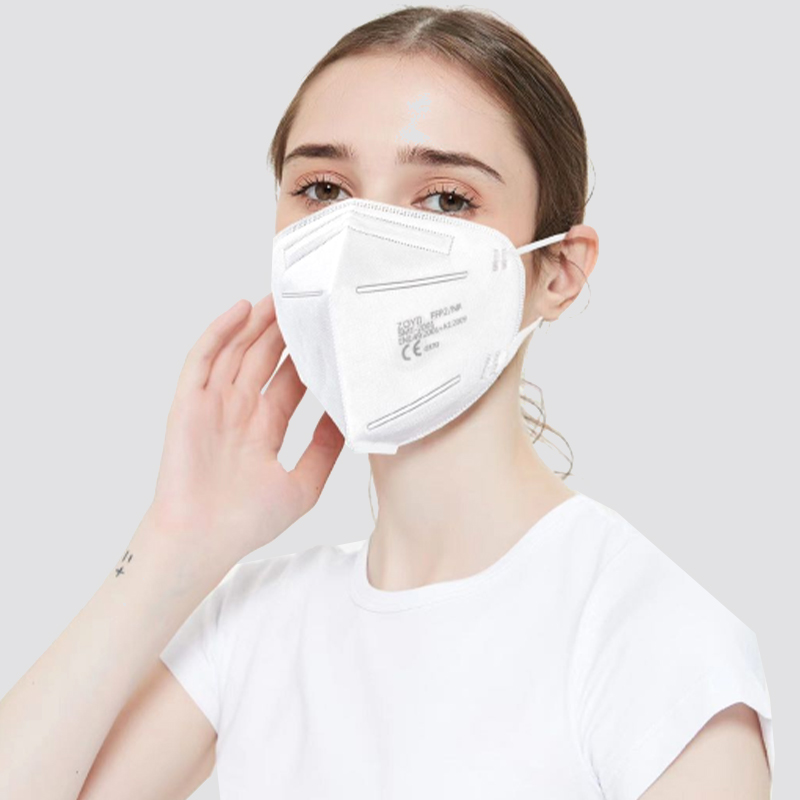
During High Air Pollution Episodes and Wildfire Smoke Events
Air pollution is not only an outdoor problem in heavily industrialized or high-traffic urban areas — it is also a significant seasonal and episodic health risk in regions affected by wildfire smoke, agricultural burning, dust storms, and industrial emissions. Fine particulate matter classified as PM2.5 (particles smaller than 2.5 microns) and ultrafine particles are capable of penetrating deep into the lungs and entering the bloodstream, contributing to cardiovascular disease, respiratory inflammation, and long-term pulmonary damage with repeated exposure.
A KN95 mask, when properly fitted to the face, provides effective filtration of PM2.5 and larger particulate matter, making it one of the most practical personal protective tools available during pollution events. This application is relevant for a wide range of everyday situations:
- Outdoor commuting or exercise during days when the Air Quality Index (AQI) is in the Unhealthy or Very Unhealthy range, as defined by national environmental agencies.
- Working or traveling outdoors in urban areas with chronic traffic-related air pollution, particularly near major highways, construction sites, or industrial zones.
- Living in or near regions affected by seasonal wildfire activity, where smoke can persist for days or weeks and penetrate indoor spaces even with windows closed.
- Traveling through heavily polluted cities where outdoor particulate levels regularly exceed safe exposure thresholds.
It is important to note that cloth masks and surgical masks provide minimal protection against fine particulate matter because their filtration mechanisms are not designed for particles in the PM2.5 size range. The electrostatically charged filter layers within a KN95 mask are specifically effective at capturing these smaller particles, making the KN95 the appropriate tool for pollution protection rather than a general-purpose face covering.
For Allergy Sufferers During High Pollen Seasons
Seasonal allergic rhinitis — commonly known as hay fever — affects a substantial proportion of the global population, with symptoms including sneezing, nasal congestion, itchy eyes, and respiratory irritation triggered by airborne pollen from trees, grasses, and weeds. For individuals with moderate to severe seasonal allergies, the spring and summer pollen season can significantly impair quality of life, work productivity, and sleep quality.
Tree pollen particles typically range from 10 to 100 microns in diameter, and grass pollen ranges from 20 to 60 microns — sizes that fall well within the filtration range of a KN95 mask. Wearing a KN95 during peak pollen periods, particularly during outdoor activities such as gardening, yard work, outdoor exercise, or commuting through green spaces, can substantially reduce pollen inhalation and the severity of allergic responses. Unlike antihistamine medication, which addresses symptoms after exposure, mask use prevents the initial exposure that triggers the allergic cascade, making it a complementary strategy to pharmaceutical management for allergy sufferers seeking additional relief during high-pollen days.
During DIY Home Renovation and Household Tasks
Many common household maintenance and renovation activities generate significant quantities of airborne particulate matter that poses a real respiratory health risk if inhaled without protection. Sanding drywall, cutting wood, removing old insulation, painting in enclosed spaces, applying adhesives, or working with cement and tile grout all produce fine dust and chemical vapors that can irritate or damage respiratory tissues with cumulative exposure.
| Household Task | Primary Airborne Hazard | KN95 Protection Level |
| Sanding drywall or wood | Fine silica and wood dust | Effective for particulate filtration |
| Removing old insulation | Mineral fibers, mold spores | Effective for fibers and spores |
| Cutting ceramic tiles | Fine ceramic and silica dust | Effective for dry-cut particulates |
| Cleaning heavily dusty spaces | Dust, mite debris, mold spores | Effective for biological particulates |
| Spray painting indoors | Paint aerosol particles and VOCs | Partial — add ventilation for VOCs |
For most particulate-generating household tasks, a KN95 mask provides a substantially higher level of respiratory protection than a simple dust mask or paper respirator. It is important to recognize, however, that KN95 masks filter particulates but do not provide meaningful protection against organic vapors, chemical gases, or carbon monoxide — for tasks involving heavy solvent exposure or confined-space work, a cartridge-type respirator with appropriate chemical filters is required in addition to or instead of a KN95.
Caring for a Sick Family Member at Home
When a household member develops a confirmed or suspected respiratory infection — influenza, COVID-19, RSV, or other transmissible illness — the risk of secondary transmission within the same living space is significant. Shared bathrooms, kitchens, and living areas mean that even with reasonable isolation measures, caregivers are repeatedly exposed to respiratory particles from the ill person. Wearing a KN95 mask during close contact with the patient — providing meals, administering medication, assisting with hygiene — reduces this exposure substantially.
This application is particularly important for household caregivers who cannot afford to become ill themselves due to work, childcare, or other caregiving responsibilities, and for those living with high-risk individuals such as elderly parents, infants, or people with chronic health conditions. The KN95's close facial seal and high filtration efficiency make it meaningfully superior to cloth or surgical masks for this intimate caregiving context, where proximity and duration of exposure are both elevated.
Correct Usage Practices That Determine Real-World Protection
The protective benefit of a KN95 mask is fully realized only when it is worn and maintained correctly. Several key practices determine whether the mask performs as its certification rating promises:
- Fit and seal: The mask must form a continuous seal against the face with no gaps at the nose bridge, cheeks, or chin. A proper nose wire adjustment is essential — a poorly fitted KN95 leaks unfiltered air around its edges and may provide little more protection than a surgical mask.
- Single-use or limited reuse: KN95 masks are designed for single-use in healthcare settings. For everyday non-clinical use, limited reuse of up to 5 separate wearing sessions is generally considered acceptable provided the mask is stored in a clean, dry container between uses and is not visibly soiled, wet, or damaged.
- Do not touch the front surface: The outer surface of a used mask may carry contaminants. Always remove a KN95 by handling the ear loops or head straps only, and wash hands immediately after removal.
- Source from reputable suppliers: Counterfeit KN95 masks that fail to meet the GB 2626 filtration standard are a well-documented problem in the consumer market. Purchase from certified suppliers who can provide test documentation, and look for the GB 2626 standard marking on the mask itself.
Conclusion
The KN95 protective mask is a versatile and genuinely effective respiratory protection tool with a far broader range of appropriate everyday applications than many people recognize. From epidemic seasons and hospital visits to pollution episodes, allergy seasons, home renovation tasks, and household caregiving, the situations in which a KN95 provides meaningful protection over lower-grade alternatives are numerous and practically significant. Building an accurate understanding of when the KN95's superior filtration performance is warranted — and how to wear it correctly to realize that performance — allows individuals to use this resource judiciously and effectively as a genuine component of their personal health management, rather than as an emergency item reserved only for the most extreme circumstances.
Recommended Products
-
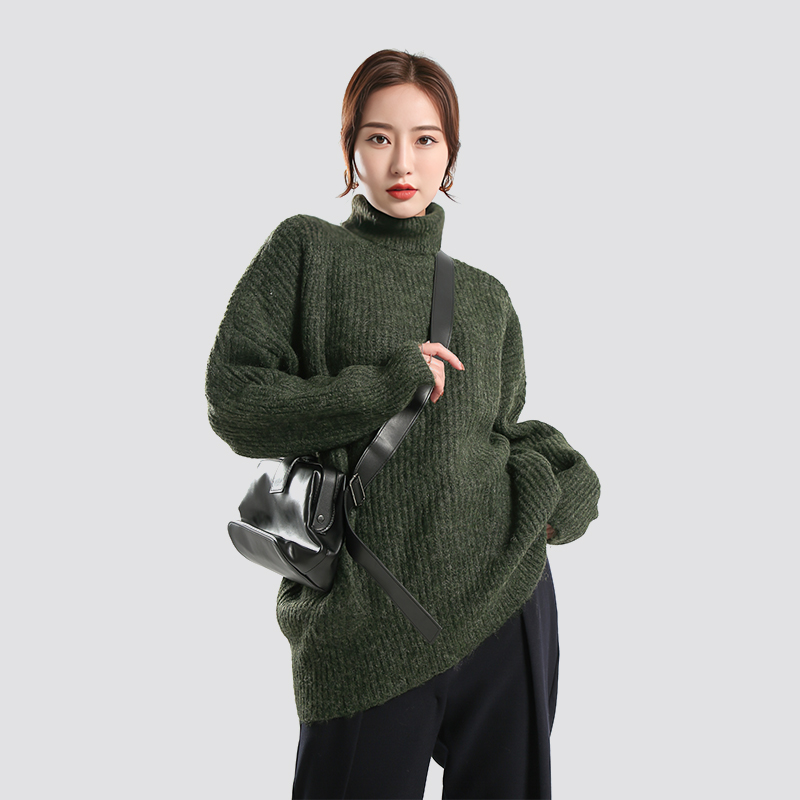
Cashmere handfeel Dark Green Wool Sweater
-
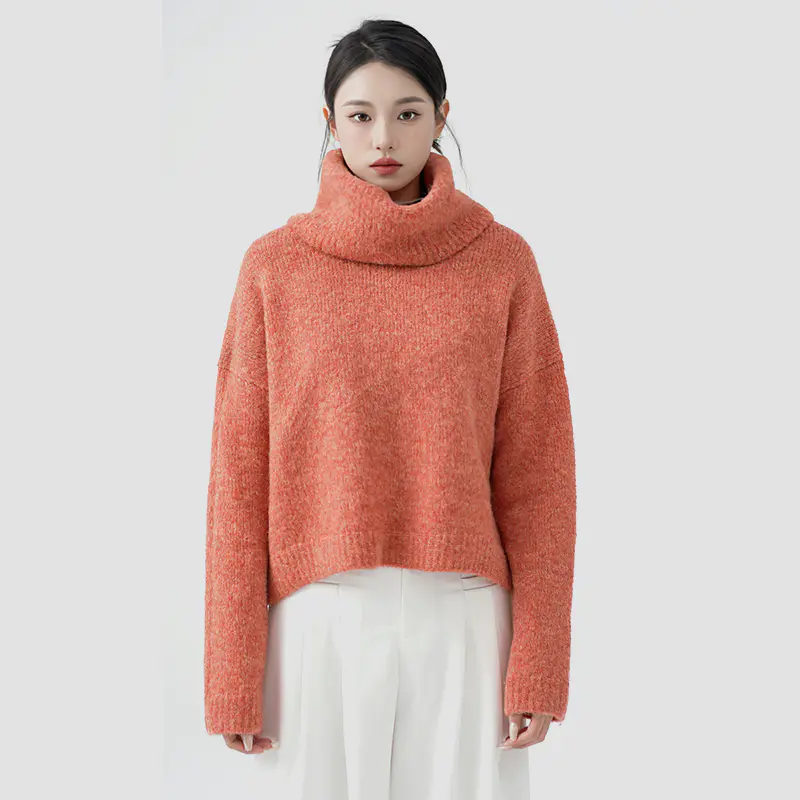
Orange Loose Neck Pullover Sweater
-
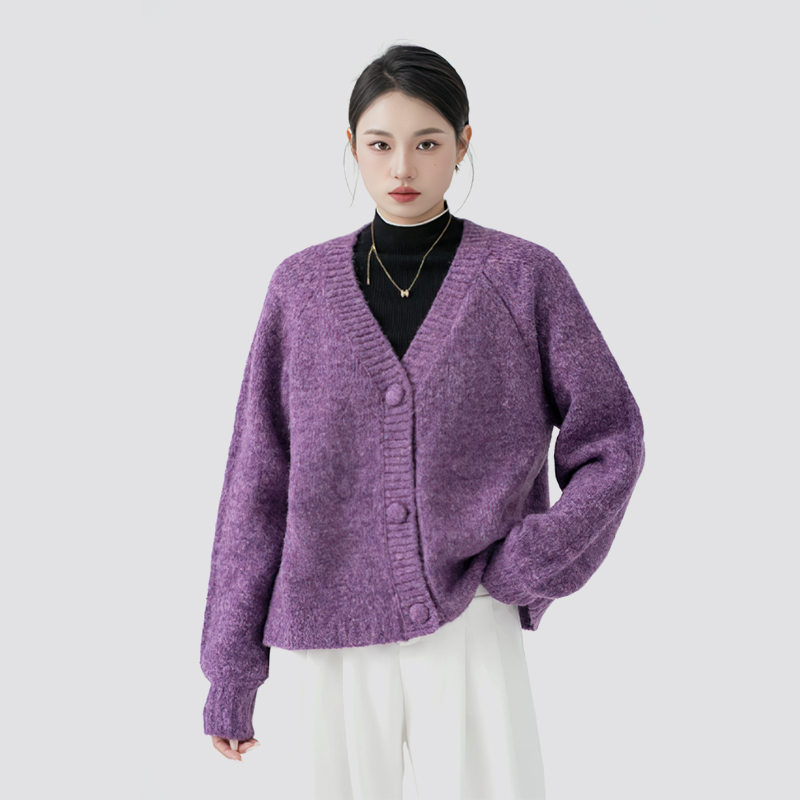
Romantic Purple Cardigan
-
Fur Lapel Lace-up Cardigan
-
Cut Out Knitted Tank Top
-
V-Neck Knitted Tank Top
-
Swing Sweater Dress With Nipped Waist
-
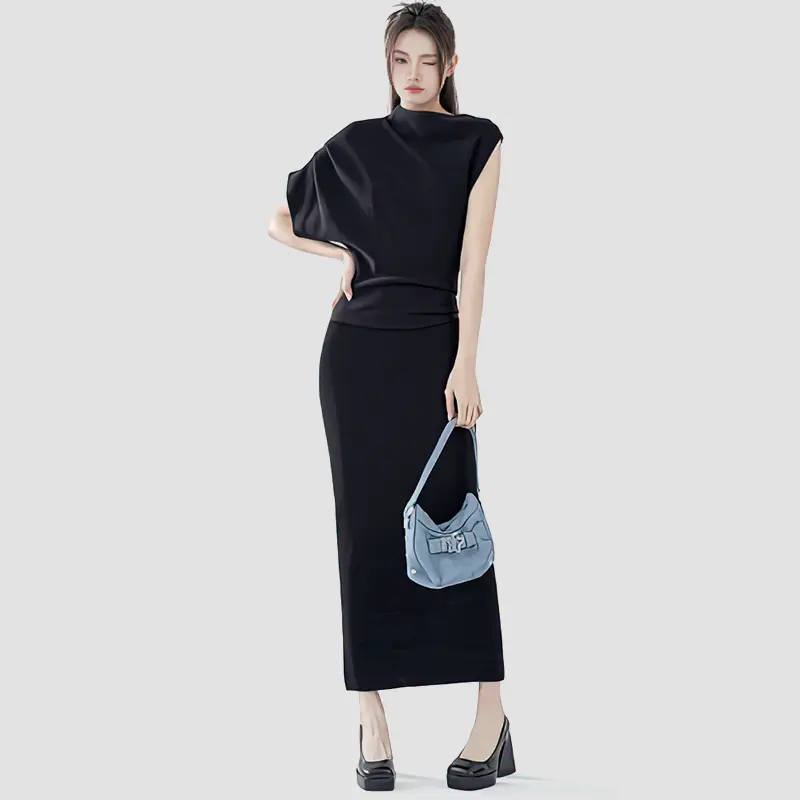
Stylish Asymmetrical Knit Long Dress
-
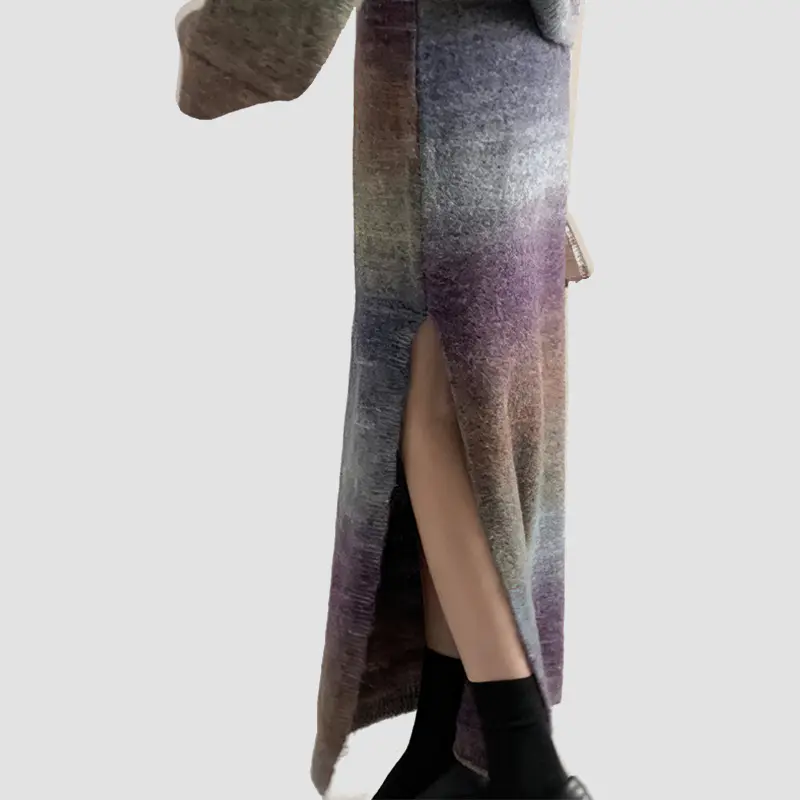
Gradient Color Side Split Half-Length Skirt
-
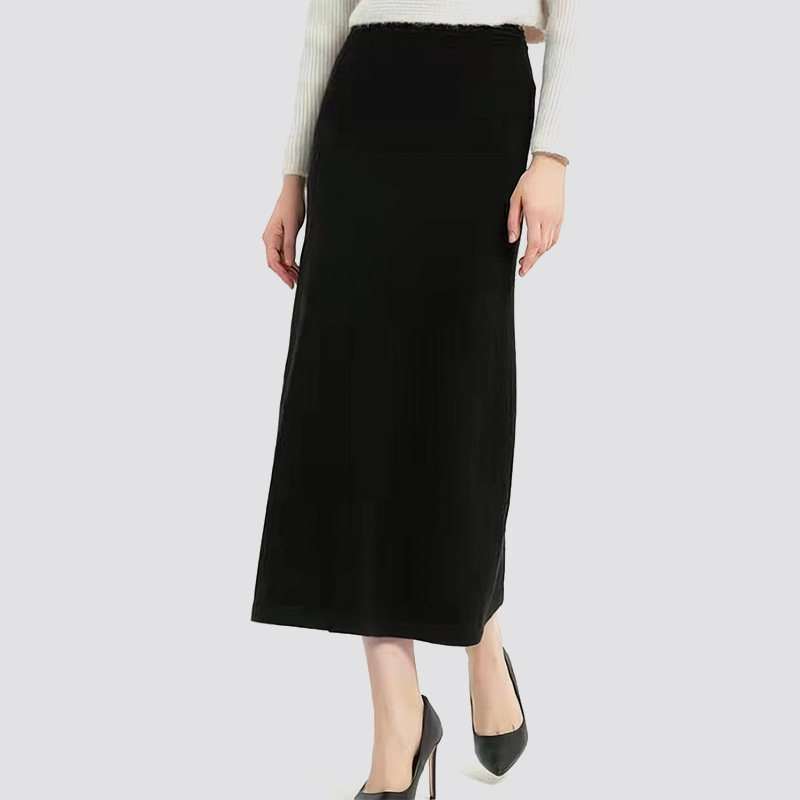
Black A-line Skirt
-
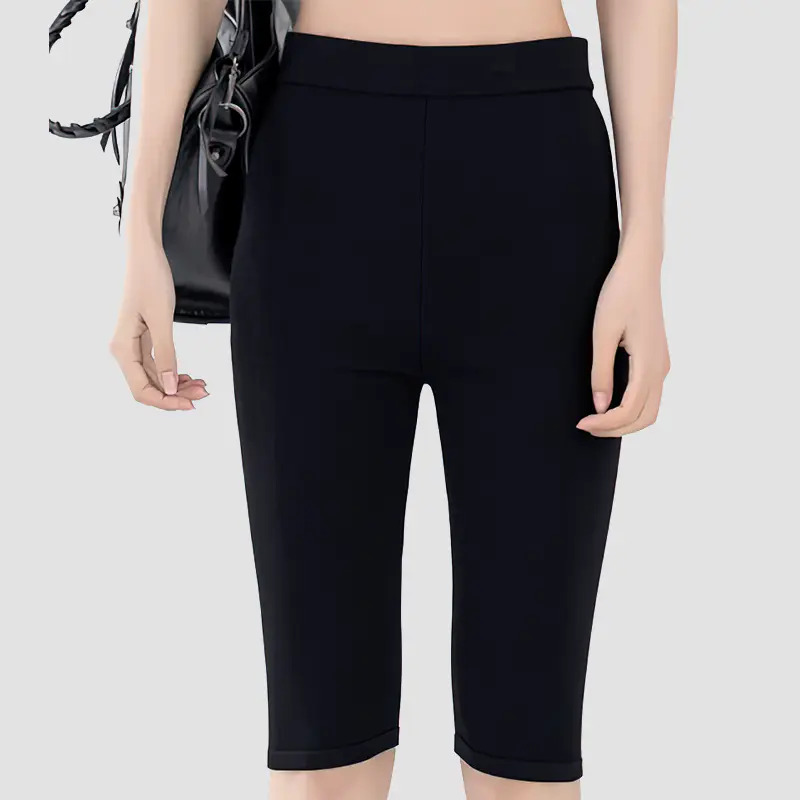
Thin Ice Silk Slimming Leggings
-

Draped Striped Loose Pants


-

Tel: +86-13913661100
-

Email: frank@sofiafashion.com
-

Add: No.886, Minfeng Road, Xushi Street, Dongbang Town, Changshu, Jiangsu, China
© 2023 Sofia Group. All rights reserved Design Custom Women's Knitted Sweaters Manufacturers
