


 English
 中文简体
中文简体 Español
Why Is a Lyocell Tencel Sleeveless Knit Tank Dress Worth Adding to Your Wardrobe?
Content
- 1 What Makes Lyocell Tencel the Ideal Fabric for a Tank Dress?
- 2 Understanding the Knit Construction of a Tank Dress
- 3 Key Performance Benefits of a Lyocell Tencel Knit Tank Dress
- 4 Lyocell Tencel vs Other Common Tank Dress Fabrics
- 5 Styling a Lyocell Tencel Sleeveless Knit Tank Dress
- 6 How to Care for a Lyocell Tencel Knit Tank Dress
- 7 Sustainability and Ethical Considerations
- 8 What to Look for When Buying a Lyocell Tencel Tank Dress
What Makes Lyocell Tencel the Ideal Fabric for a Tank Dress?
Lyocell, most widely recognized under the brand name Tencel — a trademark of Lenzing AG — is a semi-synthetic cellulosic fiber produced from wood pulp, typically sourced from sustainably managed eucalyptus, beech, or spruce forests. What sets it apart from other cellulosic fibers such as viscose (rayon) or modal is the closed-loop solvent spinning process used in its production, in which more than 99% of the organic solvent is recovered and reused rather than discharged as wastewater. This production efficiency is one reason Lyocell Tencel has earned a strong reputation as one of the most environmentally responsible textile fibers available at commercial scale.
From a performance standpoint, Lyocell Tencel delivers a combination of properties that are uniquely well suited to a sleeveless knit tank dress format. The fiber has a naturally smooth surface at the microscopic level — its round, uniform cross-section and high crystallinity produce a fabric with a silky, almost luminous drape that moves gracefully with the body. At the same time, Lyocell has exceptional moisture management characteristics: it can absorb approximately 50% more moisture than cotton, drawing perspiration away from the skin surface and dispersing it through the fabric for rapid evaporation. This makes a Lyocell Tencel knit dress genuinely comfortable in warm weather and during physical activity in a way that synthetic alternatives simply cannot replicate.
Understanding the Knit Construction of a Tank Dress
The term "knit" in the context of a Lyocell Tencel sleeveless tank dress refers to the fabric construction method rather than the visual texture — though both are relevant to understanding how the garment fits and performs. Unlike woven fabrics, which are constructed by interlacing yarns at right angles, knit fabrics are formed by interlocking loops of yarn in a continuous chain. This loop structure gives knit fabrics their characteristic stretch and recovery — the ability to extend under load and return to their original dimensions — which is one of the primary reasons knit constructions are preferred for body-conscious garments that need to move with the wearer without restricting motion.
For a Lyocell Tencel tank dress specifically, the knit construction is typically a fine-gauge jersey or interlock structure. Jersey knit has stretch primarily in the horizontal direction and drapes with a fluid, lightweight feel that is ideal for the sleek, minimal silhouette of a tank dress. Interlock knit — which is essentially two jersey fabrics knitted together face to face — is thicker, more stable, and has good stretch in both directions, making it suitable for a slightly more structured tank dress that maintains its shape throughout the day. Both constructions benefit significantly from Lyocell Tencel's natural drape and moisture management properties, amplifying the comfort and aesthetic qualities that make the fiber so desirable in warm-weather dressing.
Key Performance Benefits of a Lyocell Tencel Knit Tank Dress
The decision to choose a Lyocell Tencel sleeveless knit tank dress over alternatives made from cotton jersey, polyester, or viscose involves a practical assessment of how the fabric performs across the full range of conditions in which the garment will be worn. The following benefits are the most practically significant for everyday wear.
Breathability and Temperature Regulation
Lyocell Tencel fibers absorb and release moisture in a highly controlled manner due to the ordered molecular structure of the cellulose chains within the fiber. This produces a fabric that actively regulates the microclimate between the skin and the garment — absorbing body moisture when temperatures rise and releasing it through evaporation to produce a cooling effect. Studies comparing Lyocell Tencel with cotton and polyester in thermal comfort assessments consistently show that Lyocell Tencel maintains a drier, cooler skin surface under equivalent heat and humidity conditions. For a sleeveless tank dress worn in summer or in warm indoor environments, this difference is immediately perceptible as a less sticky, less clammy wearing experience compared to synthetic alternatives.
Softness and Skin Friendliness
The smooth, uniform surface of Lyocell Tencel fibers means that the fabric presents far fewer rough fiber ends or projecting fiber tips against the skin than cotton or polyester knits of equivalent weight. This gives the fabric a notably soft, almost silk-like sensation against the skin that is particularly valued in a sleeveless garment where large areas of bare skin are in direct contact with the fabric at the neckline, armhole, and body. Lyocell Tencel has also been evaluated in dermatological studies as skin-friendly for people with sensitive skin conditions, with its moisture management properties reducing the sustained skin wetness that can trigger irritation in sensitive individuals.
Drape and Fluid Silhouette
One of the most visually distinctive qualities of a Lyocell Tencel knit tank dress is its drape — the way the fabric falls and moves with the body. Lyocell fibers have a higher density than cotton and a very smooth surface, which in combination produce a fabric that hangs close to the body with a fluid, weighted elegance reminiscent of silk or high-quality viscose but with greater durability and washability than either. This drape quality makes a Lyocell Tencel tank dress flattering across a range of body shapes, as the fabric skims rather than clings, following the body's natural lines without creating the visual compression or bulk that stiffer woven fabrics can produce.
Lyocell Tencel vs Other Common Tank Dress Fabrics
| Property | Lyocell Tencel | Cotton Jersey | Polyester | Viscose/Rayon |
| Moisture absorption | Excellent | Good | Poor | Good |
| Softness | Very high | Moderate–High | Moderate | High |
| Drape quality | Excellent | Moderate | Moderate | Very good |
| Sustainability | Excellent | Moderate | Poor | Moderate |
| Durability (wet) | Moderate — handle with care | Good | Excellent | Low — weakens when wet |
| Biodegradability | Yes | Yes | No | Yes |
Styling a Lyocell Tencel Sleeveless Knit Tank Dress
The versatility of a Lyocell Tencel sleeveless knit tank dress is one of its most practical attributes. The fluid drape and understated elegance of the fabric make it adaptable across a wide range of styling contexts — from casual daytime dressing to smart evening looks — with minimal wardrobe additions required.
Casual and Everyday Styling
For relaxed daytime wear, a Lyocell Tencel tank dress pairs naturally with flat leather sandals or clean white sneakers and a woven straw or canvas tote. The dress's inherent drape means it looks polished even without accessories, but a simple leather or fabric belt cinched at the waist instantly creates definition and transforms the silhouette from easy and relaxed to intentional and put-together. A lightweight linen or denim shirt worn open over the dress adds a layering dimension that extends the garment's usefulness into cooler mornings and evenings without sacrificing the breathability that makes the tank dress so comfortable in warm conditions.
Work and Smart-Casual Styling
A midi-length or maxi-length Lyocell Tencel tank dress in a solid neutral — charcoal, navy, stone, or black — transitions effortlessly into a work or smart-casual context when paired with a structured blazer or tailored jacket. Block-heeled mules or pointed-toe flats complete the look with minimum effort. The fabric's ability to resist wrinkling during a full day of sitting and moving — a property related to Lyocell's fiber elasticity — means the dress maintains its neat appearance from morning to end of day without requiring mid-day attention. For office environments with air conditioning, a fine-knit cardigan in a complementary tone provides warmth without adding visual bulk to the lean, fluid silhouette of the knit dress.
Evening and Special Occasion Styling
The silk-like surface sheen of Lyocell Tencel fabric elevates a simple tank dress to evening-appropriate status with relatively little styling effort. Strappy heeled sandals, delicate gold or silver jewelry, and a small clutch bag shift the visual register from casual to dressed-up decisively. For cooler evenings, a fine-gauge Lyocell or silk-blend wrap worn loosely over the shoulders maintains the dressed aesthetic while adding warmth. Choosing a Lyocell Tencel tank dress in a rich jewel tone — deep emerald, burgundy, or midnight blue — rather than a neutral further emphasizes the evening-ready quality of the fluid fabric and the garment's clean, simple lines.
How to Care for a Lyocell Tencel Knit Tank Dress
Proper care is essential to preserve the appearance, fit, and longevity of a Lyocell Tencel knit tank dress. Lyocell fibers are cellulosic and therefore share some care sensitivities with other natural and semi-natural fibers, but they have specific characteristics that require attention during washing and drying.
- Machine wash on a gentle or delicate cycle: use cold or lukewarm water — ideally 30°C or below — to prevent fiber swelling, dimensional distortion, and color fading. A delicate cycle minimizes mechanical agitation that can cause pilling on the knit surface or distortion of the loop structure.
- Use a mild, pH-neutral detergent: strong alkaline detergents can damage cellulosic fibers and cause excessive swelling that leads to shrinkage and surface roughness after drying. A wool or delicates detergent is appropriate and will preserve the fabric's soft hand feel over multiple washes.
- Avoid wringing or twisting: Lyocell fibers are weaker when wet than when dry, and mechanical stress applied to the wet fabric — particularly the knit structure — can cause permanent distortion of the garment shape or localized fiber damage. Gently press excess water from the garment rather than wringing it.
- Dry flat or hang carefully: knit fabrics can stretch under their own weight when hung wet, particularly in the length direction. Drying the dress flat on a clean towel or mesh drying rack allows it to retain its original dimensions as the fabric dries. If hanging is necessary, support the full width of the garment rather than hanging from a single point.
- Iron at low temperature with steam if needed: Lyocell Tencel responds well to light steaming, which relaxes any minor creases without the risk of heat damage that higher iron temperatures can cause. If using a dry iron, place a pressing cloth between the iron and the fabric surface to protect the smooth fiber surface from glazing or flattening of the knit texture.
- Store folded rather than hung: for longer storage periods, fold the dress neatly and store flat to prevent the knit structure from stretching under gravity over time. Store away from direct sunlight to prevent color fading of the dyed fiber.
Sustainability and Ethical Considerations
For consumers making purchasing decisions with environmental impact in mind, a Lyocell Tencel sleeveless knit tank dress offers meaningful sustainability credentials relative to most alternative fabric choices. The Tencel brand specifically — produced by Lenzing AG — is backed by third-party certifications including the EU Ecolabel and OEKO-TEX Standard 100, which verify both the environmental performance of the production process and the absence of harmful substances in the finished fiber. The closed-loop solvent system used in Lyocell production means that the manufacturing process generates dramatically less water pollution and chemical waste than conventional viscose production, which uses a more open and chemically intensive process.
The wood pulp raw material for Lyocell Tencel is sourced from forests certified by the Forest Stewardship Council (FSC) or the Programme for the Endorsement of Forest Certification (PEFC), providing documented assurance that fiber sourcing does not contribute to deforestation or biodiversity loss. At end of life, Lyocell Tencel is fully biodegradable under industrial and home composting conditions, breaking down into water, carbon dioxide, and biomass without leaving persistent microplastic residues — a significant advantage over polyester and nylon alternatives that persist in the environment for hundreds of years after disposal. Choosing a Lyocell Tencel tank dress is therefore not only a practical performance decision but also a meaningful step toward a more responsible approach to clothing consumption and disposal.
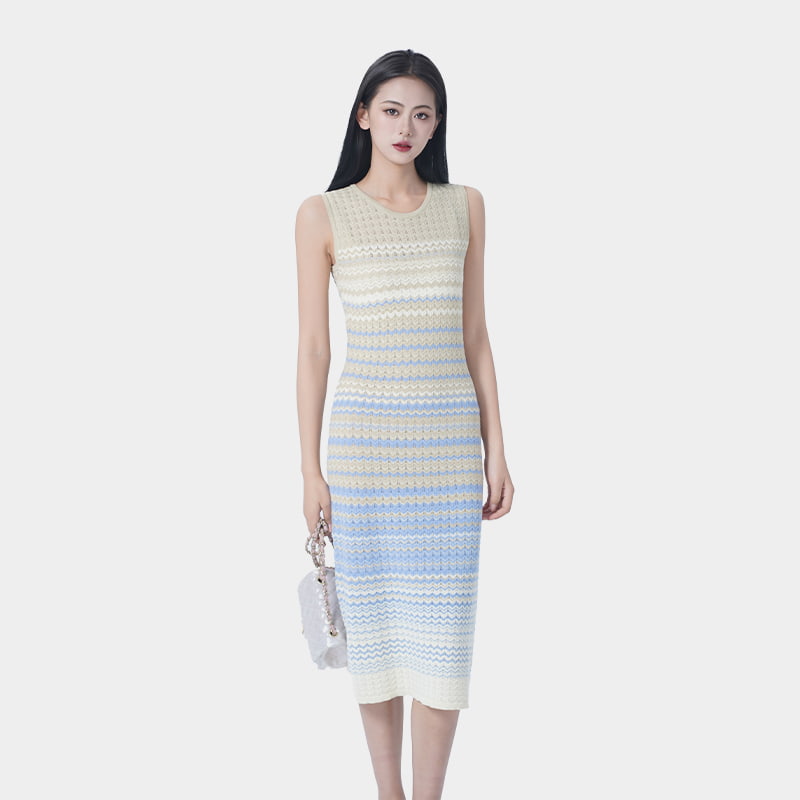
What to Look for When Buying a Lyocell Tencel Tank Dress
Not all products marketed as Lyocell or Tencel tank dresses offer the same quality, and knowing what to look for helps ensure that the garment delivers the performance and sustainability credentials that make the fiber worth choosing.
- Fiber content label: confirm the garment is labeled 100% Lyocell or carries the Tencel brand name. Blends with polyester (common in lower-cost products) will compromise the moisture management, biodegradability, and skin-feel benefits of pure Lyocell fabric.
- Fabric weight: for a tank dress intended for warm-weather wear, look for fabrics in the range of 120–180 gsm — light enough to drape fluidly and allow air circulation but substantial enough to avoid being see-through or fragile in daily use.
- Seam and hem finishing quality: knit fabrics require careful seam finishing to prevent unraveling and ensure that seams lie flat against the skin without creating irritation points. Flatlock or coverstitch seaming is preferable to standard overlocked seams in a sleeveless garment where seam contact with bare skin is extensive.
- Neckline and armhole binding: the neckline and armhole edges of a sleeveless tank dress experience the most mechanical stress during wearing and laundering. Look for clean, well-attached binding or folded and stitched edges that will maintain their shape and integrity through repeated washing rather than stretching out of shape after a few wears.
- Brand transparency: brands that publish information about their supply chain, fiber sourcing, and production certifications are more likely to be delivering genuine Lyocell Tencel with the environmental credentials the fiber promises than brands that use "Lyocell" as a marketing term without verifiable backing.
Recommended Products
-
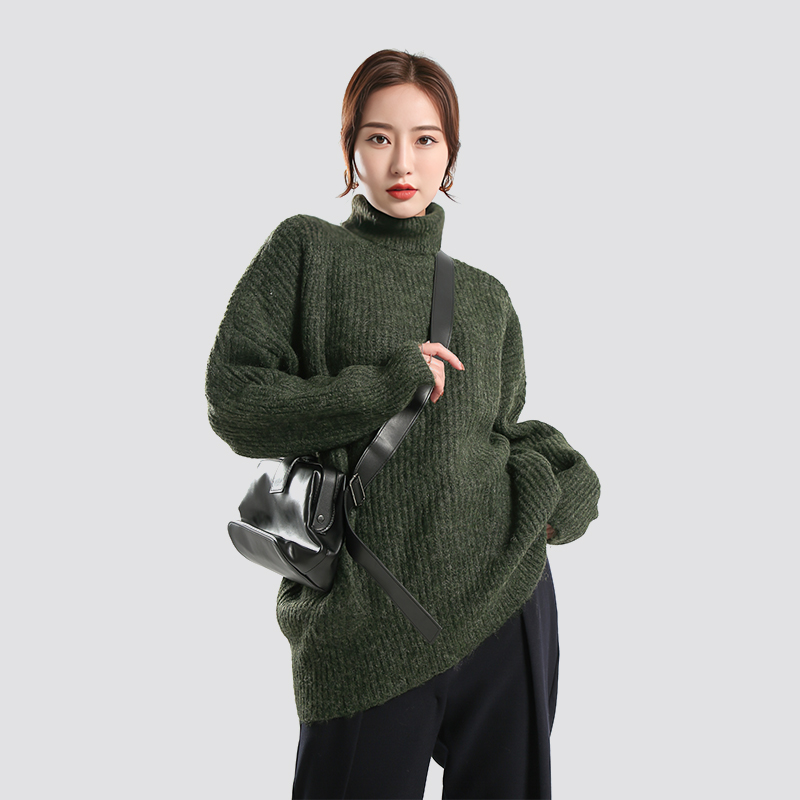
Cashmere handfeel Dark Green Wool Sweater
-
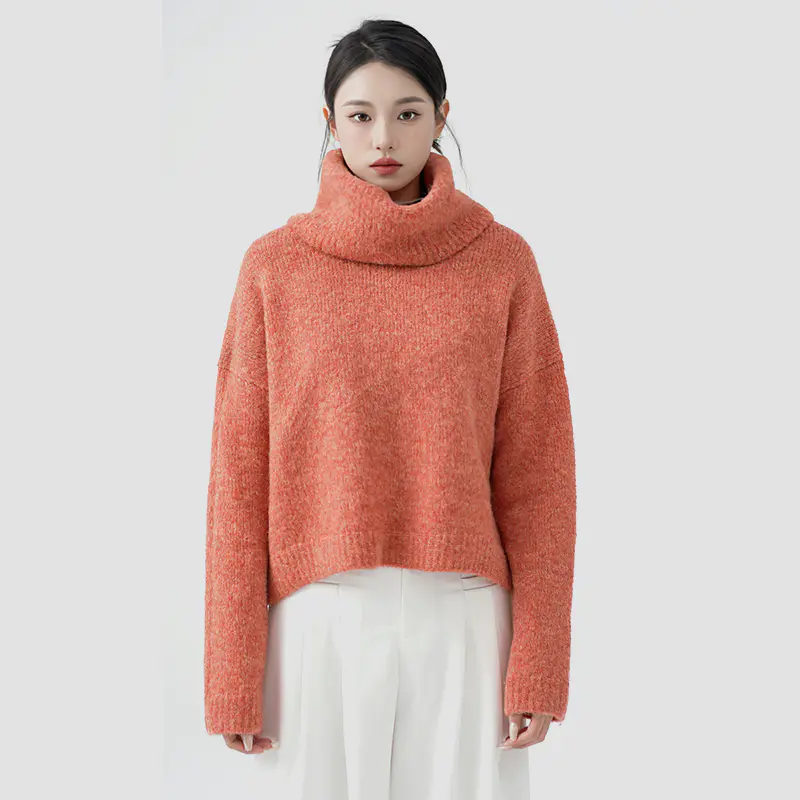
Orange Loose Neck Pullover Sweater
-
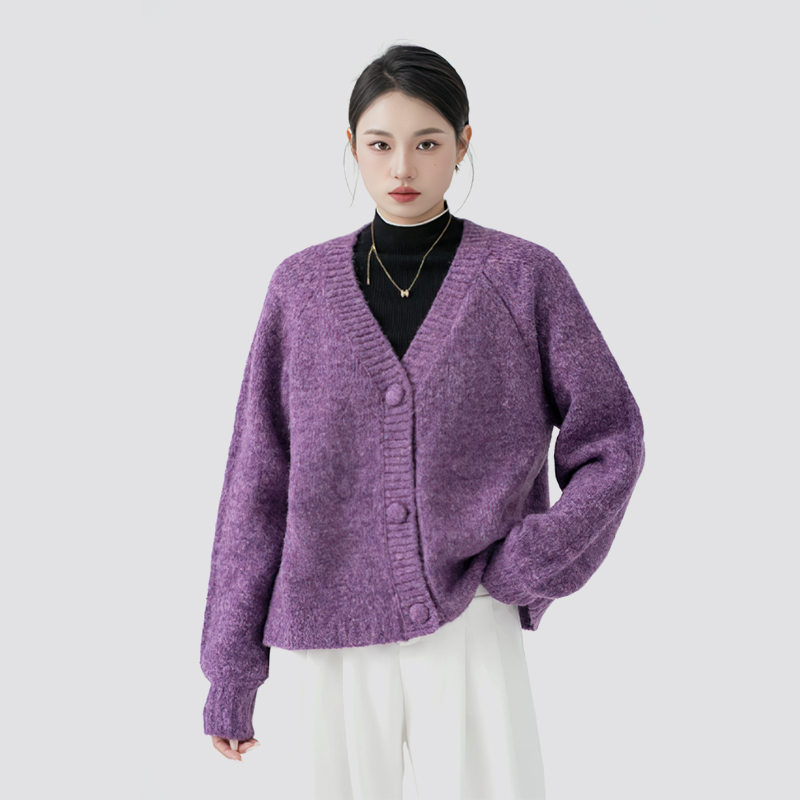
Romantic Purple Cardigan
-
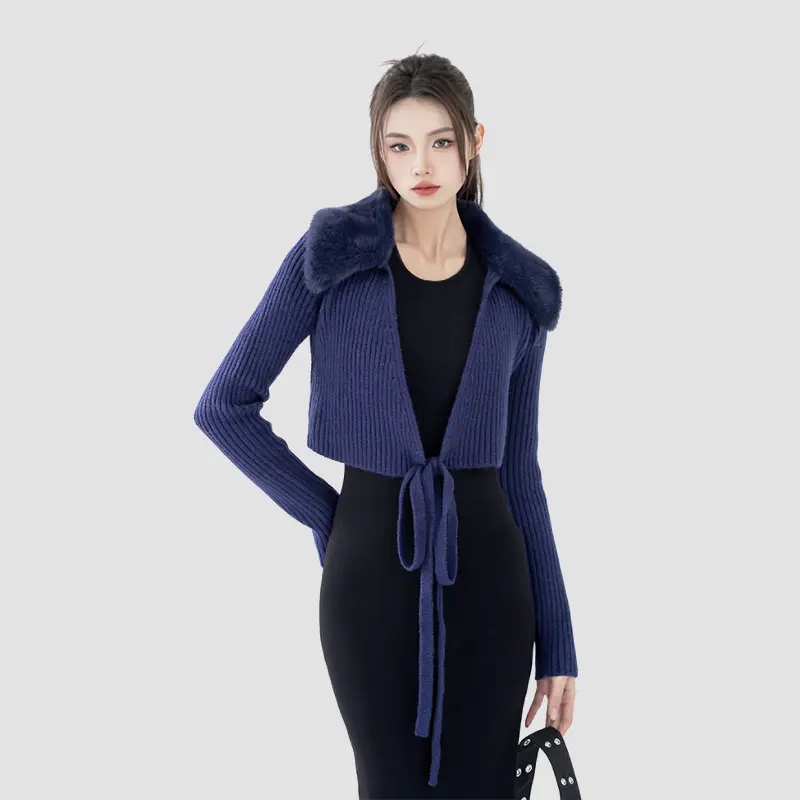
Fur Lapel Lace-up Cardigan
-
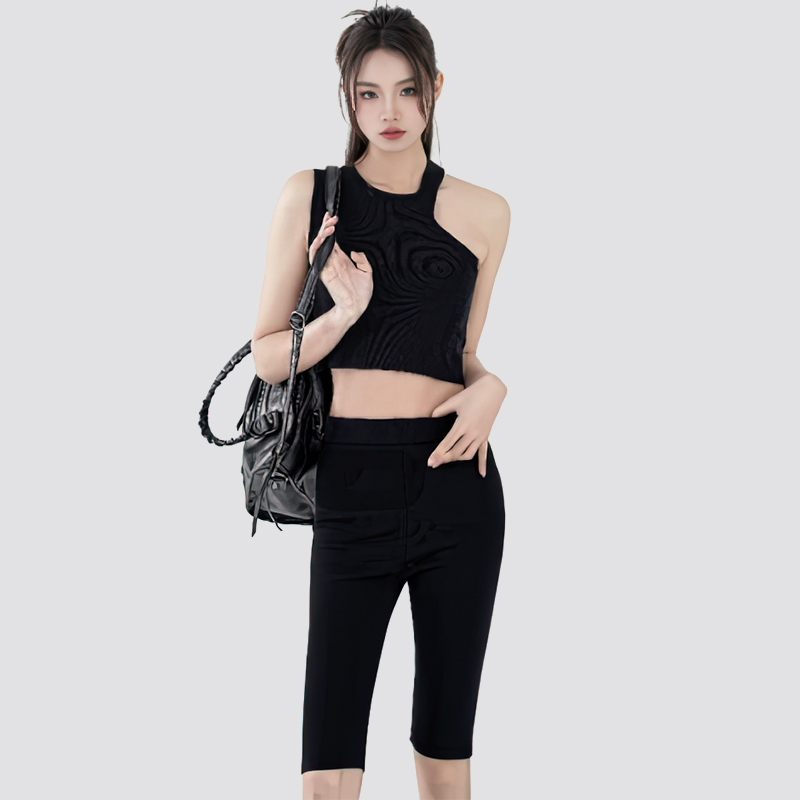
Cut Out Knitted Tank Top
-
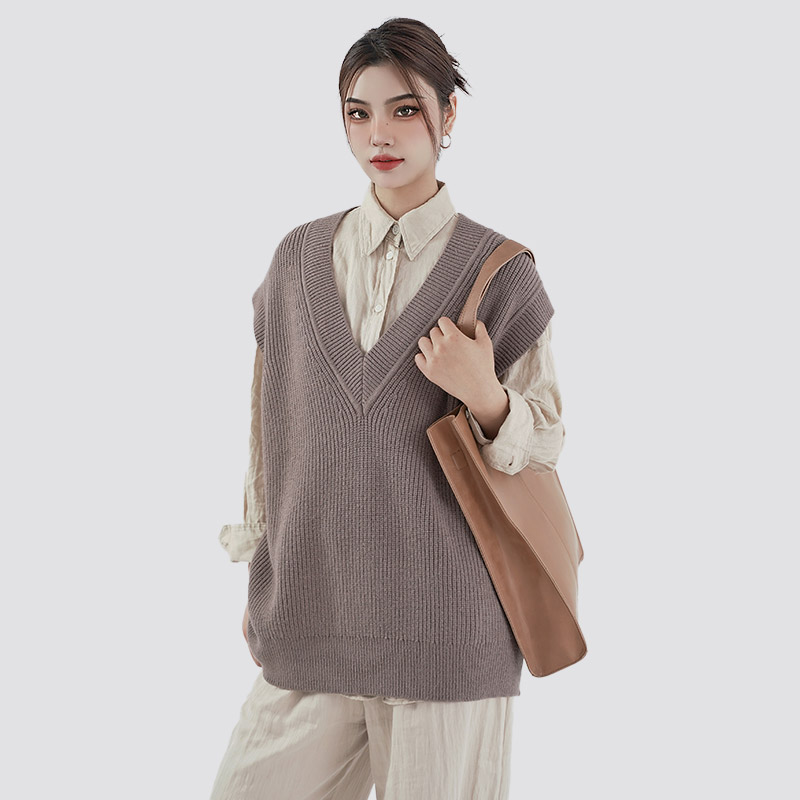
V-Neck Knitted Tank Top
-
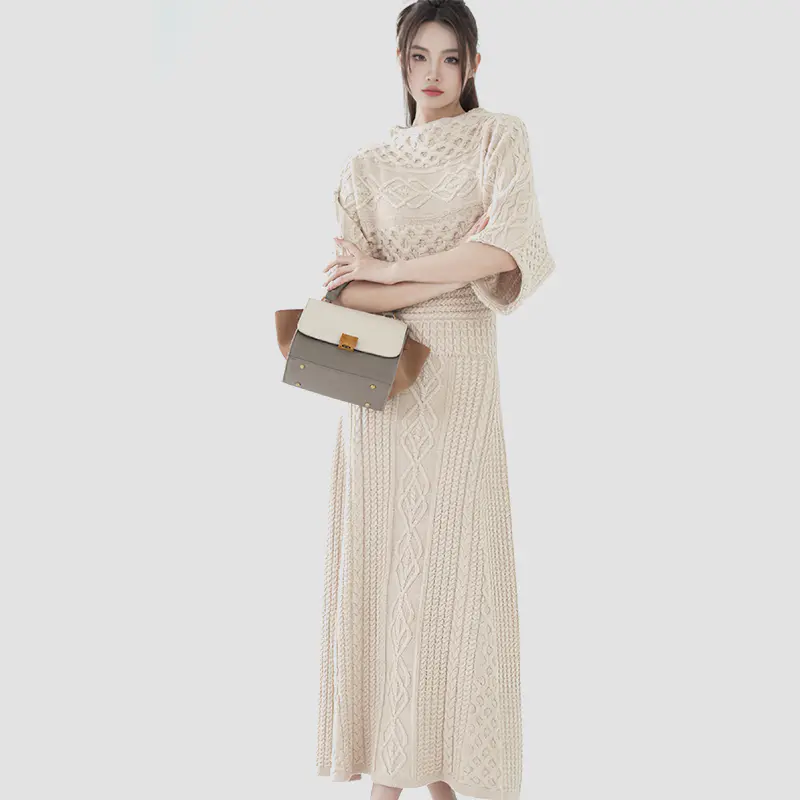
Swing Sweater Dress With Nipped Waist
-
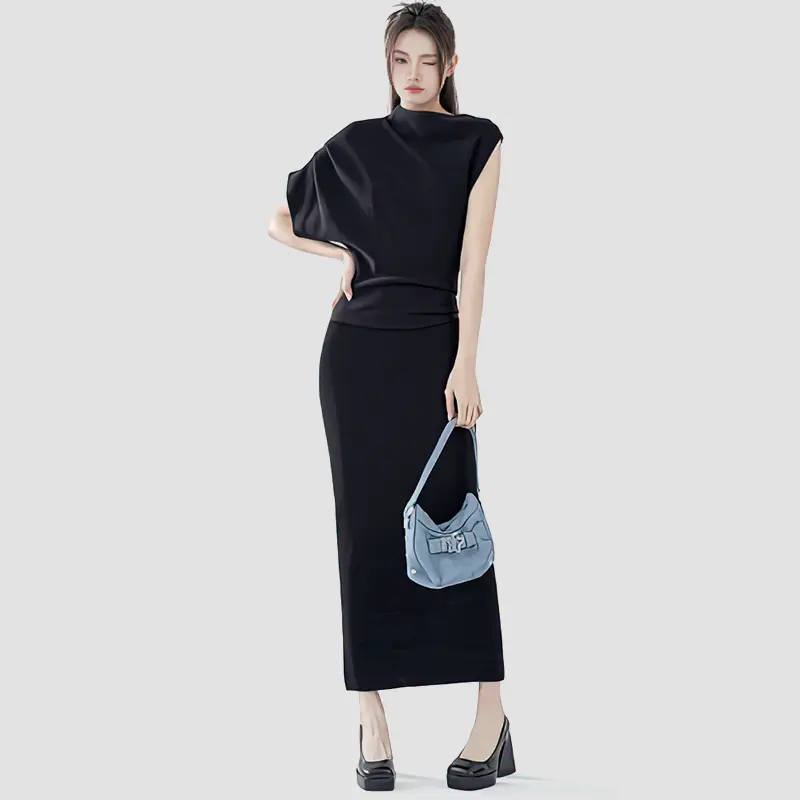
Stylish Asymmetrical Knit Long Dress
-
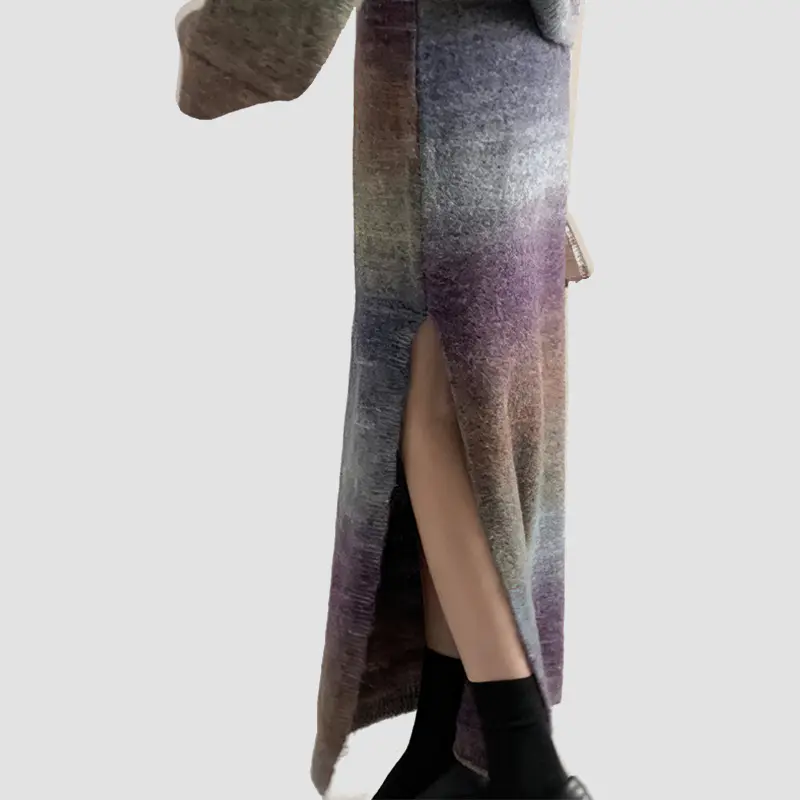
Gradient Color Side Split Half-Length Skirt
-
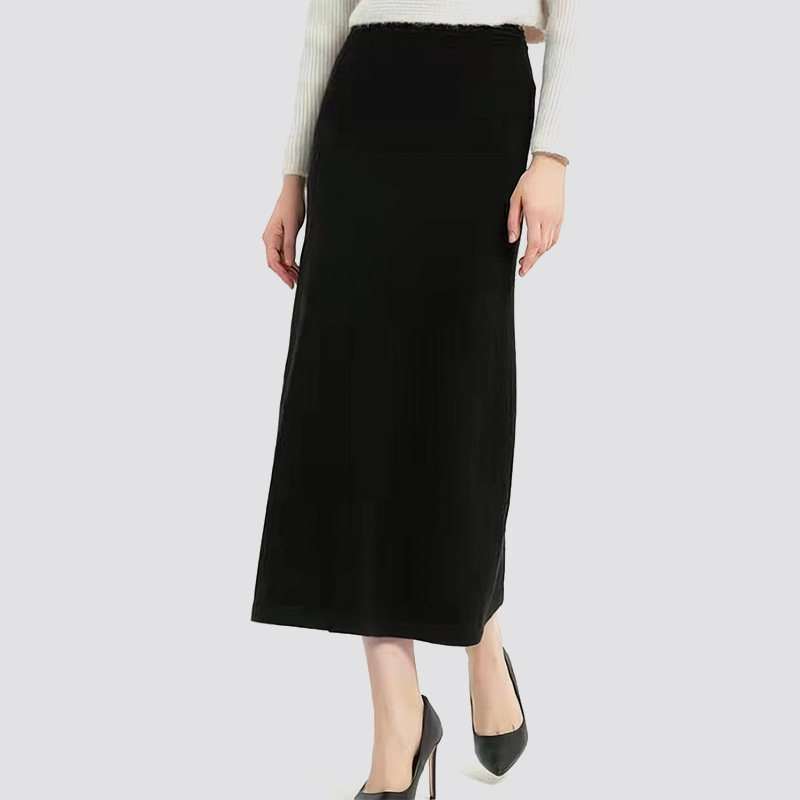
Black A-line Skirt
-
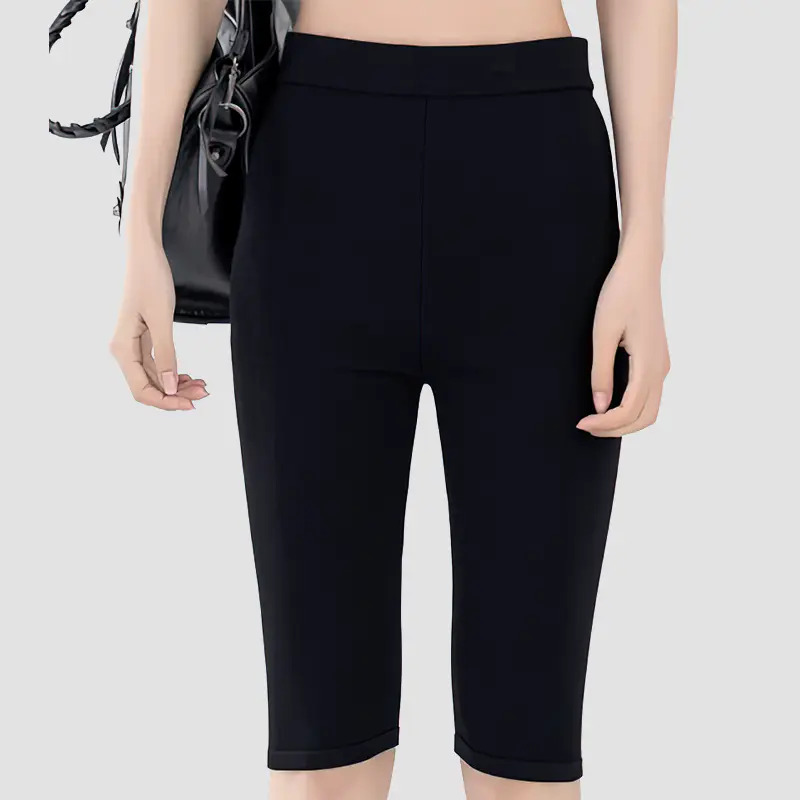
Thin Ice Silk Slimming Leggings
-
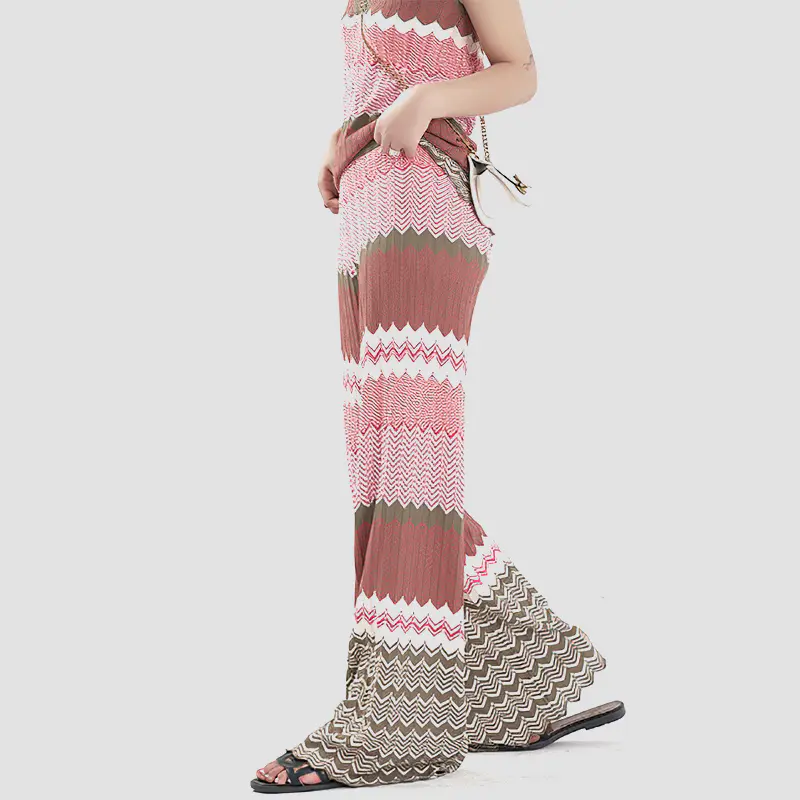
Draped Striped Loose Pants


-

Tel: +86-13913661100
-

Email: frank@sofiafashion.com
-

Add: No.886, Minfeng Road, Xushi Street, Dongbang Town, Changshu, Jiangsu, China
© 2023 Sofia Group. All rights reserved Design Custom Women's Knitted Sweaters Manufacturers
