


 English
 中文简体
中文简体 Español
Are Disposable One-Piece Hooded Dustproof Isolation Gowns Better Than Reusable Ones?
The debate between disposable and reusable isolation gowns has persisted across healthcare, industrial, pharmaceutical, and cleanroom environments for decades. While reusable gowns are frequently promoted as a sustainable and cost-effective alternative, a thorough, practical analysis consistently shows that disposable one-piece hooded dustproof isolation gowns outperform reusable options across the metrics that matter most: contamination control, structural integrity, ease of use, and true total cost of ownership. This article examines both gown types in depth, confronts the most common arguments in favor of reusable gowns, and makes the evidence-based case for why disposable one-piece hooded dustproof isolation gowns are the superior choice for workers who cannot afford to compromise on protection.
Content
- 1 Understanding the Two Types of Isolation Gowns
- 2 Barrier Integrity: Where Disposable Gowns Win Decisively
- 3 Dustproof Performance: A Critical Advantage in Industrial and Cleanroom Settings
- 4 The True Cost Comparison: Reusable Is Not Always Cheaper
- 5 Infection Control and Cross-Contamination Risk
- 6 Donning Efficiency and Workplace Practicality
- 7 Key Situations Where Disposable One-Piece Hooded Gowns Are the Clear Choice
- 8 Addressing the Environmental Concern
- 9 Conclusion
Understanding the Two Types of Isolation Gowns
Before comparing performance, it is important to understand what structurally distinguishes these two categories. Reusable isolation gowns are typically constructed from woven polyester, cotton blends, or microfiber fabrics. They are laundered, decontaminated, and re-sterilized between uses, theoretically lasting through dozens or even hundreds of wash cycles. Standard reusable gowns provide basic body coverage but require a separately donned cap or hood when full-head protection is needed, introducing a potential gap at the neck and shoulder area.
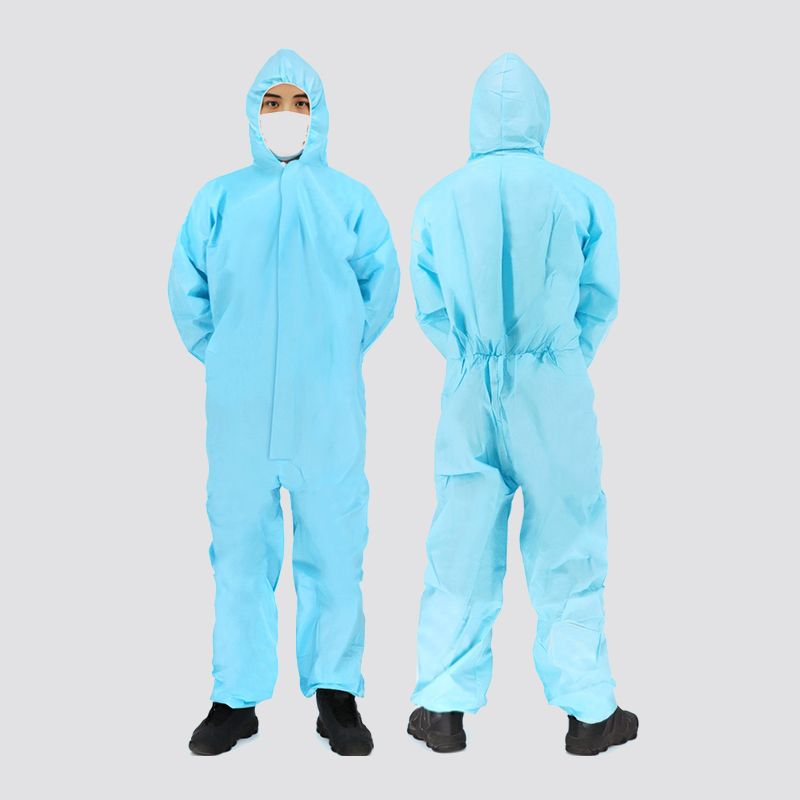
Disposable one-piece hooded dustproof isolation gowns are manufactured from nonwoven materials—such as SMS (spunbond-meltblown-spunbond), microporous polyethylene film, or polypropylene composites—and are designed for single use. The defining characteristic is the integrated one-piece construction: the hood, body, and cuffs are manufactured as a single seamless or ultrasonically bonded unit. This eliminates the interface gaps that exist when a separate gown and hood are worn together, and it ensures that every donning provides a fresh, uncompromised barrier.
Barrier Integrity: Where Disposable Gowns Win Decisively
The primary function of any isolation gown is to act as a reliable barrier between the wearer and external contaminants—or between the wearer and a sensitive environment. This is where the structural advantage of disposable one-piece hooded dustproof isolation gowns becomes most apparent.
Reusable woven gowns degrade with each laundering cycle. Studies in hospital infection control have documented that fabric permeability increases significantly after repeated washing, meaning a gown that passes barrier tests when new may fail to provide adequate protection after 30 or 50 washes. Fiber breakdown, micro-tears invisible to the naked eye, and compromised seams all contribute to declining barrier performance over time. There is no reliable, cost-effective way for end users to test barrier integrity before each individual use.
Disposable one-piece hooded dustproof isolation gowns, by contrast, deliver consistent, factory-certified barrier performance with every single use. The nonwoven SMS fabric is inherently resistant to particle penetration and liquid splash. The integrated hood eliminates the neck gap that is one of the most common contamination pathways when wearing a separate gown and cap. Elasticated wrist cuffs provide a secure seal without requiring additional tape or adjustment. Because the gown is used once and discarded, there is no cumulative degradation—the first use is always as protective as the manufacturer's specification states.
Dustproof Performance: A Critical Advantage in Industrial and Cleanroom Settings
In environments where particle contamination is a primary concern—electronics manufacturing, pharmaceutical production, food processing, painting booths, and asbestos or hazardous material handling—the dustproof properties of the gown material are paramount. Woven reusable fabrics, regardless of their initial weave tightness, generate and shed lint particles continuously. This is not a manufacturing defect; it is an inherent characteristic of woven textile materials, especially after repeated laundering.
Disposable nonwoven materials used in one-piece hooded dustproof isolation gowns are specifically engineered to be low-linting or lint-free. The meltblown layer in SMS fabrics creates a dense, sub-micron fiber matrix that traps particles rather than releasing them. This makes disposable one-piece hooded dustproof isolation gowns the appropriate and often mandatory choice in ISO-classified cleanrooms and GMP-regulated pharmaceutical environments where particle counts must be maintained within strict limits.
The True Cost Comparison: Reusable Is Not Always Cheaper
The argument most frequently made in favor of reusable isolation gowns is economic: a reusable gown, amortized over many uses, costs less per use than a disposable alternative. This argument is compelling in theory but collapses under scrutiny when all associated costs are properly accounted for.
| Cost Factor | Reusable Gown | Disposable One-Piece Hooded Gown |
| Purchase price | Higher upfront | Low per unit |
| Laundering & sterilization | Significant ongoing cost | None |
| Logistics & inventory management | Complex (collection, transport, return) | Simple (order, store, use, dispose) |
| Inspection & quality control | Required after every wash cycle | Factory certified; no inspection needed |
| Replacement due to wear | Regular replacement required | No degradation issue |
| Cross-contamination risk cost | High (laundering failures, re-use errors) | Negligible |
When laundering, sterilization, transportation, quality inspection labor, and the cost of periodic replacement due to wear are all factored in, the per-use cost gap between reusable and disposable gowns narrows dramatically and often disappears entirely. For organizations that outsource laundering to third-party textile services, the recurring service contract costs alone frequently exceed the cost of an equivalent number of disposable units.
Infection Control and Cross-Contamination Risk
In healthcare settings—including hospitals, clinics, dental practices, and laboratories—the cross-contamination risk associated with reusable gowns is a serious and often underappreciated concern. A reusable gown that has been contaminated with a pathogen must be safely removed, contained, transported to a laundry facility, washed at the correct temperature with the correct chemistry, and verified as clean before reuse. Any failure in this chain—improper doffing, delayed laundering, insufficient wash temperature, or cross-contamination during the laundry process itself—can result in pathogen persistence on the gown surface.
Disposable one-piece hooded dustproof isolation gowns eliminate this entire risk chain. After use, the gown is removed using established doffing protocols and immediately discarded as clinical or industrial waste. There is no laundry chain to manage, no risk of inadequate decontamination, and no possibility of a healthcare worker unknowingly donning a gown that was inadequately processed. This single-use model is explicitly recommended by infection control bodies including the CDC for situations involving highly transmissible pathogens.
Donning Efficiency and Workplace Practicality
Operational efficiency matters enormously in high-volume environments such as emergency departments, production lines, and hazmat operations. The one-piece construction of disposable hooded dustproof isolation gowns dramatically simplifies the donning process. Workers step into the gown, pull the integrated hood over their head, and secure the back fastening—a process that takes under one minute and requires no assistance. There is no need to separately don a cap, tuck the gown collar, or tape the interface between hood and gown body to achieve full coverage.
Reusable gowns, particularly those requiring a separate hood, demand more steps, more time, and more opportunity for donning errors. In emergency or high-pressure situations, donning errors are not hypothetical—they are statistically documented as a significant contributor to healthcare-associated infections and industrial exposure incidents. The simplicity of the one-piece disposable design directly reduces this error risk.
Key Situations Where Disposable One-Piece Hooded Gowns Are the Clear Choice
While the general case for disposable one-piece hooded dustproof isolation gowns is strong, certain specific scenarios make them not merely preferable but effectively mandatory:
- Hazardous material handling: Asbestos abatement, chemical spill response, and pesticide application require full-body coverage with no fiber shedding and no contamination carryover between jobs.
- Infectious disease isolation: Treatment of patients with highly contagious conditions such as Ebola, SARS, or drug-resistant bacterial infections demands single-use gowns to eliminate decontamination failure risk.
- Pharmaceutical and electronics cleanrooms: ISO-classified environments require low-linting garments that only nonwoven disposable materials can reliably provide.
- Food processing and meat packing: Environments requiring daily or shift-by-shift changes of full-body protective garments where laundering infrastructure is unavailable or impractical on-site.
- Painting and surface coating operations: Dustproof nonwoven materials prevent paint particles and overspray from contaminating the worker while avoiding lint transfer onto freshly coated surfaces.
- Emergency and field deployments: Situations where laundering infrastructure does not exist and protection must be reliable from the first moment of donning.
Addressing the Environmental Concern
The most legitimate counterargument in favor of reusable gowns is environmental: single-use plastic-based garments generate waste. This concern deserves a honest response. Modern disposable one-piece hooded dustproof isolation gowns made from polypropylene nonwoven materials are increasingly available in recyclable grades, and some manufacturers now offer take-back or industrial recycling programs. Additionally, the environmental footprint of reusable gowns is frequently understated—industrial laundering consumes large volumes of hot water, chemical detergents, and energy per wash cycle, and the transportation logistics of soiled and clean garment cycling add a further carbon burden that is rarely included in sustainability comparisons. When full lifecycle analysis is applied, the environmental advantage of reusable gowns is often significantly smaller than assumed.
Conclusion
The evidence is clear: disposable one-piece hooded dustproof isolation gowns deliver superior barrier performance, eliminate cross-contamination risks inherent in the reusable laundering chain, simplify donning to reduce human error, and offer competitive total cost of ownership once all operational factors are properly accounted for. Their integrated hood design closes the most vulnerable gap in conventional gown-and-cap combinations, and their nonwoven construction ensures consistent, factory-verified protection with every use. For any environment where protection is the primary requirement—whether a hospital isolation ward, a pharmaceutical cleanroom, a hazmat response site, or an industrial production floor—the disposable one-piece hooded dustproof isolation gown is not merely a convenient option. It is the more reliable, more consistent, and ultimately more responsible choice.
Recommended Products
-
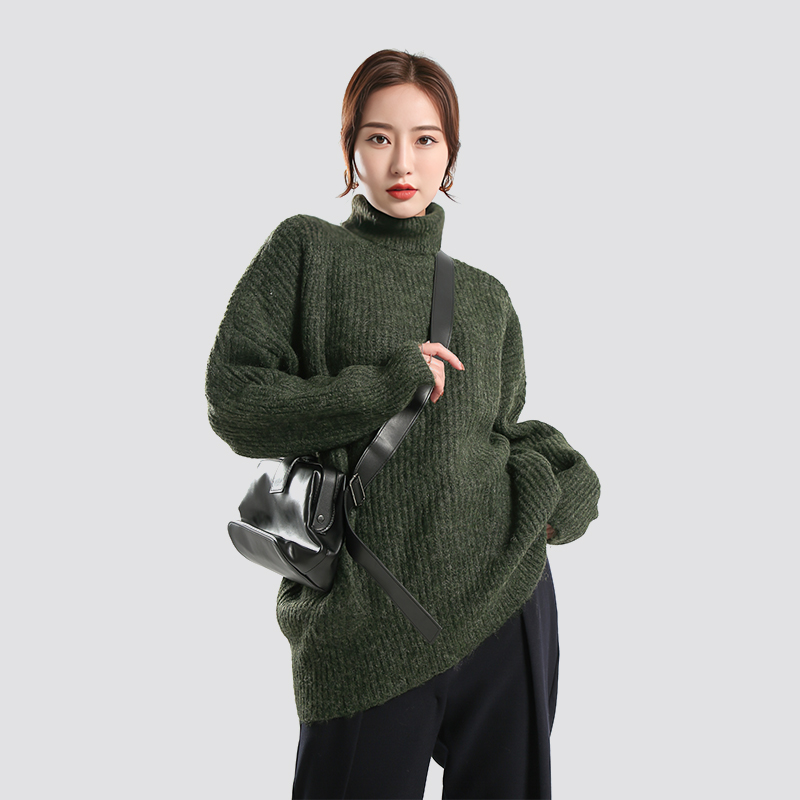
Cashmere handfeel Dark Green Wool Sweater
-
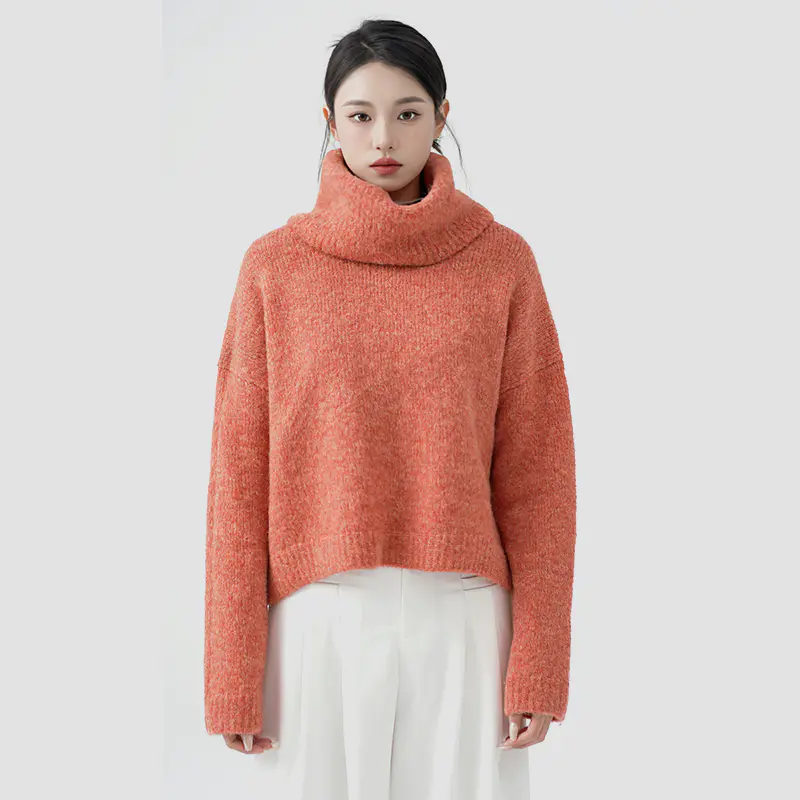
Orange Loose Neck Pullover Sweater
-
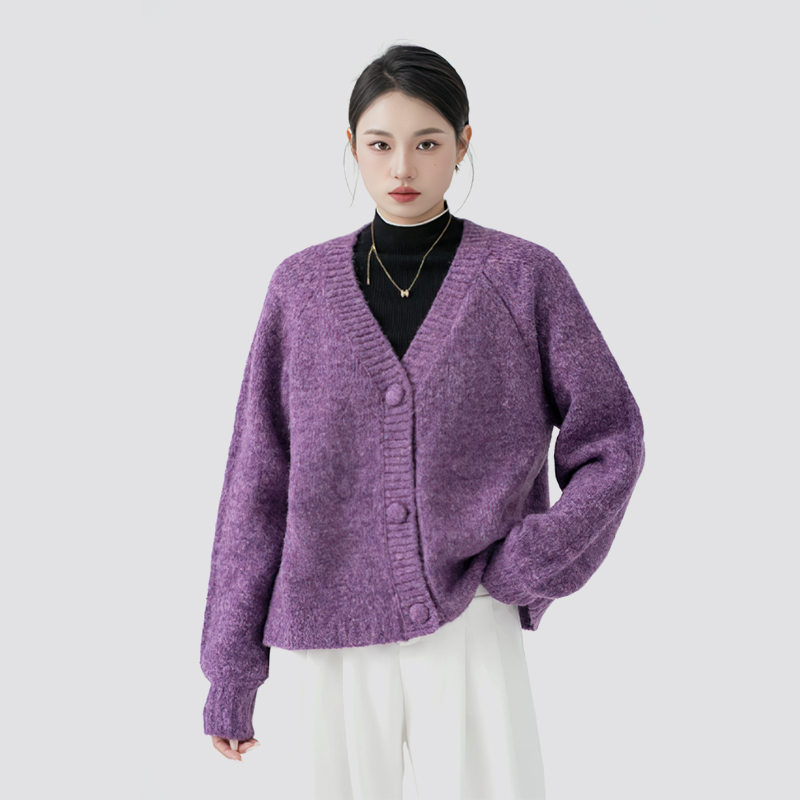
Romantic Purple Cardigan
-
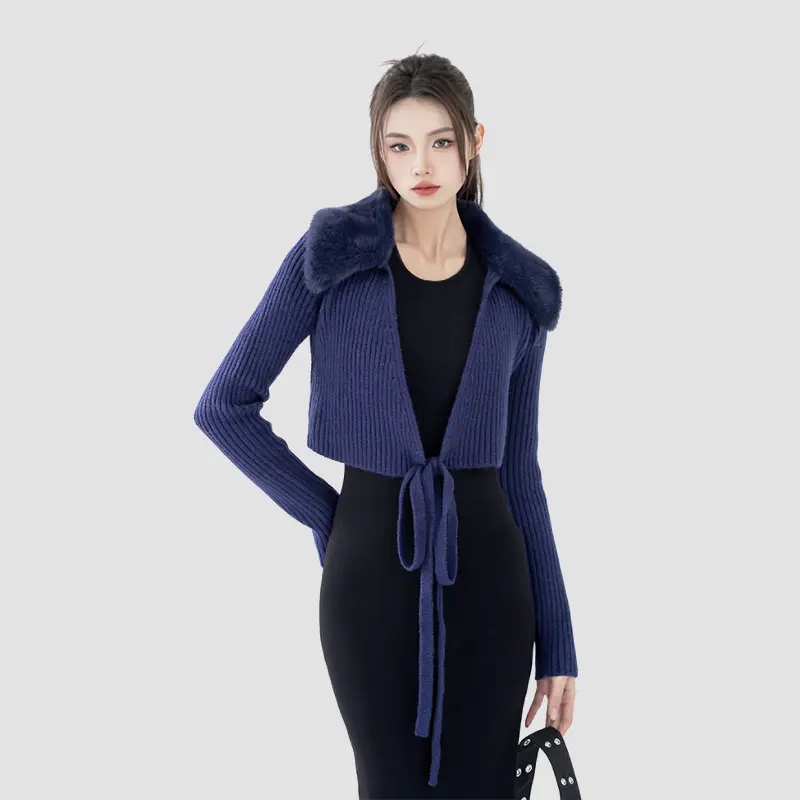
Fur Lapel Lace-up Cardigan
-

Cut Out Knitted Tank Top
-
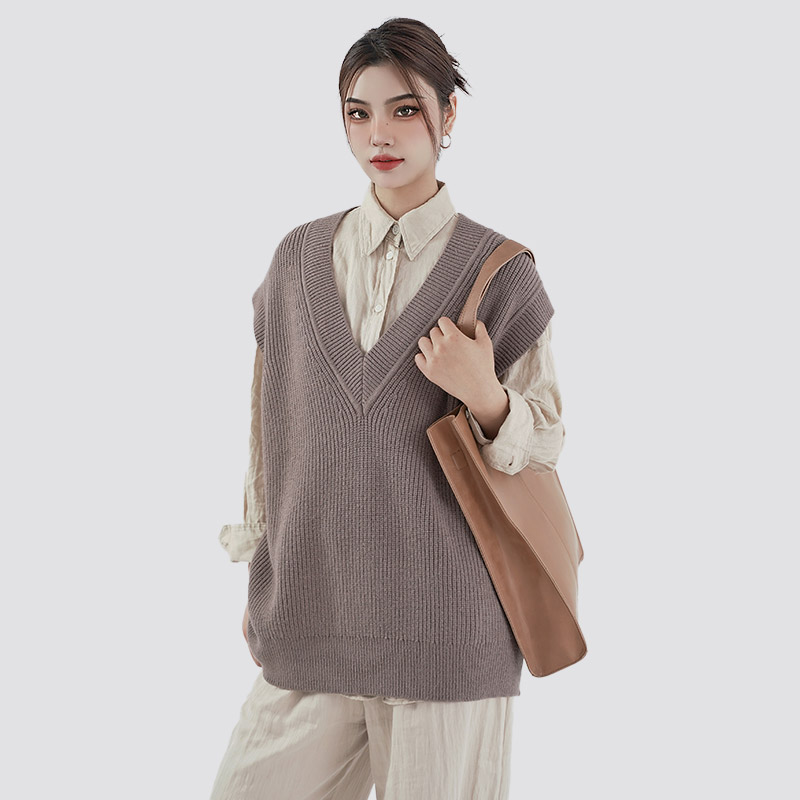
V-Neck Knitted Tank Top
-

Swing Sweater Dress With Nipped Waist
-
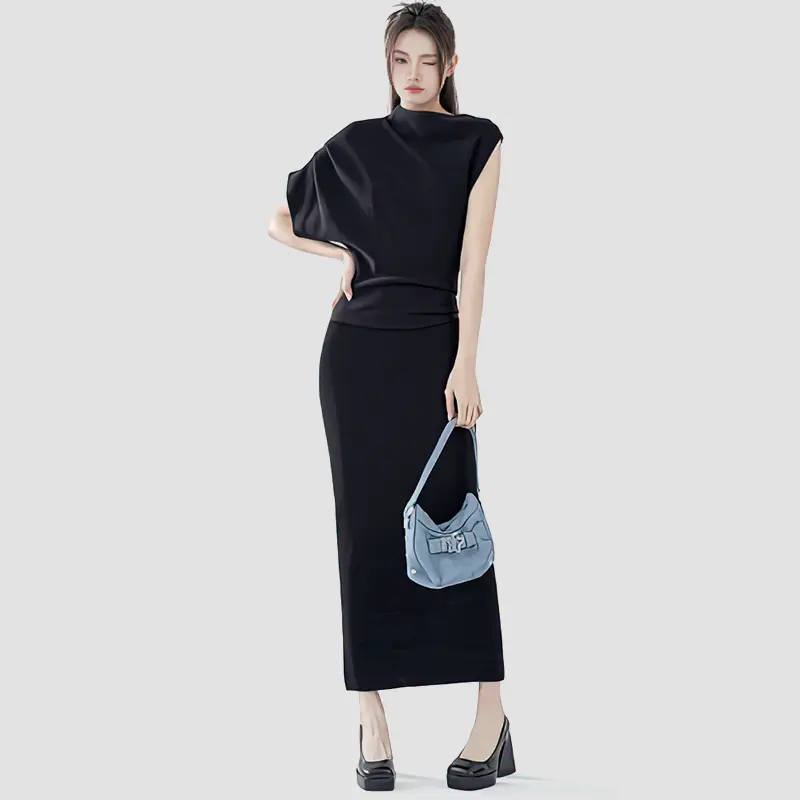
Stylish Asymmetrical Knit Long Dress
-
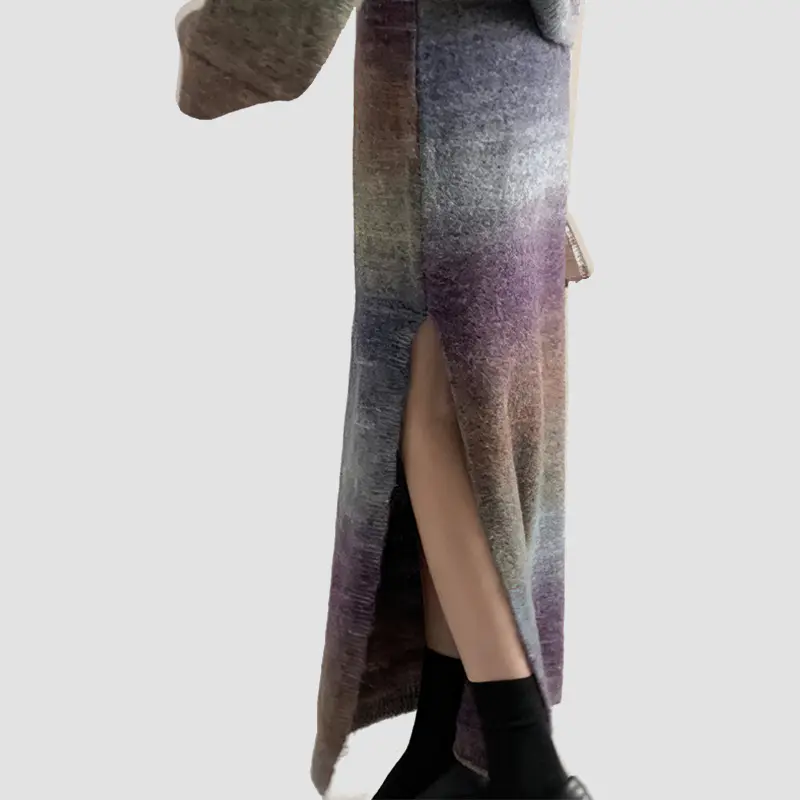
Gradient Color Side Split Half-Length Skirt
-
Black A-line Skirt
-

Thin Ice Silk Slimming Leggings
-

Draped Striped Loose Pants


-

Tel: +86-13913661100
-

Email: frank@sofiafashion.com
-

Add: No.886, Minfeng Road, Xushi Street, Dongbang Town, Changshu, Jiangsu, China
© 2023 Sofia Group. All rights reserved Design Custom Women's Knitted Sweaters Manufacturers
