


 English
 中文简体
中文简体 Español
Jacket or Sweater? Key Differences, Materials, and How to Choose
You are standing in front of your closet on a chilly morning, trying to decide between a structured jacket and a soft sweater. It is one of those everyday choices that seems simple until you start thinking about it. The real difference between a jacket and a sweater comes down to how they are made: a jacket is a woven outer layer built to block wind and weather, while a sweater is a knitted garment designed to trap your body heat. This fundamental distinction in construction drives everything else — how they fit, how they feel, what they are used for, and how you should care for them. As a knitwear manufacturer, we will walk you through the practical differences and help you choose with confidence.
Content
What Is a Sweater?
A sweater is a knitted garment made from yarn, created by interlocking loops of fiber into a flexible, stretchy fabric. Unlike woven materials that cross threads at right angles, knitted loops give sweaters natural elasticity and a soft, draped feel. The primary job of a sweater is insulation — it creates a layer of trapped air between the fibers that slows heat loss and keeps your body warm.
Because of the knitting process, sweaters come in several distinct formats. The most common is the pullover, which you slip over your head. Cardigans open down the front with buttons or a zipper, while turtlenecks add a high collar for extra neck warmth. Cable knit sweaters feature textured patterns created by crossing stitches, and fine knits use thinner yarns for a smoother, more refined look. Each type offers a slightly different fit and warmth profile, but they all share that defining knitted structure. If you want to see the range of possibilities, browse our knitwear collection to explore how loop structure shapes style and function.
What Is a Jacket?
A jacket is an outerwear garment typically made from woven fabric — cloth constructed by interlacing warp and weft threads at right angles. This creates a dense, stable, and relatively inflexible material that resists wind and sheds light rain or snow. Jackets are designed to be worn as the outermost layer, protecting you from the elements rather than simply keeping you warm indoors.
Jackets come in many familiar forms: bombers with ribbed cuffs and waistbands, denim jackets made from heavy cotton twill, leather jackets prized for durability and style, windbreakers built from lightweight synthetic materials, and puffer jackets filled with down or synthetic insulation. What unites them all is their construction: woven fabric, a front opening with a zipper or buttons, pockets, and a more structured silhouette that holds its shape rather than draping loosely over the body.
Key Differences Between a Jacket and a Sweater
The distinction between a jacket and a sweater goes far beyond surface appearance. While a cardigan might look like a jacket at first glance, the differences in construction are substantial. The following table summarizes the core differences across the six dimensions that matter most.
| Factor | Sweater | Jacket |
|---|---|---|
| Fabric construction | Knitted (interlocking loops) | Woven (interlaced threads) |
| Primary warmth mechanism | Insulation (traps body heat) | Wind protection (blocks airflow) |
| Closure type | Pullover or cardigan (buttons/zip) | Zipper or buttons, front opening |
| Material form | Yarn (wool, cotton, cashmere, acrylic) | Fabric (denim, leather, nylon, polyester) |
| Weight and structure | Lighter, softer, drapes on body | Heavier, stiffer, holds its shape |
| Typical layering position | Middle layer (over a shirt, under outerwear) | Outer layer (final layer against the elements) |
These differences are not arbitrary. They stem directly from the physics of how knitted and woven fabrics behave. Understanding this helps you choose the right garment for the right moment.
Construction: Knitted vs Woven Fabric
Why does a sweater stretch when you pull on it, while a jacket holds its shape and resists deformation? The answer lies in the fundamental geometry of the fibers.
Think of a knitted sweater as a suit of chainmail. Each loop of yarn links through its neighbors, creating a structure with natural give. When you stretch it, the loops simply rearrange themselves, and when you release, they spring back. This elasticity makes sweaters comfortable, form-fitting, and easy to move in. The downside is that air can pass through the gaps between loops, which means wind can penetrate a sweater relatively easily.
A woven jacket is more like a shield. Warp threads run lengthwise, weft threads run crosswise, and they intersect in a tight, regular grid. That dense structure blocks airflow far more effectively than knitted loops ever could. But it also means limited stretch — a woven jacket will not move with your body the way a sweater does. This is why jacket designs often include gussets, articulated elbows, or stretch panels to restore some mobility.
Warmth Mechanism: Insulation vs Wind Protection
Both garments keep you warm, but they do so through completely different mechanisms. A sweater works by insulation. The spaces between the fibers trap air, and since air is a poor conductor of heat, that trapped layer slows the transfer of warmth from your body to the outside. Wool, in particular, excels at this because its natural crimp creates billions of tiny air pockets. Wool fibers also absorb moisture vapor from your skin and release heat in the process — a phenomenon called heat of sorption — which is why a wool sweater can feel warm even when slightly damp.
A jacket, by contrast, keeps you warm by blocking wind. When wind blows across your skin, it strips away the warm air layer clinging to your body, accelerating heat loss dramatically. A tightly woven jacket prevents the wind from reaching that layer in the first place. The trade-off is that a jacket alone provides very little insulation unless it is lined or filled. A thin windbreaker will stop the wind, but it will not keep you warm on its own — you still need a sweater or fleece beneath it.
This is why the smartest cold-weather strategy combines both: a sweater to generate and trap heat, and a jacket to shield it from the wind.
Closure and Silhouette
If you are trying to identify whether a garment is a jacket or a sweater, the closure and silhouette offer strong clues, but they also create the most confusion. Jackets almost always have a front opening with a zipper or buttons, and a structured silhouette with defined shoulders and a tailored cut. They are designed to be worn open or closed, often with room for layers underneath.
Sweaters, however, do not follow a single rule. Pullovers have no front opening at all — you slip them over your head. Cardigans have a front opening with buttons or a zipper, which makes them look similar to jackets. The key is to look at the fabric: a cardigan still drapes and stretches because it is knitted, while a jacket holds its shape because it is woven. Collar types also change the look and function. A cardigan with a shawl collar dresses up easily, while a crew-neck pullover stays casual. For a deeper look at how different collars affect the overall appearance of knitwear, see how collar types change a knitwear look.
Jacket vs Sweater: Which Should You Choose?
Choosing between a jacket and a sweater requires you to consider three factors: weather, occasion, and styling needs. Here is a practical decision framework.
- Weather conditions: On a dry, cold day with little wind, a sweater handles the job comfortably. When it is windy, rainy, or snowy, a jacket — or a sweater layered under a jacket — is the better choice because it blocks the elements.
- Activity level: If you will be moving around or switching between indoor and outdoor settings, a sweater is easier to take off and carry. For stationary outdoor activity like waiting for a bus or sitting on a patio, a jacket offers more protection.
- Occasion and dress code: In an office or a dinner setting, a fine-knit sweater reads as smart and polished. For casual outings, commuting, or outdoor sports, a jacket has a more rugged, practical appeal.
- Layering plan: If you like building outfits in layers, treat a sweater as your warm middle layer and a jacket as your protective outer shell. A thin pullover fits under a jacket without adding bulk. For everyday versatility, find your everyday pullover
 Design Custom Knitted Pullover Manufacturers, OEM/ODM FactoryAs China OEM/ODM Knitted Pullover Manufacturers and Custom Knitted Pullover Factory, Sofia Group offer Design Custom Knitted Pullover for...View Product → to anchor your cold-weather layering.
The chart below illustrates the fastest way to decide based on the most decisive factors.
- Dry, still air, mild cold → Sweater alone
- Windy or rainy conditions → Jacket (with a sweater beneath if temperatures drop)
- Indoor or semi-formal setting → Sweater
- Outdoor, commuting, or sports → Jacket
- Maximum versatility with minimal bulk → Thin sweater under a midweight jacket
Can You Wear a Sweater Under a Jacket?
Yes, and it is one of the most effective cold-weather strategies available. A sweater under a jacket gives you both insulation and wind protection, covering the strength of each garment. The key is choosing the right combination to avoid looking bulky or restricted.
Thin knits work best for layering. A fine-gauge turtleneck or a smooth crew-neck pullover adds warmth without visible bulk, allowing your jacket to close comfortably. Avoid chunky cable knits under a slim-fit jacket — they add so much volume that the jacket cannot close properly, and the combination ends up feeling stiff and uncomfortable. A V-neck or crew-neck sweater under a bomber or denim jacket creates a classic, relaxed silhouette that works for both casual and smart-casual settings.
If you want to refine your layering technique, discover layering techniques for knitwear that help you build stylish interchangeable outfits for all kinds of weather.
Sweater Care Tips: Keep Your Knitwear in Shape
Because sweaters are knitted, they require more careful maintenance than woven jackets. The loops that give them elasticity can also be stretched, snagged, or distorted if handled roughly. Here are the essential care rules to keep your knitwear looking new for years.
- Wash by hand or use a gentle cycle: Hot water and agitation cause wool and other animal fibers to felt, shrinking the garment permanently. Use cold water and a mild detergent specifically designed for knitwear.
- Dry flat, never hang: Hanging a wet sweater stretches it under its own weight, pulling the shoulders out of shape. Lay it flat on a clean towel, shape it gently, and let it dry at room temperature.
- Fold for storage: Even when dry, hanging a sweater on a hanger can create permanent bumps or stretching at the shoulders. Fold it and store it in a drawer or on a shelf. If you are uncertain about hanging versus folding, learn how to properly fold knitted sweaters to protect your investment.
- Use a fabric shaver for pilling: Small fuzz balls on the surface are a normal sign of friction, not a defect. Gently remove them with a fabric shaver to restore a smooth, clean look.
Conclusion
The difference between a jacket and a sweater is a difference in construction, and that determines everything else. A sweater is knitted — made from interlocking yarn loops that stretch, drape, and trap warm air close to your body. A jacket is woven — built from dense interlaced threads that block wind and stand up to the weather. When deciding, think first about the conditions you will face: dry and still favors a sweater, windy and wet calls for a jacket. And when the temperature really drops, remember that you do not have to choose. A good sweater under a well-made jacket is the most effective combination you can own. For a closer look at what a quality knitwear manufacturer can produce, explore our knitted sweater collection and you will see the difference that careful loop construction makes.
Recommended Products
-

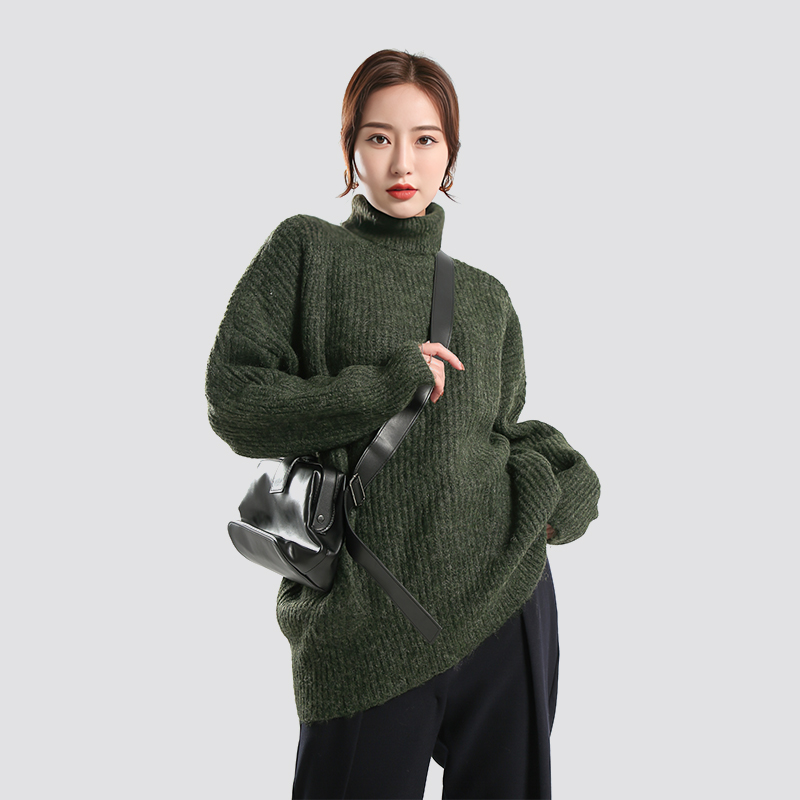
Cashmere handfeel Dark Green Wool Sweater
-
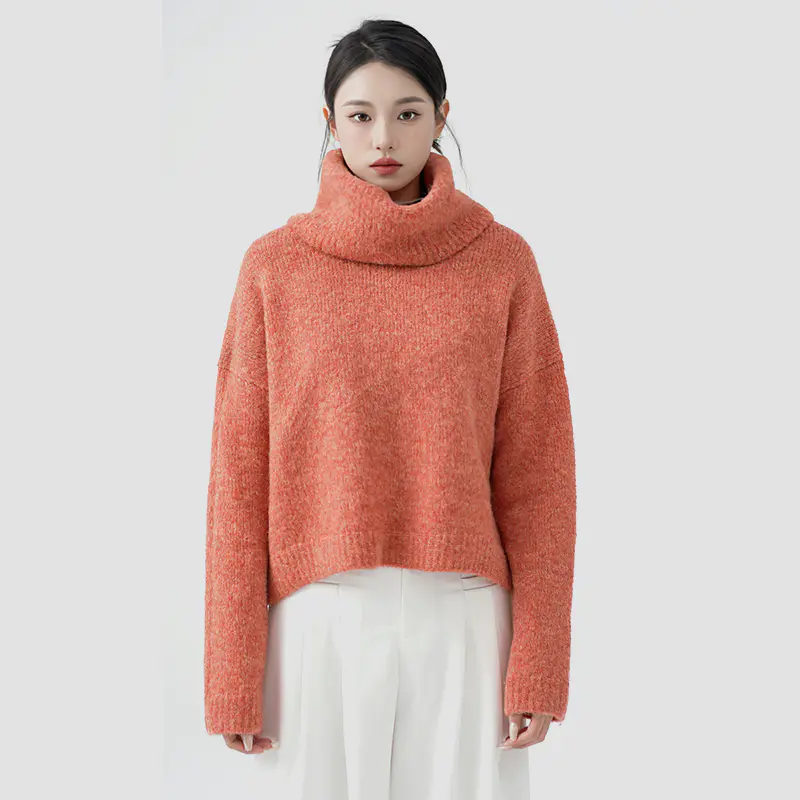
Orange Loose Neck Pullover Sweater
-
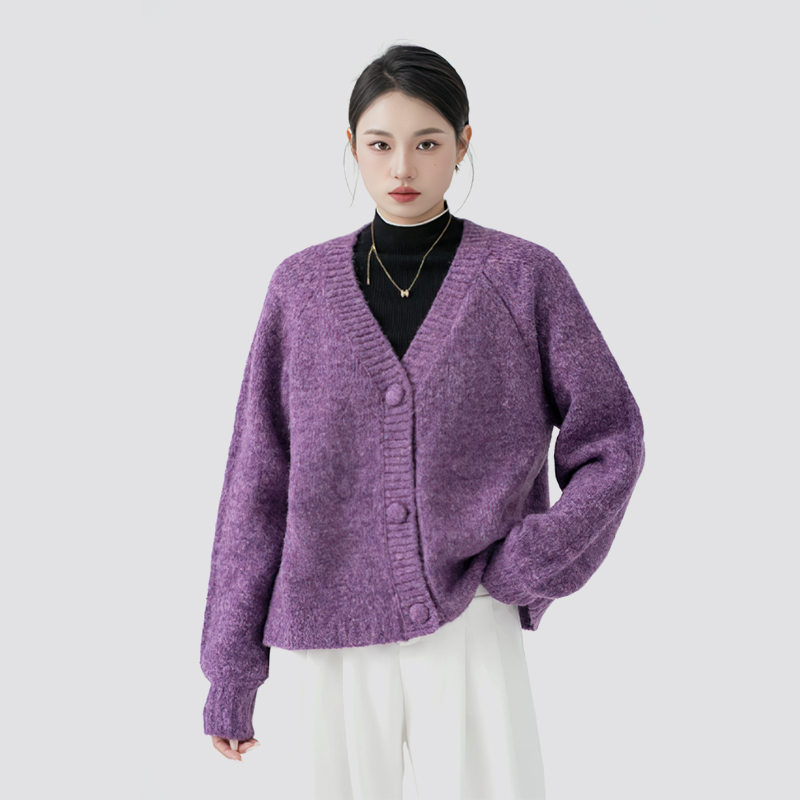
Romantic Purple Cardigan
-
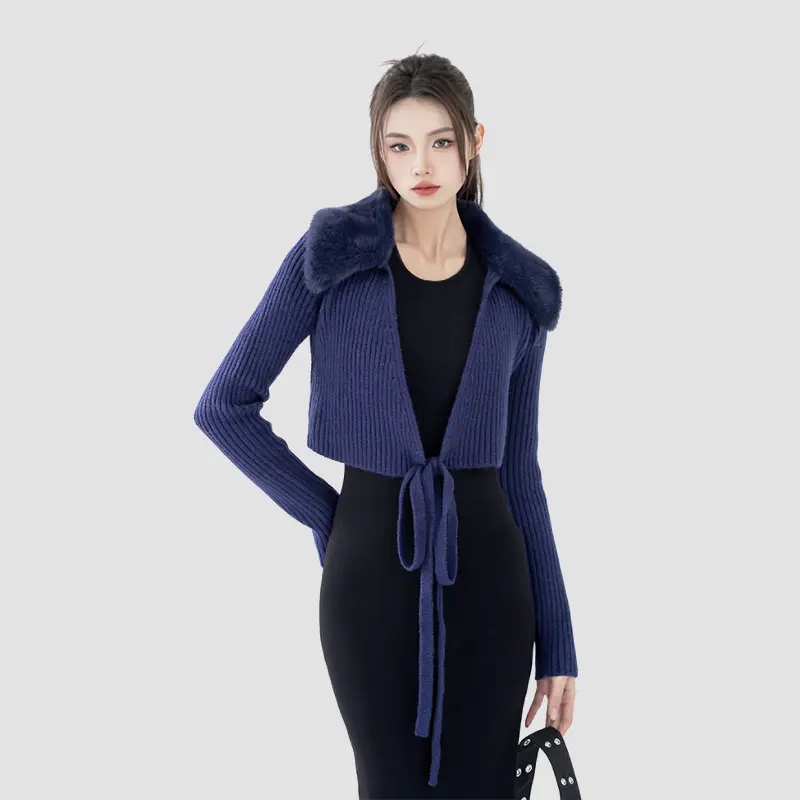
Fur Lapel Lace-up Cardigan
-
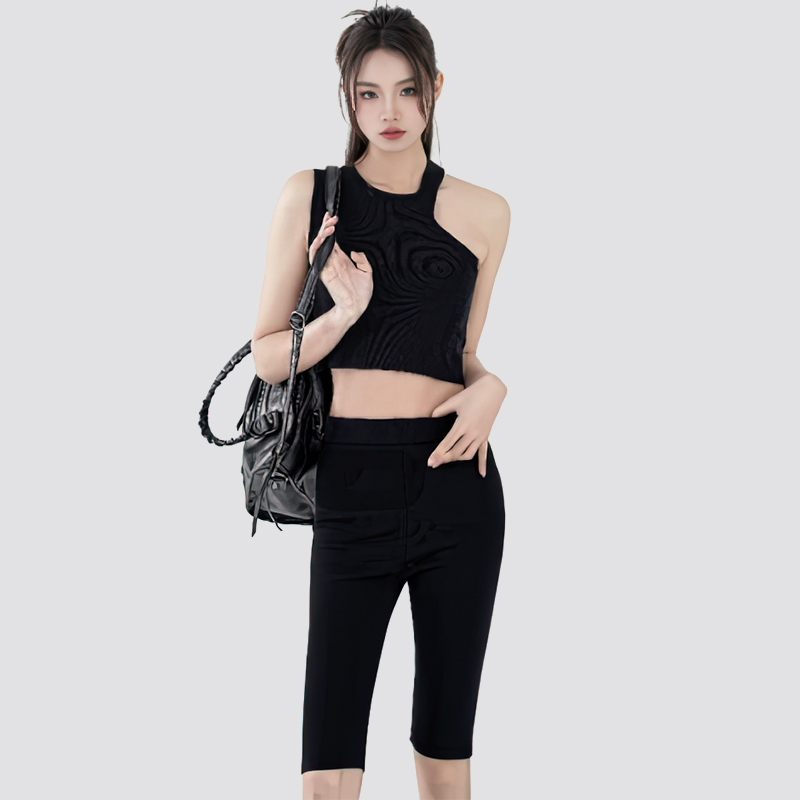
Cut Out Knitted Tank Top
-
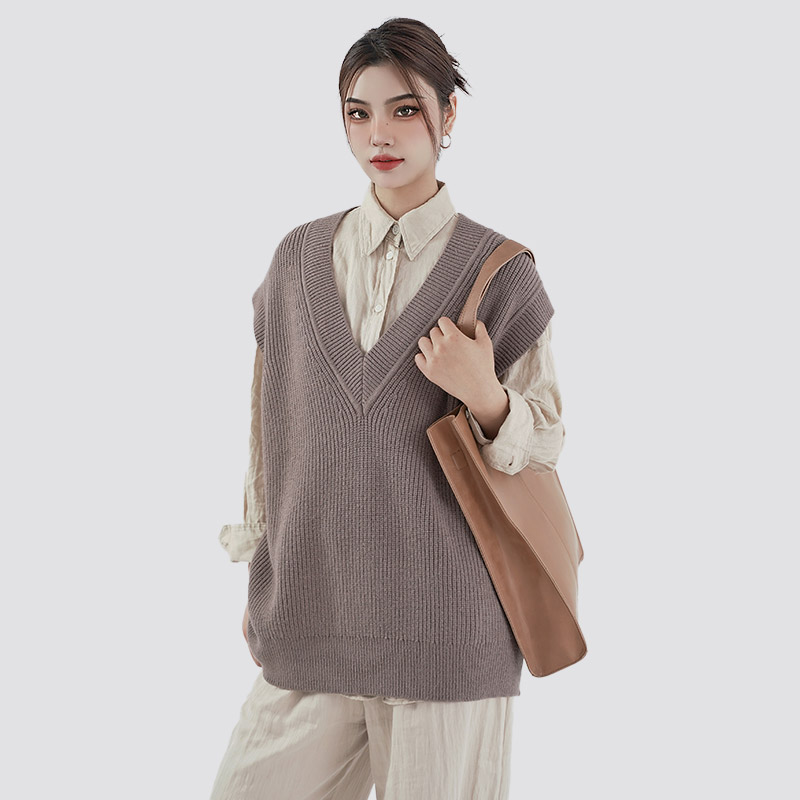
V-Neck Knitted Tank Top
-
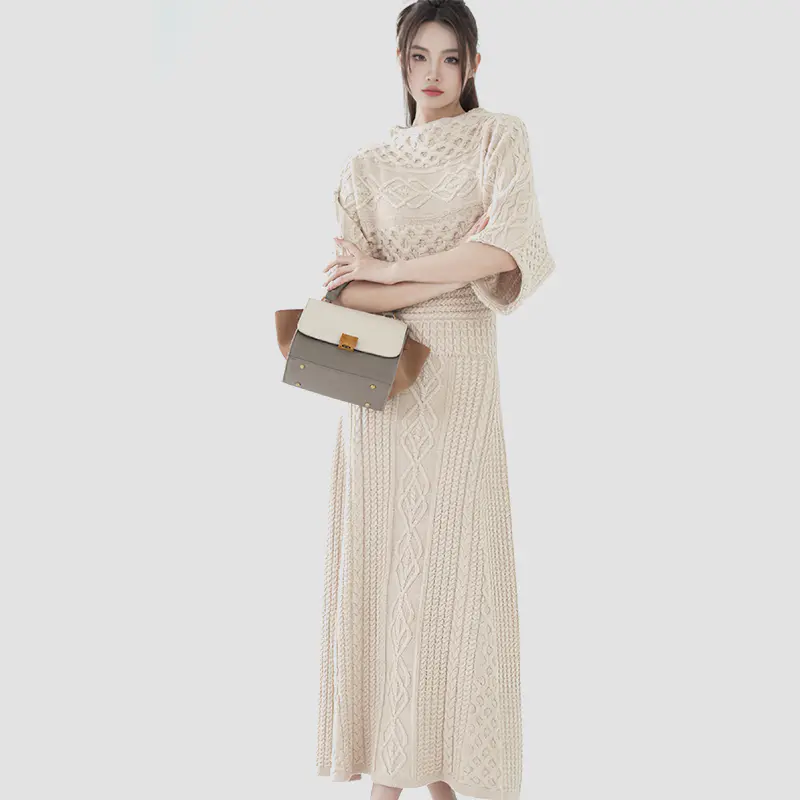
Swing Sweater Dress With Nipped Waist
-
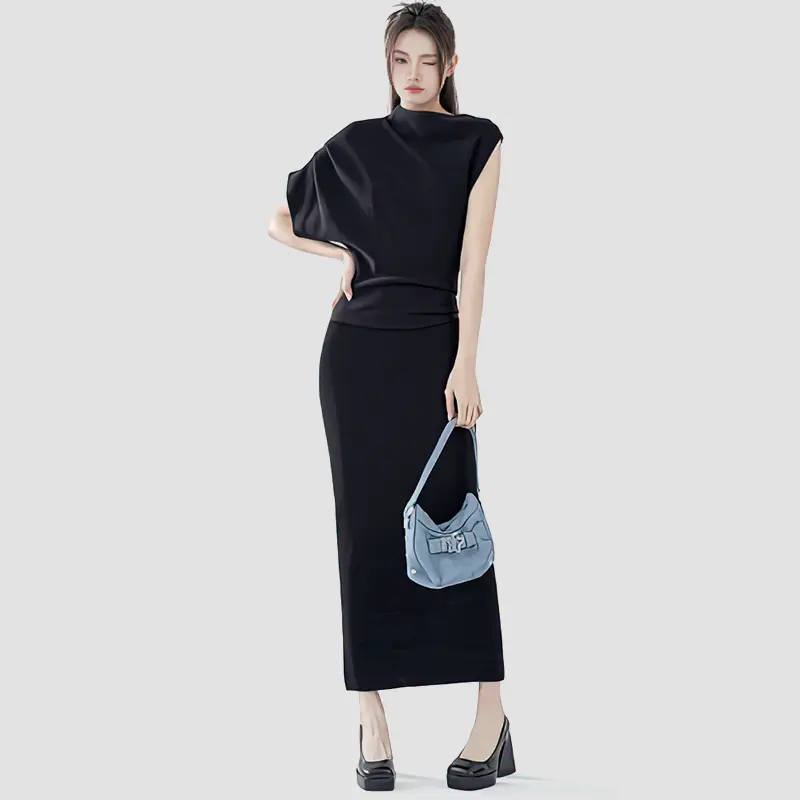
Stylish Asymmetrical Knit Long Dress
-
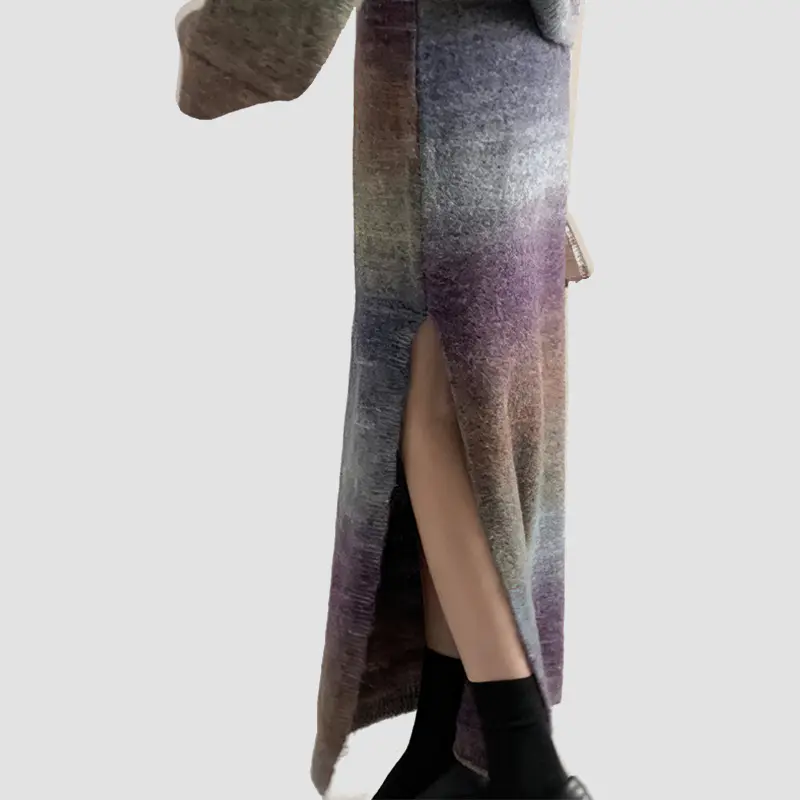
Gradient Color Side Split Half-Length Skirt
-
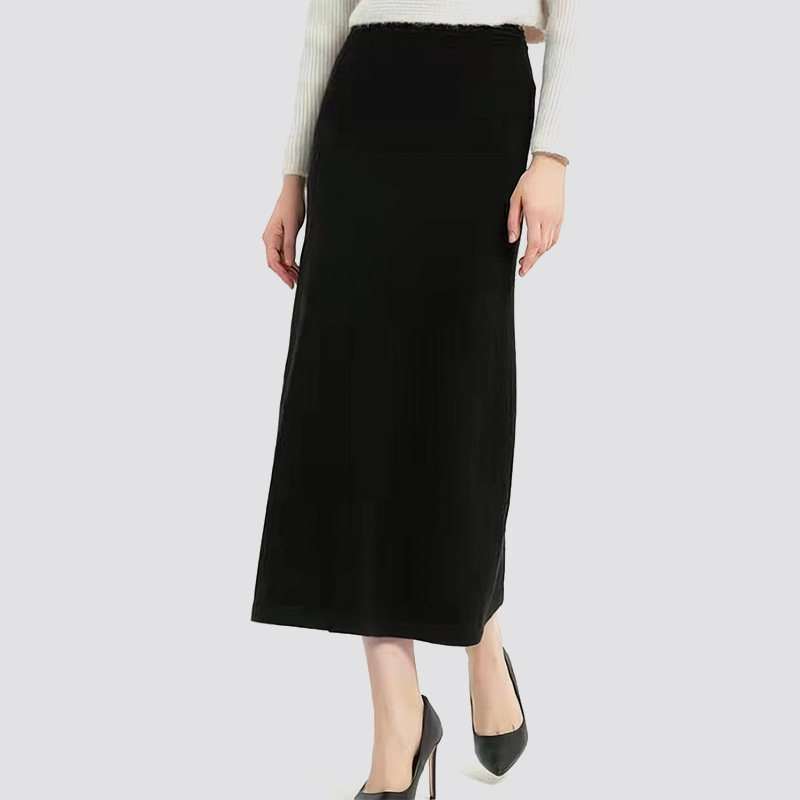
Black A-line Skirt
-
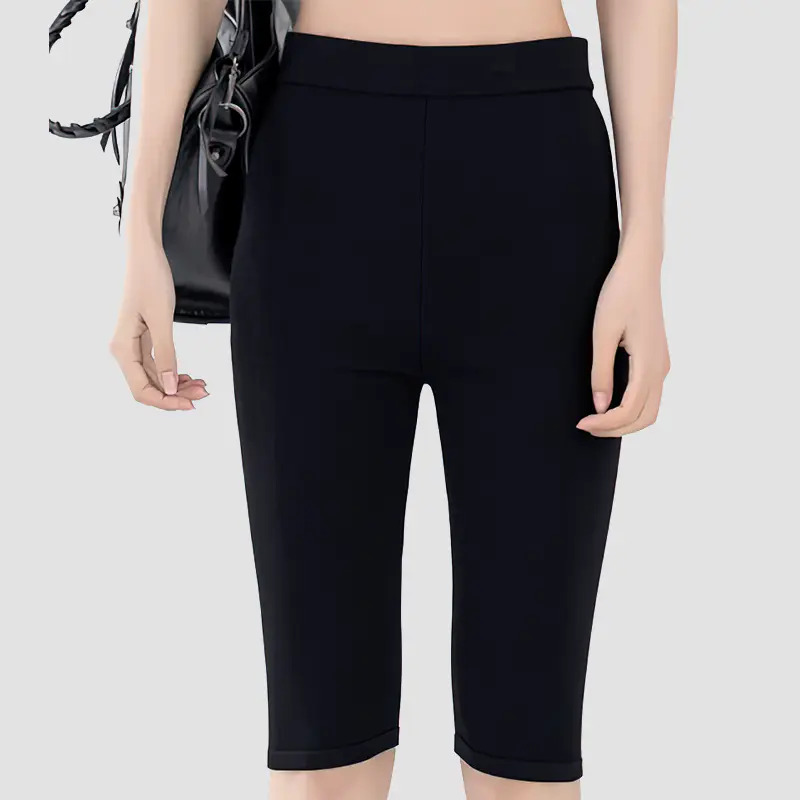
Thin Ice Silk Slimming Leggings
-
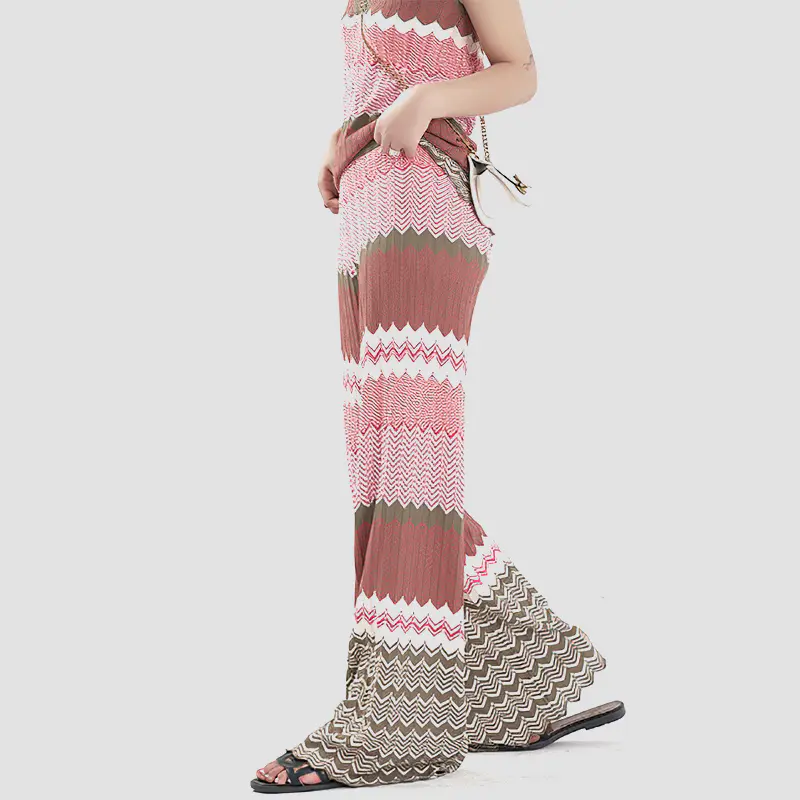
Draped Striped Loose Pants


-

Tel: +86-13913661100
-

Email: frank@sofiafashion.com
-

Add: No.886, Minfeng Road, Xushi Street, Dongbang Town, Changshu, Jiangsu, China
© 2023 Sofia Group. All rights reserved Design Custom Women's Knitted Sweaters Manufacturers
