


 English
 中文简体
中文简体 Español
Knitted Cardigan Guide: Styles, Fabrics & How to Wear Them
A knitted cardigan is one of the most functional and enduring garments in any wardrobe. It layers over anything, transitions across seasons, and comes in enough styles and yarns to suit casual weekend wear, smart office dressing, and everything in between. Whether you're buying your first one or refining a collection, understanding construction, fiber, and fit will help you choose a cardigan that actually gets worn — not one that sits unused at the back of a drawer.
Content
- 1 What Makes a Cardigan a Cardigan
- 2 Types of Knitted Cardigans: Styles and Silhouettes
- 3 Yarn and Fiber: How Material Affects Warmth, Weight, and Wear
- 4 Knit Structures and Stitch Patterns That Define the Look
- 5 How to Get the Right Fit
- 6 How to Style a Knitted Cardigan: Outfit Approaches That Work
- 7 Caring for a Knitted Cardigan to Make It Last
- 8 What to Look for When Buying: A Practical Checklist
What Makes a Cardigan a Cardigan
A cardigan is defined by a single structural feature: it opens fully at the front, typically with buttons, a zip, or no fastening at all. This distinguishes it from a pullover sweater, which is pulled on over the head. The knitted cardigan specifically refers to garments constructed through knitting — either by hand or machine — as opposed to woven or crocheted alternatives.
The knit structure gives the cardigan its characteristic stretch, drape, and breathability. Unlike woven fabric, knitted fabric is formed by interlocking loops of yarn, which means it moves with the body, recovers its shape after stretching, and traps air for warmth. These properties explain why knitted cardigans remain a staple across genders, age groups, and climates.
The name itself comes from James Thomas Brudenell, the 7th Earl of Cardigan, who is credited with popularizing the open-fronted knitted jacket in the 1850s during the Crimean War — originally as a practical military layer worn under uniform jackets.
Types of Knitted Cardigans: Styles and Silhouettes
The cardigan category is broad. Knowing the key silhouette types makes it easier to identify what works for your wardrobe and body shape before purchasing.
| Style | Key Feature | Best For | Typical Length |
|---|---|---|---|
| Classic Button-Front | Button placket, fitted or relaxed | Everyday wear, smart-casual | Hip length |
| Longline / Duster | Falls to knee or below | Layering, transitional seasons | Knee to midi |
| Cropped Cardigan | Ends at or above waist | High-waisted bottoms, casual styling | Above hip |
| Oversized / Boxy | Relaxed, dropped shoulders | Casual, loungewear, streetwear | Hip to thigh |
| Waterfall / Open Front | No buttons, draped lapels | Relaxed layering, office casual | Hip to knee |
| Chunky Knit Cardigan | Thick yarn, visible stitch pattern | Winter warmth, textural styling | Hip to thigh |
| Twin Set Cardigan | Paired with matching shell top | Smart-casual, classic styling | Hip length |
The Chunky Knit Cardigan
The chunky knit cardigan has been one of the most commercially dominant knitwear styles since approximately 2018, driven by the rise of Scandinavian-influenced fashion and the global popularity of "hygge" dressing. Chunky cardigans are knitted using bulky or super-bulky weight yarn — typically rated 5 or 6 on the yarn weight scale — and often feature cable stitch, moss stitch, or rib patterns that make the texture a central design element rather than a background detail.
The Longline Cardigan
A longline or duster cardigan falls to the knee or below and functions almost as a coat substitute in transitional weather. When knitted in a medium-weight yarn with an open-front design, it layers comfortably over dresses, wide-leg trousers, and jeans. The key to wearing a longline cardigan well is proportion: pair it with fitted or tapered pieces underneath to avoid adding bulk throughout the entire silhouette.
Yarn and Fiber: How Material Affects Warmth, Weight, and Wear
The fiber a knitted cardigan is made from determines almost everything about how it performs — how warm it keeps you, how it feels against skin, how it washes, and how long it lasts. Fiber content is the single most important specification to check before buying.
Wool and Merino Wool
Wool is the traditional and still-preferred fiber for knitted cardigans. It is naturally temperature-regulating, meaning it keeps you warm in cold conditions and cooler in mild temperatures than synthetic alternatives. Merino wool is the premium choice within the wool category: its fiber diameter of 17–24 microns (compared to standard wool at 25–40 microns) means it sits below the threshold at which wool causes skin irritation — making it wearable directly against the skin for most people. A 100% merino cardigan is genuinely comfortable worn without a base layer.
Cashmere
Cashmere, harvested from the undercoat of cashmere goats, is approximately eight times warmer than sheep's wool by weight and significantly softer. A high-quality cashmere cardigan — typically defined as using yarn from the first or second shearing with a fiber diameter below 16 microns — is one of the most luxurious knitted garments available. However, pure cashmere pills more readily than wool blends, and cardigans labeled as cashmere with suspiciously low prices often contain as little as 10% cashmere blended with acrylic or nylon. Check the full fiber composition before purchasing.
Cotton and Cotton Blends
Cotton knitted cardigans are the go-to choice for spring and summer layering. Cotton knit is breathable, hypoallergenic, and machine washable in most cases — practical advantages over wool. The trade-off is that pure cotton has no natural elasticity, which means cotton knitwear can lose its shape more readily than wool. Blending cotton with a small percentage of elastane (2–5%) or nylon improves shape retention significantly without compromising breathability.
Acrylic and Synthetic Fibers
Acrylic cardigans are the most affordable option and offer genuine practical advantages: they are fully machine washable, resistant to moths, and colorfast. Modern acrylic yarns have improved significantly — a high-quality acrylic can feel soft and look visually similar to wool. The primary disadvantage is breathability: acrylic does not regulate temperature as effectively as natural fibers and can feel clammy in warmer conditions. For budget-conscious buyers or those who prioritize easy care, an acrylic-wool blend (typically 50–80% acrylic) offers a practical middle ground.
| Fiber | Warmth | Softness | Durability | Care | Season |
|---|---|---|---|---|---|
| Merino Wool | High | Very High | High | Hand/machine cold | Autumn–Spring |
| Cashmere | Very High | Exceptional | Medium | Hand wash / dry clean | Autumn–Winter |
| Cotton | Low | High | High | Machine wash | Spring–Summer |
| Acrylic | Medium | Medium | Very High | Machine wash | Year-round |
| Alpaca | Very High | Very High | Medium | Hand wash | Autumn–Winter |
| Linen Blend | Very Low | Medium | High | Machine wash | Spring–Summer |
Knit Structures and Stitch Patterns That Define the Look
The stitch pattern is the visual language of a knitted cardigan. Beyond choosing a color, the knit structure determines texture, drape, and how formal or casual the garment reads.
Rib Knit
Ribbing — alternating knit and purl stitches in vertical columns — creates a fabric with strong horizontal elasticity. It is most often seen at cuffs, hems, and neckbands, but full-rib cardigans (typically in a 2x2 or 1x1 rib) offer a streamlined, body-hugging fit that works well under tailored outerwear. Rib knit cardigans in fine merino are a staple of smart-casual and business-casual wardrobes.
Cable Knit
Cable knit cardigans feature twisted rope-like patterns created by crossing groups of stitches over each other. The technique originated in Aran Islands knitwear from the early 20th century, and traditional Aran cable cardigans remain highly sought-after both as garments and as cultural objects. Cable knit adds significant visual texture and also traps more air between the yarn layers, making it one of the warmest knit structures per millimeter of fabric thickness.
Fair Isle and Intarsia Patterns
Fair Isle is a stranded colorwork technique originating from Shetland, Scotland, that uses two or more colors per row to create repeating geometric patterns. Intarsia is a similar multi-color technique but uses separate yarn sections rather than carrying yarn across the back. Both create cardigans that function as wearable statement pieces. Fair Isle cardigans saw a major revival in the 2010s and remain consistent sellers in autumn and winter collections from brands including Barbour, Ralph Lauren, and Howlin'.
Moss and Seed Stitch
Moss stitch and seed stitch create a textured, nubbled surface by alternating knit and purl stitches in a checkerboard arrangement. The result is a flat fabric with visual depth — less directional than rib and less sculptural than cable — that reads as quietly refined. Moss stitch cardigans in neutral tones are a practical choice for anyone who wants texture without pattern.
How to Get the Right Fit
Fit is where most cardigan purchases go wrong. Knitwear sizing is less standardized than woven garments, and the intended fit — whether oversized, relaxed, or fitted — varies significantly by brand and style. Getting fit right is more important than size label.
Shoulder Seam Position
The shoulder seam is the primary fit indicator. On a fitted or regular cardigan, the seam should sit at the edge of the shoulder — at the point where the shoulder meets the arm. If it drops onto the upper arm, the cardigan is too large in the body. For an intentionally oversized cardigan, a dropped shoulder seam is part of the design, but it should drop evenly and consistently, not asymmetrically.
Body Length and Proportions
Cardigan length interacts with the rest of your outfit. As a general guide:
- Hip-length cardigans work with most trouser and skirt combinations and are the most versatile everyday length.
- Cropped cardigans that end at or just above the natural waist are best paired with high-waisted trousers, skirts, or jeans to avoid creating a visually shortened torso.
- Longline cardigans work best when the pieces underneath are fitted or streamlined. Wide-leg trousers under a longline cardigan can work well, but bulky layers underneath will read as shapeless.
Sleeve Length
Sleeves on a well-fitted cardigan should reach the wrist bone when the arm hangs naturally. Sleeves that end mid-forearm make the garment look either too small or poorly proportioned. For oversized cardigans worn as a fashion statement, sleeves that extend slightly past the wrist and bunch at the cuff are an accepted stylistic choice — but this should be intentional, not accidental.
How to Style a Knitted Cardigan: Outfit Approaches That Work
A knitted cardigan's most valuable styling quality is its ability to work across multiple dress codes. The same garment can read differently depending on what it's paired with — and understanding those pairings makes the cardigan one of the most cost-efficient wardrobe investments available.
Cardigan Over a Collared Shirt
Layering a fine-knit or mid-weight cardigan over a collared shirt — whether an Oxford button-down, a poplin shirt, or a turtleneck — is one of the most consistently useful combinations in a cardigan's styling range. The collar visible above or beneath the cardigan neckline adds structure and formality, making this approach suitable for office environments, smart-casual social occasions, and autumn dressing. Keep the cardigan buttoned for a neater line, or open over a shirt tucked into tailored trousers for a relaxed but put-together result.
The Cardigan as a Top
Wearing a cardigan fully buttoned as a standalone top — without a visible layer underneath — became widely popular following its prominent appearance in Taylor Swift's "cardigan" music video in 2020, which directly drove a measurable spike in knitwear searches and sales across multiple platforms that year. This approach works best with a fine-knit or ribbed cardigan in a solid color, tucked slightly into high-waisted skirts or trousers. The cardigan needs to fit well across the chest for this to look intentional rather than underdressed.
Casual Layering Over a T-Shirt or Vest
An oversized or relaxed-fit cardigan thrown open over a plain T-shirt and jeans is the most low-effort version of cardigan styling and remains one of the most popular. The key is proportion: if the cardigan is chunky or oversized, keep the underneath layer slim and tucked in if possible. An oversized cardigan over a baggy T-shirt with wide-leg jeans accumulates too much volume across the body.
Cardigan with a Dress
A longline dress layered under a hip-length or longline cardigan extends the wearable season of summer dresses into cooler months without requiring a full outfit change. Knitted cardigans in neutral tones — oatmeal, ecru, grey, camel — work across most dress colors and patterns without competing with the print below.
Caring for a Knitted Cardigan to Make It Last
Poor care is the most common reason a good knitted cardigan deteriorates early. Wool and cashmere especially require specific handling — but even acrylic cardigans benefit from the right approach to maintain their shape and surface.
- Wash less frequently than you think you need to. Wool is naturally odor-resistant and self-cleaning to a degree. Most merino cardigans worn over a base layer only need washing every 5–7 wears. Over-washing accelerates fiber breakdown and pilling.
- Use cold water and a wool-specific detergent. Hot water causes wool fibers to felt — locking together irreversibly and shrinking the garment. Most woolens should be washed at 30°C or below, either by hand or on a delicate machine cycle.
- Never wring or twist the wet cardigan. Excess water should be removed by gently pressing the garment against the side of the sink or rolling it in a clean towel. Twisting distorts the knit structure.
- Dry flat, not on a hanger. Hanging a wet knitted cardigan causes it to stretch under its own weight — particularly at the shoulders and body. Lay it flat on a clean dry surface, reshaping it to its original dimensions while damp.
- Remove pills with a fabric shaver. Pilling — small fiber balls on the surface — is normal, especially in high-friction areas like underarms and sides. A fabric shaver (de-fuzzer) safely removes pills and restores the surface without damaging the underlying knit.
- Store folded, not hung. Long-term hanging causes knitted cardigans to lose their shape at the shoulders. Store folded on a shelf or in a drawer. For natural fiber cardigans, store with cedar blocks or lavender sachets to deter moths.
What to Look for When Buying: A Practical Checklist
Before committing to a purchase — whether in-store or online — these are the specific things worth checking to avoid a cardigan that disappoints after two washes or six months of wear.
- Check the full fiber composition label. "Wool blend" or "cashmere blend" can legally mean as little as 5–10% of the stated fiber. Look for compositions where the premium fiber is at least 50% of the blend.
- Inspect the seams and button attachment. Seams on quality knitwear are linked (looped together) rather than sewn with a sewing machine. Buttons should be sewn with multiple passes of thread, not a single loop that will fail after minimal use.
- Check the weight of the fabric. A cardigan that feels disproportionately light for its size often uses a looser knit structure or lower pile weight yarn — it will stretch out of shape faster under its own weight.
- Look for reinforced pockets. Pockets that are knitted directly into the body (patch pockets or in-seam pockets) are more durable than those sewn onto the surface as an afterthought.
- Test stretch and recovery. Gently stretch a section of the fabric and release it. Quality knitwear should spring back to its original shape almost immediately. Fabric that stays stretched or takes several seconds to recover will lose its shape quickly in regular wear.
- Consider the origin of manufacture. Cardigans produced in countries with strong knitwear traditions — Scotland, Italy (particularly Emilia-Romagna), Portugal, and Japan — generally reflect more consistent quality control in yarn selection, gauge, and finishing than fast-fashion production equivalents at similar price points.
Recommended Products
-
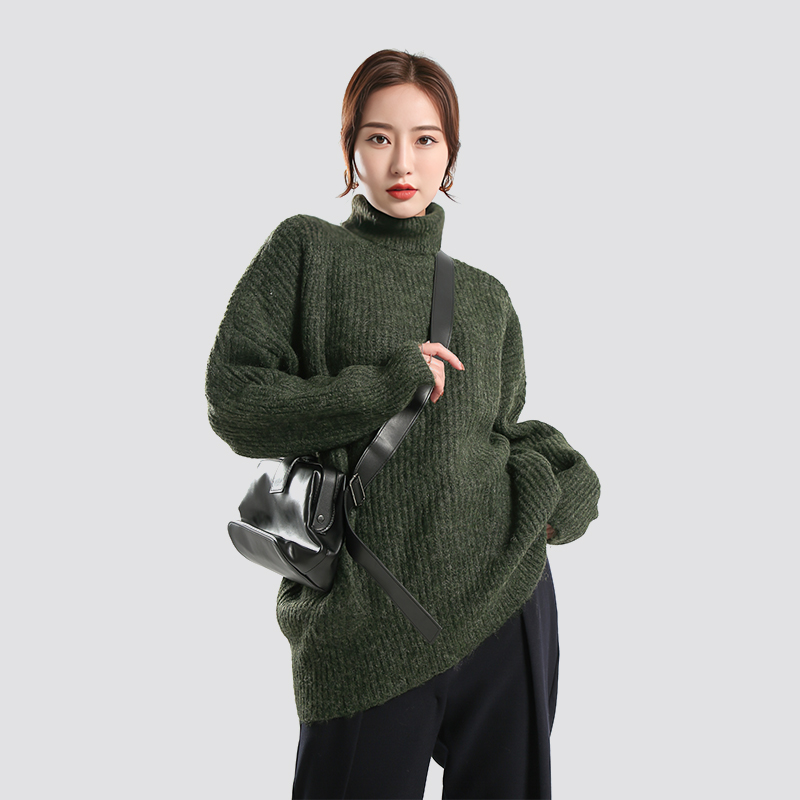
Cashmere handfeel Dark Green Wool Sweater
-
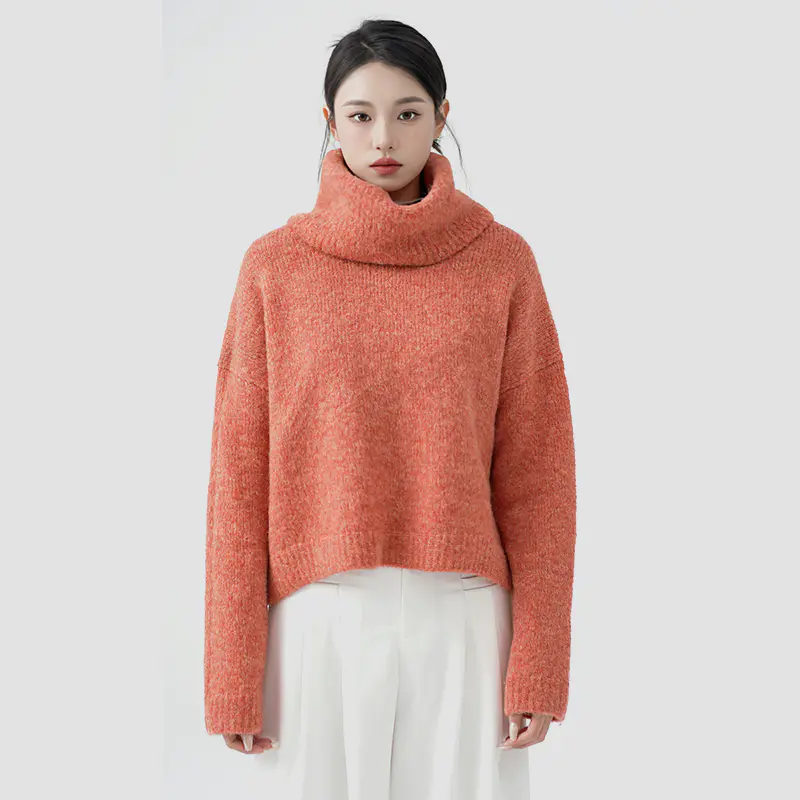
Orange Loose Neck Pullover Sweater
-
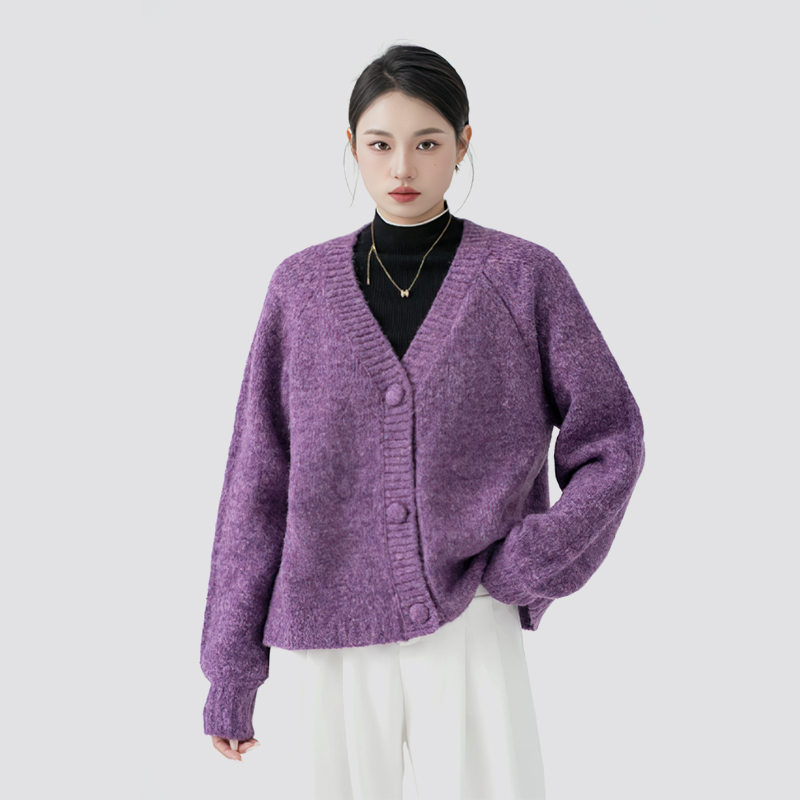
Romantic Purple Cardigan
-
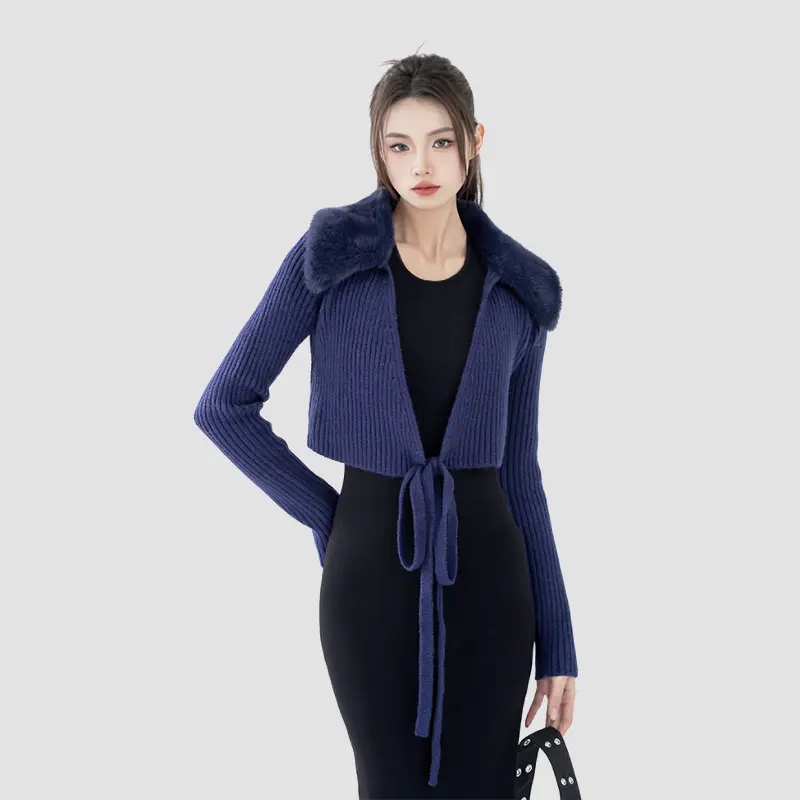
Fur Lapel Lace-up Cardigan
-
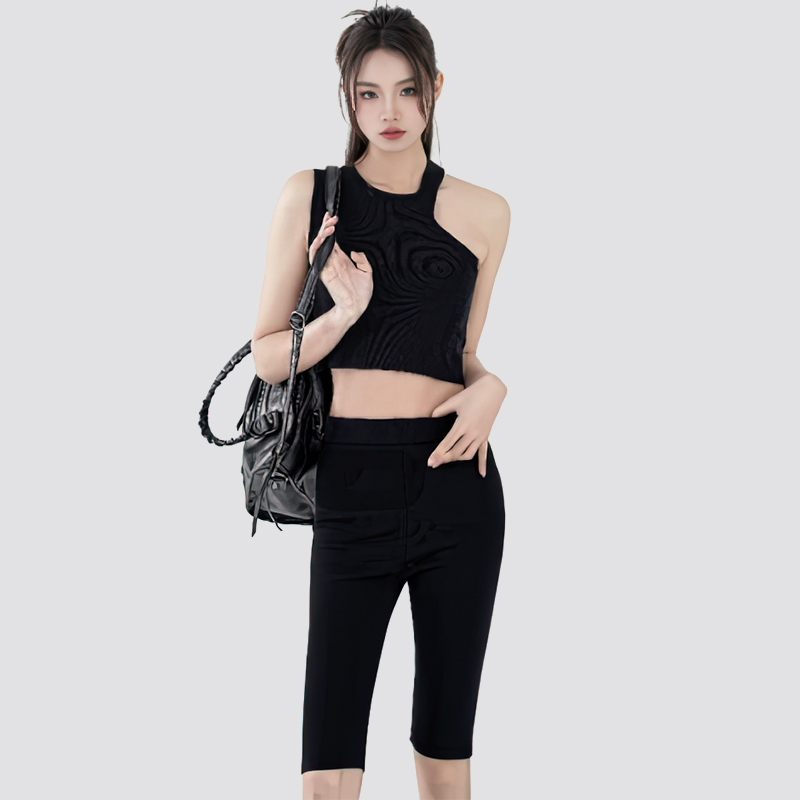
Cut Out Knitted Tank Top
-
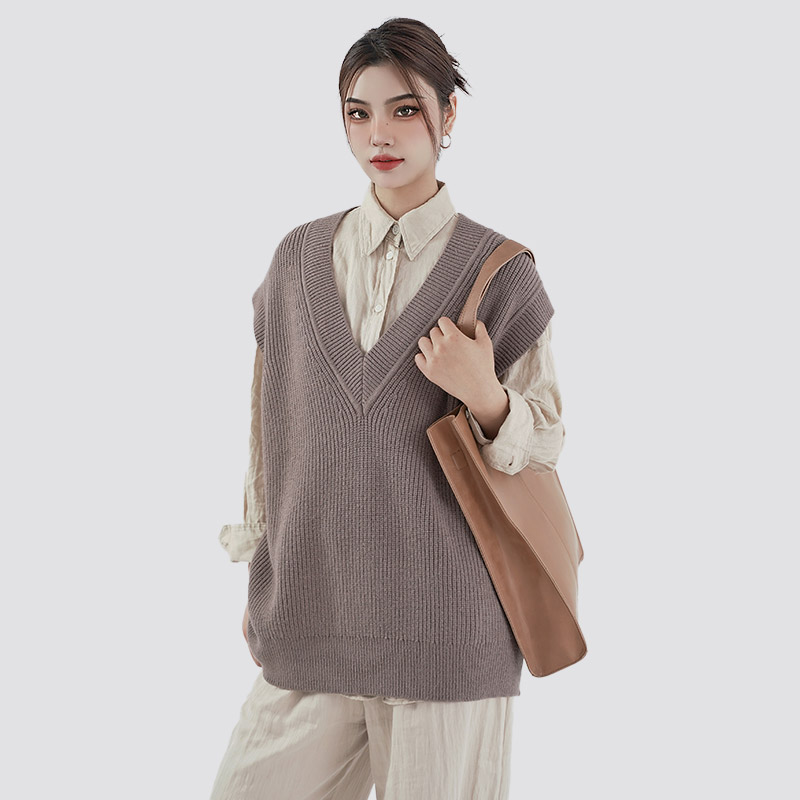
V-Neck Knitted Tank Top
-
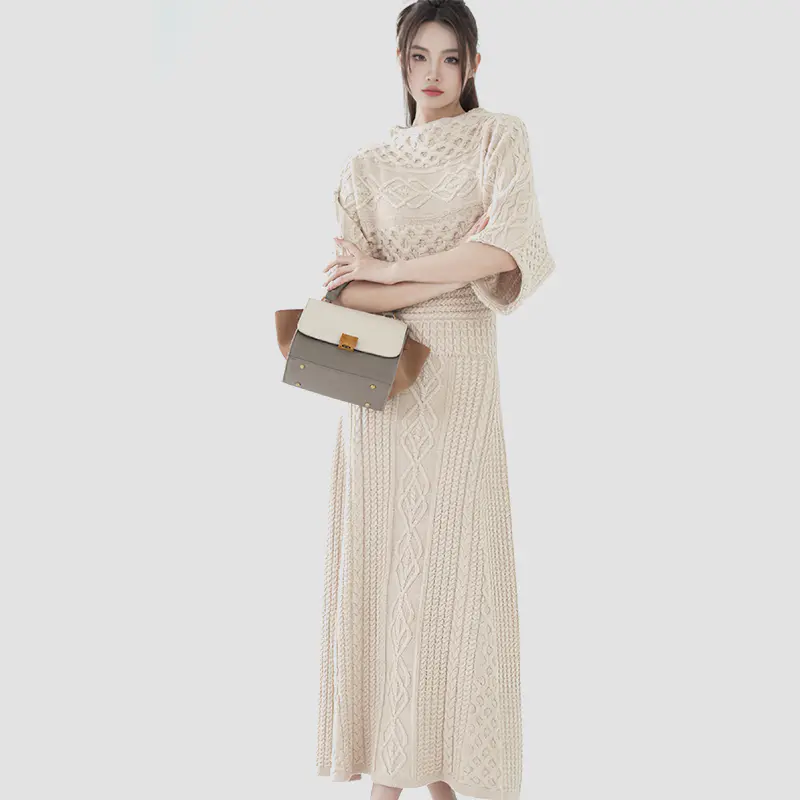
Swing Sweater Dress With Nipped Waist
-
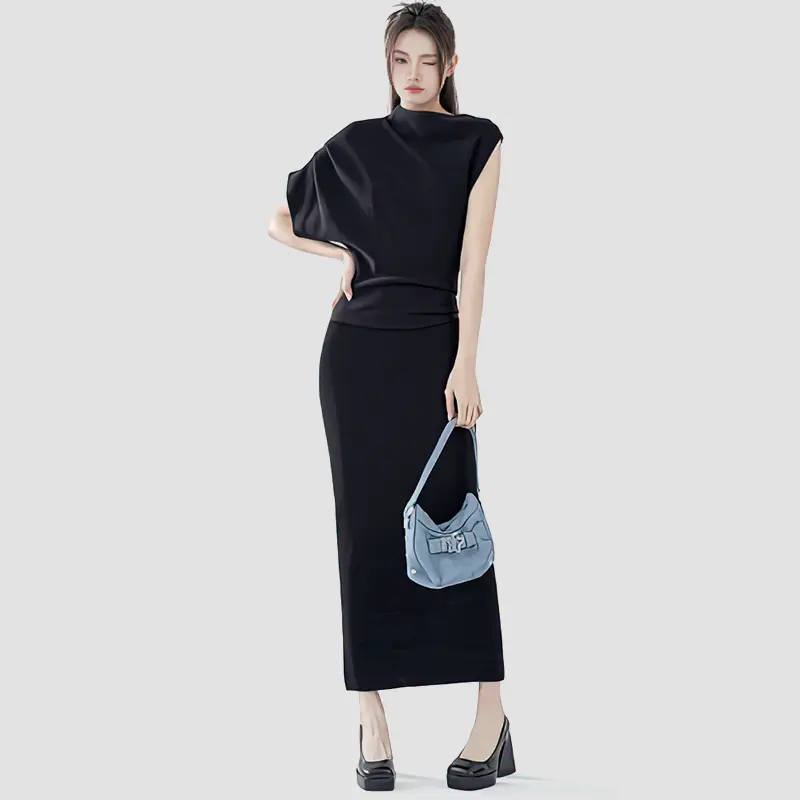
Stylish Asymmetrical Knit Long Dress
-
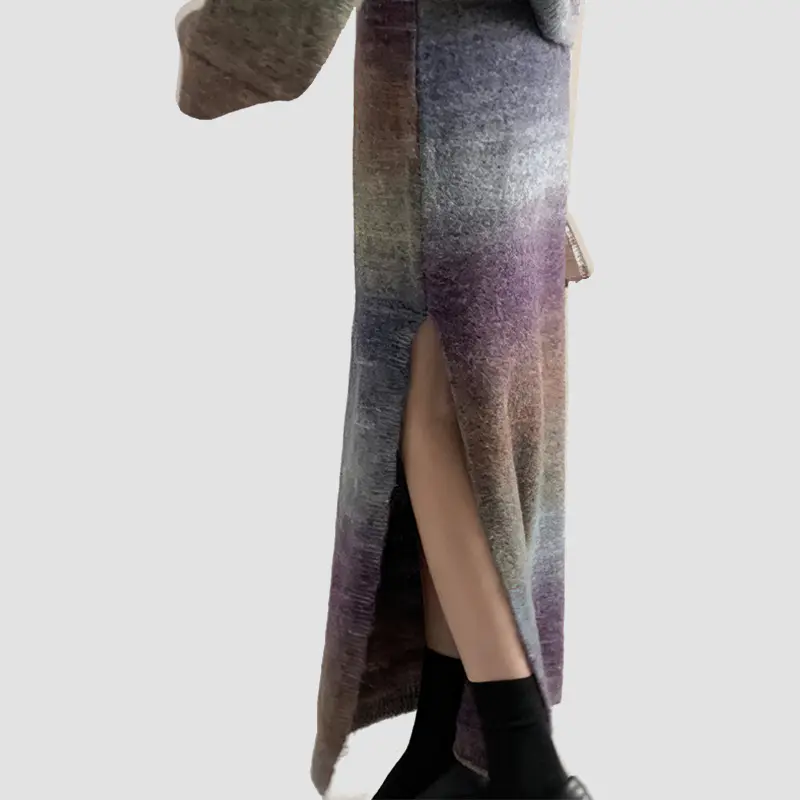
Gradient Color Side Split Half-Length Skirt
-
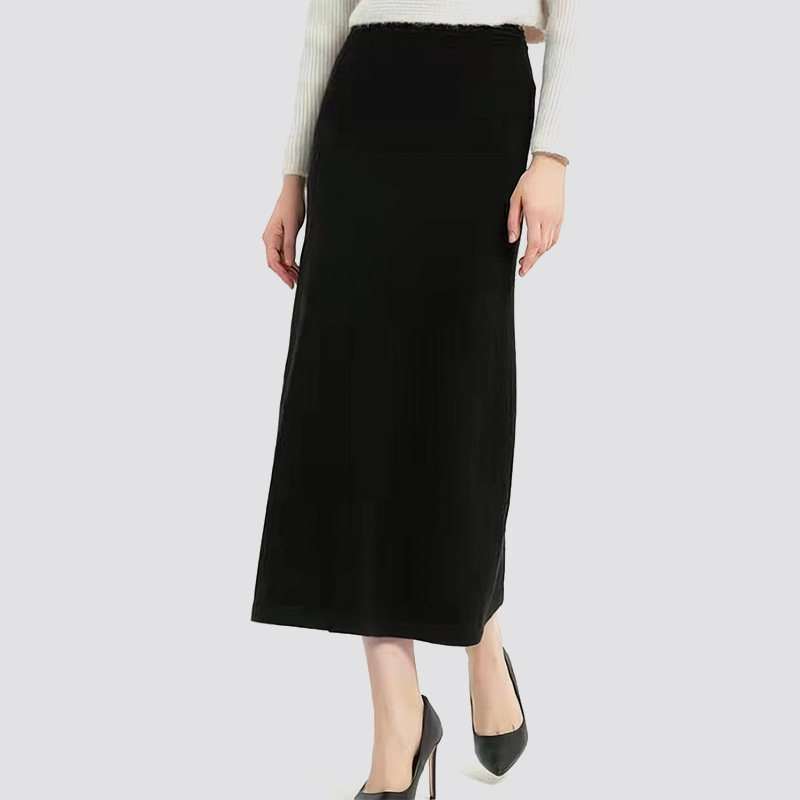
Black A-line Skirt
-
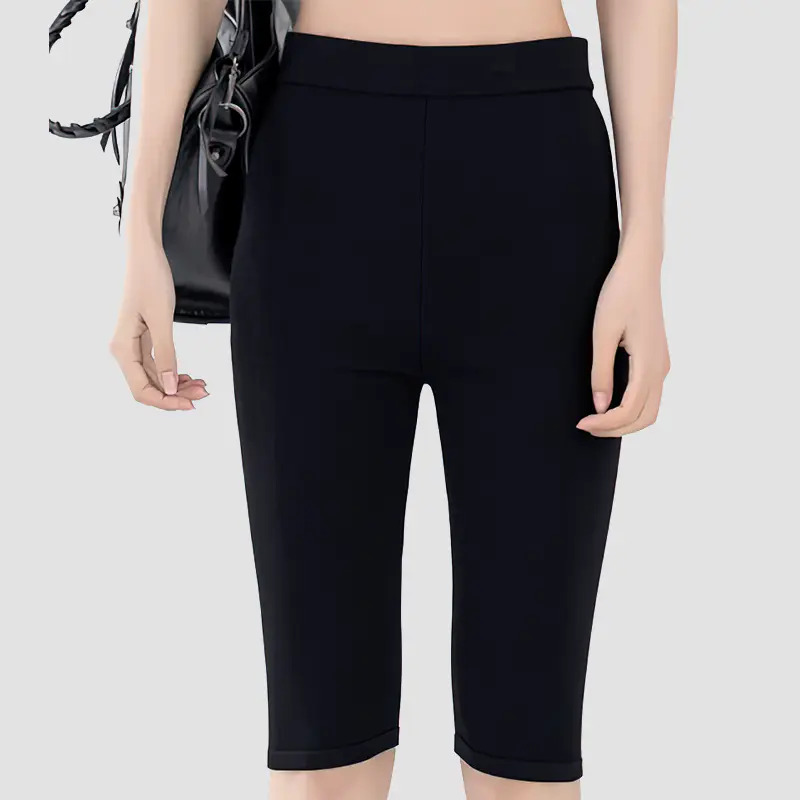
Thin Ice Silk Slimming Leggings
-
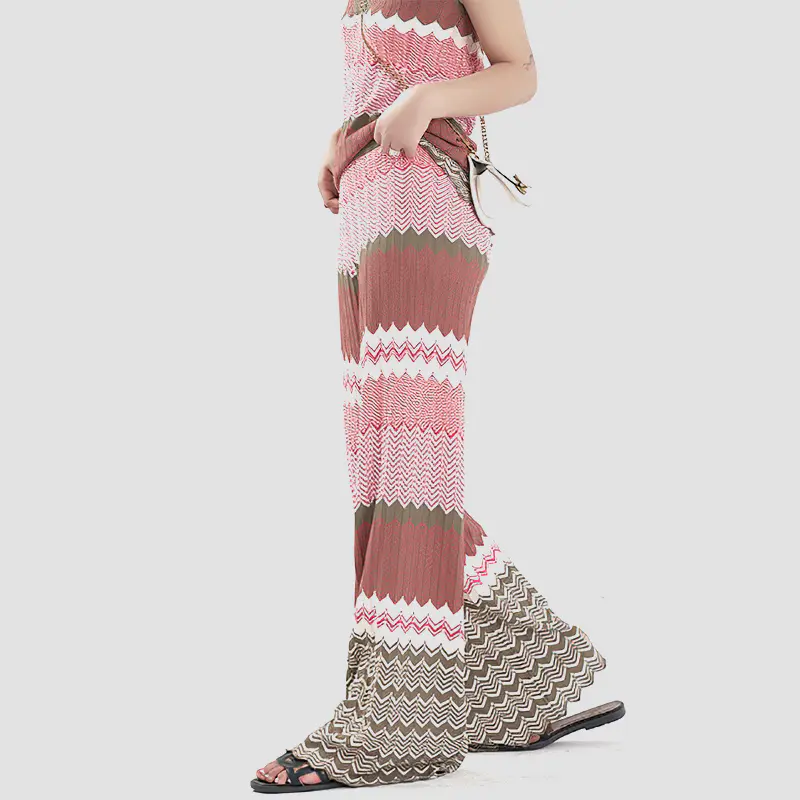
Draped Striped Loose Pants


-

Tel: +86-13913661100
-

Email: frank@sofiafashion.com
-

Add: No.886, Minfeng Road, Xushi Street, Dongbang Town, Changshu, Jiangsu, China
© 2023 Sofia Group. All rights reserved Design Custom Women's Knitted Sweaters Manufacturers
