


 English
 中文简体
中文简体 Español
Jacket vs Sweater: Key Differences in Construction, Warmth & When to Wear Each
Content
A Wardrobe Choice That Comes Down to Construction
Imagine a cold morning in late autumn. You open the closet and face the familiar decision: do you reach for a jacket or a sweater? The choice looks purely personal, but it is actually a technical one. A jacket is a structured outer shell designed to block wind, rain, and cold air. A sweater is a knitted garment that traps body heat against your skin. Once you understand that distinction, you will layer more effectively, choose better products, and avoid the common mistake of treating the two as interchangeable.
What Makes a Jacket a Jacket
A jacket is built as a barrier. Its main components are a woven outer shell — cotton canvas, nylon, polyester, denim, or leather — and a closure system such as a zipper, buttons, or snaps. Many jackets include a lining or an insulated interlayer to add warmth. The length usually stops at the waist or high hip, which is one reason a jacket looks and behaves differently from a coat.
The structure is what separates a jacket from a sweater. A jacket does not stretch much, it stands away from the body, and it creates a weather-resistant layer in front of wind and rain. That is why a light shell jacket can feel comfortable at 12°C even without a thick lining: its job is to stop the wind, not to generate heat.
Jackets are not a single category. Insulated jackets carry their own padding, such as down or synthetic fill, and are meant to be used as the final layer. Unlined shells and windbreakers are lighter, pack smaller, and depend on whatever you wear underneath. Knowing which kind of jacket you are buying changes how you layer it.
What Defines a Sweater
A sweater is made differently from the ground up. It is knitted from yarn — wool, cotton, cashmere, acrylic, or blends — in a continuous pattern of looped stitches. There is no woven shell, no separate lining, and usually no fastening. The warmth of a sweater comes from the air pockets trapped inside the knit structure. Dense stitches insulate well; loose, open stitches breathe more but let heat escape.
Because the entire garment is one piece of knitted fabric, a sweater stretches, moves with the body, and naturally recovers its shape. That soft flexibility is one of the reasons knits feel more comfortable than structured outerwear for long indoor wear. The same construction also makes sweaters more sensitive to care: over-drying or rough washing can distort the loop structure and ruin the fit.
Within the sweater category, the main sub-types are pullovers, cardigans, turtlenecks, and v-necks. A cardigan deserves special attention because it opens at the front with buttons or a zip, which makes it behave more like a light jacket than other sweaters. Our knitted cardigan guide covers the crossover styles, fabrics, and fit details in more depth.
Jacket vs Sweater: A Side-by-Side Comparison
Looking at the two side by side makes the distinction clear. The table below summarizes the essential differences for a purchase decision.
| Feature | Jacket | Sweater |
|---|---|---|
| Construction | Woven shell, often lined | Knitted loops of yarn, no lining |
| Primary job | Block wind, rain, and cold air | Trap body heat in the knit structure |
| Fabric behavior | Minimal stretch, holds structure | Stretches with the body, soft and flexible |
| Fastening | Zippers, buttons, or snaps | Usually none; cardigans may have buttons |
| Typical length | Waist to high hip | Hip or below hip |
| Best conditions | Windy, wet, or commuting in cold weather | Dry cold, indoor wear, under a jacket |
In practice, these differences show up quickly. A sweater feels warm the moment you put it on because the knit sits close to your body. A jacket feels neutral until it blocks a gust of wind — then its value becomes obvious. That is why the same person often needs both on the same day.
Which One Keeps You Warmer?
Most people assume a jacket is automatically warmer. That is not always true.
A sweater is an insulation layer. The knit traps a layer of still air around your body, and that air acts as the actual insulator. A dense wool or cable-knit turtleneck sweater can be significantly warmer than an unlined shell jacket, because the shell does nothing to hold heat by itself.
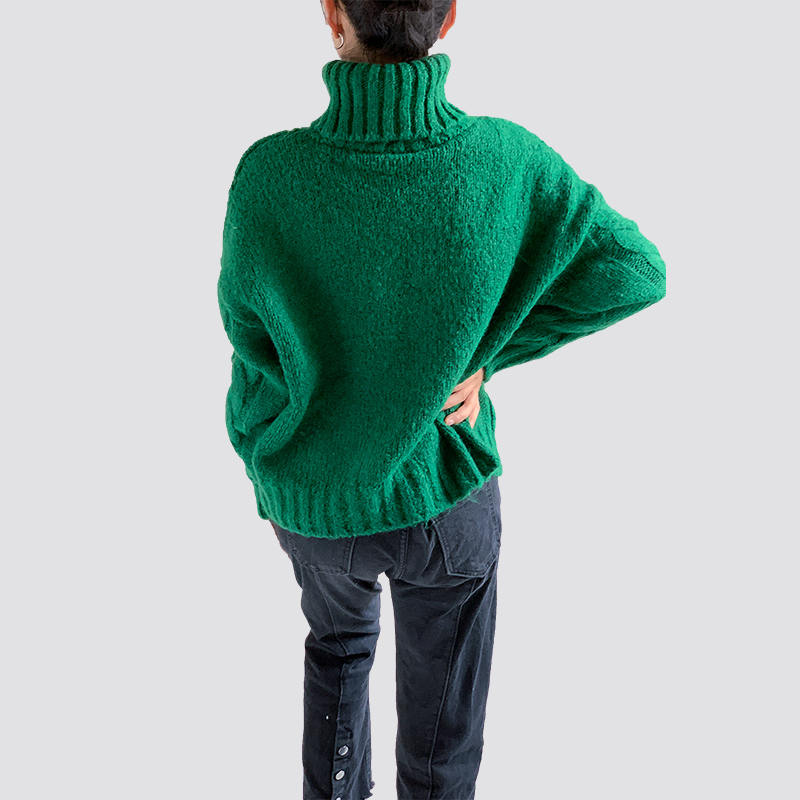 Green turtleneck cable sweater Suppliers, Company - Sofia GroupSofia Group are Wholesale Green turtleneck cable sweater Suppliers and OEM Company in China, Supply Wholesale Green turtleneck cable swea...View Product →
A jacket, on the other hand, is a protection layer. It stops the wind from cutting through your clothing and keeps rain or snow off the layers underneath. A jacket only feels warm when it has insulation of its own, such as a quilted lining or a fleece interlayer, or when you are wearing a warm base layer underneath.
The practical conclusion is that these two garments are designed to work together. Layering a warm knit under a wind-resistant jacket gives you the insulation of the sweater plus the weather protection of the shell. That combination is more effective than either garment alone in cold, windy conditions. One technical point worth remembering: wool yarn continues to insulate when damp, while cotton loses most of its warmth once wet, so wool is the smarter base layer for changeable weather.
When to Choose a Sweater and When to Choose a Jacket
Choose a sweater when you are mostly indoors
If you are going to spend most of the day in a heated office, a shop, or a car, a sweater keeps you comfortable without the bulk of an outer shell. Sweaters also work well as a mid-layer. Indoor temperatures vary throughout the day, and a soft knitted cardigan that opens at the front is easier to slip off than a pullover when a meeting room gets warm. That front-opening construction is also why cardigans are the most jacket-like category of knitwear and a reliable answer to the season between winter coats and spring air.
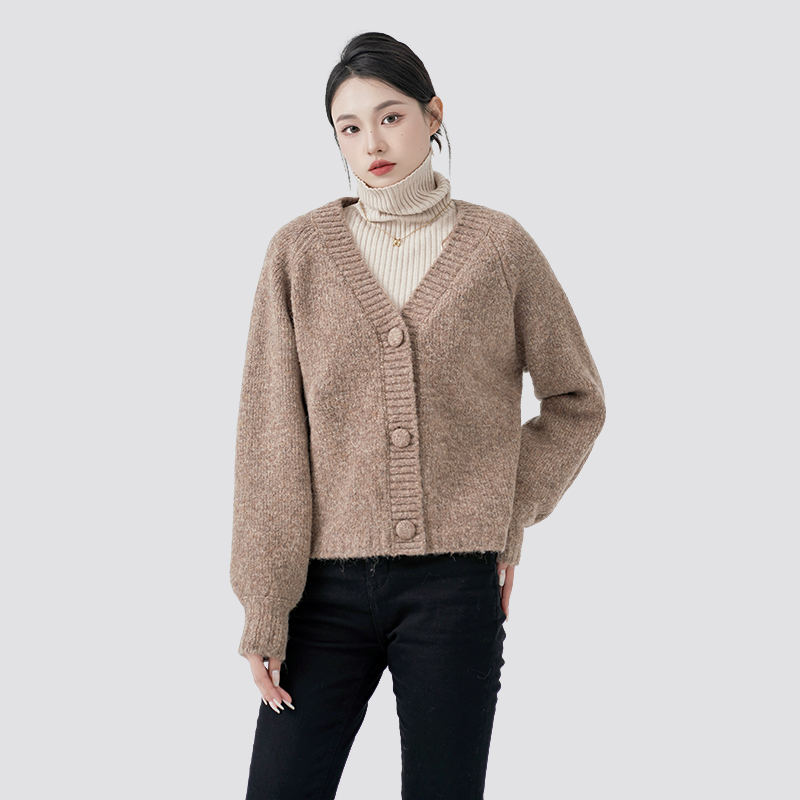 Soft and waxy knitted cardigan Suppliers, Company - Sofia GroupSofia Group are Wholesale Soft and waxy knitted cardigan Suppliers and OEM Company in China, Supply Wholesale Soft and waxy knitted cardi...View Product →
Choose a jacket when you are exposed to the elements
When you are outdoors, commuting, cycling, walking between buildings, or spending time in wind, rain, or sleet, a jacket is the right choice. A jacket also gives you a more structured silhouette over a shirt or blouse, plus practical features like pockets and an adjustable closure. In calm, moderate conditions, a thick cardigan can substitute for a light jacket. But when wind and precipitation are involved, a proper shell is hard to replace. For buyers, this is an important merchandising point: sweaters and jackets occupy different shelves, not competing slots in the same wardrobe.
What to Look for When Sourcing Sweaters
From a manufacturing point of view, the jacket-versus-sweater comparison gets even more concrete. As a producer of knitted pullovers, cardigans, tank tops, and skirts for children, men, and women, we see the same buying mistakes repeated: purchasing sweaters for weather they cannot handle, or choosing jackets that are unnecessarily heavy because the knit underneath was too thin. The most important checks are yarn composition, stitch density, and shape retention.
Yarn composition
The fiber content decides how a sweater feels, how it drapes, and how long it keeps its shape. Wool and wool blends give natural insulation and elasticity. Cotton knits are breathable and soft but more prone to stretching. Acrylic and synthetic blends offer color fastness and easy care at a lower price point. For a premium hand feel, cashmere and cashmere-handfeel yarns add softness that suits luxury lines. Our production base in Changshu has worked with all of these yarn families across men’s, women’s, and children’s knitwear.
Knit density and shape retention
Check the stitch gauge — the number of stitches per inch. A denser knit is more durable, holds its shape better, and pills less, but it is heavier and less breathable. A looser knit drapes better but may stretch with repeated wear. Yarn twist matters just as much: tightly twisted yarns resist pilling and keep their silhouette after washing, which is why a well-made loose round-neck pullover sweater can outlast a cheaper alternative with the same fiber content.
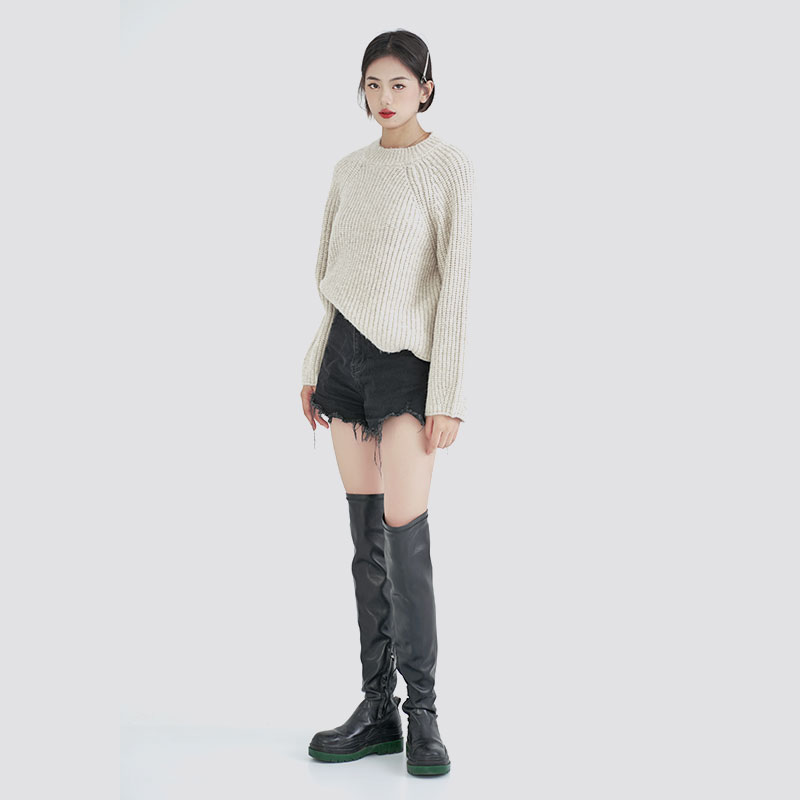 Autumn Casual round neck loose knitted pullover sweater Suppliers, Company - SofSofia Group are Wholesale Autumn Casual round neck loose knitted pullover sweater Suppliers and OEM Company in China, Supply Wholesale Au...View Product →
The bottom line is simple: do not treat a jacket and a sweater as rivals — buy them as a system. A good knit underneath a functional shell covers everything from a cold office to a windy street. If you are sourcing knitwear for a brand, a retail line, or a private label, our team is happy to discuss yarn options, stitch structures, and fit specifications. Contact our sourcing team to start the conversation.
Recommended Products
-
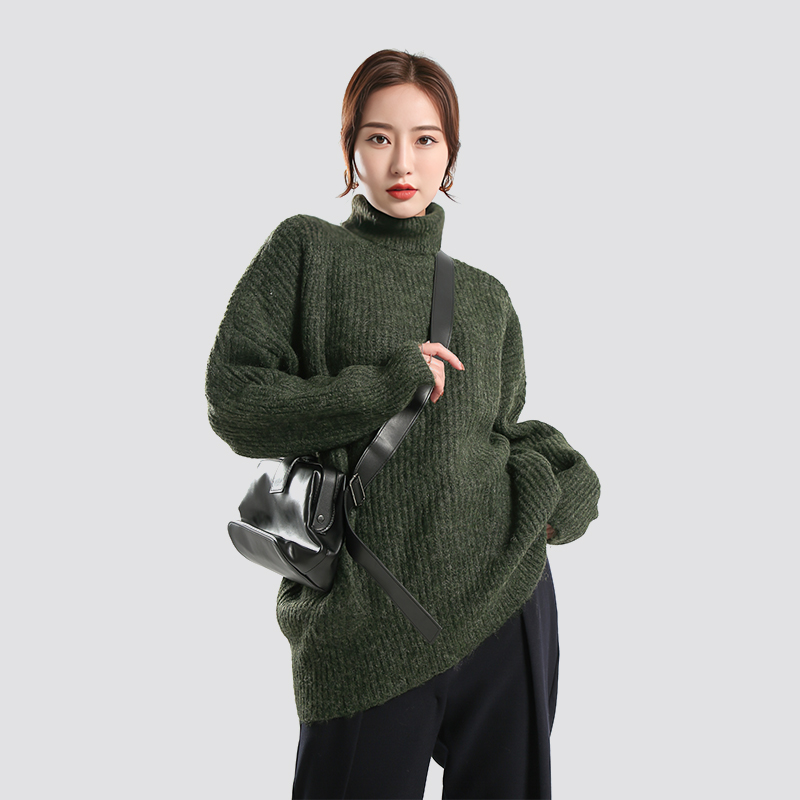
Cashmere handfeel Dark Green Wool Sweater
-
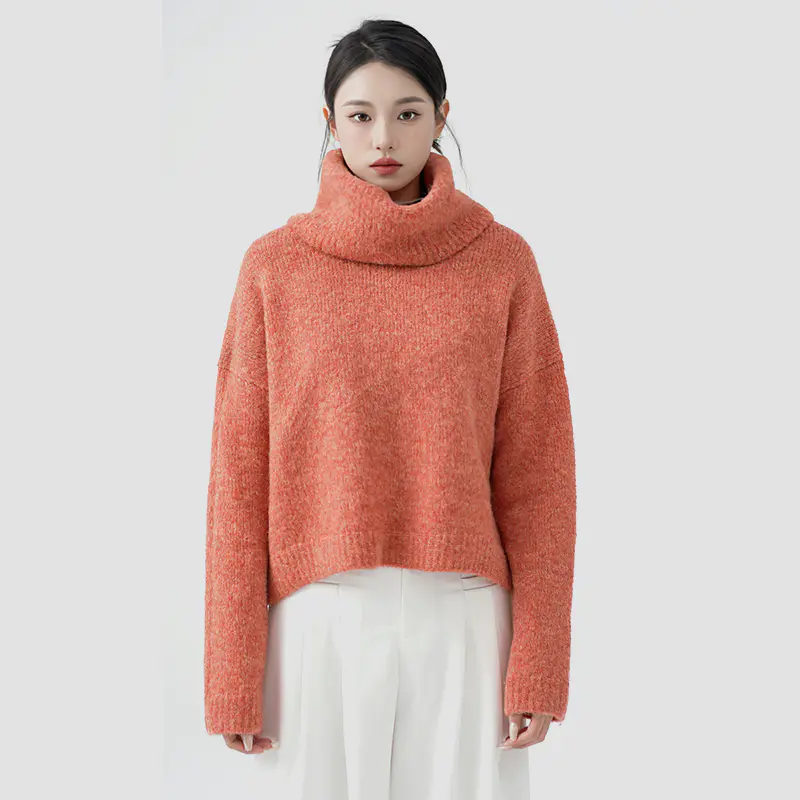
Orange Loose Neck Pullover Sweater
-
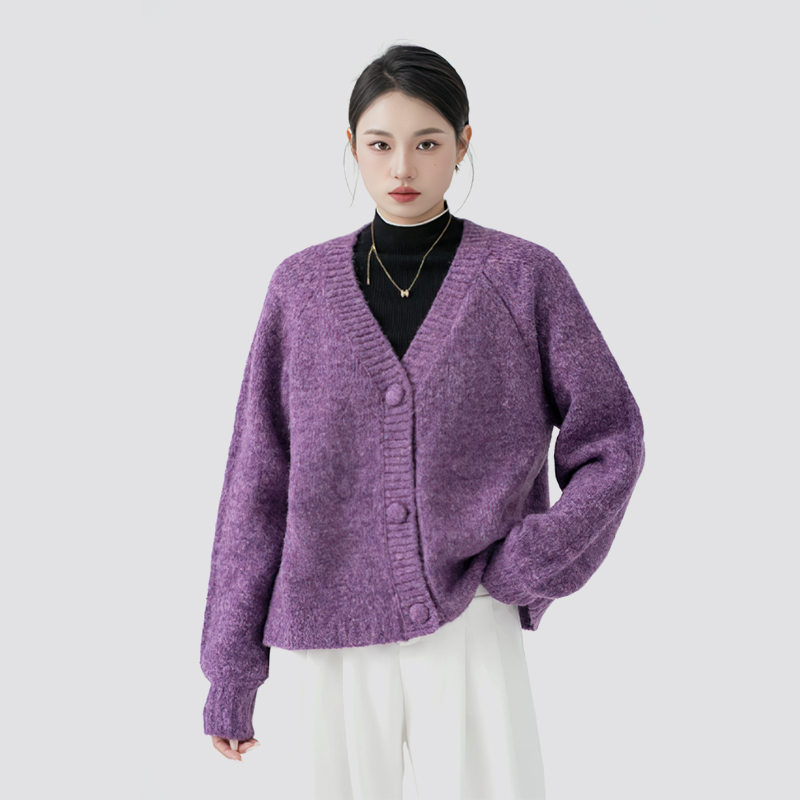
Romantic Purple Cardigan
-
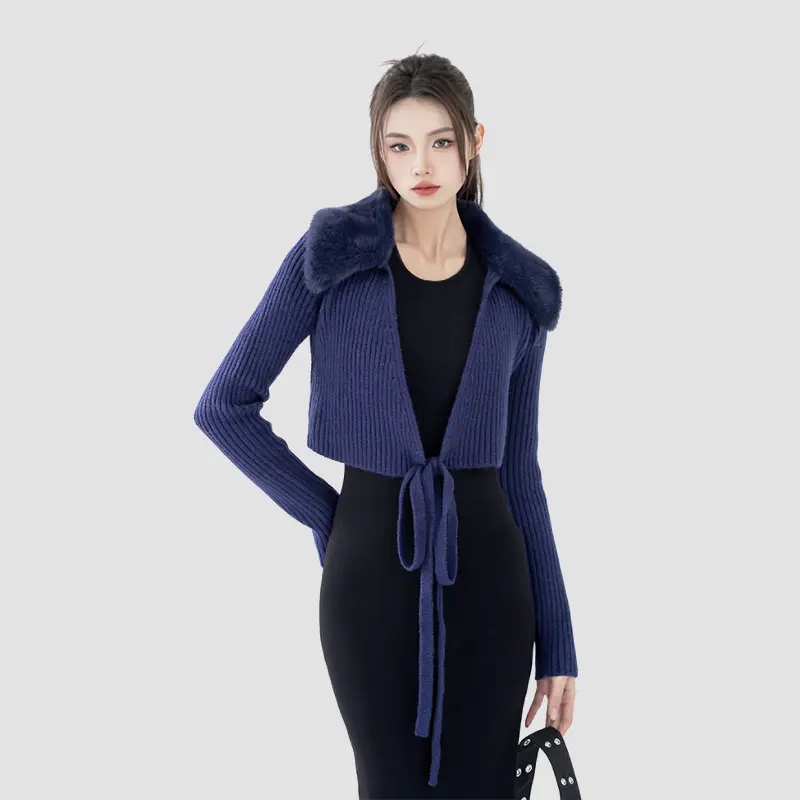
Fur Lapel Lace-up Cardigan
-
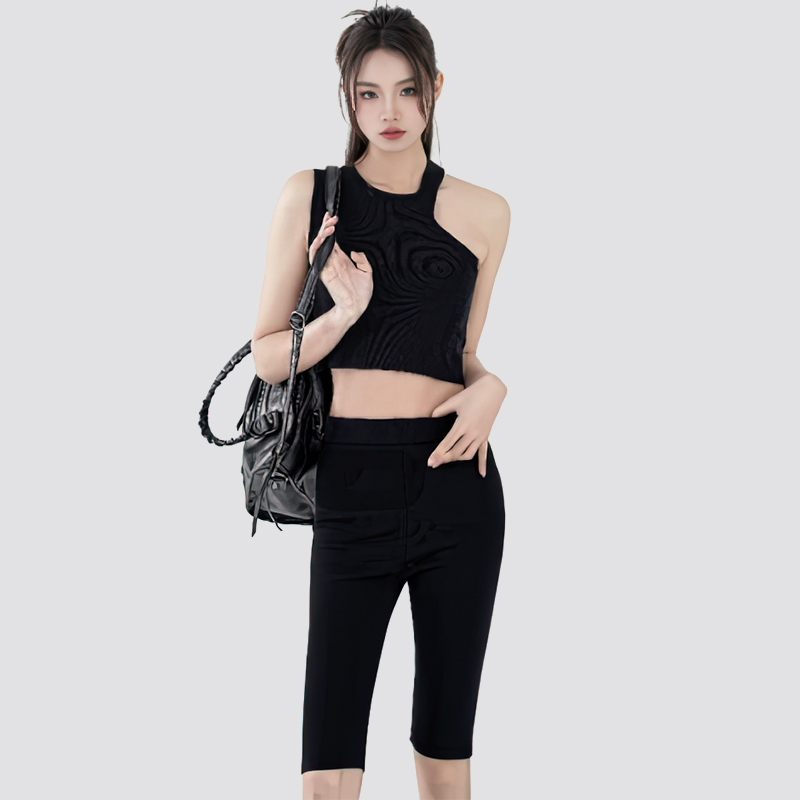
Cut Out Knitted Tank Top
-
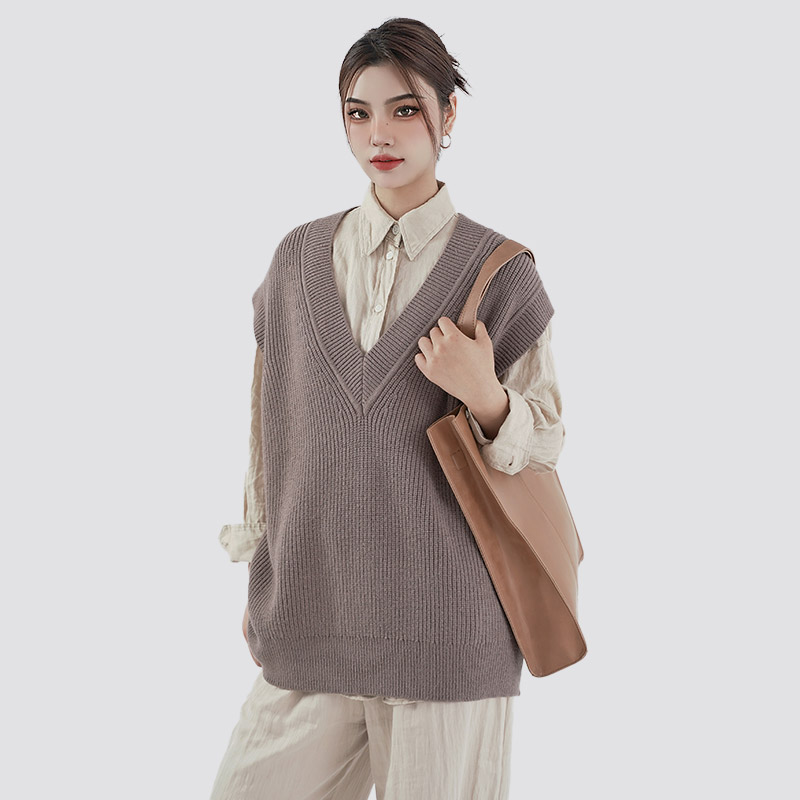
V-Neck Knitted Tank Top
-
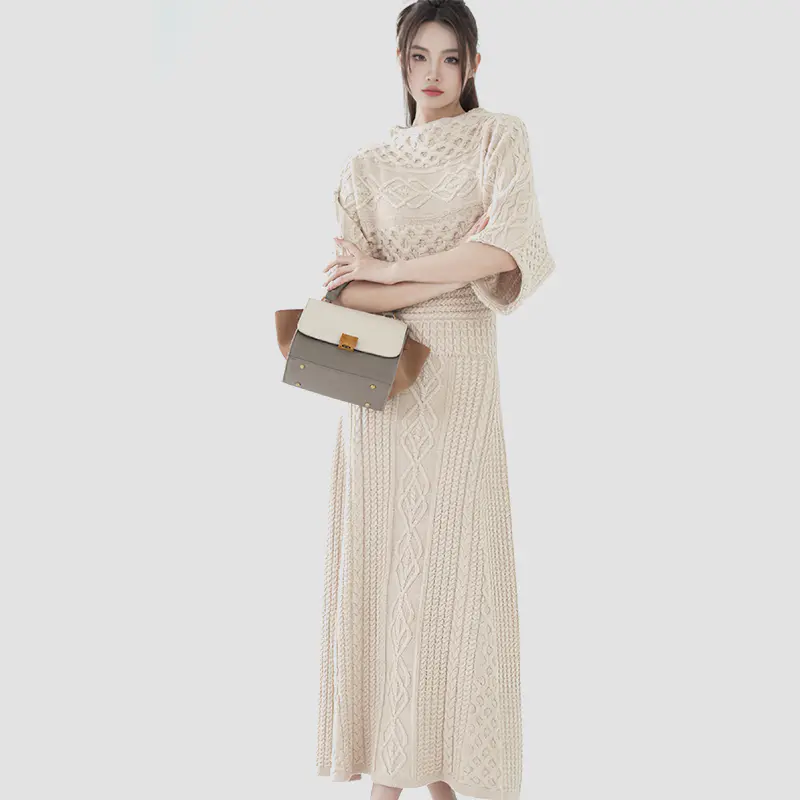
Swing Sweater Dress With Nipped Waist
-
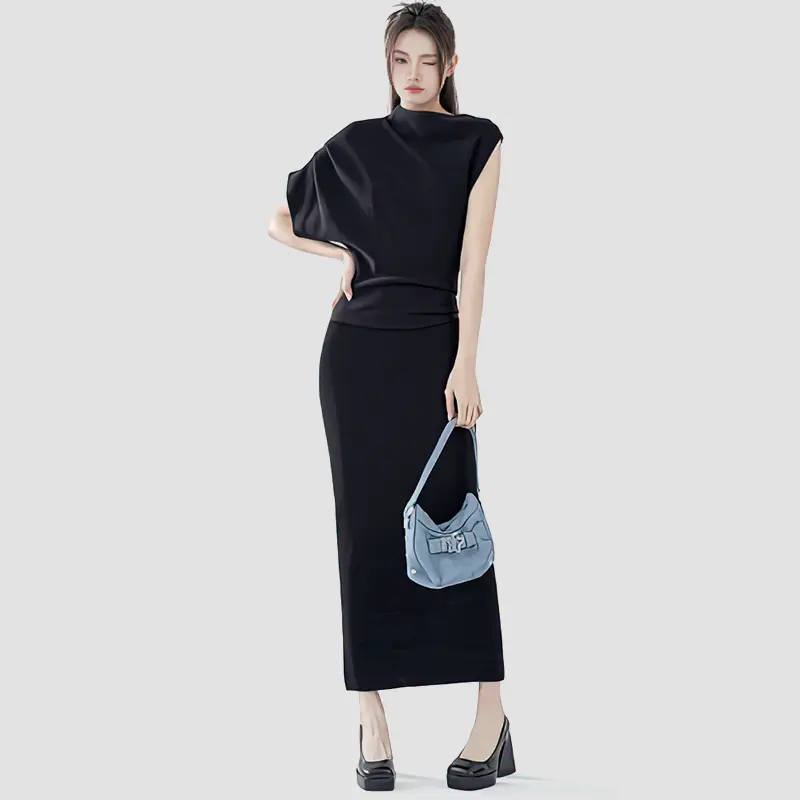
Stylish Asymmetrical Knit Long Dress
-
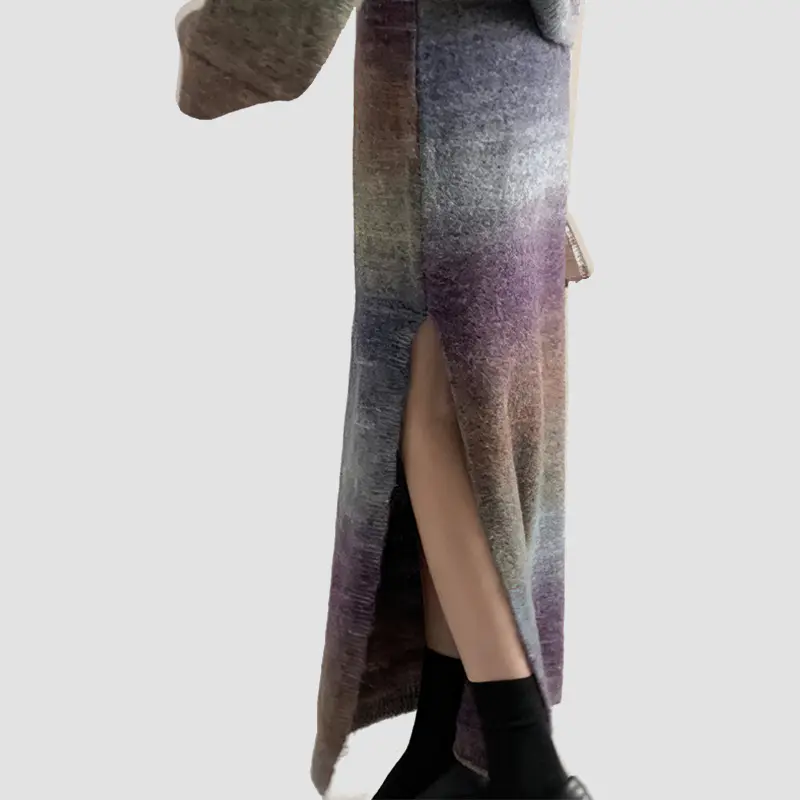
Gradient Color Side Split Half-Length Skirt
-
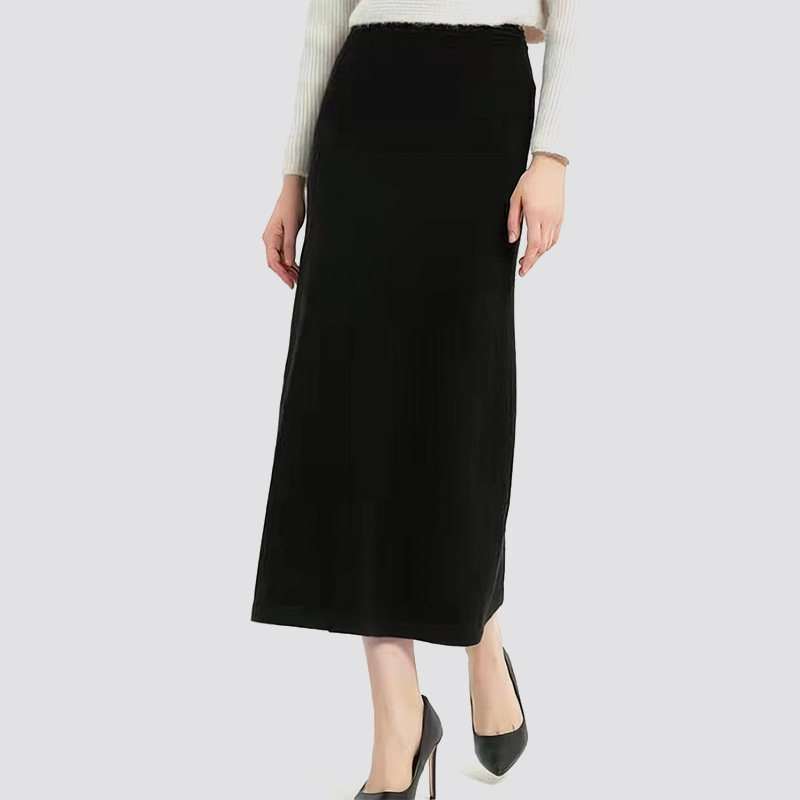
Black A-line Skirt
-
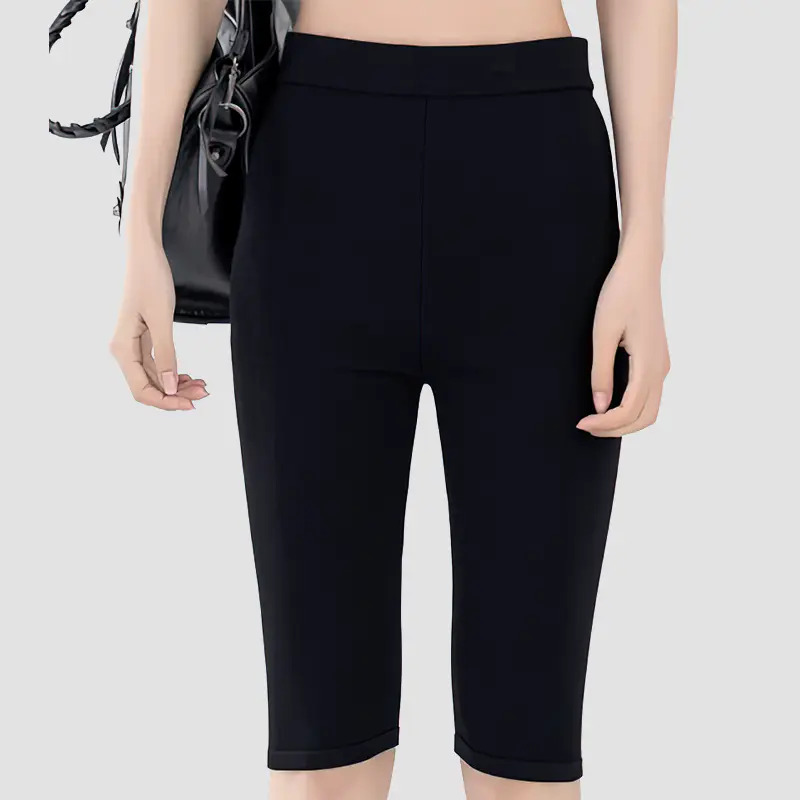
Thin Ice Silk Slimming Leggings
-
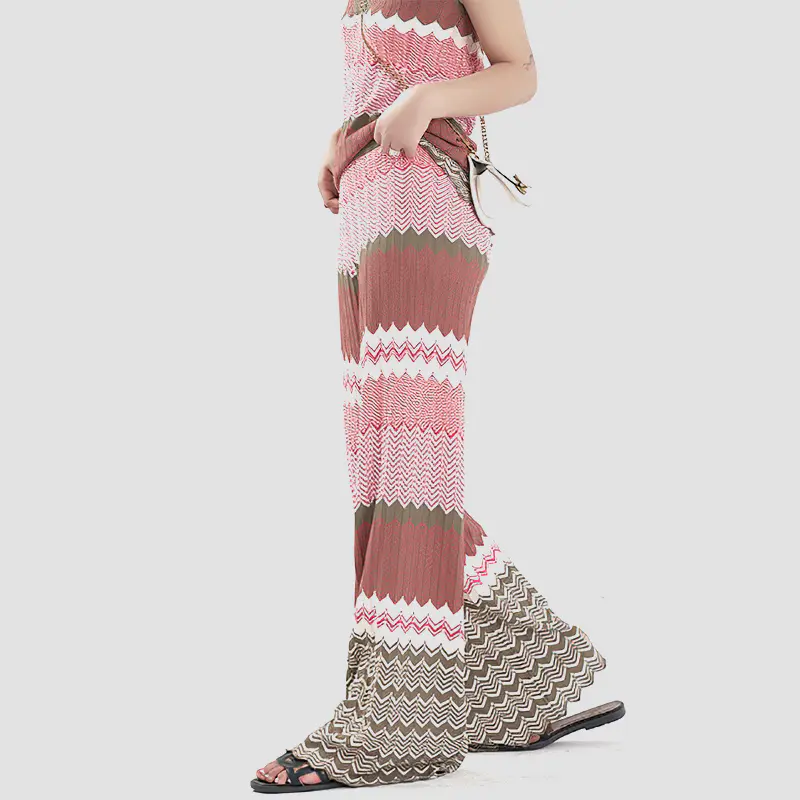
Draped Striped Loose Pants


-

Tel: +86-13913661100
-

Email: frank@sofiafashion.com
-

Add: No.886, Minfeng Road, Xushi Street, Dongbang Town, Changshu, Jiangsu, China
© 2023 Sofia Group. All rights reserved Design Custom Women's Knitted Sweaters Manufacturers
