


 English
 中文简体
中文简体 Español
Jacket vs Sweater: Key Differences in Fabric, Warmth, Fit, and When to Wear Each
Jackets and sweaters solve different problems. A jacket is built as a barrier: it blocks wind, rain, and cold using a structured shell and often a lining. A sweater is built as a layer of insulation: it traps body heat in the yarn itself. If you need weather protection, reach for a jacket. If you need soft, comfortable warmth, reach for a sweater. Most of the confusion between the two comes down to construction, fabric, fit, and how they behave when you layer them.
Content
What Actually Separates a Jacket from a Sweater?
Light cardigans and heavy jackets blur the line, but the factory-level difference is easy to spot: knitting versus weaving. Sweaters are made from knitted fabric, where one continuous thread is looped into interlocking columns. That construction creates stretch, conforms to the body, and lets air move through the yarn. Jackets are usually made from woven or non-woven fabric. The threads cross over and under each other, producing a tighter, more stable surface that resists tearing and blocks the wind.
Jackets also get their insulation from an added layer: down, synthetic batting, or a thermal lining. The shell protects that insulation. A sweater has no shell and no separate insulation layer. The yarn itself provides the warmth. This is why a thick merino sweater can keep you comfortable at a temperature where a thin cotton jacket would let the cold through.
Construction and Fabric: Why Knitting Changes Everything
On the sweater side, yarn choice matters more than almost anything. Wool holds heat and moves moisture; cashmere feels soft but wears faster if it is not blended; nylon or polyester adds strength and stretch. That is why many producers use blended yarns to balance handfeel, shape retention, and cost. For a manufacturing buyer, the important numbers are fiber composition, yarn count, and gauge (the number of stitches per centimeter). A denser gauge usually means a more durable sweater, while an open gauge offers more breathability.
Reading a Sweater Spec Sheet
Stitch structure changes everything too. A cable knit is thicker and more insulating; a rib knit stretches and recovers; a jacquard pattern introduces multiple colors but can affect tension if it is not controlled. At our own production lines in Changshu, we control these variables with custom-spun yarn, seamless knitting, and block shaping. If you are sourcing from a factory, ask how the knitted pullover design will hold up after repeated washing. That answer usually reveals how much attention went into the product.
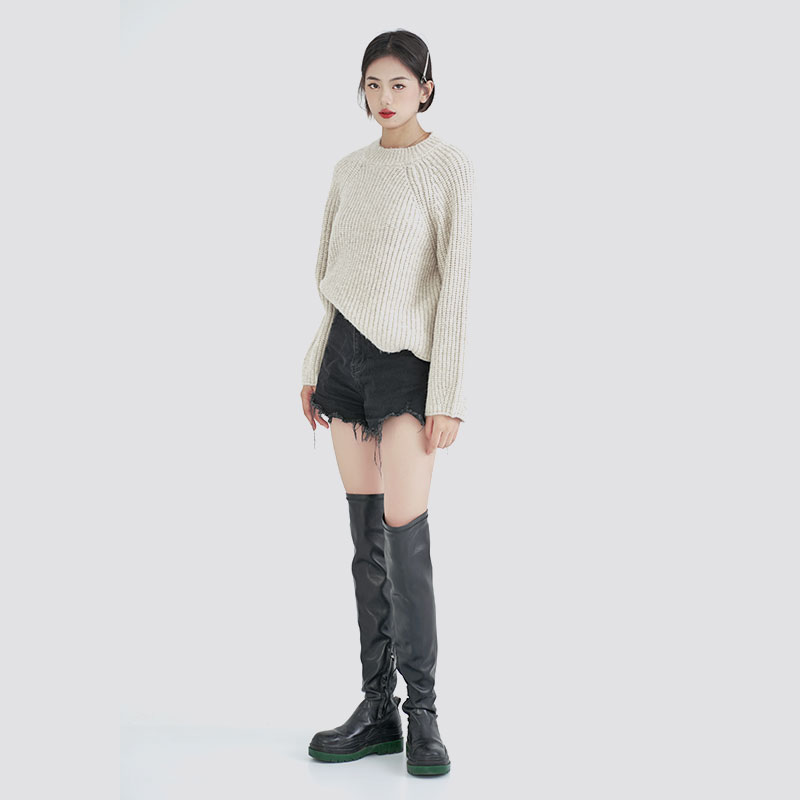 Casual Round Neck Loose Knitted Pullover for AutumnThis loose knitted pullover offers the breathable comfort of a knit while maintaining a casual autumn look. Its round neck and relaxed fit make it a versatile top layer, ideal for transitioning between indoor warmth and cool outdoor air.View Product →
Why Jackets Are Built Differently
Jackets take a different route. They are cut from stable woven fabric or technical laminates, then pieced together with seams that reject water. A good jacket has a soft inner lining, structured shoulders, and a collar that stands on its own. These elements make it a better shell but less comfortable as a base layer. Knitted sweaters bend and breathe, which is exactly why they are the piece you want next to your skin.
Fit, Warmth, and Weather Protection
The differences show up in the way the two garments perform. Here is a side-by-side look at the factors that matter when you are deciding what to wear or what to source.
| Attribute | Sweater | Jacket |
|---|---|---|
| Warmth source | Knitted yarn traps air and retains body heat | Insulation layer adds warmth; the shell blocks wind |
| Fit | Stretches and conforms to the body | Structured and sized to layer over other clothing |
| Weather resistance | Breathable but not windproof or waterproof | Designed to block rain, snow, and wind |
| Durability risk | Pilling and stretching after repeated wear | More resistant to wear, but seam tape can fail |
| Best use | Indoor comfort and layering under a coat | Outdoor activity and changing weather |
Once you read the table row by row, the practical advice becomes clear. A jacket wins when water or wind is part of the situation. A sweater wins when you want softness, warmth, and unrestricted movement. In cold but dry weather, you can layer both and get the best of each.
Sourcing Notes for Buyers Who Need Durability
Whether you are a brand owner, a distributor, or someone buying a sweater for yourself, the purchasing decision comes down to three checks: fiber, construction, and dimensional stability. We run these tests on every production batch, and you should ask your supplier for the same information.
- Fiber composition: a standard test report should list wool, cashmere, cotton, or synthetic content by percentage. That single number tells you much about warmth, handfeel, and shrinkage.
- Gauge and knit density: ask for a spec sheet with gauge, yarn count, and finished weight per unit. A denser knit usually means better shape retention.
- Pilling resistance: compare results from a Martindale abrasion test or a controlled washing trial. A low-pill sweater will look presentable much longer.
- Dimensional stability: measure chest, sleeve, and body length before and after a wash cycle. Sweaters that grow or shrink between batches will cause returns.
- Seasonal suitability: a dense turtleneck works for winter, while an open knit is better for transitional weather. Match the garment to the buyer's climate.
If you compare same-priced items from two suppliers, the difference is usually in finishing. A sweater that has been relaxed and blocked fits better and holds its shape. A sweater that goes straight from the loom to the box will look fine at first, then lose its collar shape after a few washes. We built our production around that reality, so each piece passes through quality checks before it is packed. The same detail is what separates a reliable production run from a risky one.
Layering: How a Sweater and a Jacket Work Together
The simplest mental model is: sweater for the inside, jacket for the outside. A knitted layer keeps your core warm while you stay active indoors. When you step outside, the jacket blocks the wind and prevents body heat from being blown away. That double layer is the reason knitwear and jackets have been a standard combination for office and casual wear for generations.
For casual wear, the same logic works: a simple crew-neck sweater with a canvas jacket, or a turtleneck under a puffer. For a slightly softer look, knitted cardigans can act as a middle layer—structured enough for a quiet office and still comfortable on the weekend.
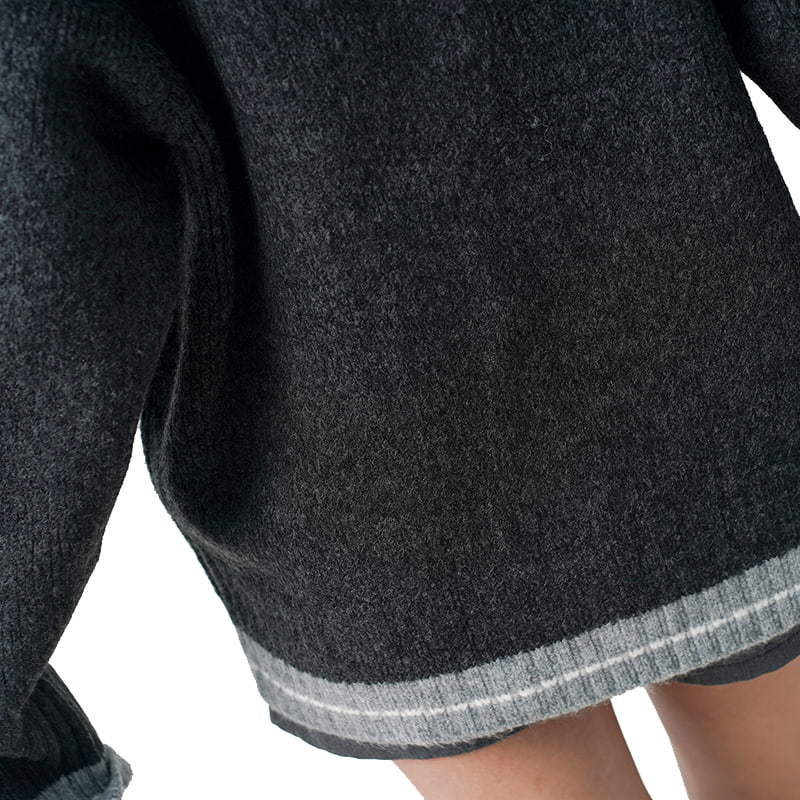 Oversized Striped Knit Cardigan for Layered StyleThis oversized cardigan combines a striped pattern with a soft, slouchy silhouette that flatters various body types. Its lightweight yet warm knit makes it a practical middle layer, suitable for layering over or under other pieces.View Product →
Winterproofing Your Wardrobe
When the temperature drops toward freezing, a light jacket may not be enough on its own. A dense turtleneck sweater adds thermal value around the neck and chest, where heat loss happens fastest. Choose a high-gauge knit with a good wool content, because that combination delivers more warmth per gram than a loose, open stitch. Layered under a heavy coat, it makes a reliable winter outfit without the bulk of an oversized jacket.
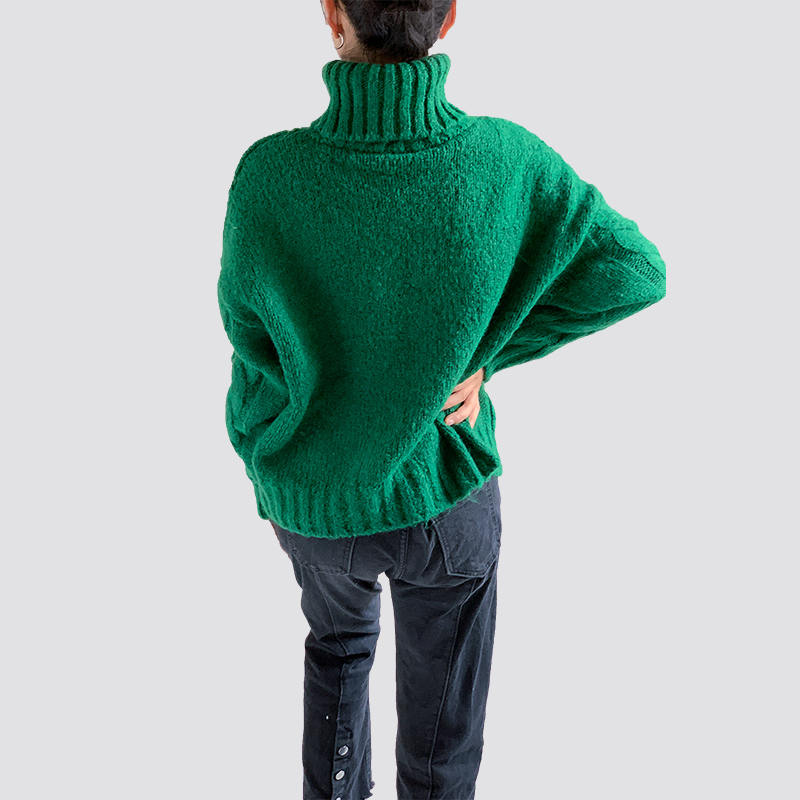 Green Turtleneck Cable Sweater for Cold WeatherA dense turtleneck cable sweater in green, designed to provide extra thermal protection around the neck and chest. Its high-gauge knit and wool content offer warmth without bulk, making it a reliable base layer under a heavy coat.View Product →
At the end of the day, the difference is really about what you need the garment to do. If you are facing the weather, wear a jacket. If you are staying warm and comfortable, wear a sweater—and when the weather turns, put the jacket over it. Own both, and you will have an answer for almost every day of the year.
Recommended Products
-
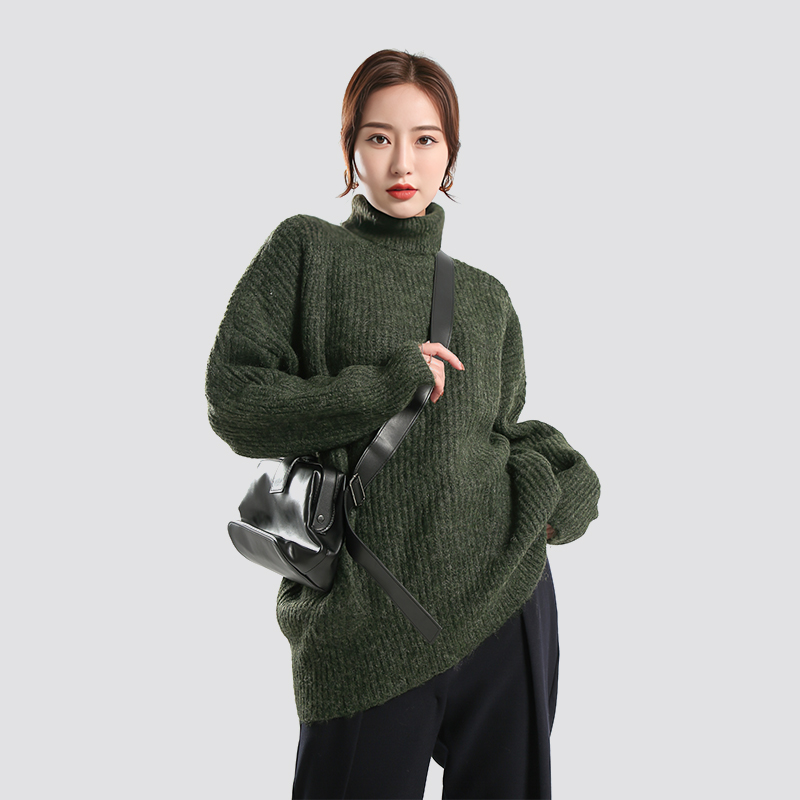
Cashmere handfeel Dark Green Wool Sweater
-
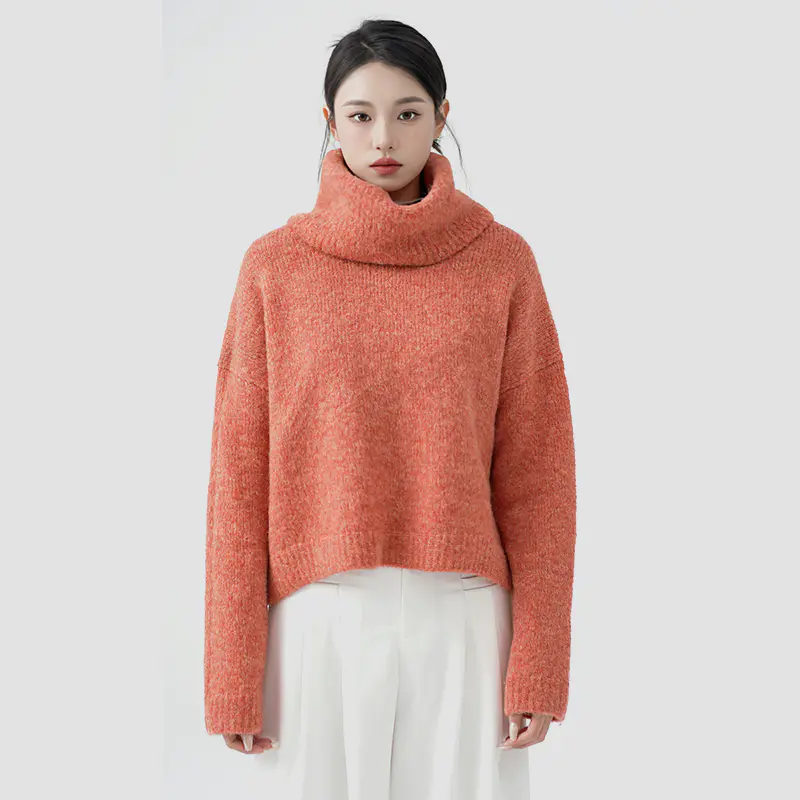
Orange Loose Neck Pullover Sweater
-
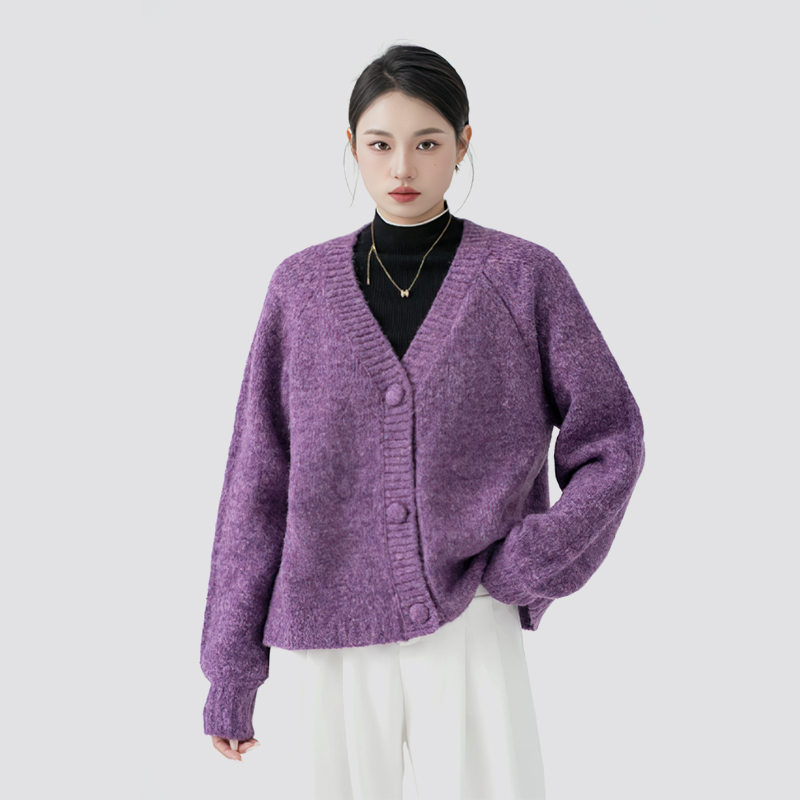
Romantic Purple Cardigan
-
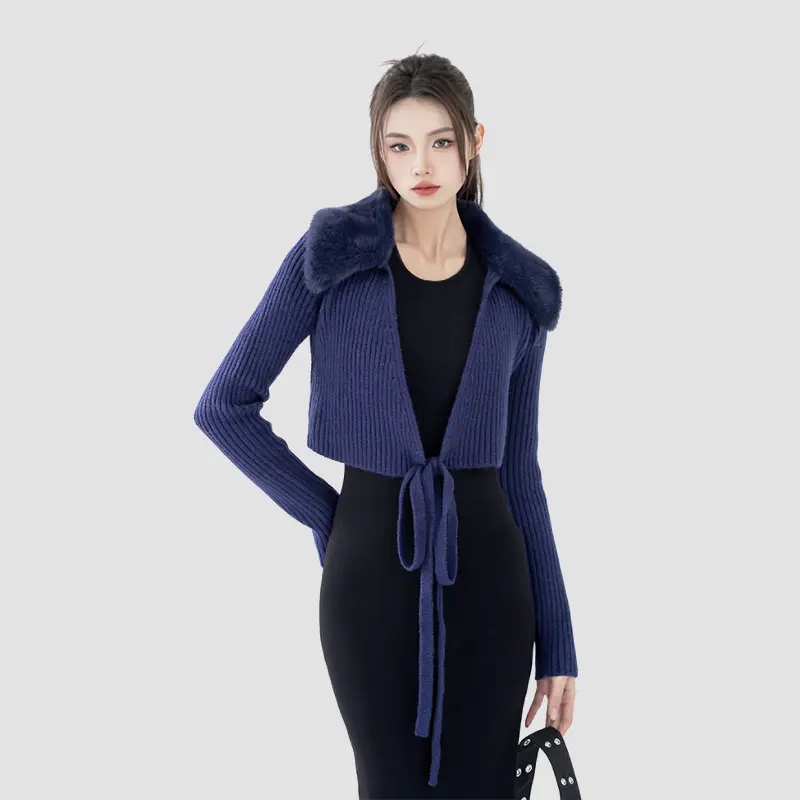
Fur Lapel Lace-up Cardigan
-
Cut Out Knitted Tank Top
-
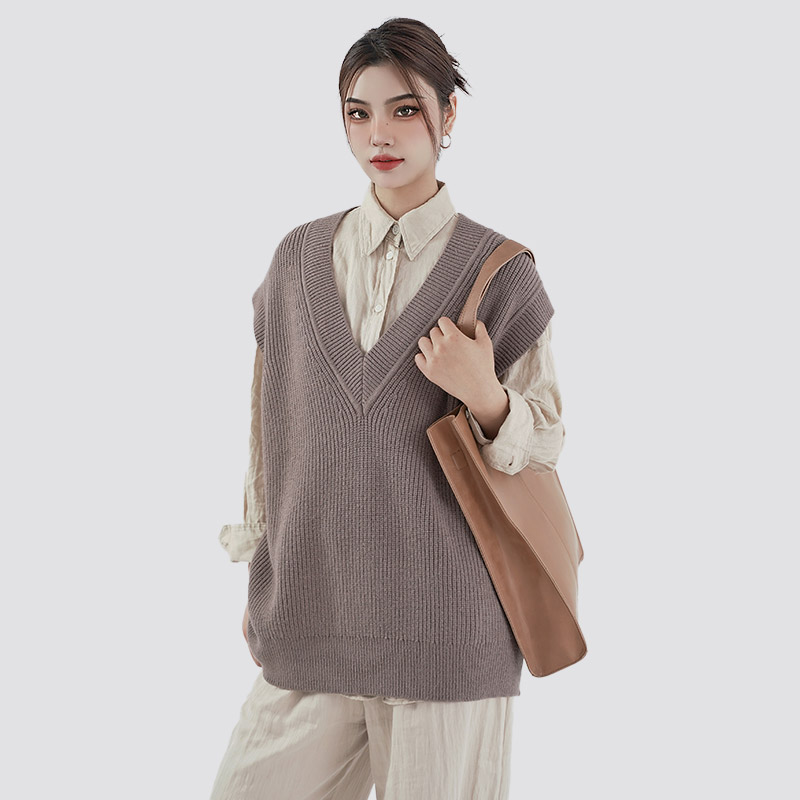
V-Neck Knitted Tank Top
-
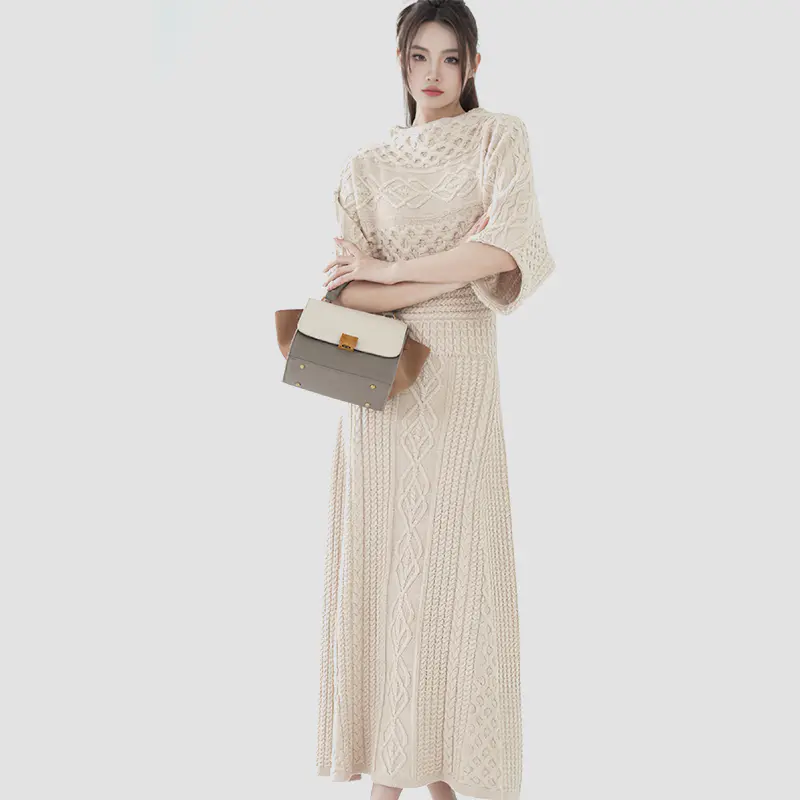
Swing Sweater Dress With Nipped Waist
-
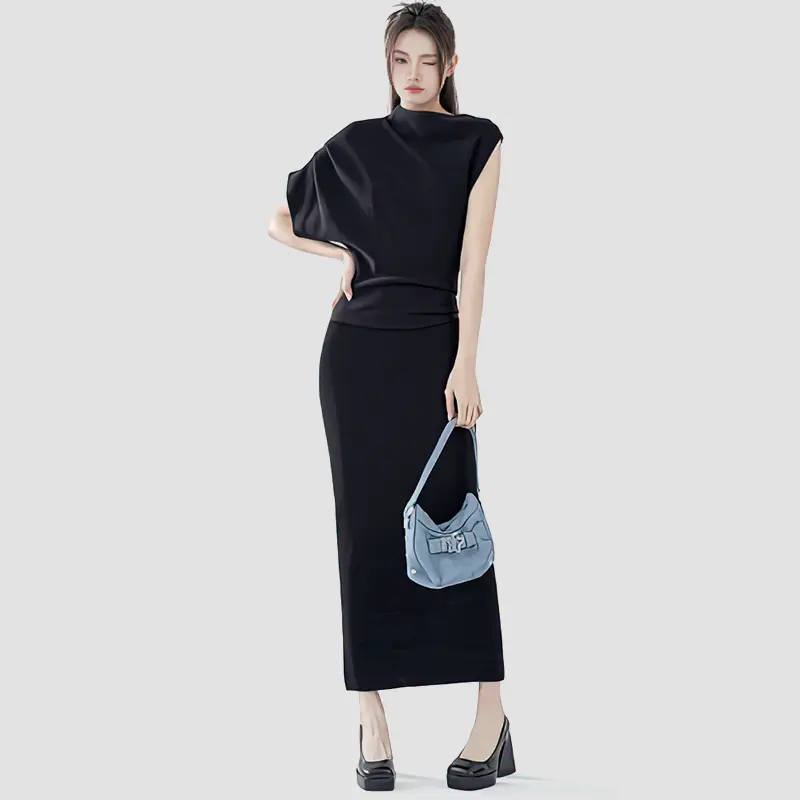
Stylish Asymmetrical Knit Long Dress
-
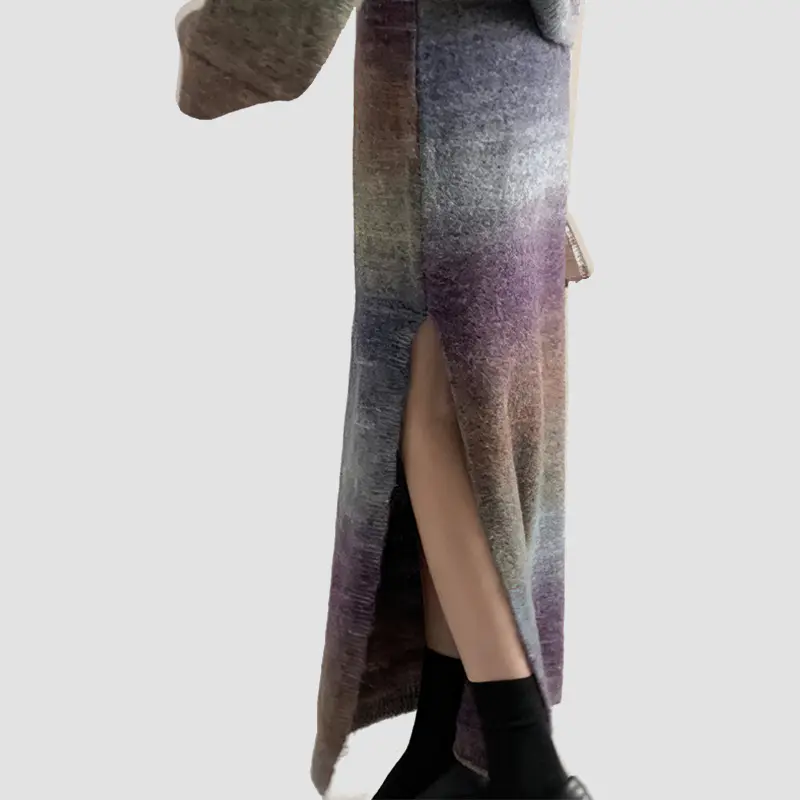
Gradient Color Side Split Half-Length Skirt
-
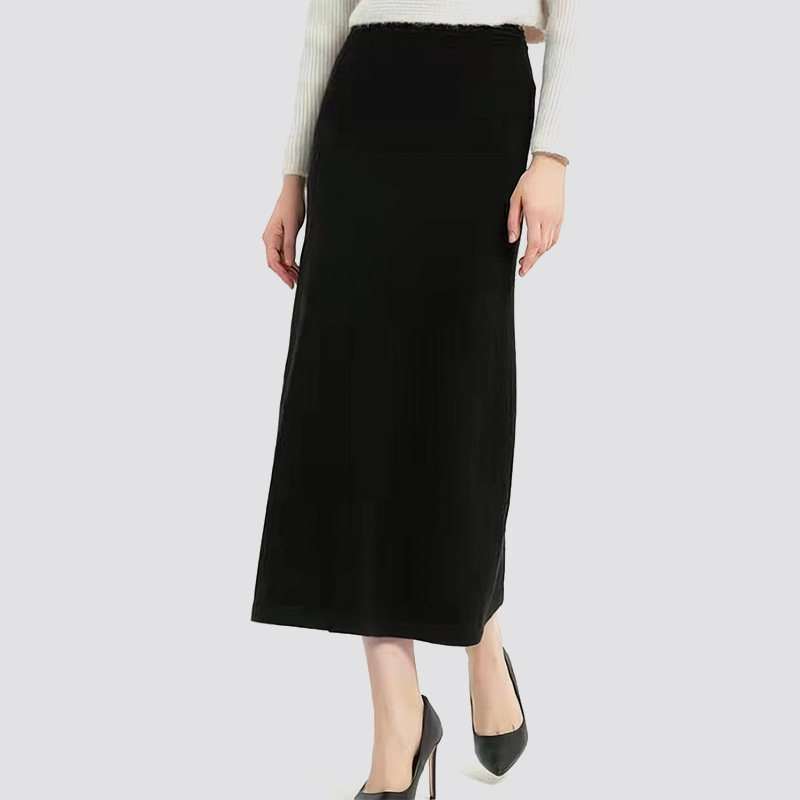
Black A-line Skirt
-
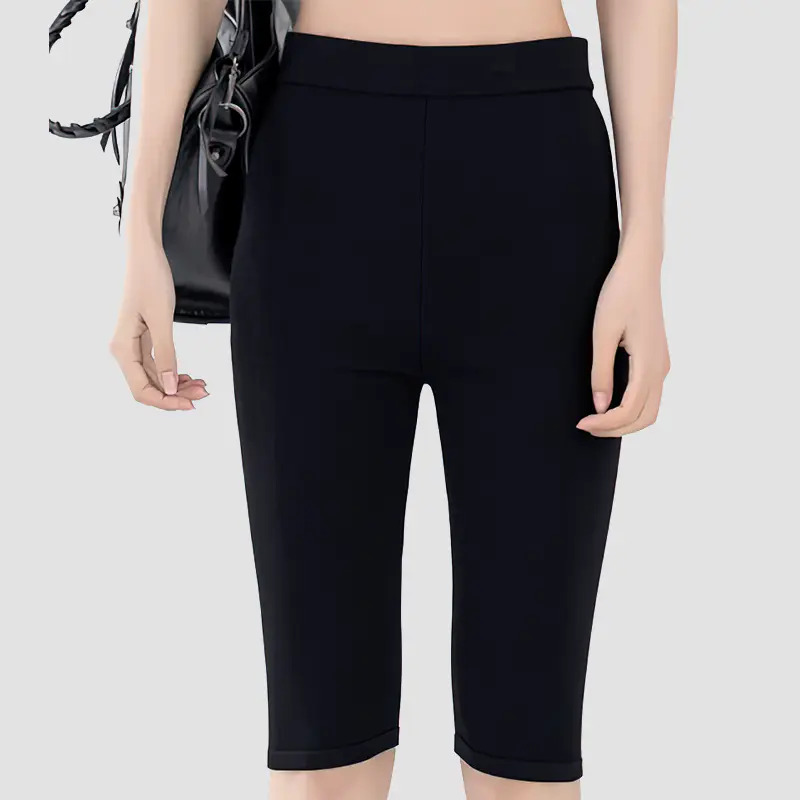
Thin Ice Silk Slimming Leggings
-
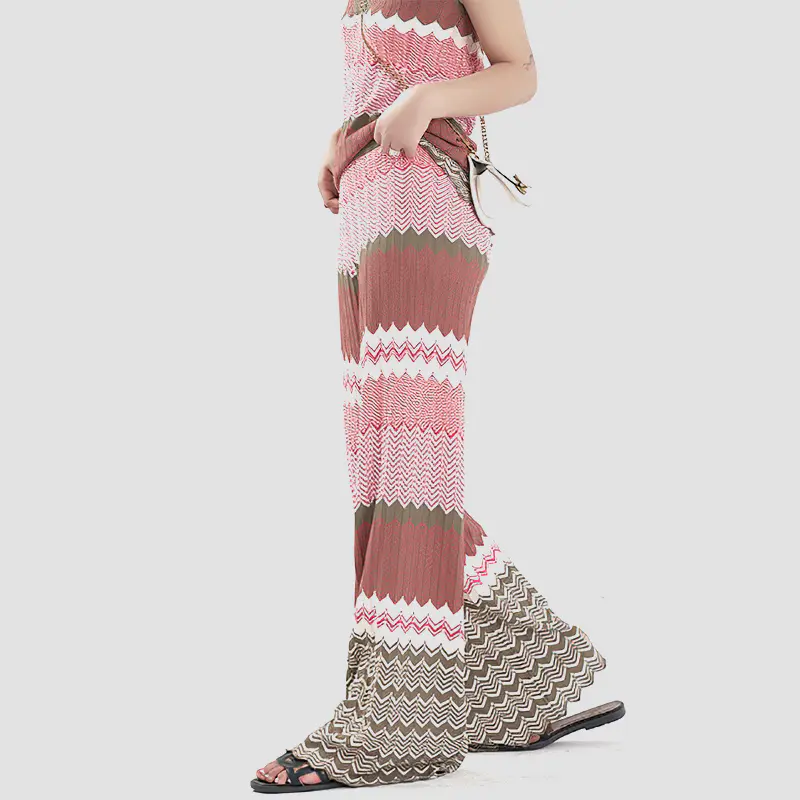
Draped Striped Loose Pants


-

Tel: +86-13913661100
-

Email: frank@sofiafashion.com
-

Add: No.886, Minfeng Road, Xushi Street, Dongbang Town, Changshu, Jiangsu, China
© 2023 Sofia Group. All rights reserved Design Custom Women's Knitted Sweaters Manufacturers
