


 English
 中文简体
中文简体 Español
Knitted Cardigan: The Complete Guide to Styles, Fit, and Care
A knitted cardigan is one of the most versatile and enduring pieces in any wardrobe. Whether you are looking for everyday comfort, a polished layering piece, or a cozy home staple, the right knitted cardigan delivers all three. This guide covers everything from fabric types and fit considerations to styling ideas and long-term care, so you can choose and maintain yours with confidence.
Content
- 1 What Makes a Knitted Cardigan Different From Other Knitwear
- 2 Common Knitted Cardigan Styles and When to Wear Each
- 3 Fabric Guide: Choosing the Right Knit Material
- 4 How to Get the Right Fit in a Knitted Cardigan
- 5 Styling a Knitted Cardigan for Different Occasions
- 6 How to Wash and Care for a Knitted Cardigan
- 7 Signs of a High-Quality Knitted Cardigan
- 8 Building a Cardigan Wardrobe: Which Ones to Buy First
What Makes a Knitted Cardigan Different From Other Knitwear
Unlike pullover sweaters, knitted cardigans open at the front, typically with buttons, zippers, or a simple open-front design. This structural difference makes them significantly more adaptable. You can throw one on over a blouse in seconds, remove it without disrupting your hair, and adjust your warmth level throughout the day.
The knit construction itself also sets cardigans apart from woven jackets. Knit fabric stretches and moves with the body, which is why studies on workplace comfort consistently show knitwear ranked among the top choices for all-day wearability. The elasticity of knit reduces restriction across the shoulders and back, two areas where woven blazers commonly cause tension.
Common Knitted Cardigan Styles and When to Wear Each
Knowing the distinct styles helps you invest wisely. Each silhouette serves a different purpose and flatters different body proportions.
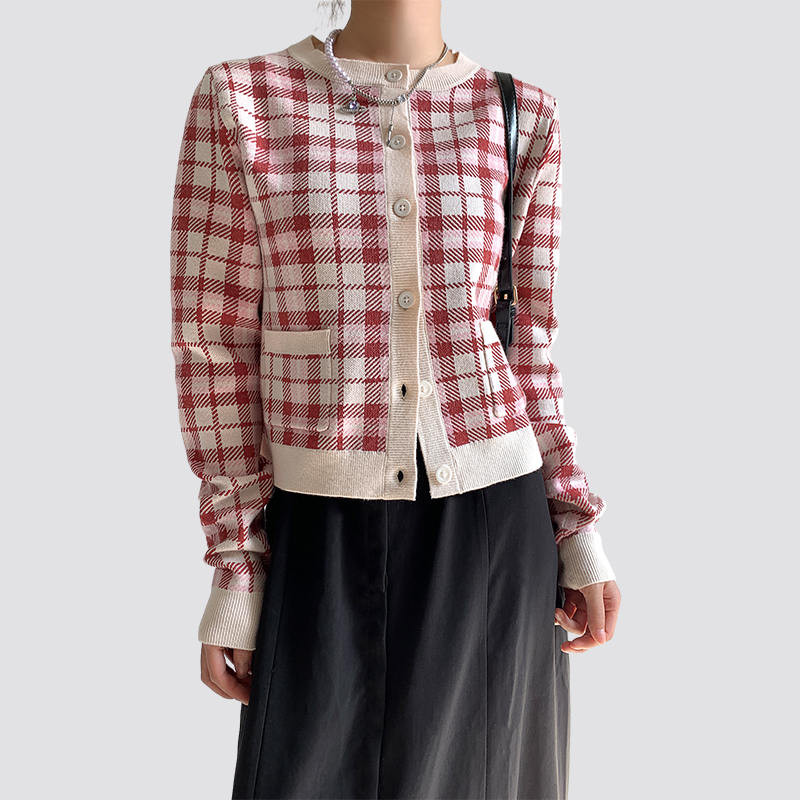
Classic Crew-Neck Cardigan
Defined by a round neckline and full button placket, this is the most universally flattering cut. It layers cleanly over collared shirts for a preppy or business-casual look and works equally well with a simple T-shirt. Length typically falls at the hip.
Longline or Duster Cardigan
Falling to the thigh or below the knee, the longline cardigan functions almost like a coat. It is ideal for transitional weather and creates a streamlined, elongating silhouette. Open-front versions without buttons are especially popular in this length.
Cropped Cardigan
Ending above the natural waist or at the belly button, cropped cardigans pair naturally with high-waisted bottoms. This style gained significant traction after searches for cropped knitwear increased by over 120 percent between 2019 and 2022 according to fashion trend platforms.
Oversized Cardigan
Intentionally roomy through the shoulders and body, oversized cardigans prioritize comfort and a relaxed aesthetic. They work as a casual layering piece over leggings or slim trousers and are especially popular in chunky, heavyweight knits during fall and winter.
Shawl-Collar Cardigan
Featuring a wide, rolled collar that drapes along the front opening, this style has a cozy, almost robe-like quality. It is predominantly found in thicker knits and is a classic choice for loungewear or weekend casual dressing.
Fabric Guide: Choosing the Right Knit Material
The fiber content of a knitted cardigan directly affects its warmth, durability, texture, and how much maintenance it requires. Below is a comparison of the most common materials.
| Fabric | Warmth | Durability | Care Level | Best For |
|---|---|---|---|---|
| Merino Wool | High | High | Moderate | Year-round wear, sensitive skin |
| Cashmere | Very High | Moderate | High | Luxury, cold climates |
| Cotton | Low | High | Low | Warm weather, machine washing |
| Acrylic | Moderate | Very High | Very Low | Budget-friendly, easy care |
| Alpaca | Very High | Moderate | Moderate | Cold climates, allergy-prone |
| Wool Blend | High | High | Low to Moderate | Everyday versatility |
Merino wool is widely regarded as the best all-round choice. Its natural temperature-regulating properties mean it keeps you warm in winter without overheating in mild conditions, and it resists odor far better than synthetic fibers. For those with wool sensitivities, alpaca is a popular alternative since it lacks the lanolin that causes itchiness.
How to Get the Right Fit in a Knitted Cardigan
Fit is the single most impactful factor in how a knitted cardigan looks and functions. Because knitwear stretches, sizing rules differ slightly from woven garments.
- Shoulders: The shoulder seam should land at the edge of your shoulder bone, not drop onto the upper arm. Dropped shoulders are a deliberate design choice in oversized styles but should look intentional, not accidental.
- Chest and torso: For a classic fit, you should be able to pinch roughly 1 to 2 inches of fabric at the side seam. More than that reads as too large; less creates pulling and visible stress lines.
- Sleeves: Sleeve length should reach the base of the thumb when your arms hang at your sides. Knit sleeves will stretch slightly with wear, so a snug-length fit at purchase is usually ideal.
- Length: For tucked or untucked styling flexibility, a hip-length cardigan is the most practical. If you plan to wear it open as a layer, a slightly longer cut creates more visual balance.
Always account for the fact that natural fibers like wool and cashmere can grow slightly with wear and washing if not cared for properly, so erring slightly smaller in natural fiber cardigans is often wise.
Styling a Knitted Cardigan for Different Occasions
One of the strongest arguments for investing in a quality knitted cardigan is its styling range. The same piece can move across occasions with small adjustments.
Casual Everyday
Pair a neutral-toned cardigan with straight-leg jeans and a white T-shirt underneath. Leave it open or fasten one or two buttons for a relaxed look. White, oatmeal, charcoal, and navy are the most versatile base colors because they integrate with almost any existing wardrobe.
Business Casual
A fine-knit merino or wool-blend cardigan layered over a collared shirt or blouse reads as polished and professional. Button it fully and tuck the shirt into tailored trousers for a put-together silhouette that avoids the formality of a blazer. This combination works especially well in open-plan office environments where temperatures fluctuate.
Smart Casual and Evening
A fitted, fine-gauge cardigan in a rich tone such as burgundy, forest green, or camel can anchor a smart-casual outfit. Wear it buttoned over a silk camisole or collared shirt with tailored trousers or a midi skirt. Adding simple jewelry elevates the look without requiring a jacket.
Transitional Layering
In spring and autumn, a longline cardigan replaces a light jacket effectively. Layer it over a long-sleeve top with slim pants or jeans. A belt cinched at the waist over a longline cardigan adds structure and transforms it from a layer into a focal piece.
How to Wash and Care for a Knitted Cardigan
Improper washing is the leading cause of knitted cardigan damage. Felting, shrinking, and stretching are all largely avoidable with the right approach.
- Check the label first. Always follow the manufacturer care instructions. A garment labeled dry-clean only should be dry-cleaned, regardless of what the fiber typically tolerates.
- Hand wash natural fibers. Wool, cashmere, and alpaca cardigans should be hand washed in cool water with a gentle, pH-neutral detergent. Agitation and heat are the two primary causes of felting in wool.
- Use the delicate cycle for blends. Wool blends and acrylic cardigans can generally tolerate a machine delicate cycle at 30 degrees Celsius or below. Place them in a mesh laundry bag to prevent snagging.
- Never wring or twist. Press water out gently between your hands or by rolling the garment in a clean towel. Wringing distorts the knit structure and causes irreversible stretching.
- Dry flat. Lay the cardigan on a clean dry towel and reshape it to its original dimensions while damp. Hanging a wet knit causes the weight of the water to pull the garment out of shape at the shoulders.
- Store folded, not hung. Hanging knitted cardigans long-term stretches the fabric under its own weight. Fold and store on a shelf or in a drawer.
For pilling, which is common in areas of friction such as underarms and cuffs, a fabric shaver removes pills quickly and restores the surface appearance. Cashmere cardigans benefit from depilling after every three to five wears to stay looking their best.
Signs of a High-Quality Knitted Cardigan
Not all knitted cardigans are built equally. Knowing what to look for helps you invest in pieces that last years rather than a single season.
- Even stitch density: Hold the cardigan up to light. The stitches should be consistent with no gaps or irregularities, which indicate manufacturing defects or low-grade yarn.
- Fully fashioned construction: Higher-quality cardigans are fully fashioned, meaning each panel is knitted to shape individually rather than cut from a larger piece of fabric. Look for the small ladder marks along the seams that indicate fully fashioned shaping.
- Reinforced buttons and buttonholes: Buttons should feel substantial and sit flat. Buttonholes should have tight, consistent stitching around the edges with no fraying.
- Finished seams: Internal seams should be neat and secured. Raw or loosely overlocked seams signal lower construction standards.
- Fiber content transparency: Reputable brands clearly state the exact fiber content and percentages. Vague labeling such as soft yarn or premium fiber without specifics is a warning sign.
Building a Cardigan Wardrobe: Which Ones to Buy First
If you are building a collection of knitted cardigans from scratch, prioritize these three foundations before exploring trendier options.
- A fine-knit neutral cardigan in merino wool or a merino blend, in oatmeal, grey, or navy. This works for almost every occasion from casual to office.
- A chunky or medium-weight cardigan in a warm tone for colder months. Rust, camel, or forest green offer more visual interest than basic neutrals while remaining easy to style.
- A lightweight cotton or cotton-blend cardigan for warm weather and air-conditioned environments. White or soft blue works best as a summer layer.
These three pieces together cover the full range of seasonal needs and styling contexts at a reasonable investment. A good merino cardigan from a mid-range brand typically costs between 80 and 150 dollars and, with proper care, can remain in regular rotation for five years or more.
Recommended Products
-
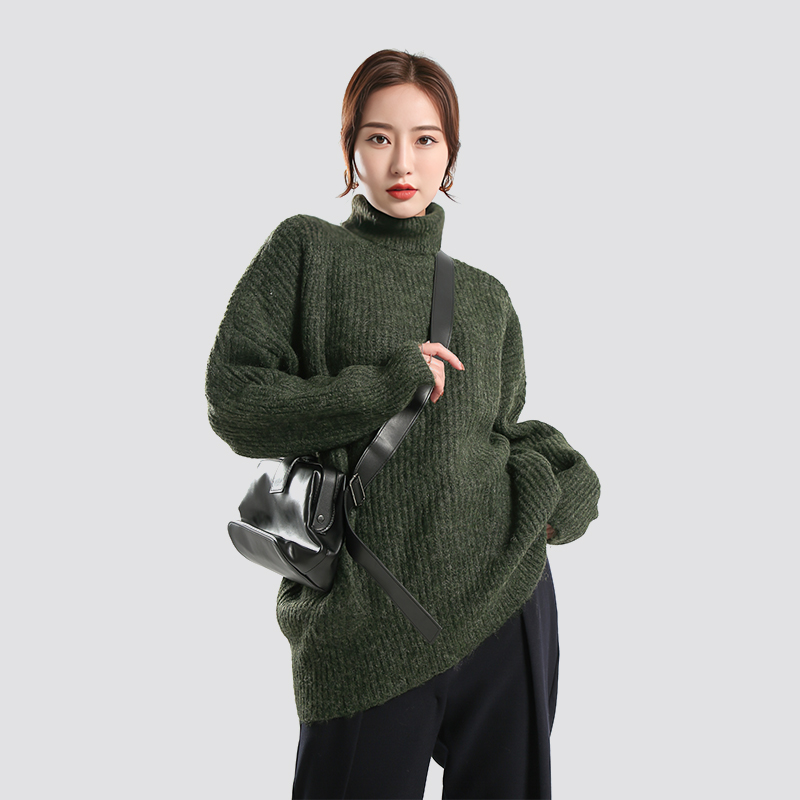
Cashmere handfeel Dark Green Wool Sweater
-
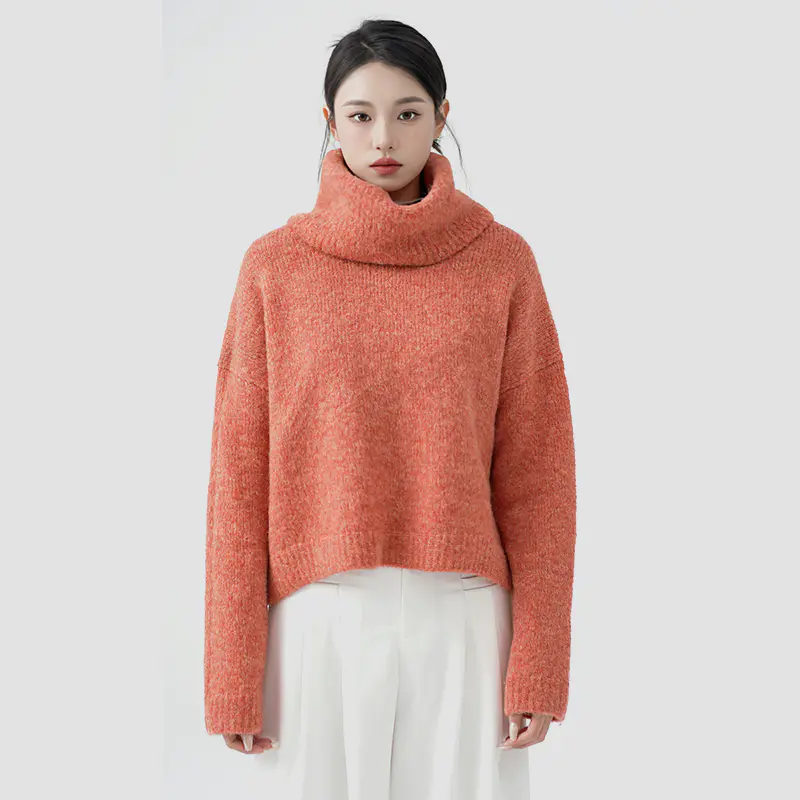
Orange Loose Neck Pullover Sweater
-
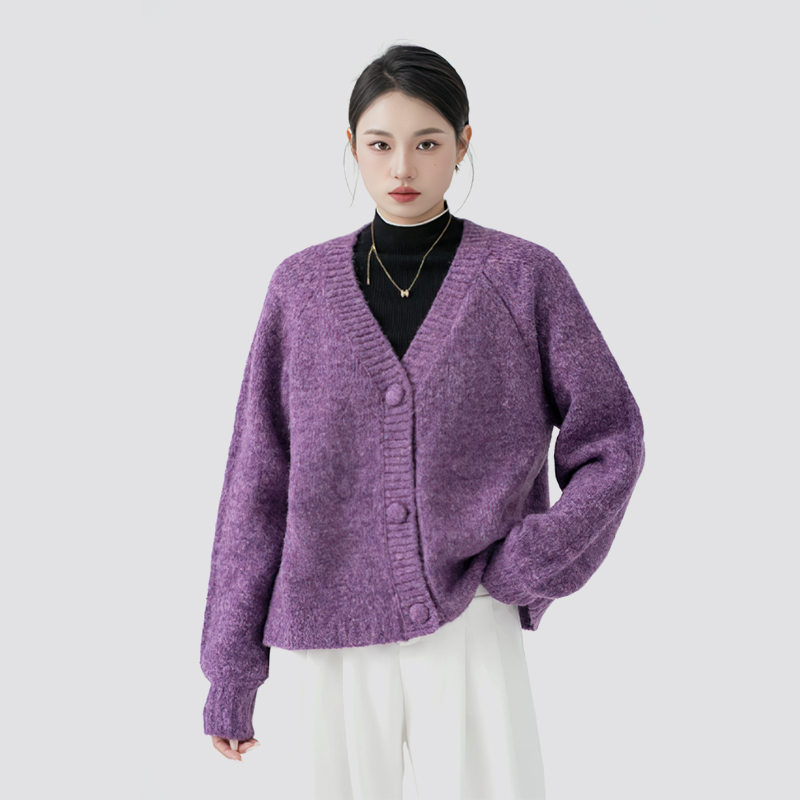
Romantic Purple Cardigan
-
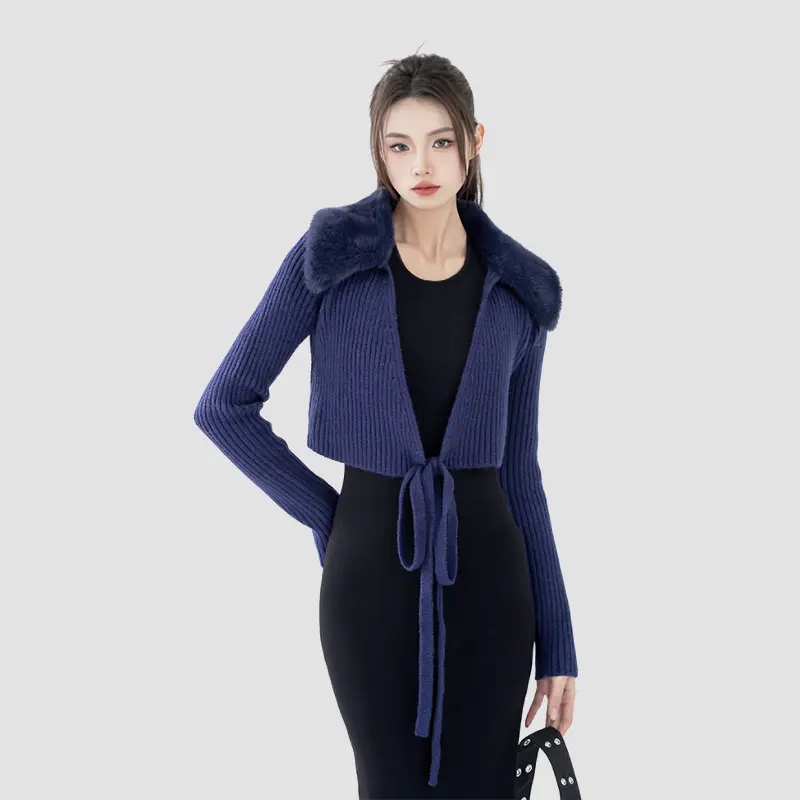
Fur Lapel Lace-up Cardigan
-
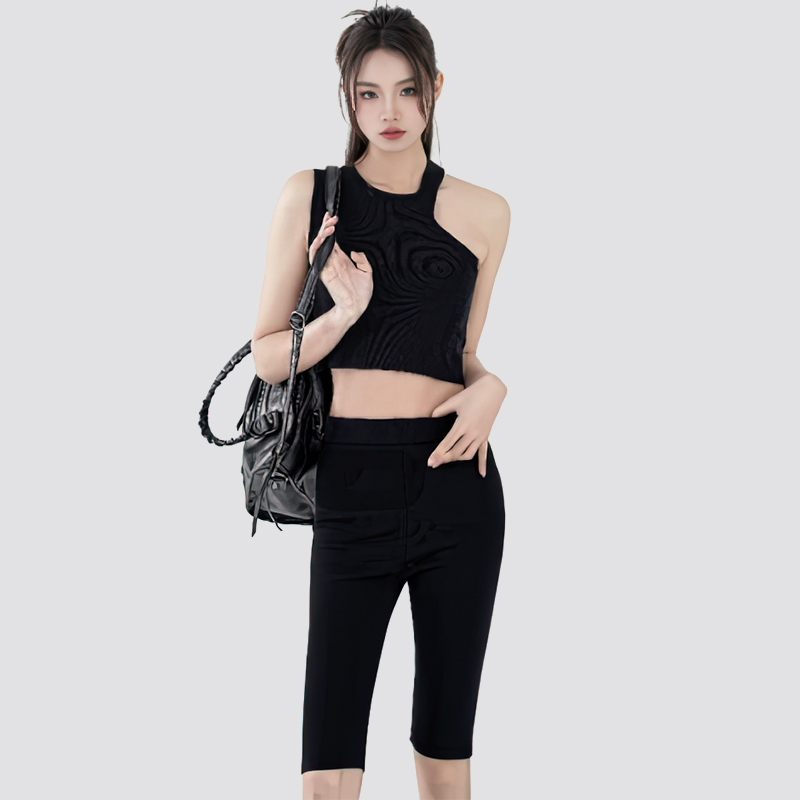
Cut Out Knitted Tank Top
-
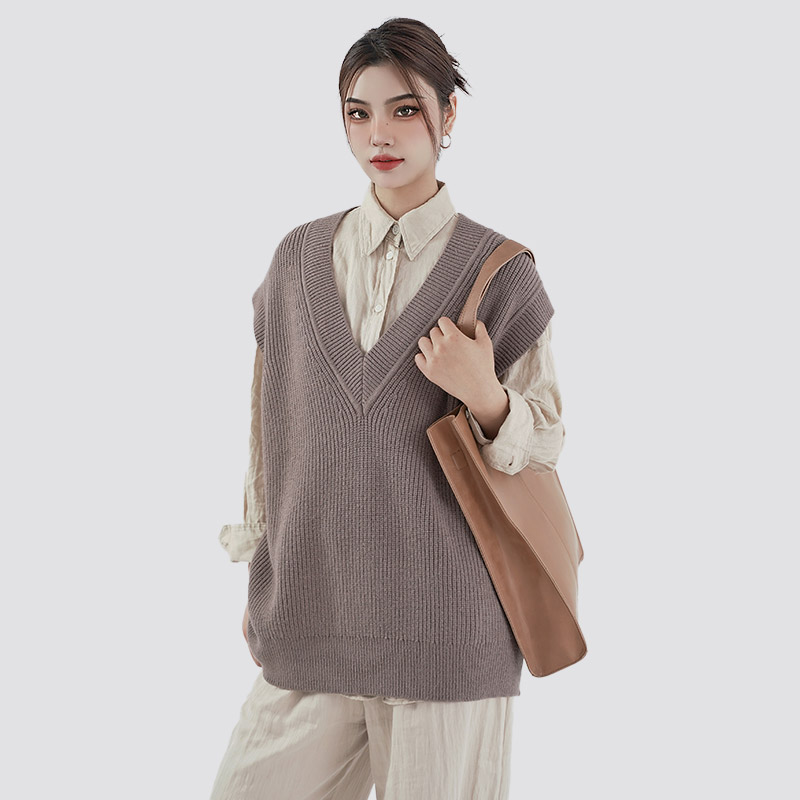
V-Neck Knitted Tank Top
-
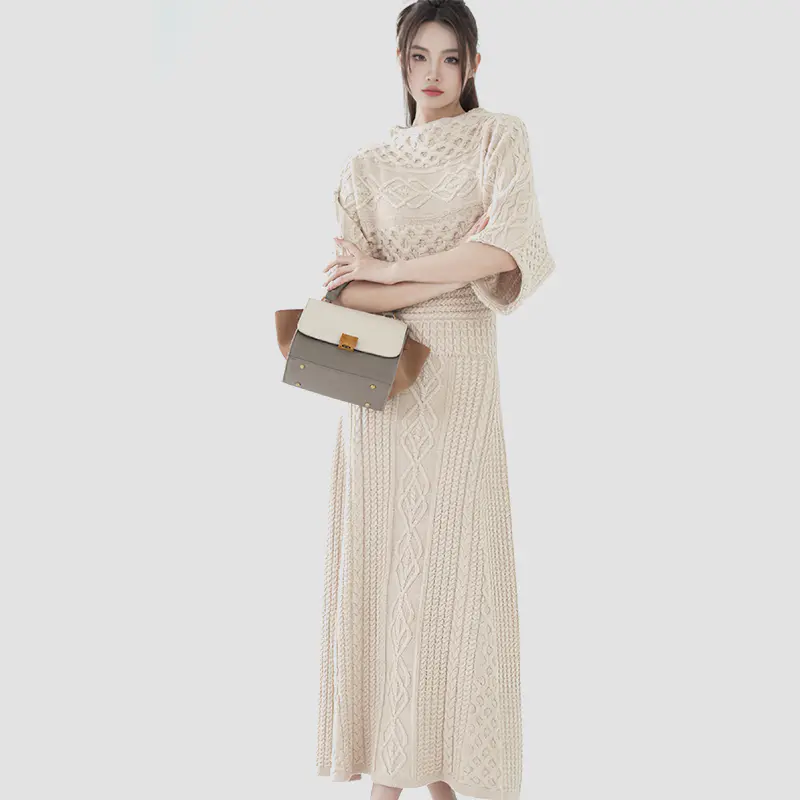
Swing Sweater Dress With Nipped Waist
-
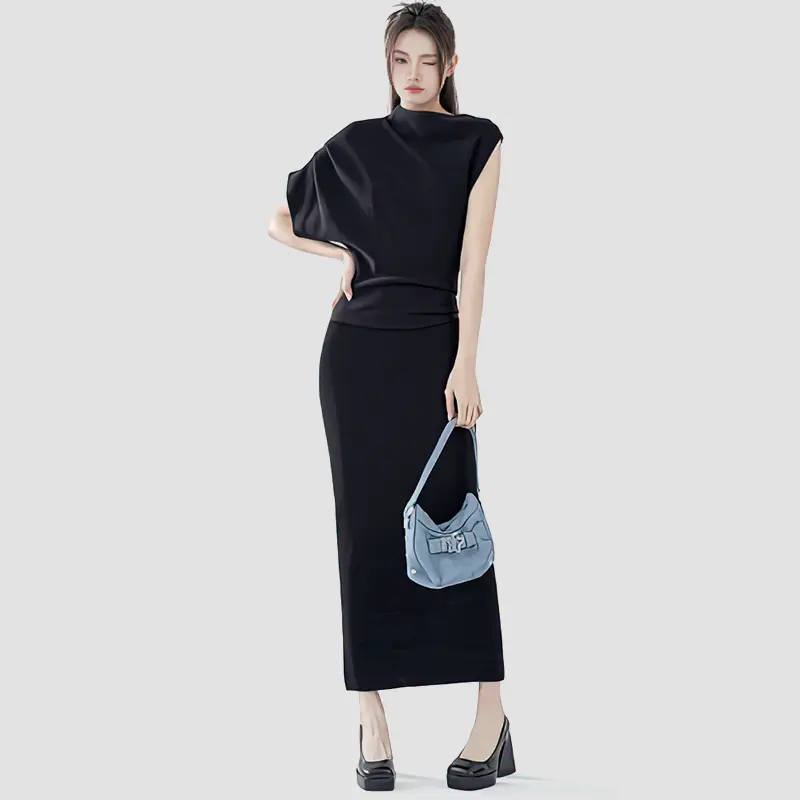
Stylish Asymmetrical Knit Long Dress
-
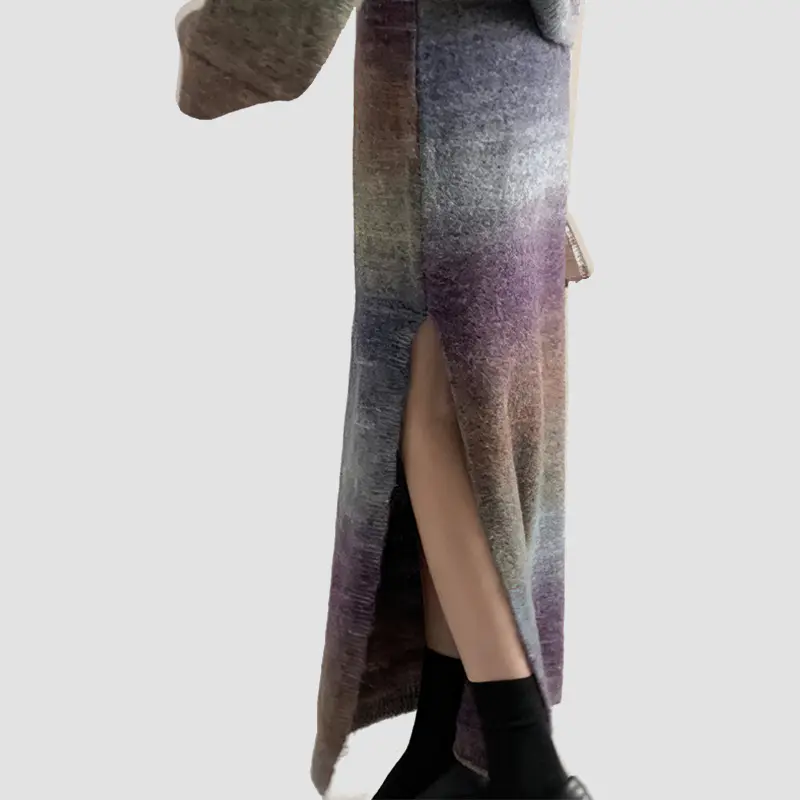
Gradient Color Side Split Half-Length Skirt
-
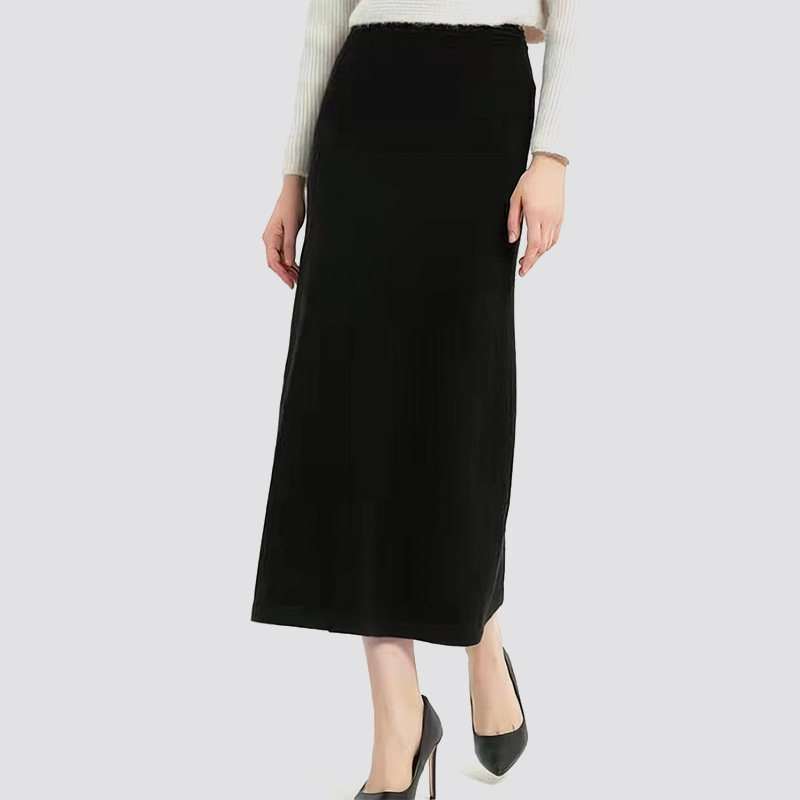
Black A-line Skirt
-
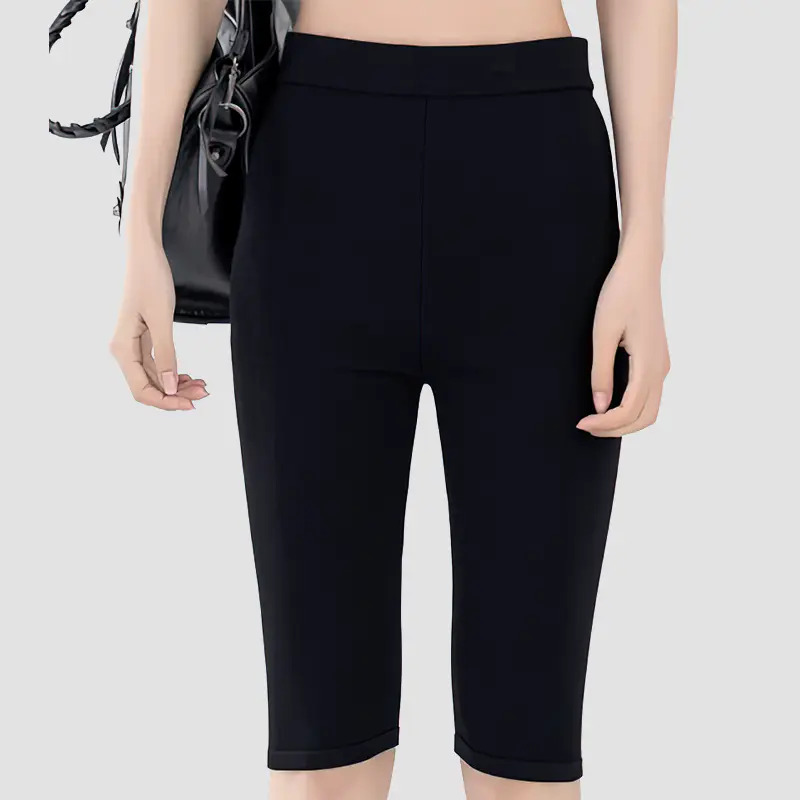
Thin Ice Silk Slimming Leggings
-
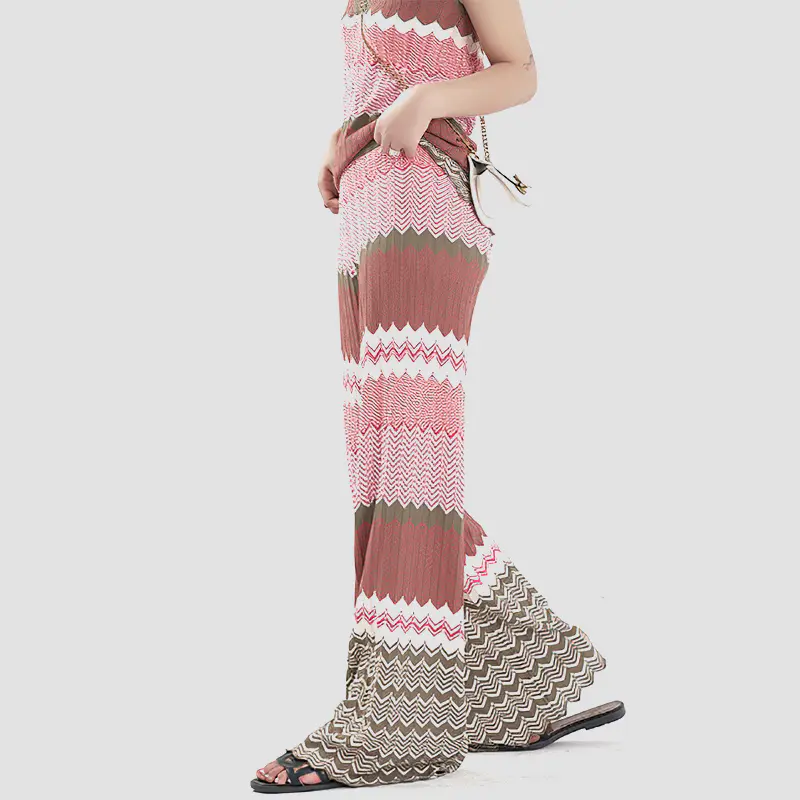
Draped Striped Loose Pants


-

Tel: +86-13913661100
-

Email: frank@sofiafashion.com
-

Add: No.886, Minfeng Road, Xushi Street, Dongbang Town, Changshu, Jiangsu, China
© 2023 Sofia Group. All rights reserved Design Custom Women's Knitted Sweaters Manufacturers
