


 English
 中文简体
中文简体 Español
Your Knitwear Manufacturing Partner | Reliable Sweater Production in China
When a buyer asks us to produce a sweater line, the first conversation is rarely about styling. It usually starts with numbers: expected shrinkage, accepted color difference, finished weight, and delivery date. Those numbers decide whether a knitwear manufacturing project succeeds or collapses.
The short conclusion is this: knitwear manufacturing works when a factory treats yarn, machine parameters and finishing as one connected system. A brand that understands that system can avoid most sample-to-production surprises.
Content
What happens inside a knitwear factory
Knitwear manufacturing has five stages that affect fit, hand feel and durability. If one stage is rushed, the rest of the order pays the price.
1. Yarn selection and preparation
Yarn is not an input; it is the product. Fiber type, yarn count, twist level and dye lot all change the final garment. A cotton yarn with low twist feels soft but pills faster; a high-twist wool yarn holds its shape but can feel dry. Before production, the factory should test yarn for count, twist, shade and shrinkage.
2. Knitting
Most of our sweaters are knitted on flat knitting machines. Flat machines allow shaped panels, which means the body, sleeves and neckline can be knitted close to their final dimensions. This reduces cutting loss and keeps the stitch structure intact. The machine gauge determines how many stitches fit in one inch; a coarse gauge gives a chunky look, while a fine gauge produces a smoother surface.
3. Cutting and shaping
Cut-and-sew knitwear is made from knitted fabric rolls that are cut into panels. Fully fashioned knitwear is knitted directly into panels, leaving only a small margin for trimming. Fully fashioned construction uses more machine time but less fabric, so it tends to produce a more stable garment with less waste.
4. Linking and assembly
Linking connects the panels by catching each stitch with a loop, not by pressing a seam allowance together. This is what makes the shoulder seam of a good sweater feel flat. Poor linking creates bulky seams and weak points that fail after a few washes.
5. Finishing and pressing
The finishing stage includes washing, softening, drying and pressing. Washing is the step that relaxes the fibers and stabilizes dimensions. If a factory skips relaxation time after washing, the garments will shrink in the consumer's first wash. Pressing sets the final shape and should be done on a steam table, not a flat iron.
Our factory in Changshu follows this sequence in a building of about 9,600 square meters. That scale matters because it allows us to separate dirty and clean operations, keep fabric rolls in a controlled area, and run small- and medium-sized orders without moving them to outside workshops.
Quality tolerances that matter in knitwear
Most quality disputes start when measurements on the production samples differ from the approved sample. But knitwear is elastic; no fabric supplier can hold every dimension to 0.5 cm. The trick is to agree on realistic tolerances before bulk production, then hold those limits consistently.
| Check point | Typical tolerance |
|---|---|
| Chest width | +/- 1 cm |
| Body length | 1.0 to 1.5 cm |
| Sleeve length | +/- 1 cm |
| Piece weight | +/- 3% of agreed weight |
| Shrinkage after washing | Max 5% length, 3% width |
| Pilling resistance | Grade 3 to 4 under standard abrasion test |
| Colorfastness | Grade 4 or higher for staining, according to ISO test |
These numbers are only examples. The right tolerance depends on yarn composition, knit structure and the retail market. A loose, open stitch expands and returns more than a dense rib. Blends with polyester recover better than pure cotton. That is why the factory's development team should confirm tolerance values at sample stage, not after bulk production.
Capacity and communication in sweater manufacturing
Capacity is not the same as floor area. A 9,600-square-meter building with 150 workers can produce a meaningful volume of sweaters, but only if planning, knitting, linking and finishing are synchronized. Annual capacity depends on style complexity, machine gauge and order structure. Sofia Group has been in the sweater business since 2006, and this sweater factory operates as one subsidiary within the group.
Buyers often ask about MOQ. A simple pullover in two colors might start at 300 pieces per color; a jacquard cardigan with special yarn or embroidery may require a higher minimum because setup and sample development cost more. Instead of quoting an arbitrary MOQ, we look at the bill of materials and machine time, then give a number that keeps the unit cost fair.
Communication matters just as much as machinery. When you work with a factory in a different time zone, you need clear checkpoints: sample approval, yarn approval, pre-production sample, bulk inspection and shipment. That is why we keep every order on a shared production schedule and send photos at each stage.
Knitwear styles we manufacture
Our lineup covers the main categories a retailer or brand needs for a complete assortment: men's, women's and kids' sweaters, plus knitted dresses, skirts and pants. The core range includes pullovers, cardigans, tank tops and long knitted skirts.
Pullovers are the anchor of most collections. A style like the green turtleneck cable sweater shows how yarn selection and stitch definition work together: the cable pattern needs a yarn with enough twist to hold its shape, while the turtleneck needs a jersey or rib structure that sits close to the neck without pulling.
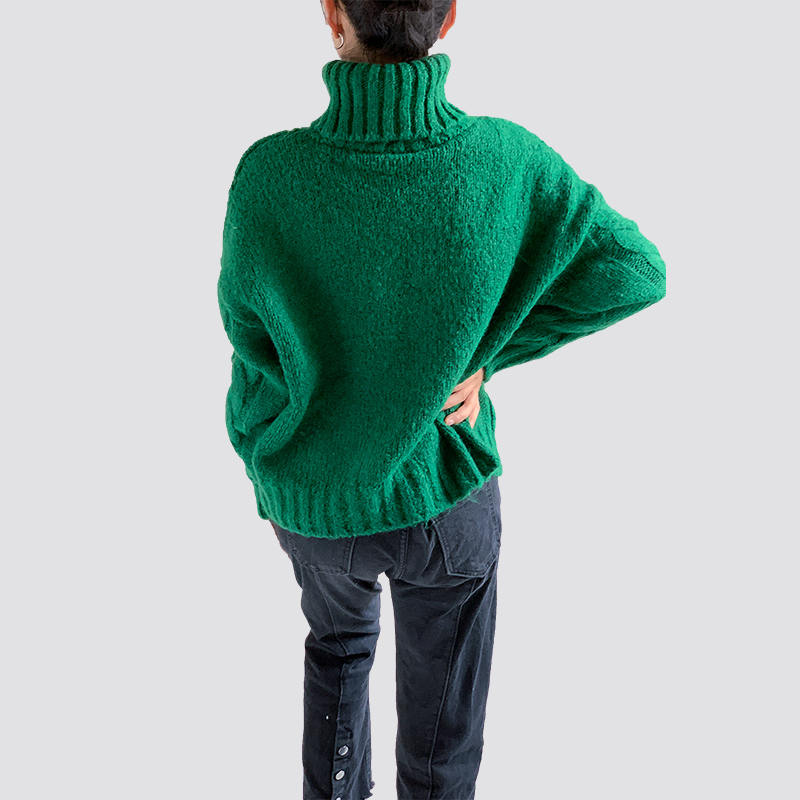 Green turtleneck cable sweater Suppliers, Company - Sofia GroupSofia Group are Wholesale Green turtleneck cable sweater Suppliers and OEM Company in China, Supply Wholesale Green turtleneck cable swea...View Product →
Cardigans add layering value. For brands that want a relaxed silhouette, an oversized striped knit cardigan works well with blended yarns that keep the garment light but warm. Stripes also test a factory's ability to handle color changes without distorting the fabric edge.
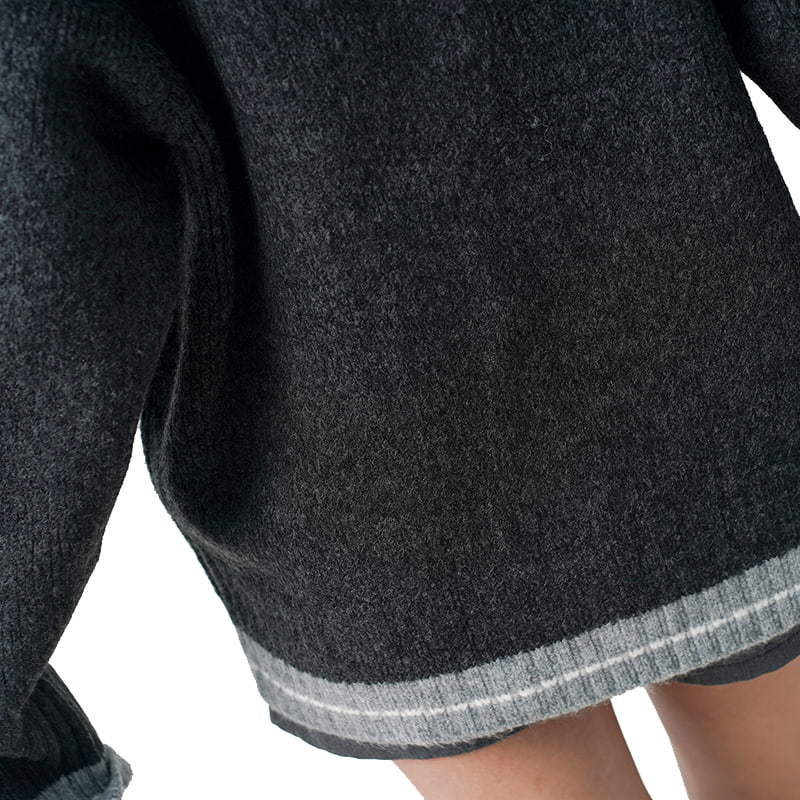 Oversized Striped Knit Cardigan Suppliers, Company - Sofia GroupSofia Group are Wholesale Oversized Striped Knit Cardigan Suppliers and OEM Company in China, Supply Wholesale Oversized Striped Knit C...View Product →
Knitted skirts have become a separate category for us, especially in lengths that go from workwear to weekend styling. The elegant knitted long skirt is a good example of a silhouette that depends on drape and recovery; the finished garment must fall smoothly and return to shape after sitting or walking.
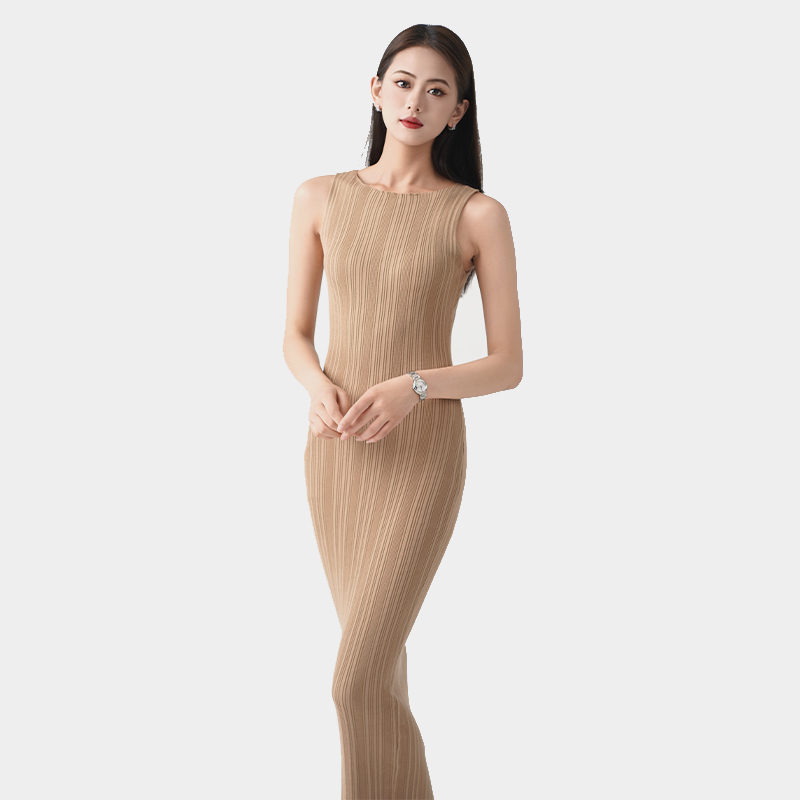 Elegant knitted long skirt Suppliers, Company - Sofia GroupSofia Group are Wholesale Elegant knitted long skirt Suppliers and OEM Company in China, Supply Wholesale Elegant knitted long skirt, Moi...View Product →
Yarn choices, certifications and sustainable options
Yarn price is only one part of the true cost. The same wool/cotton blend can behave differently depending on spinning mill, dye process and finishing. Before you approve a color standard, ask the factory for the yarn supplier's shade card and test reports.
For sustainability claims, keep the evidence chain simple. If you plan to label a sweater as organic, recycled or low-impact, the yarn must carry a certificate from the spinning mill, and the factory should keep that certificate in the order file. Common schemes include GRS, RWS, organic cotton standards and OEKO-TEX. These documents protect the brand and the factory from false-labeling risk.
Custom-spun yarn is another route. A brand can specify a unique blend, twist or color recipe, which makes the final product harder to copy. The trade-off is higher minimums and longer lead times, because the spinner needs to run a dedicated batch. For an established style with repeat orders, custom-spun yarn is often worth the extra cost.
What a clear knitwear order sheet should include
A good tech pack reduces the chance of miscommunication. In our experience, four pieces of information have the biggest impact on the result: target weight per square meter, accepted shrinkage range, colorfastness requirements and stitch gauge. Add a flat sketch plus a sample reference if one exists.
- Target fabric weight and hand feel: specify what "mid-weight" means in grams per square meter.
- Shrinkage limit after first wash: this is the most common claim issue in knitted garments.
- Colorfastness to light, water and perspiration: choose test methods that match the retail market.
- Dimensional tolerance for chest, body length and sleeve length.
If the factory can sign off on these points at sample stage, bulk production has a much smaller chance of producing surprises. If the factory cannot confirm the test methods, that is a red flag.
Knitwear manufacturing is not about finding a supplier that can knit one perfect sample. It is about finding a partner who can repeat that result across thousands of pieces, with stable yarn, controlled gauge and disciplined finishing. At our facility, that discipline starts with testing and continues through every production meeting. If you have a sweater line in development, contact our team with your target quantities and season timing so we can start with the numbers that matter.
Recommended Products
-
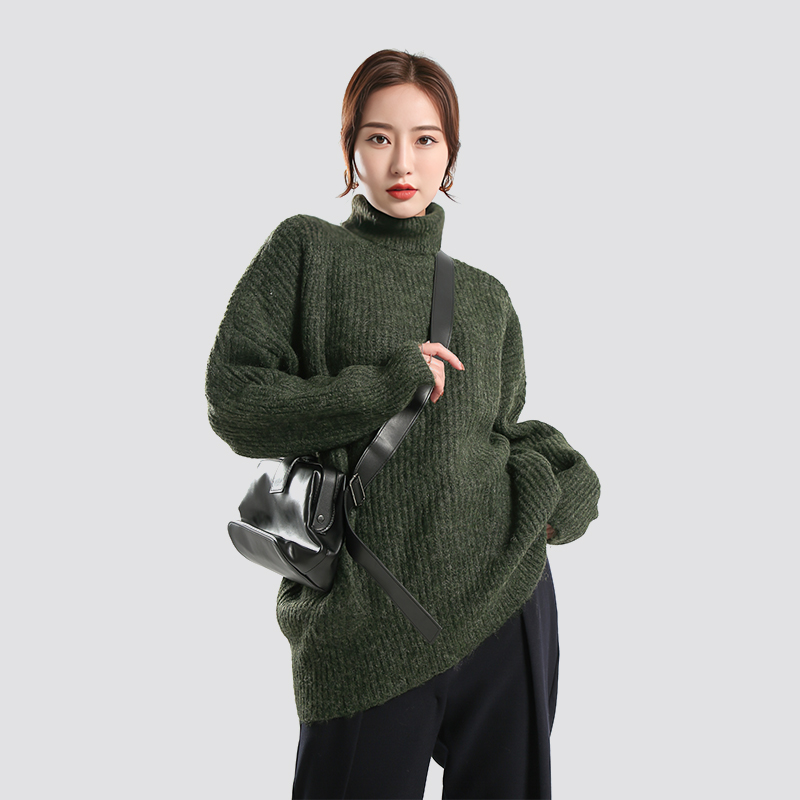
Cashmere handfeel Dark Green Wool Sweater
-
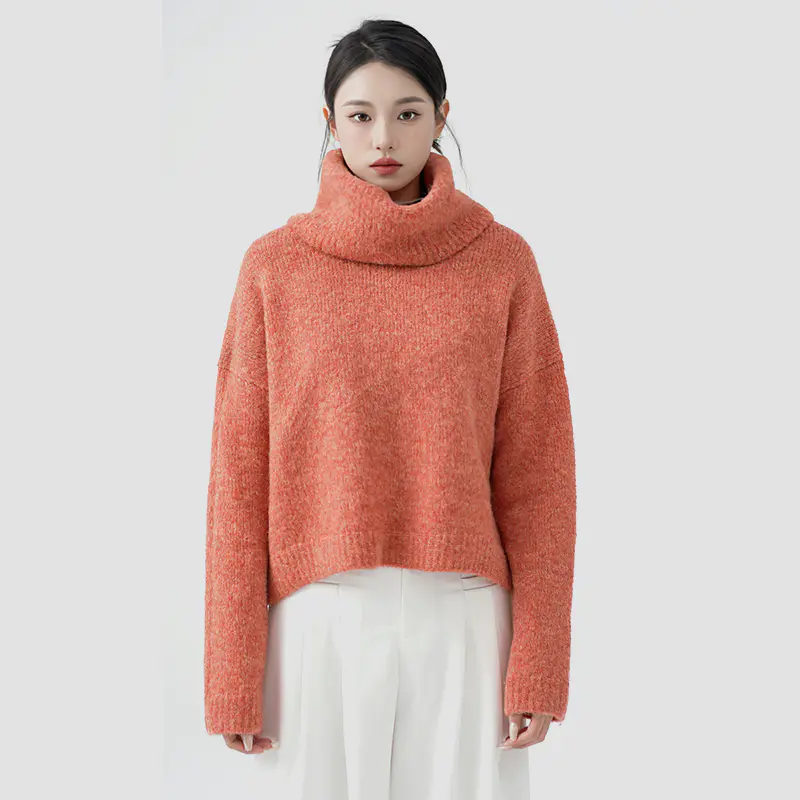
Orange Loose Neck Pullover Sweater
-
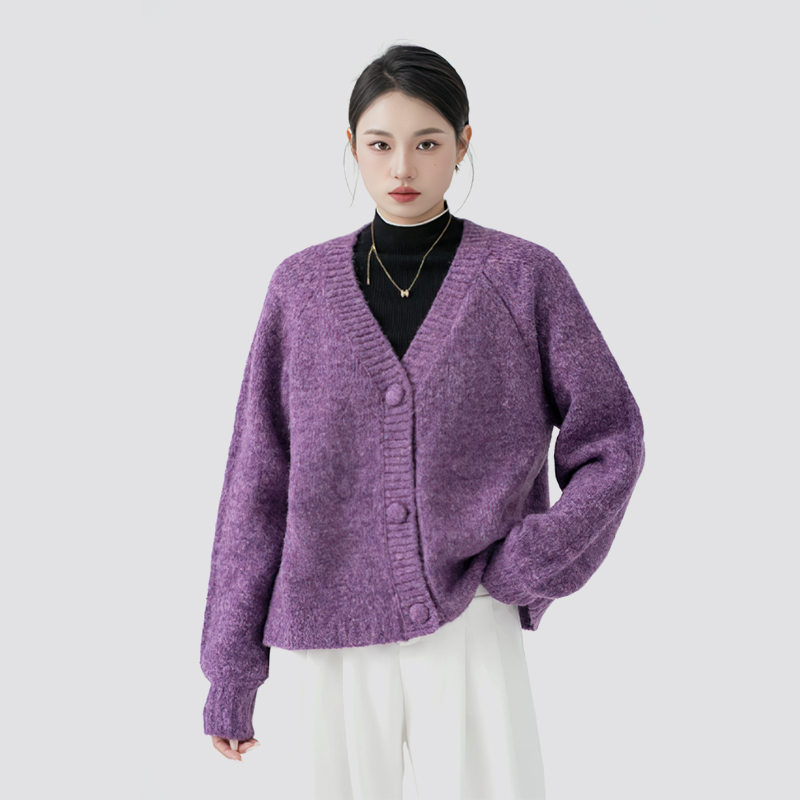
Romantic Purple Cardigan
-
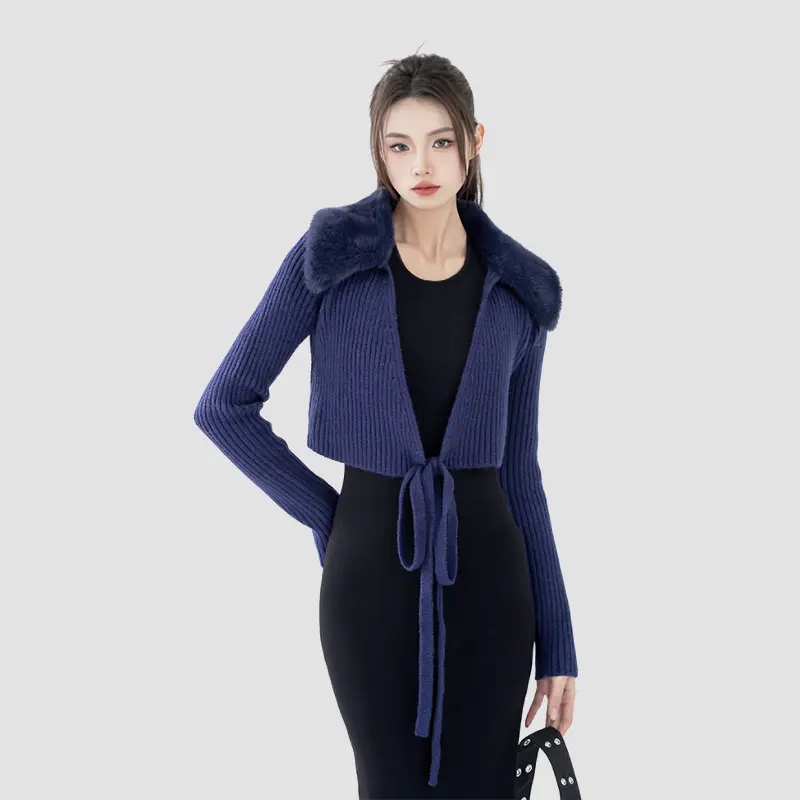
Fur Lapel Lace-up Cardigan
-
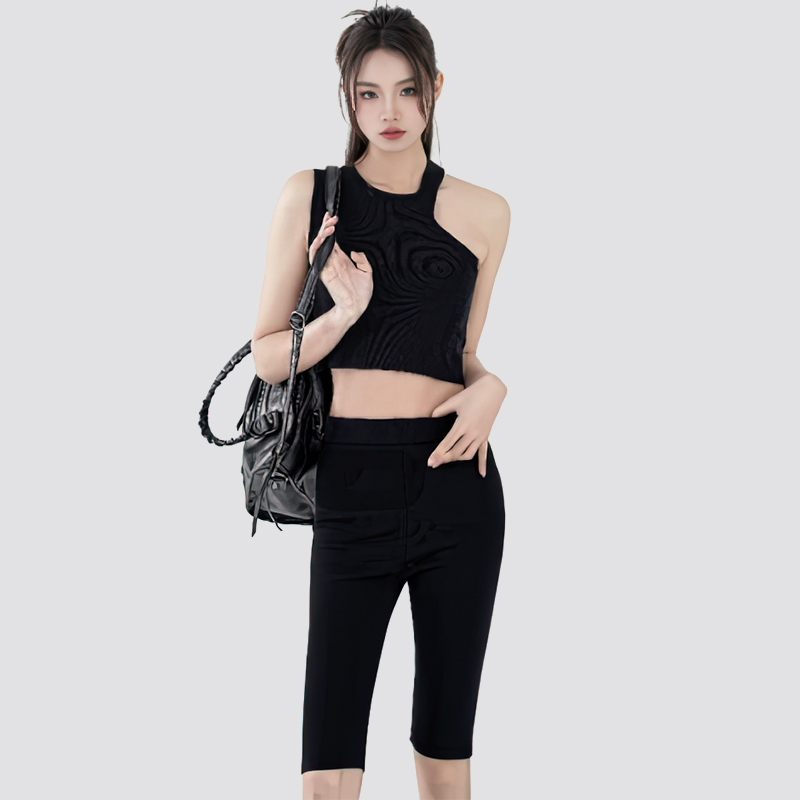
Cut Out Knitted Tank Top
-
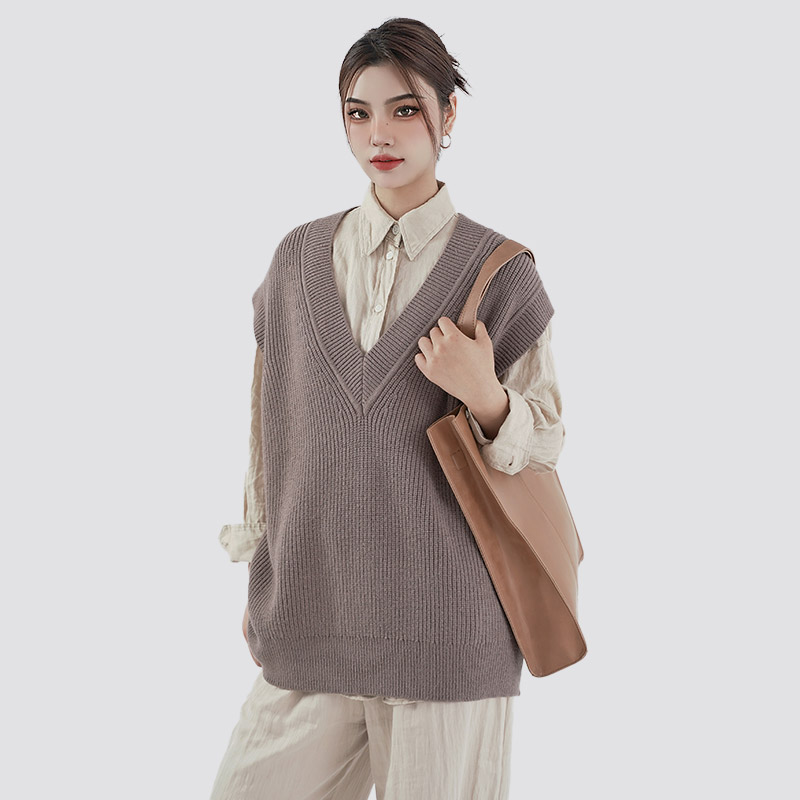
V-Neck Knitted Tank Top
-
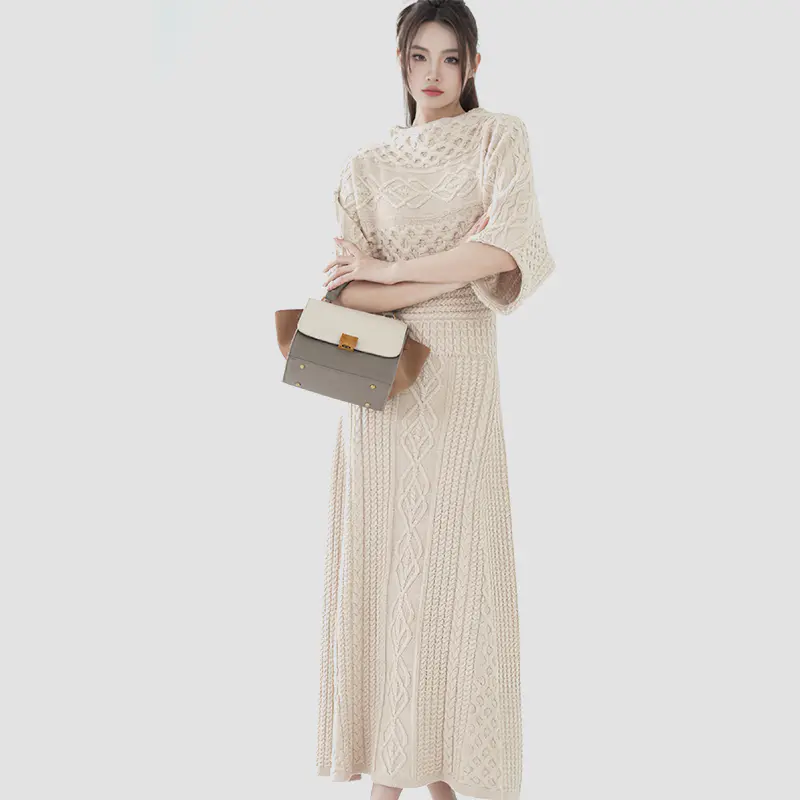
Swing Sweater Dress With Nipped Waist
-
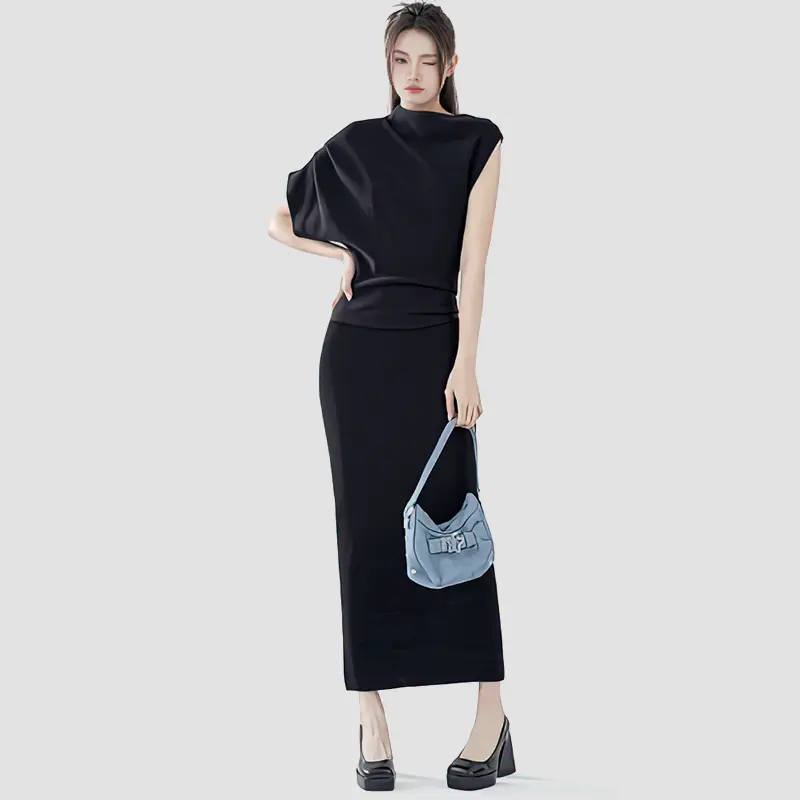
Stylish Asymmetrical Knit Long Dress
-
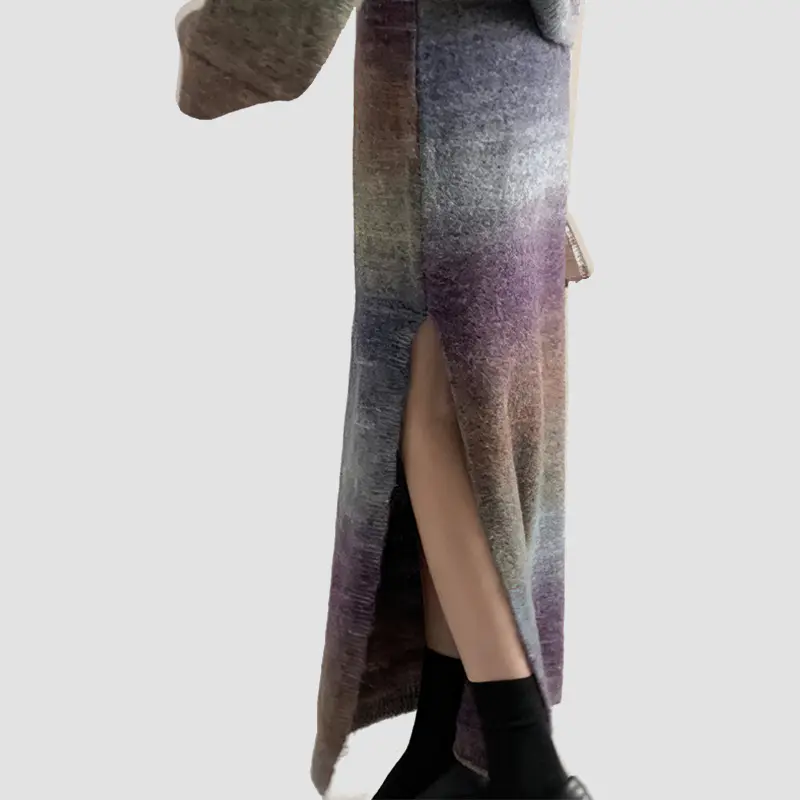
Gradient Color Side Split Half-Length Skirt
-
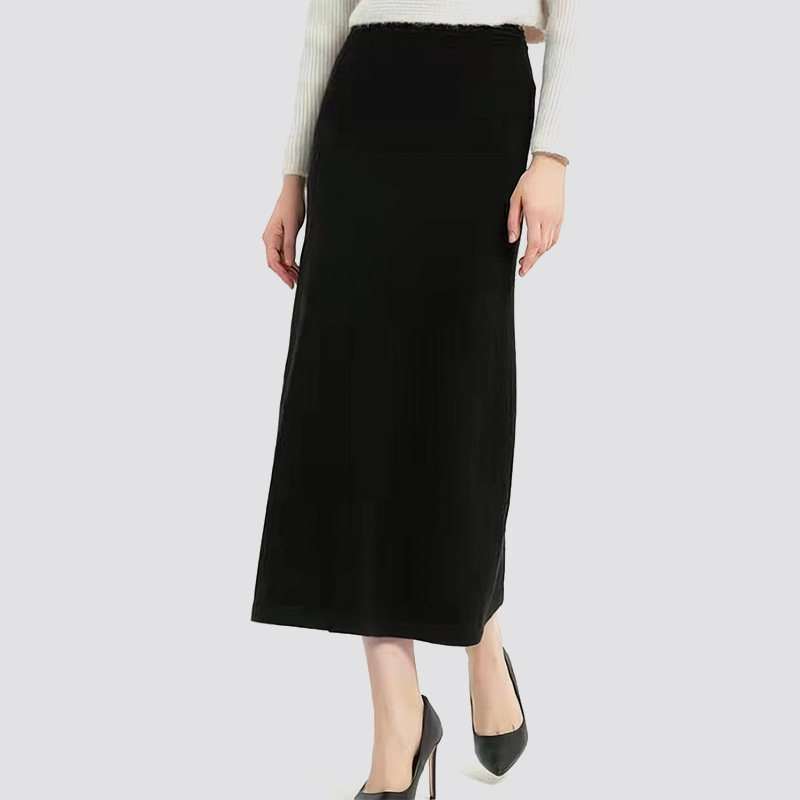
Black A-line Skirt
-
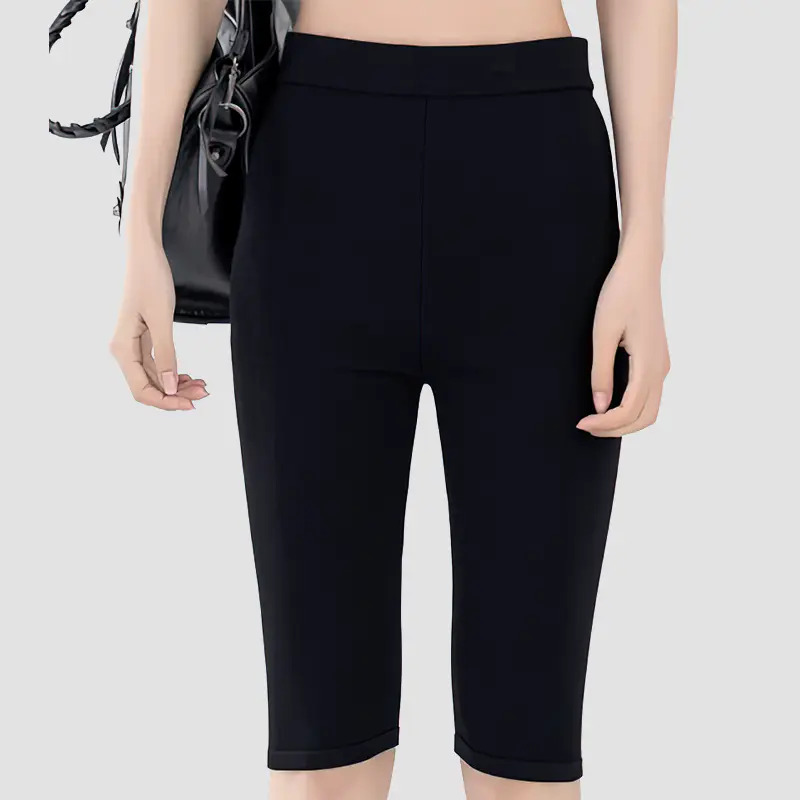
Thin Ice Silk Slimming Leggings
-
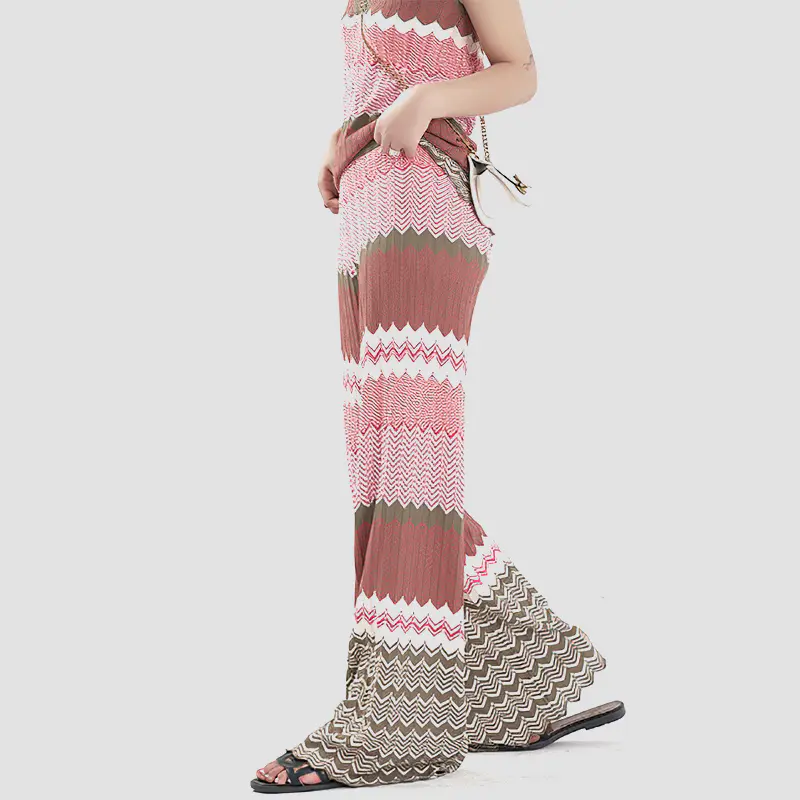
Draped Striped Loose Pants


-

Tel: +86-13913661100
-

Email: frank@sofiafashion.com
-

Add: No.886, Minfeng Road, Xushi Street, Dongbang Town, Changshu, Jiangsu, China
© 2023 Sofia Group. All rights reserved Design Custom Women's Knitted Sweaters Manufacturers
